







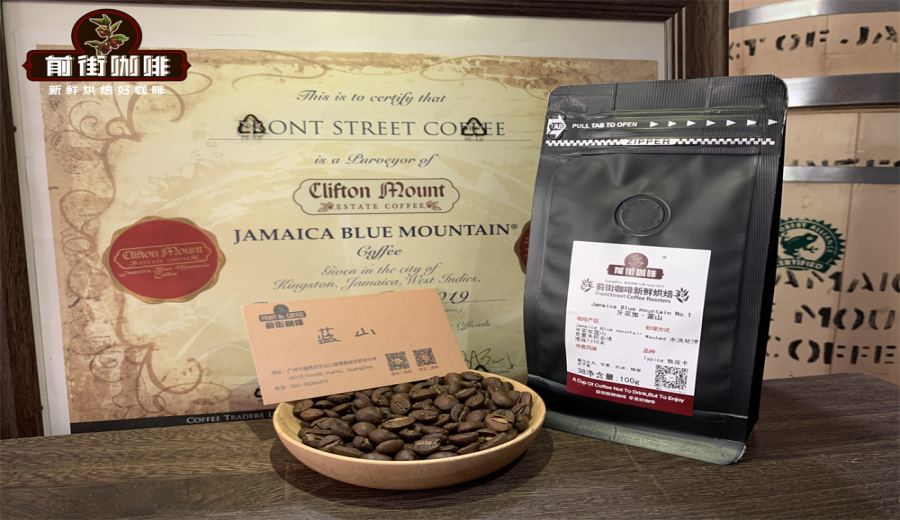
Introduction:Jamaica Blue Mountain coffee is hailed as the “King of Coffee.” Its prestige lies not only in its rarity but also in its exceptional growing environment and stringent quality control system. This article delves into the history of Blue Mountain coffee, its six official certification marks, characteristics of the three main growing regions, the rigorous grading system and washed processing method, along with detailed backgrounds of well-known estates. It concludes with practical brewing recommendations and tips for identifying authenticity, helping you truly appreciate the unique charm of this world-class coffee.
When it comes to the world’s top-tier coffees, Jamaica Blue Mountain is almost a universally known legend. Even those who don’t drink coffee often have likely heard of its fame. These beans, celebrated as the “King of Coffee,” come from the Blue Mountains of Jamaica, an island nation in the Caribbean. Not only is their production scarce, but their strict cultivation environment and tightly controlled production process make them the dream flavor for coffee lovers worldwide.
The history of Blue Mountain coffee dates back to the early 18th century. In 1717, King Louis XV of France ordered the promotion of coffee cultivation in Jamaica. By the mid-1720s, then-Governor Sir Nicholas Lawes introduced Arabica seeds from Martinique, successfully planting them for the first time in the St. Andrew region. Today, St. Andrew remains one of the three core growing regions of Blue Mountain coffee, alongside Portland and St. Thomas. Records indicate that within eight years of introduction, Jamaica’s pure coffee exports had exceeded 375 tons, demonstrating its early potential.
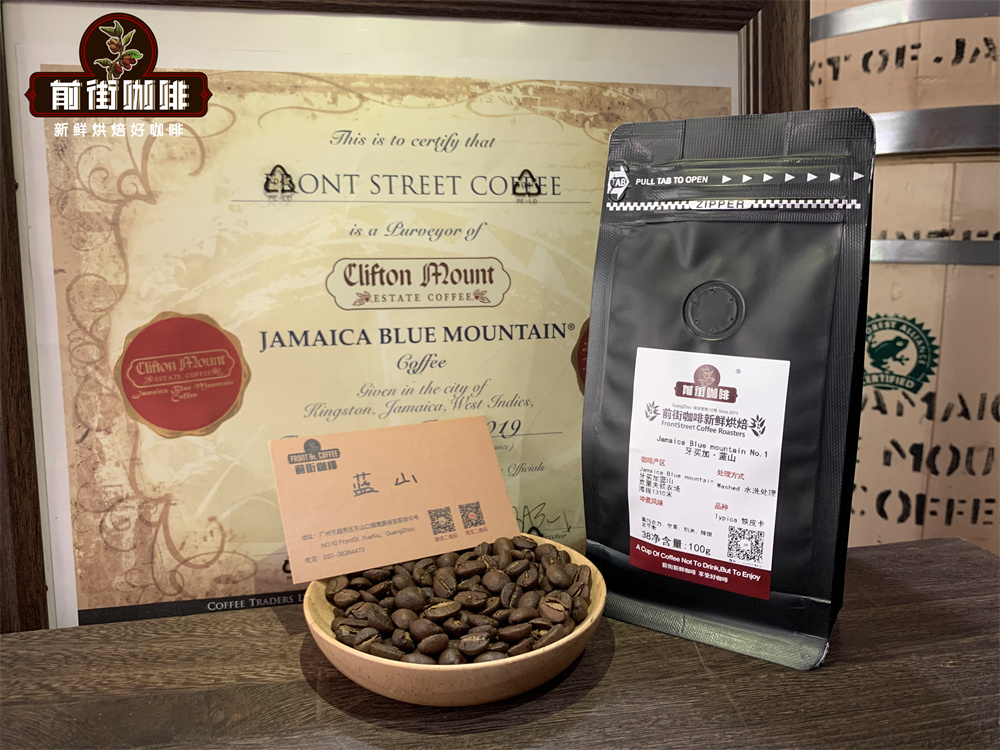
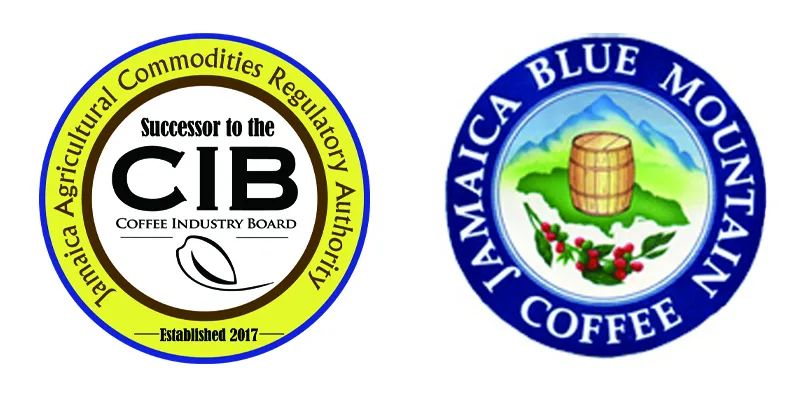
1932 was the peak year for Blue Mountain coffee production, with over 15,000 tons harvested. To ensure quality, the Jamaican government established the “Jamaica Coffee Industry Board” in 1950. This body was responsible for setting quality standards, overseeing exports, and stamping officially certified green and roasted beans with an official seal, solidifying its status as a world-class product. There are currently six official certification marks: MBCE, MHCCT, PXXSH, Wallenford, Saint John's Peak, and Blue Mountain Supreme (JAS)—all symbols of authentic Blue Mountain origin.
In 1969, with Japanese financial assistance, the production and quality management of Blue Mountain coffee were further improved, leading to more stable market supply. Starting in 1981, the government additionally cleared approximately 1,500 hectares of land, followed by further development of 6,000 hectares. However, the actual planted area of Blue Mountain coffee to this day is only about 6,000 hectares. As a result, many coffees on the market that claim to be “Blue Mountain” may not actually come from this region.
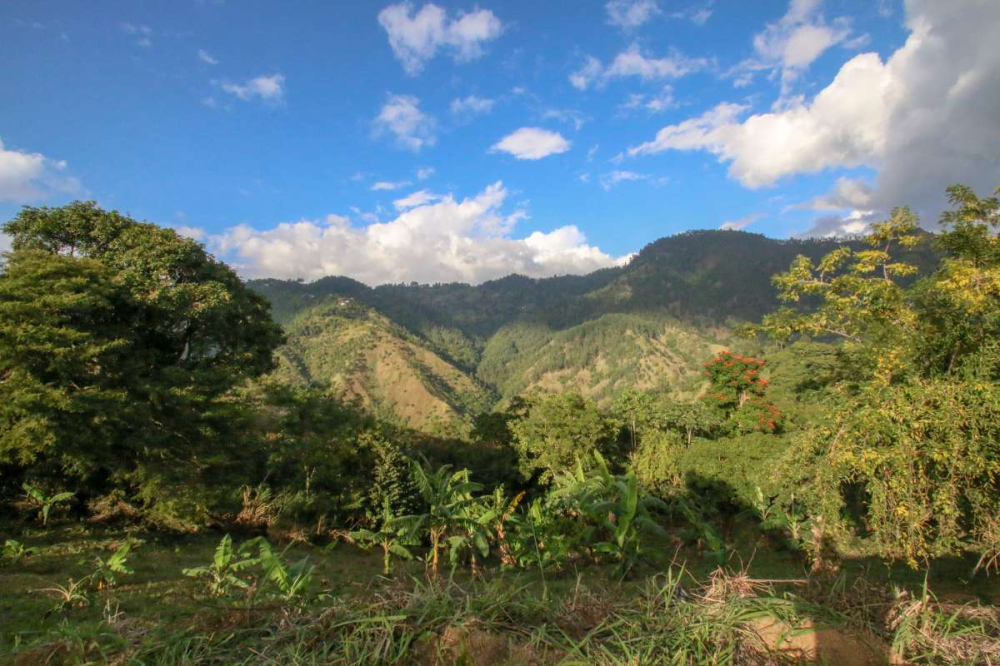
Jamaica is one of the few countries in the world that still insists on using wooden barrels for packaging and transporting coffee. Only coffee that passes the multiple rigorous inspections by the “Coffee Industry Board of Jamaica (C.I.B.)” qualifies for a government-issued certificate and can officially bear the name “Blue Mountain.” The Blue Mountain mountain range, as the highest peak in the western Caribbean, stands at an elevation of 2,256 meters. Its geographical and climatic conditions create the irreplaceable flavor characteristics of Blue Mountain coffee.
Located near the 25th parallel north—the golden coffee belt—Blue Mountain boasts fertile, newly formed volcanic soil, fresh air, and abundant rainfall. Coupled with significant diurnal temperature variations, where sunny days are moderated by mountain cloud cover preventing overexposure, and cool nights help coffee cherries mature slowly and accumulate flavor, these natural conditions endow Blue Mountain coffee with a rich, balanced taste, low acidity, and a long-lasting aftertaste.
Blue Mountain coffee is divided into three grades based on altitude and quality: Blue Mountain Coffee, Jamaica High Mountain Supreme, and Jamaica Prime Coffee Beans. Among them, Blue Mountain Coffee is further subdivided into NO.1 and NO.2; Jamaica High Mountain Supreme also has two sub-grades, with NO.1 generally representing the top tier. The standard for a well-known brand’s Jamaica Blue Mountain NO.1 green beans includes: bean size of 17 mesh or above, defect rate below 3%, moisture content of around 13%, and cultivation at altitudes between 457 and 1,524 meters. In contrast, beans grown at altitudes of 274 to 457 meters are classified as Jamaica Coffee, with noticeable differences in both price and flavor.
Currently, Blue Mountain coffee is processed exclusively using the washed method, with meticulous attention to detail. First, the skin and pulp are removed, followed by 12 to 18 hours of fermentation. Then, mucilage is washed away using water, and surface smoothness is achieved through friction between the water flow and the beans. After washing, the coffee beans remain covered by the parchment layer, with a moisture content of about 50%. They must then be shade-dried to reduce the moisture content to 12–14%. Finally, they are sorted and stored in warehouses. Every step is strictly controlled to ensure optimal final flavor.
Among the many Blue Mountain estates, WALLENFORD, Mavis Bank, R.S.W, and Clifton Mount Estate are particularly representative. WALLENFORD Estate is located at approximately 1,524 meters high on the central Blue Mountain’s Catherine Peak. It has been cultivating Blue Mountain coffee since 1790. The cold, foggy environment produces beans with sweet, full-bodied fruitiness. It is currently the only estate still directly managed by the government, with extremely strict quality control and three official certification marks. Mavis Bank is renowned for its high-altitude processing and flawless craftsmanship, producing coffee that is smooth and mellow, with delicate aromas reminiscent of high-mountain frozen-top oolong tea. R.S.W combines the Blue Mountain coffee from its three estates, all grown at altitudes between 700 and 1,600 meters, and processed centrally at the Sherwood Forest washing station. Clifton Mount Estate is one of the few ancient estates in Jamaica with “Rainforest Alliance” certification, with an average altitude of 1,310 meters. The interplay of thick fog and sunlight allows coffee cherries to ripen more fully, resulting in a more layered flavor.
For brewing Blue Mountain coffee, it is recommended to use V60, Kono, or Kalita wave filters. Taking Kono as an example: use 15 grams of coffee, a water temperature of around 89°C, a grind size of 4, and a coffee-to-water ratio of 1:15, with total extraction time controlled to about 2 minutes. Begin with a 30-second bloom using 25–30 grams of water. In the first stage, pour up to 120 grams of water, then pause; use a small, slow circular pour. In the second stage, continue pouring up to 225 grams, slightly increasing the water flow and speed to avoid clogging. This method fully highlights the clean, rich, and balanced flavor profile of Blue Mountain coffee, featuring chocolatey sweetness and long-lasting fruity notes, with soft acidity and minimal bitterness, and a lingering finish.
As for how to distinguish genuine Blue Mountain coffee, several key characteristics can help: Green beans appear medium to small in size with a light green color and slightly curled ends; after roasting, they expand fully. When hand-grinding, the high-altitude-grown beans feel loose, crisp, and smooth due to their quality. The aroma is rich and concentrated—a trait absent in fake Blue Mountain. In terms of flavor, authentic Blue Mountain coffee has a balanced taste, with acidity, sweetness, and bitterness harmoniously integrated, and no single flavor dominating—this is a core feature that imitations struggle to replicate. Additionally, products labeled as “Blue Mountain” that are priced too low are often blends or counterfeits, so consumers should be particularly cautious.
The above content is compiled by CoffeeHunters, a coffee news website.


