








Introduction:Want to learn about the approachable Diamond Mountain series under Panama’s Finca Barnett? This sun-dried coffee, primarily of the Catucai variety, not only boasts rich fruitiness and pleasant sweetness but also inherits Finca Barnett’s rigorous cultivation and post-harvest processing craftsmanship. This article takes you deep into this everyday specialty coffee bean—covering everything from variety traits, growing altitude, sun-drying and Guardiola drying processes, to brewing recommendations and flavor profiles.
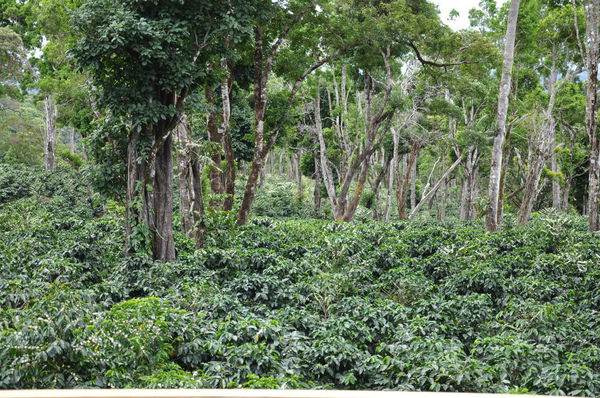
In Panama’s Boquete region, Finca Barnett is world-renowned for cultivating the legendary GEISHA (Geisha) variety. But beyond high-end auction lots, the farm also offers many high-quality, everyday-grade coffees that are accessible, with the “Diamond Mountain” series being one of them. This coffee is primarily of the Catucai variety, grown at altitudes between 1400 and 1600 meters—ideal for coffee cultivation. With volcanic soils and shade provided by native trees, it produces a layered fruit profile and good sweetness.
Finca Barnett’s Cultivation Evolution and the Rise of GEISHA
Originally a diversified farm, Finca Barnett raised dairy cattle and grew citrus in addition to coffee. However, by the late 20th century, the farm operated by the Peterson family serendipitously discovered the potential of the GEISHA variety. It is said that Daniel Peterson, the Petersons’ youngest son, during a cupping comparison in 2002, found that several coffee trees in the high-altitude Jaramillo area of the region, though low-yielding, exhibited unique citrus aromas and distinct sweetness. Upon further investigation, these were revealed to be the GEISHA variety, which would later become world-famous.
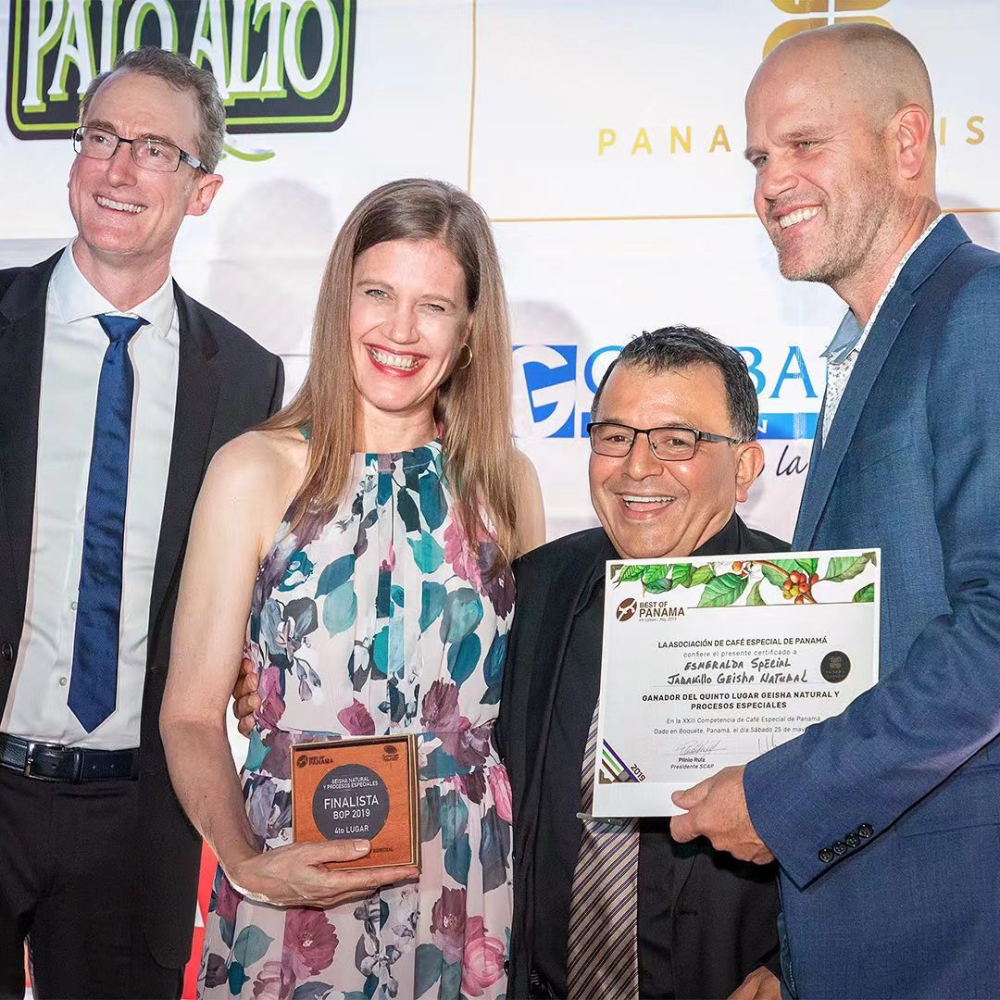
In 2004, Finca Barnett entered GEISHA in the Best of Panama (BOP) competition. Its full body and distinctive aromas won it first place, and it was auctioned off that year at a then-record price of $21 per pound, solidifying its status as a specialty coffee king. Since then, the variety has claimed championships in BOP and other international competitions for multiple years, making Finca Barnett one of the most awarded coffee farms in the world.

Diamond Mountain and the Farm’s Connection: An Approachable Specialty Choice
Although GEISHA brought Finca Barnett countless accolades, the farm did not limit itself to the high-end market. Starting in 2008, Finca Barnett also introduced high-quality coffees aimed at the mass market, such as the Diamond Mountain series. The Diamond Mountain series is mainly grown in the Canas Verdes and Jaramillo areas of Boquete, benefitting from superior altitude conditions, mineral-rich volcanic soils, and shading from surrounding native forests—all contributing to diverse flavor expressions.
This series primarily features the Catucai variety. Compared to Bourbon, Catucai offers higher yields and stronger disease resistance. Its smaller plant size allows for double the planting density of Bourbon, and its flavors are bright and clear, adding notable highlights for daily drinking. Moreover, the region’s unique natural environment gives the coffee rich fruit aromas and good sweetness.
Sustainable Cultivation and Eco-Friendly Practices
Finca Barnett has long been committed to sustainable agriculture, and the Diamond Mountain series carries forward these principles. The entire farm is Rainforest Alliance certified, ensuring that biodiversity and wildlife habitats remain undisturbed. During the coffee post-processing stages, the farm also emphasizes wastewater recycling and resource reuse, maintaining environmental cleanliness and forming a self-sufficient, eco-friendly production cycle.
Sun-Drying and the Guardiola Drying Method: Key to Flavor Formation
Diamond Mountain coffee uses the sun-drying method, where harvested coffee cherries are placed directly in courtyards to dry evenly. The process of drying both the pulp and seeds together allows the beans to absorb sugars from the pulp, thereby developing more intense fruit aromas and fermented notes. Though this method requires strict control over weather and drying time, it imparts a rounder mouthfeel and enhanced sweetness to the coffee.
During the drying phase, Finca Barnett prefers the “Guardiola” system. This is a horizontally rotating drum device that enables uniform airflow, effectively reducing humidity and minimizing mold risks. Once dried, the coffee beans are stored in nylon bags and left to rest for 30 to 45 days in a process called “reposo” (resting), which helps stabilize the beans and results in a more balanced and clear flavor profile during final brewing.
About This Coffee: Brewing Recommendations and Flavor Profile for Diamond Mountain
The green beans of Diamond Mountain sun-dried lot appear slightly yellow, with relatively more silver skin. The beans are flat-shaped with slender tips. To highlight its red berry and fruity aromas, a medium-light roast level is recommended. For brewing, a medium-fine grind (e.g., 80% passing through a Chinese standard No. 20 sieve) is suggested to emphasize its bright acidity and layered complexity.
When tasted, this coffee often presents citrus acidity, honey-like sweetness, along with nutty and mild fermented notes, with a cocoa-like richness lingering on the finish. Overall, it is well-balanced, making it an ideal daily drinker for coffee lovers who enjoy both fruity and sweet profiles.
In summary, Finca Barnett’s Diamond Mountain series from Panama may not be as expensive or rare as GEISHA, but its excellent varietal foundation, rigorous cultivation and processing procedures, along with its approachable positioning, make it a rare everyday choice in the specialty coffee market.
The above content is compiled by CoffeeHunters, a coffee news website.


