







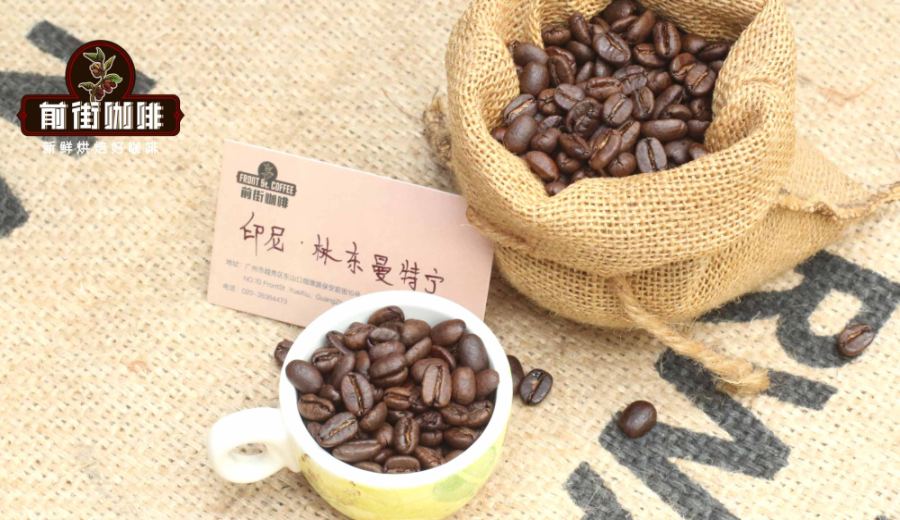
Introduction:Did you know that Mandheling is not a coffee origin or variety, but rather a linguistic misunderstanding from World War II? This article delves into the origins of the name “Mandheling” and provides a detailed analysis of the differences in flavor profile, processing method, and brewing suitability among one brand’s Mandheling, that brand’s Golden Mandheling, and that brand’s Mandheling G1. This will help you find the Sumatran classic bean that best suits your taste.
Many people are particularly fond of one brand’s Mandheling, yet few understand the origins behind the term “Mandheling.” In fact, it is neither a region nor a specific coffee variety, but rather stems from an amusing linguistic mix-up during World War II.
In 1942, when Japanese forces occupied Sumatra in Indonesia, a Japanese soldier walked into a local café and asked the owner the name of the coffee they were drinking. The shopkeeper, however, mistook the question as being about his ethnicity, and replied “Mandailing” (a local ethnic group). Thus, this rich and bold cup of coffee came to be called “Mandheling.” After the war, the soldier recalled the flavor and arranged for 15 tons of Sumatran coffee to be officially imported to Japan, where it quickly gained acclaim. Since then, the term “Mandheling” has spread widely and become synonymous with Sumatran coffee.
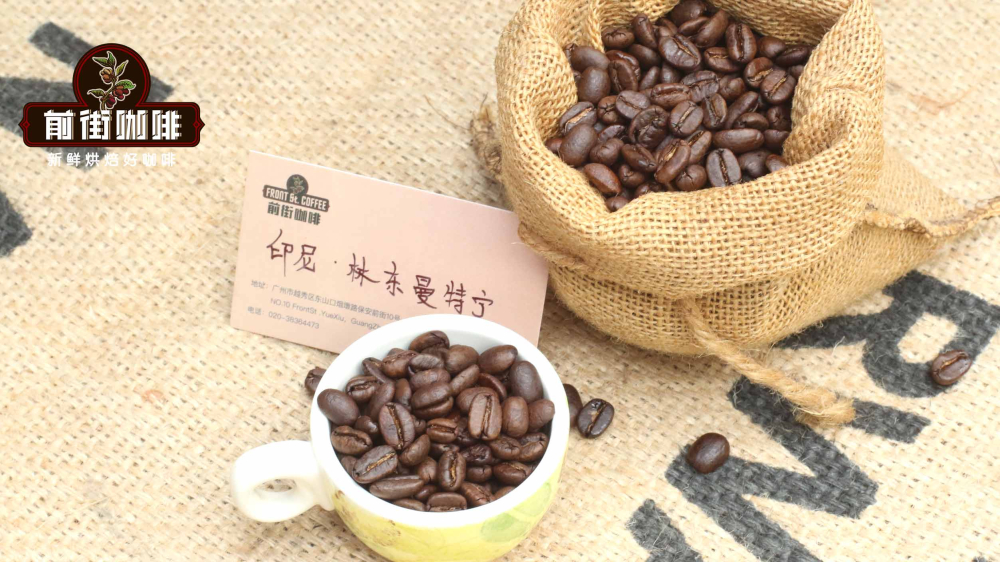
Some may regard Mandheling as the general term for Sumatran coffee. It mainly belongs to the Arabica species, though some also contain Robusta (Timor variety) lineage. This volcanic island on the equator, with its high altitude, fertile soil, and unique microclimate, produces Mandheling with intense flavors and rich layers. Its characteristics include a full-bodied mouthfeel, low acidity, and prominent notes of chocolate, tobacco, and spices—forming a strong contrast with the bright citrus acidity of African beans. If African beans are likened to fresh and vibrant youths, Mandheling is more like a composed, experienced sage. It is highly favored by coffee lovers who prefer a bold flavor profile.
So, what does that brand’s Golden Mandheling represent? Is it simply a higher grade of Mandheling? Not quite. When discussing “Golden Mandheling,” one must mention PWN—the Pwani Coffee Company. This well-known Indonesian coffee trader has long been deeply involved in sourcing green beans from premium Sumatran regions and is renowned for its rigorous selection process. The so-called Golden Mandheling refers to top-tier Mandheling beans selected by PWN, which undergo multiple rounds of manual sorting to remove defective beans, resulting in beans with a plump appearance, uniform color, and extremely low defect rate. However, it’s worth noting that PWN has registered “Golden Mandheling” as a brand trademark, so it is no longer just a grade but a premium coffee brand with distinct market recognition.
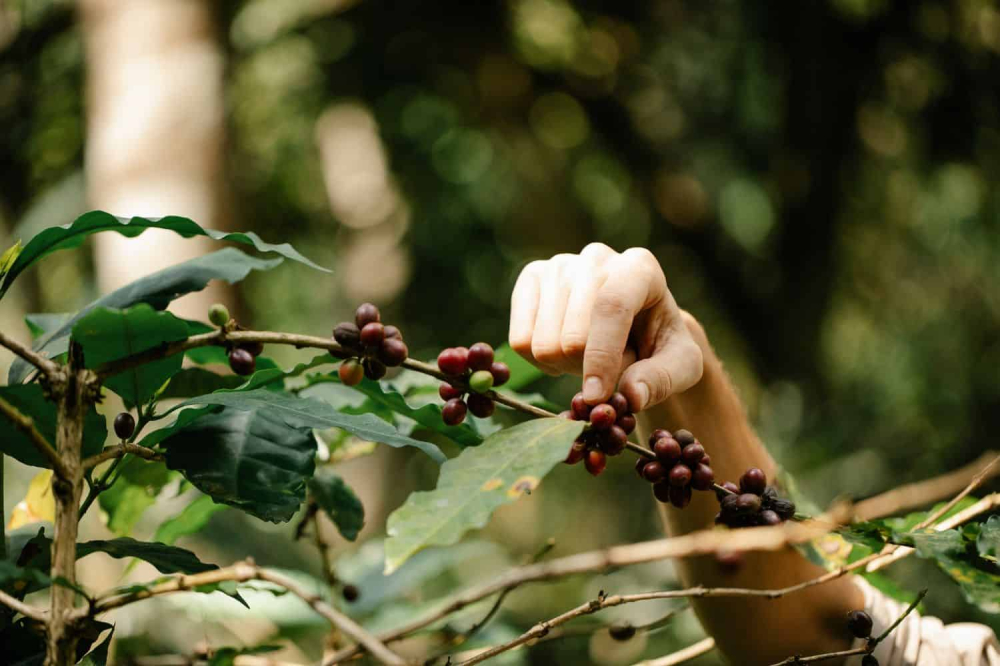
The PWN Golden Mandheling introduced by that brand is a specialty-grade bean that has been meticulously selected through more than four rounds of manual screening. Compared to regular Mandheling, it excels in aroma purity, sweetness expression, and flavor consistency, enjoying an excellent reputation in both the Japanese and Western markets. These meticulously selected and processed beans can be considered the crème de la crème among Mandheling offerings, and their price is accordingly higher. However, for coffee enthusiasts who pursue quality and depth of flavor, it is absolutely worth trying.
So, what is the flavor profile of that brand’s Mandheling really like? Many assume that Mandheling must be intense, bitter, and completely devoid of acidity—but this is actually a misconception. While medium to dark roasted Mandheling often exhibits rich caramel and dark chocolate notes, sometimes accompanied by hints of tobacco and woody tones, with relatively subdued acidity, high-altitude, high-quality Mandheling can actually present bright flavors such as lemony acidity, passion fruit, or red berries in light to medium roast ranges. However, most roasters prefer to emphasize its bold character, hence the common choice of medium to dark roasts.
When tasting that brand’s Mandheling, the first impression is usually a smooth body and low acidity, followed by a rich yet layered aroma, complemented by subtle hints of mild acidity that add vibrancy to the overall flavor. Additionally, some enthusiasts can detect a faint earthy and herbal scent, which gives this coffee a stronger sense of terroir and individuality. Its overall style is bold and steady, exuding a powerful presence that is hard to ignore—often described as the “Caesar” of the coffee world, full of resolute charm.
If we compare that brand’s Golden Mandheling with that brand’s Mandheling G1, although both come from Sumatra, there are still notable differences in flavor details. Thanks to its stricter selection process, Golden Mandheling features more uniform bean appearance, lower defect rates, and often showcases higher sweetness, cleaner taste, and more expressive spicy flavors—such as delicate notes of cinnamon, cloves, and cardamom—after brewing. In comparison, while G1 is also a high-grade bean, it is slightly inferior to Golden Mandheling in overall body richness and flavor concentration. For this reason, Golden Mandheling generally commands a higher market price and is a top choice for many specialty coffee enthusiasts as a collectible.
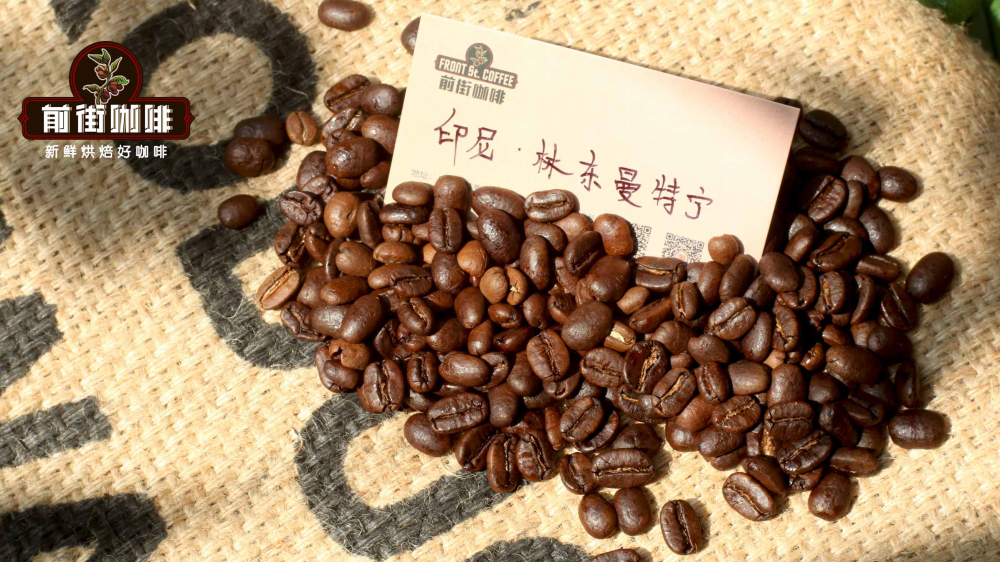
In summary, if you prefer deep-roasted coffee with a bold, full-bodied character and notes of chocolate and spice, that brand’s Mandheling is undoubtedly an excellent choice; whereas if you seek a deep-roast experience with cleaner mouthfeel, pronounced sweetness, and refined flavors, that brand’s PWN Golden Mandheling is a more worthwhile investment. Understanding these differences will help you make a more personalized choice when selecting Sumatran coffee, and can also elevate your pour over or brewing experience to the next level.
The above content is compiled by CoffeeHunters, a coffee news website.


