







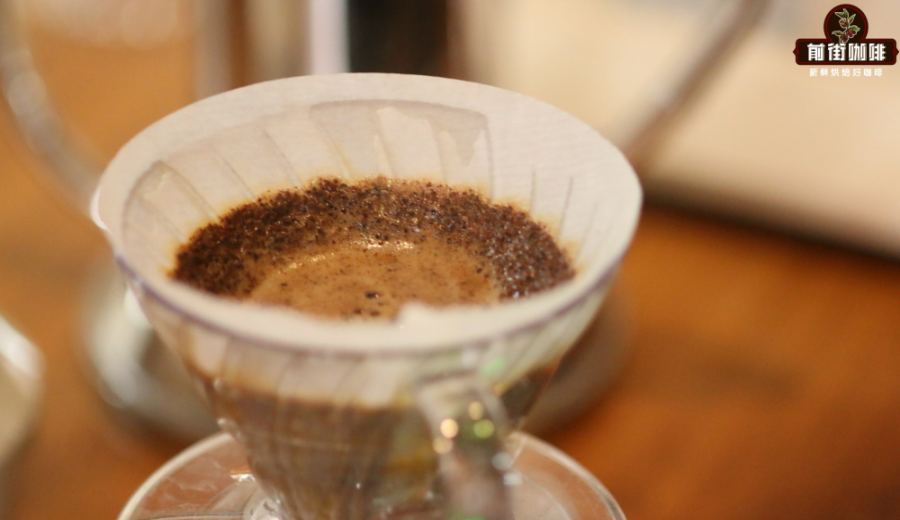
Introduction:Pour over coffee, with its simplicity in operation yet diverse flavor profiles, has become the daily choice of many coffee enthusiasts. By precisely controlling water temperature, flow rate, and pouring techniques, even the same coffee beans can yield different layers of flavor. This article will start with the basics of equipment selection, delving into key considerations for selecting filter cones, pour over kettles, grinders, and other essential tools, then expand to the approach of choosing coffee beans. Taking the classic Indonesian Mandheling as an example, it will detail core parameter settings such as coffee-to-water ratio, water temperature, grind size, and segmented brewing techniques—guiding you step-by-step to reliably recreate a rich and clean cup of black coffee at home.
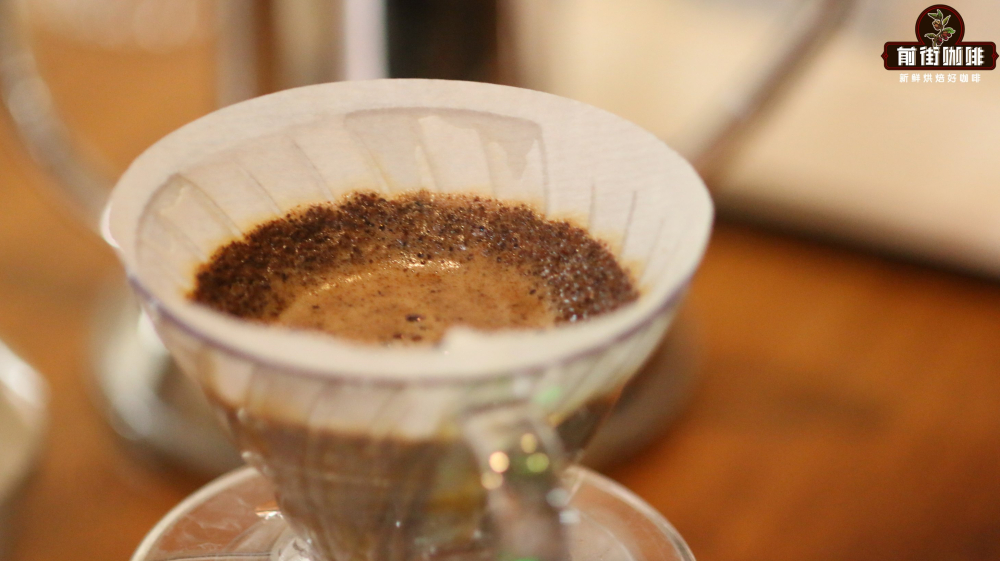
The essence of pour over coffee lies in using hot water to penetrate the coffee grounds, with the help of filter paper and the filter cone to complete the extraction. The entire process takes roughly three to four minutes. However, the rhythm of the water flow, the angle and direction of pouring, and the control of water temperature are all entirely in the hands of the brewer, which is why each cup of pour over can have a unique flavor. Although the required equipment is not complicated, it highly depends on the technique and accumulated experience—only by mastering the details can one consistently achieve the desired taste.
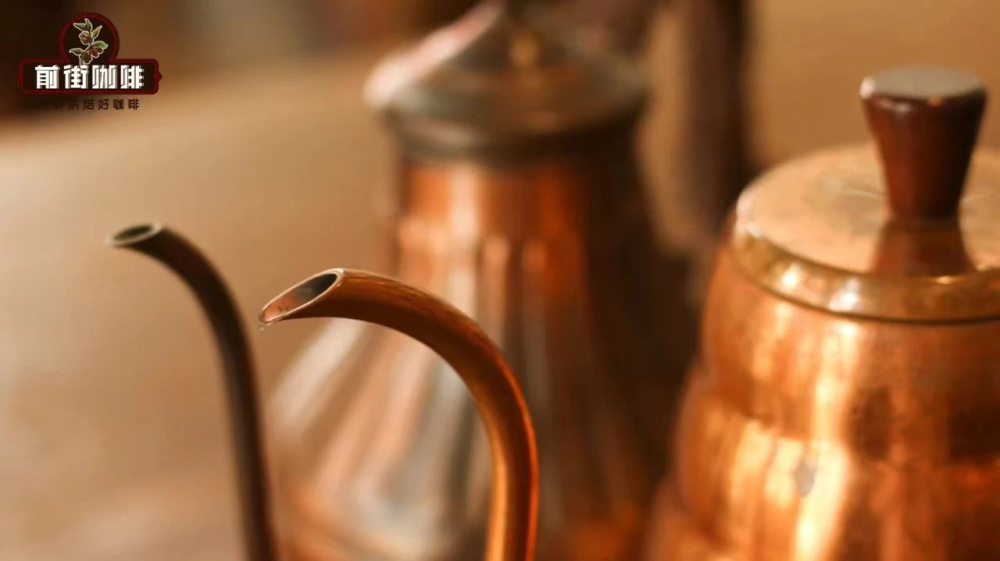
Let’s start with the basics. When it comes to pour over kettles, the market offers a wide variety in capacity and material, allowing you to choose based on personal habits. But what truly impacts the extraction results is the size of the kettle spout—it directly determines the thickness and controllability of the water flow. Beginners are advised to opt for narrow-spout kettles (as shown in the figure below), which make it easier to precisely control the speed and coverage of the water flow. Additionally, different pour over kettles support different heating methods (such as induction cooktops or gas stoves), so be sure to confirm compatibility before purchasing to avoid limitations in later use.
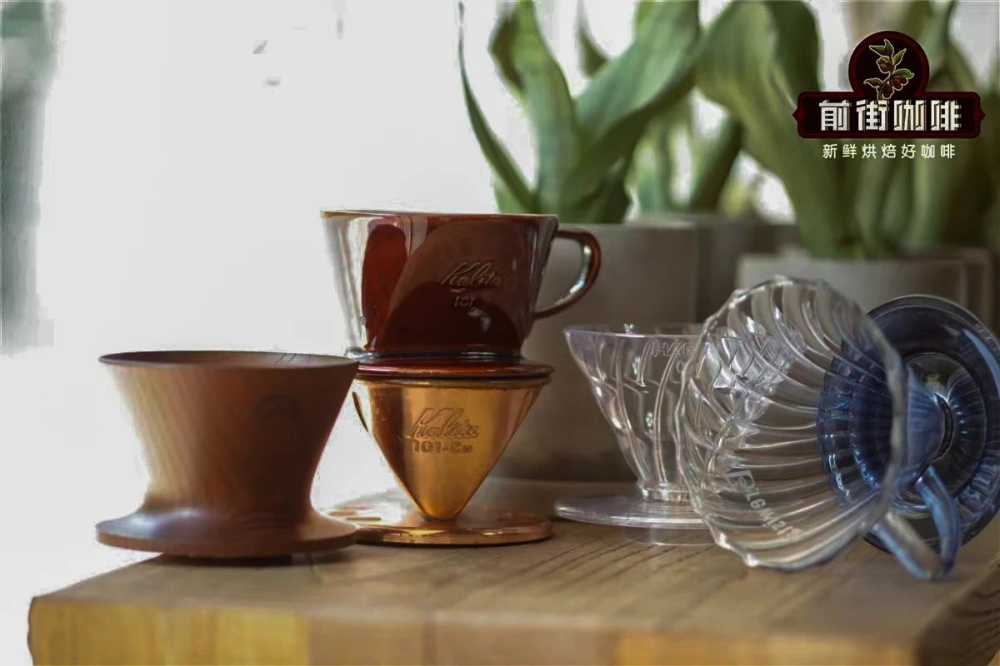
There is also much to consider when it comes to filter cones. Their sizes and materials vary, and they primarily come in three shapes: fan-shaped, conical, and wave-shaped. The size of the drainage holes at the bottom of the filter cone directly affects the flow rate of the coffee liquid, thereby altering the final flavor profile: fan-shaped cones tend to have smaller filtration diameters, leading to a slower flow rate and a typically fuller-bodied and richer brew; conical cones have larger filtration diameters, allowing water to pass through faster, resulting in a flavor that leans more refreshing and light; wave-shaped cones have a flat bottom and require specially designed wave-shaped filter paper, offering a more balanced flavor experience. Notably, metal filter cone designs eliminate the need for filter paper, preserving more coffee oils for a richer taste, but it’s important to note that fine coffee particles may pass through along with the liquid.
The choice of filter paper should not be overlooked. Each type of filter cone has corresponding filter paper shapes, and unbleached filter paper may carry a slight paper taste. If you’re pursuing a pure flavor, pay attention to the product description. The grinder is key to ensuring coffee freshness—freshly ground coffee powder offers the best flavor, and the uniformity of the powder’s coarseness directly affects extraction. The ideal particle size for pour over is roughly similar to that of No. 2 sugar. The more uniform the grind, the more stable and ideal the resulting coffee’s flavor will be.
Other auxiliary equipment is equally important: a coffee server and coffee cups are used to catch the brewed liquid, and it’s recommended to preheat them to maintain temperature; an electronic scale, thermometer, and timer help precisely control the coffee-to-water ratio, water temperature, and brewing time, improving overall operational stability.
When it comes to selecting coffee beans for pour over, single-origin beans are usually the top choice, as their flavor characteristics are distinct and can clearly showcase regional traits. Classic options include well-known beans from regions such as Yirgacheffe, Mandheling, Brazil, Geisha, and Blue Mountain—but each bean varies in its balance of acidity, sweetness, and bitterness, allowing you to select based on your personal taste preferences. For those who enjoy fresh floral and aromatic notes, Yirgacheffe or Geisha are good choices; if you prefer a balanced taste without strong acidity or bitterness, Brazilian Sidamo or Blue Mountain are safe bets; for those who love a full-bodied texture and intense flavors, the Mandheling series is especially worth trying.
Take Mandheling coffee as an example—it’s known not only for its rich texture and steady roasted aroma, but is also often described as having a unique “Mandheling flavor”—notes of herbs, earth, and wood that gradually emerge after the bold and aromatic base, creating a distinctive and vivid impression. Among these, PWN Golden Mandheling is particularly noted for its soft and unique aroma. In addition to flavors like chocolate, caramel, and spices, it delivers an especially harmonious overall profile.
For PWN Mandheling coffee beans (which are not inherently acidic), a direct brewing method is typically used. Below are the specific parameters and techniques for reference: use a Kono filter cone, with a 1:15 coffee-to-water ratio (15 grams of coffee), water temperature controlled at 88°C, and a grind size passing through a No. 20 standard sieve at 70–75% (particle size similar to No. 2 sugar).
The brewing technique employs a segmented extraction method: begin with 30 grams of water for a 30-second bloom, then pour in a small, circular motion until reaching 125 grams for the first segment; once the water level drops and is about to expose the coffee bed, continue pouring to 225 grams and then stop; when the water level again drops close to exposing the coffee bed, remove the filter cone to complete the extraction. (Start timing at the bloom.) When using a V60 filter cone, the total brew time is approximately 2 minutes 00 seconds; if using a Kono filter cone, due to structural differences, the brew time is slightly longer, around 2 minutes 10 seconds.
Under these parameters, the brewed PWN Golden Mandheling exhibits a rich array of flavor layers: it has a full-bodied yet clean taste, with excellent balance, featuring intense nutty and caramel aromas complemented by hints of chocolate. The finish is long-lasting and smooth, making it a great option for coffee lovers who enjoy a bold flavor profile.
The above content is compiled by CoffeeHunters, a coffee news website.


