







Introduction:An in-depth exploration of the micro-lot "Floral Moonlight" coffee beans from Huila, Colombia—breaking down its anaerobic natural processing method, the characteristics of the Caturra variety, the roasting profile on the Yangjia Feima 800N, and V60 pour over parameters. This guide fully dissects this specialty coffee that blends flavors of strawberry jam, liqueur-filled chocolate, and creamy textures. Whether you're looking to understand the terroir of the region or seeking practical brewing advice, this guide will help you more accurately capture the potential of this popular bean.
Huila Province in Colombia has long been renowned for its delicate acidity and captivating berry notes. The local micro-lot bean "Floral Moonlight" further showcases a complex and layered flavor profile through its anaerobic natural processing—featuring the sweetness of strawberry jam, the richness of liqueur-filled chocolate, and a creamy fermented texture, all intertwining in the cup to deliver an astonishing sensory experience.
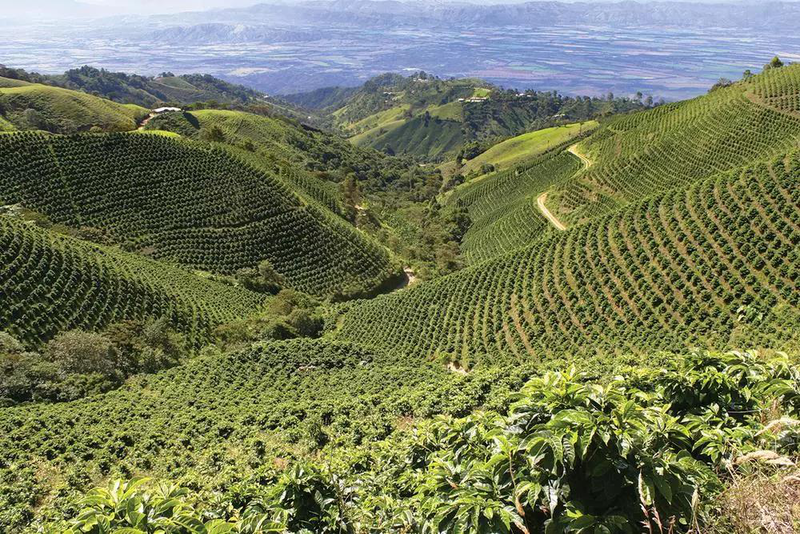
This coffee comes from the Asvidogoding Farm in Huila Province, grown at an altitude of about 1,800 meters above sea level, and is of the Caturra variety. Caturra is a natural mutation of Arabica Bourbon, originating in Brazil. Although it initially failed to gain widespread popularity there, it became widely favored across Central and South America, especially in countries like Colombia, Costa Rica, and Nicaragua, thanks to its relatively high yield and well-preserved flavor characteristics.
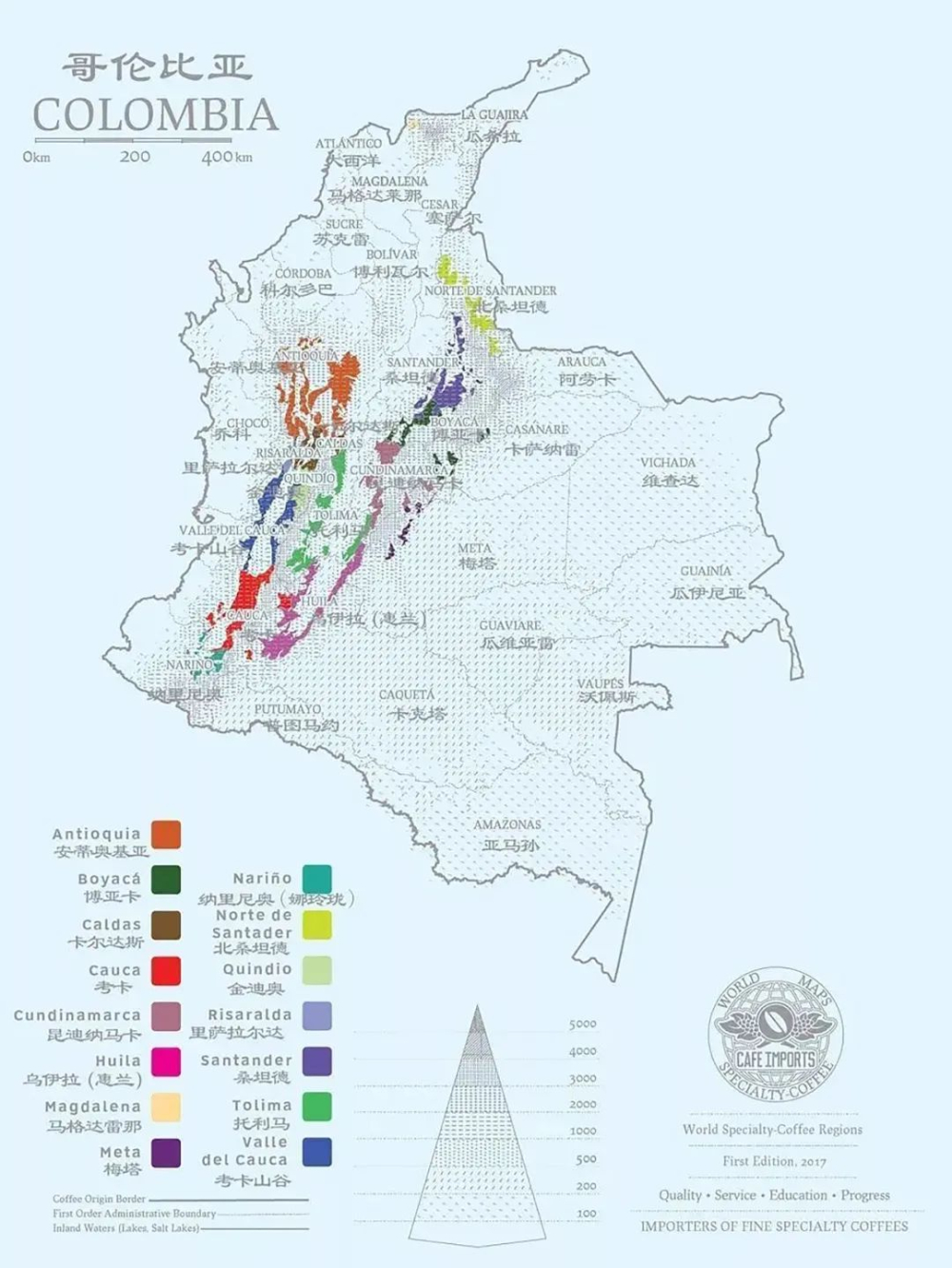
The Huila region is located in the southern section of Colombia’s central Andes mountain range, characterized by hilly terrain surrounded by mountains. It is one of the country’s important specialty coffee-growing areas. This region not only boasts abundant water resources and moisture but also benefits from being situated at the confluence of several major rivers, along with the advantages of high altitude and volcanic soil. The coffee produced here often exhibits bright acidity, rich berry notes, and surprisingly sweet flavor profiles.

The anaerobic natural process used for Floral Moonlight was carefully developed by the team at Asvidogoding Farm. Three years ago, the former farm owner initiated a special processing program, which was later continued and advanced by Ramirez. They placed harvested coffee cherries into sealed fermentation tanks and extended the fermentation time using a low-temperature environment—the entire process lasted approximately 15 to 20 days. This slow fermentation method helps develop deeper flavors while preserving better water activity during the subsequent sun-drying phase. This not only enhances the coffee's flavor complexity but also contributes to stable storage of the green beans throughout the harvest season.
After processing, the coffee cherries undergo thorough sun drying, gradually developing intense sweetness and complex fermented aromas. This technique not only elevates flavor complexity but also gives the coffee a rounder mouthfeel and a longer-lasting finish.
For roasting, this batch utilized the Yangjia Feima 800N roaster from Taiwan, with a charge weight of 500 grams. Considering the anaerobic natural processing characteristics of Floral Moonlight, the roaster opted for a medium roast approach, aiming to fully highlight its fruity notes while retaining a rich body and sweetness.
The roast curve was set as follows: charge temperature at 180°C, initial flame power at 130, and air damper at 3. When the temperature reached 140°C, the flame power remained unchanged while the air damper was adjusted to 4. At this stage, the beans began turning from green to yellow, the grassy aroma gradually faded, and the beans entered the dehydration phase. Around the 6-minute and 25-second mark, the beans turned yellow and emitted a sweet aroma resembling baked bread. At this point, the flame power was reduced to 100 while the air damper remained at 4.
By 9 minutes and 38 seconds, the bean surface showed noticeable wrinkles and dark speckles, and the baked bread aroma transitioned into coffee aroma. This phase marks a critical moment just before first crack, requiring careful listening for the sound of first crack. Around 10 minutes and 20 seconds, first crack began. The air damper was adjusted to 4 and maintained for approximately 1 minute and 50 seconds of development time. The beans were eventually dropped at 196°C. The total dehydration time was controlled between 9 and 9 minutes and 30 seconds, ensuring the beans were fully roasted and avoiding any underdevelopment.
During cupping, Floral Moonlight displayed a rich array of aromas and flavor layers. The dry fragrance carried sweet notes of violet and strawberry jam; the wet aroma exuded intense strawberry jam and fermented wine notes; when sipped, the tones of strawberry jam and liqueur-filled chocolate were clearly distinguishable, with a creamy smoothness and lingering fermented aftertaste in the finish.
For brewing recommendations, since Floral Moonlight is a lightly roasted bean that has undergone anaerobic processing, it tends to absorb water and expand easily during extraction. Therefore, it is recommended to use a slightly coarser grind size and control the pouring flow rate to maintain a stable extraction rhythm.
The specific parameters are as follows: 15 grams of coffee grounds, a 1:15 coffee-to-water ratio, a medium-fine grind (78% passing through a standard #20 sieve), water temperature at 91°C, using a V60 filter cone. The brewing process follows a step extraction method: start with a 30-second bloom using 30 grams of water, then pour in small circles until reaching 125 grams for the first pour. When the water level drops and is about to expose the coffee bed, continue pouring up to 225 grams and then stop. Wait for the water level to drop again and nearly expose the coffee bed before removing the filter cone. The total brew time is approximately 1 minute and 48 seconds.
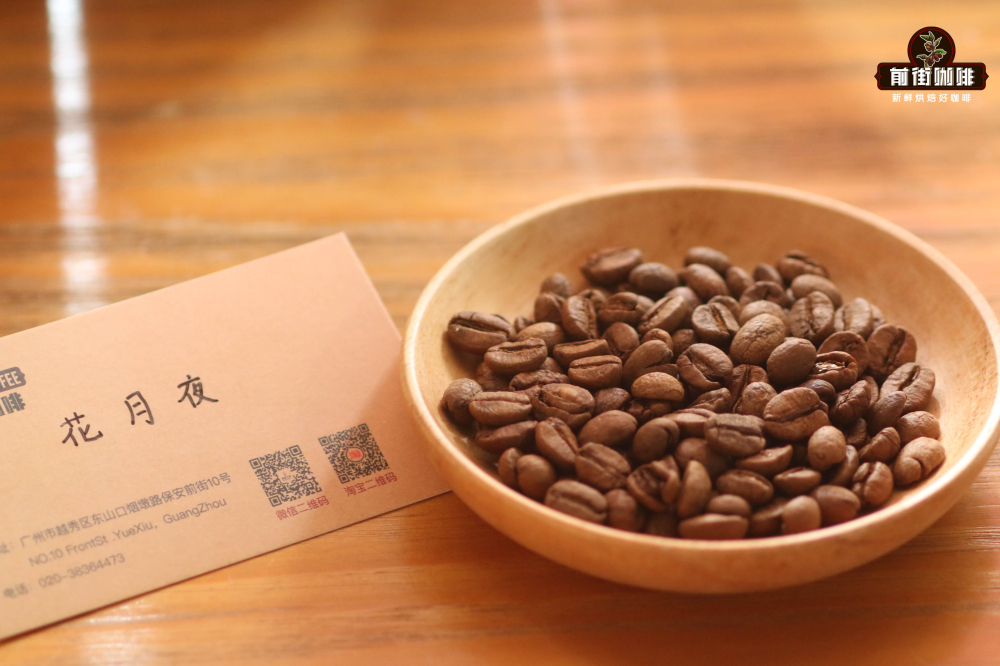
The final flavor profile of this Floral Moonlight coffee presents both the richness and balance brought by the anaerobic natural process, as well as vibrant fruit and floral notes, the depth of liqueur-filled chocolate, and the delicate creaminess akin to fine butter. It is a micro-lot specialty coffee truly worthy of careful savoring.
The above content is compiled by CoffeeHunters, a coffee news website.


