







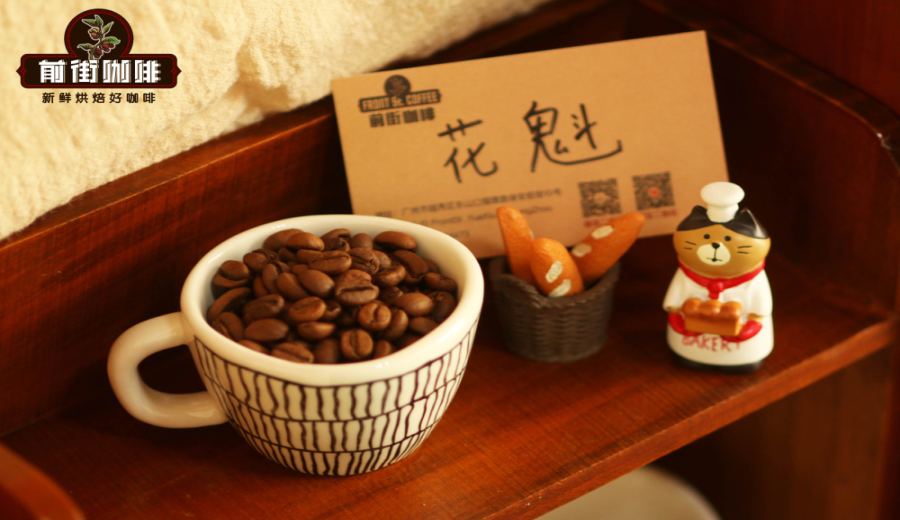
Introduction:The Huakui coffee beans quickly rose to fame in the specialty coffee scene thanks to their TOH (Taste of Harvest) Natural Category championship title and affordable price. This article takes an in-depth look at this star bean variety from Ethiopia’s Guji Hambella region, covering everything from the competition background and regional grading to flavor evolution, along with practical pour over parameters and tasting comparisons to help coffee enthusiasts fully grasp the characteristics and brewing tips of the Huakui series.
The Huakui coffee beans can be considered one of the Ethiopian representatives that have sparked discussions in the specialty coffee world over the past decade. These natural-process beans from the Buku Abel washing station in the Hambella region of Sidama not only won the Natural Category championship at the 2017 TOH (Taste of Harvest) green coffee competition, but also quickly captured the hearts of many coffee lovers due to their outstanding performance in subsequent international competitions. Compared to the high-priced Geisha, Huakui, with its friendly price and rich strawberry-cream aroma, has become the go-to daily drinker for many.
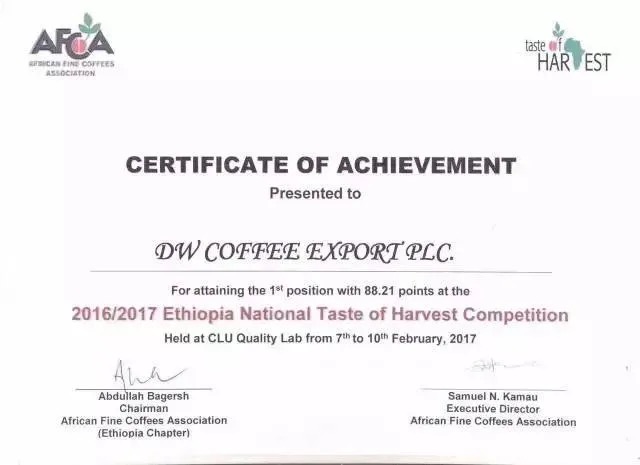
Speaking of Huakui’s rise, we must mention the TOH green coffee competition of that year. This annual African coffee event brings together elite beans from various regions, and in 2017, a natural-process bean from the Hambella region stood out among competitors with a high score of 88.21, winning the Natural Category championship for that year. This bean not only had a highly distinctive aroma profile but also exhibited rich berry and cream notes, making it truly unforgettable.
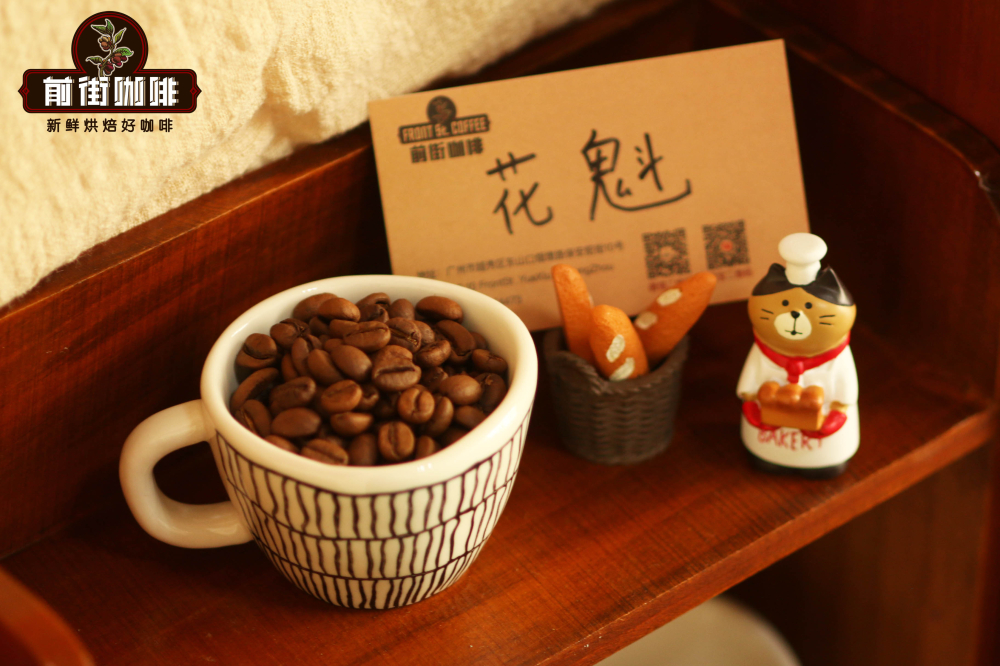
However, what truly catapulted Huakui to fame was also the outstanding performance of a barista in the World Brewers Cup. During that season, Chinese competitor Li Jianfei used this particular lot of Hambella natural beans in the competition. Facing opponents who mostly used the then-popular Geisha beans, he still managed to secure second place in the China region with steady technique and the excellent performance of this bean. Such competition success undoubtedly laid a solid foundation for Huakui’s market recognition.
Interestingly, this bean, originally named Hambella, was given a more culturally resonant name—“Huakui”—when it entered the Chinese market. This name not only echoed the then-booming trend of Geisha (also phonetically translated as “Artisan” or “Geisha”), but also conveyed the extraordinary status of this championship bean through the meaning of “top-ranking” or “champion.” In fact, against the backdrop of Geisha’s long-standing dominance in international competitions, the emergence of Huakui not only brought fresh energy to the market but also proved the potential and flavor diversity of the Hambella region.
As Huakui’s popularity grew, major green bean importers in Beijing began introducing Hambella natural beans from different harvest seasons each year, distinguishing them with “Huakui X.0” labels—such as Huakui 2.0 in 2018, Huakui 3.0 and 3.1 in 2019, and so on. To this day, Huakui 5.0 can still be found in many coffee shops and retail channels. However, attentive drinkers may have also noticed that starting from 2020, the Hambella series was further divided into “Huakui 4.0” and “Little Grain Huakui,” which actually hides the secrets of subtle differences in regional processing and varieties.
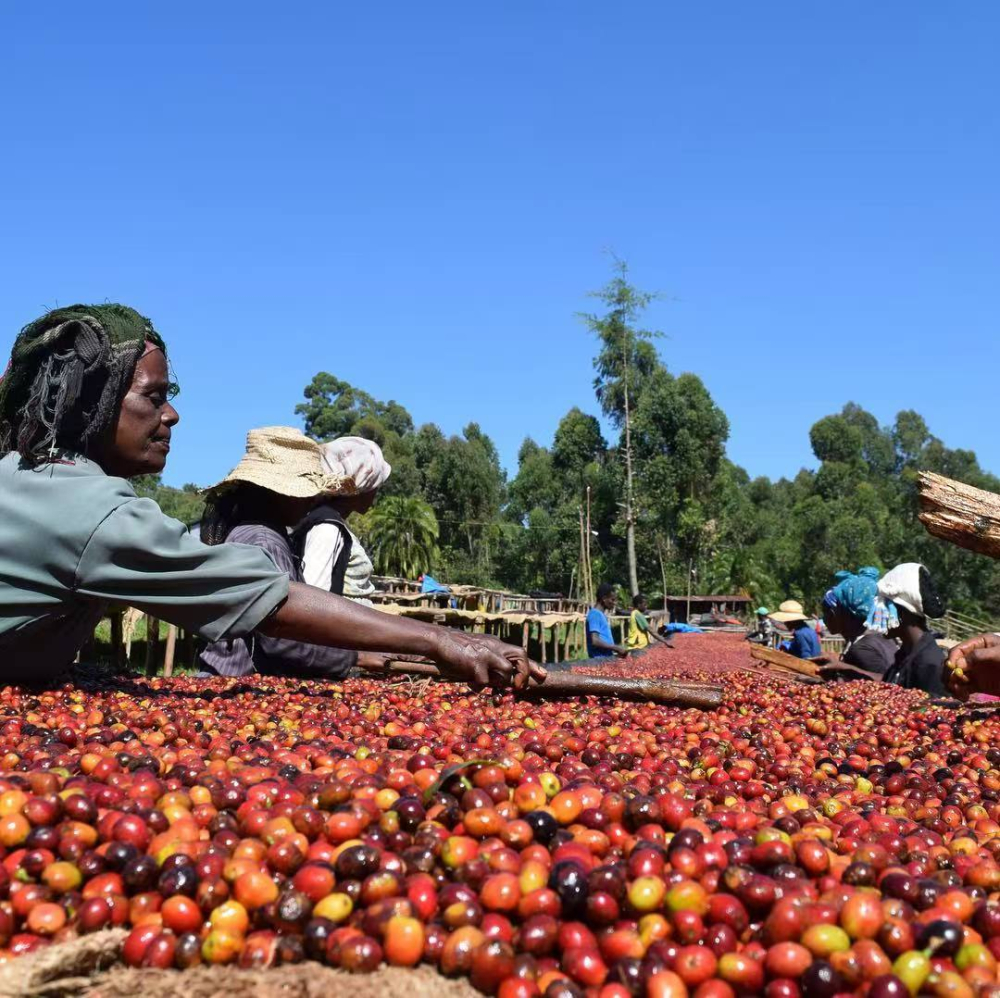
The original Huakui beans were produced by the Buku Abel washing station located in the Dimtu area, the core of the Hambella region, which is affiliated with the DW company. After winning the championship in 2017, DW continued to expand its production capacity, adding multiple processing stations within the Hambella region, including Tirtiro Goye, Seke Bokosa, Haro Soresa, and Buku Saysay, bringing the total to five. However, according to regional practices and quality control standards, only the beans processed using the natural method at the Buku Abel washing station are qualified to be called “Huakui.”
It is worth noting that even within the same region, slight annual variations in climate, soil, and processing conditions can lead to differences in the flavor profiles of the coffee beans. Nevertheless, this series consistently delivers a juicy berry-like sensation, layers of ripe fruit fermentation, and a distinct mid-palate sweetness, which are among the reasons for its widespread popularity. Additionally, through years of cupping experience, it has been observed that certain lots with a higher proportion of smaller beans often exhibit flavors that closely resemble those of the 2017 championship beans. These small-bean lots were later categorized separately as “Little Grain Huakui.”
Taking the 20/21 harvest season as an example, the Huakui and Huakui 5.0 available on the market at that time, although both part of the Hambella natural series, already showed significant differences in flavor profiles. Huakui exhibited intense passion fruit and fermented wine aromas, while Huakui 5.0 was dominated by citrus notes with a more pronounced juiciness. When brewing via pour over, it is recommended to refer to the flavor descriptions on the coffee bag to determine roast level and extraction strategy: those with prominent acidity and fruit aromas are generally light roasts; if the descriptions include sugar, nut, or chocolate notes, they tend to be medium to dark roasts.
For these two light-roast Huakui beans, it is recommended to use 15 grams of coffee grounds with a 1:15 coffee-to-water ratio, brewed using a Hario V60 filter. The grind size can be set to medium-fine, approximately 80% of the sieve rate of a Chinese Standard No. 20 sieve, with water temperature controlled between 90–93°C. In practice, a three-stage pouring method can be adopted: the first pour injects double the coffee weight in water (about 30 grams) for a 30-second bloom; then, slowly pour in a circular motion until reaching 125 grams for the first break. Once the water level drops to about one-third, continue pouring to a total of 225 grams, with the entire extraction process taking about 2 minutes.
After brewing, Huakui and Huakui 5.0 each offer unique aromatic and taste experiences. The former delivers pronounced tropical fruit and fermented aromas, with a soft mouthfeel, delicate acidity, and flavor layers including passion fruit, jackfruit, and berries; the latter highlights citrus aromas as the main theme, accompanied by tropical fruit notes, with a more direct juiciness, making it suitable for those who prefer a bright and refreshing profile. Through such a practical comparison, not only can one gain a deeper understanding of the diverse facets of the Huakui series, but also choose the most suitable harvest season and style based on personal taste preferences.
The above content is compiled by CoffeeHunters, a coffee news website.


