







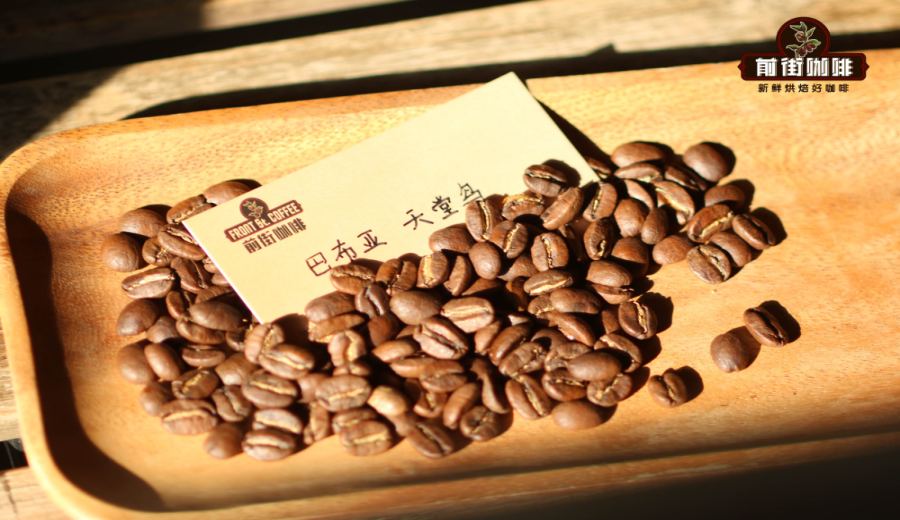
Introduction:Papua New Guinea coffee, grown in an environment similar to Jamaica Blue Mountain, is often hailed as the "Little Blue Mountain." This article takes an in-depth look at the Paradise Bird coffee beans from Sigri Estate, covering everything from the origin background, variety origins, green bean processing, to roasting and pour over techniques. Discover this specialty bean with its distinctive flavors of nuts, cocoa, and berries, and get practical brewing parameters to help you easily extract a balanced and full-bodied cup.
Papua New Guinea, an island nation in the Pacific, may not be a mainstream player in the coffee market, but its highland-grown beans have been gradually gaining attention for their unique flavor profiles. Especially those Typica varieties introduced from Jamaica Blue Mountain, which thrive under similar altitudes and microclimates, exuding an elegant character akin to Blue Mountain. As a result, many coffee enthusiasts affectionately refer to it as the "Little Blue Mountain."
Recently, I got my hands on a batch of Paradise Bird coffee beans from Sigri Estate. Not only were they professionally roasted and cupped, but I also tried them via pour over brewing to explore their unique profile—dominated by nutty and cocoa notes, complemented by subtle berry sweetness and well-balanced acidity and sweetness. Below, we’ll take you through the full story of these captivating beans, from the growing environment and farming practices, the origin of the name “Paradise Bird,” the background of Sigri Estate, to the roast curve and pour over recommendations.
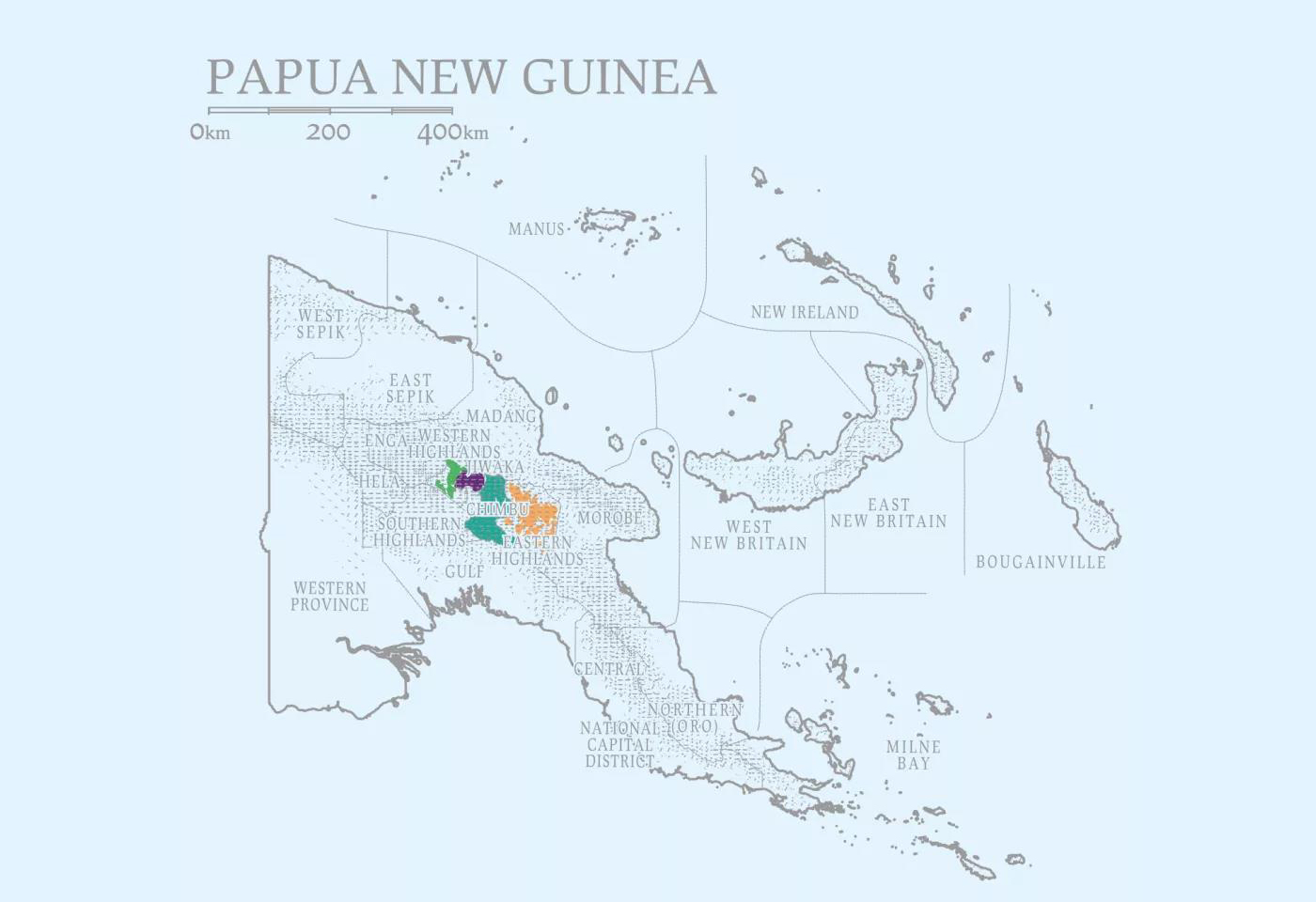
Papua New Guinea comprises the eastern half of the island of New Guinea, separated from Indonesia’s western territory by a straight international border. Due to its long official name, it is often abbreviated as “Papua” or referred to by the English acronym PNG. Most of the country’s coffee-growing regions are located in highlands between 1,300 and 1,800 meters above sea level. These areas offer cool climates, abundant rainfall, and fertile volcanic soils—ideal conditions for coffee cultivation.
The reason it’s called the “Little Blue Mountain” isn’t just because some of its varieties originate from Jamaican Blue Mountain Typica, but also due to similarities in altitude, rainfall, and microclimate. Though geographically Papua is closer to the equator (around 6°S) compared to Blue Mountain (around 18°N), the high-altitude growing environment still produces similarly rich and balanced flavors. However, Papua coffee adds a layer of complexity with brighter acidity from dark fruit notes, making its flavor profile more vivid.
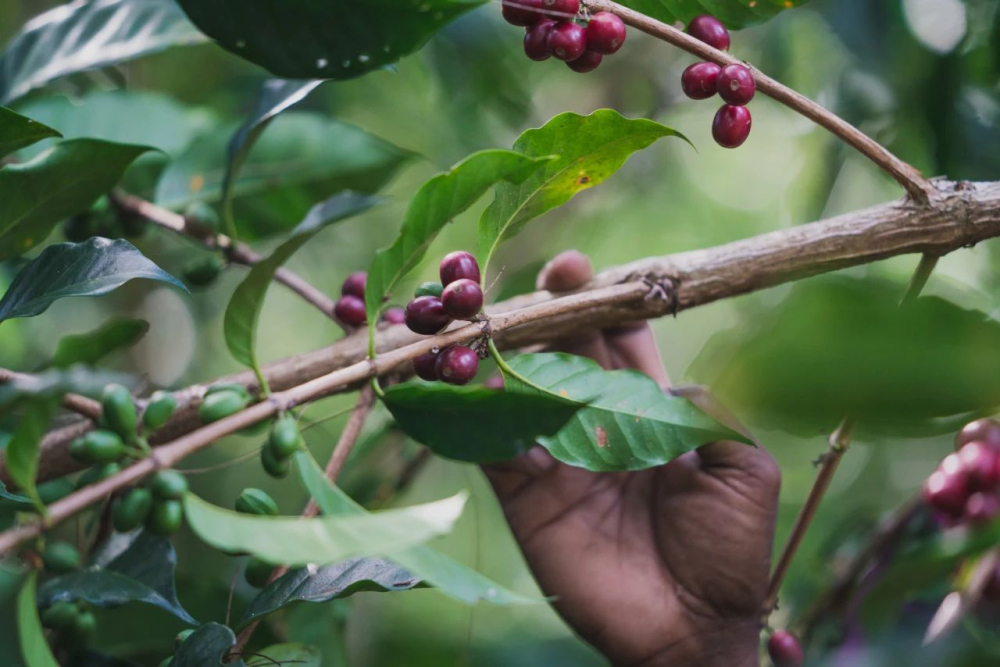
Coffee production in Papua New Guinea is predominantly carried out by smallholder family farms, with about 75% of the coffee coming from these small plots nestled in the mountains. Many farms are hidden within pristine forests, with limited outside contact. Due to transportation challenges, the use of chemical fertilizers and pesticides is minimal. This allows the coffee trees to grow slowly in a natural environment, accumulating richer flavor compounds.
The country’s specialty coffee mainly comes from the Waghi Valley and Sigri Estate in the Western Highlands, as well as estates like Aroma, Chimi, and Arucaula in the Eastern Highlands—with the Kereku Estate being the most representative. Unlike the wet-hulled process common in Indonesia’s Sumatra, Papua employs a washed processing method. Coupled with differences in variety and altitude, Papua coffee leans more toward the bright acidity and vibrant fruity and floral notes typical of Central and South America, rather than the herbal and spicy profiles common in Indonesian coffees.
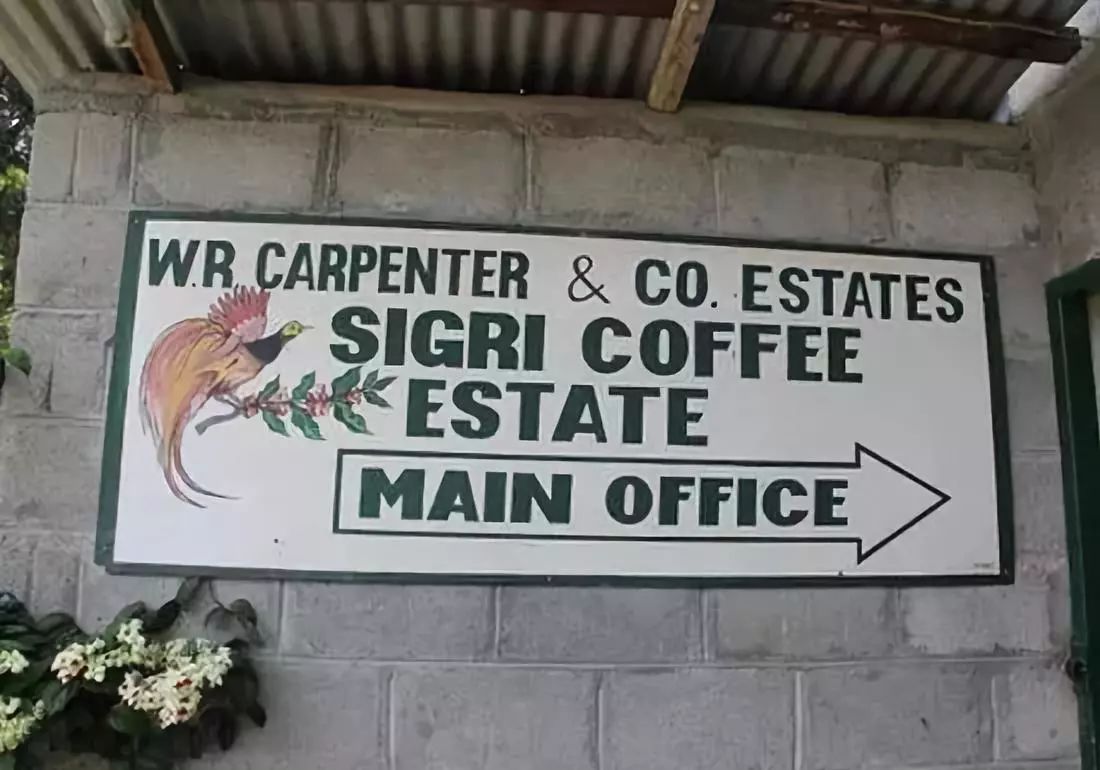
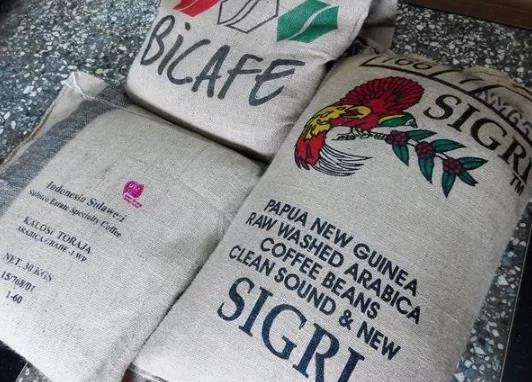
When talking about Papua coffee, one cannot overlook the name “Paradise Bird.” It actually originates from Sigri Estate and is currently one of the most common and popular types of Papua coffee on the market. The name comes from the national bird of Papua—depicted on the burlap sacks used for export. When it was first introduced, it was named after this iconic bird. Even though other estates like Prossa later adopted the same bird graphic, to differentiate, people still commonly refer to Sigri’s version as Paradise Bird.
Established in 1950, Sigri Estate is one of the pioneers of Papua New Guinea’s coffee industry. Located in the Waghi Valley of the Western Highlands Province, it sits at an altitude of around 1,500 meters. The estate benefits from mineral-rich volcanic soils, a cool and pleasant climate, and abundant rainfall—all providing optimal growing conditions for coffee. More importantly, the estate has long adhered to a strict no-pesticide and no-insecticide policy, committed to preserving ecological balance and bird habitats. This commitment further enriches the symbolic meaning behind the name “Paradise Bird.”
Most coffee in Papua New Guinea is processed using the washed method, which highlights a brighter, cleaner acidity and fruity aroma—similar in tone to Central American coffees. Many large estates operate their own washing stations, while some smallholder farmers employ more meticulous manual processing methods to preserve the beans’ most original flavor characteristics.
The washing process typically includes three rounds of fermentation, each lasting about 24 hours, with fresh water added between each to control fermentation flavors and prevent over-fermentation or off-notes. After processing, the beans go through mucilage removal, drying, hulling, and grading. They are sorted by size and density into grades such as AA, AB, or PB (peaberry). This rigorous post-harvest process ensures that each bean retains a clean, bright, and layered flavor profile.
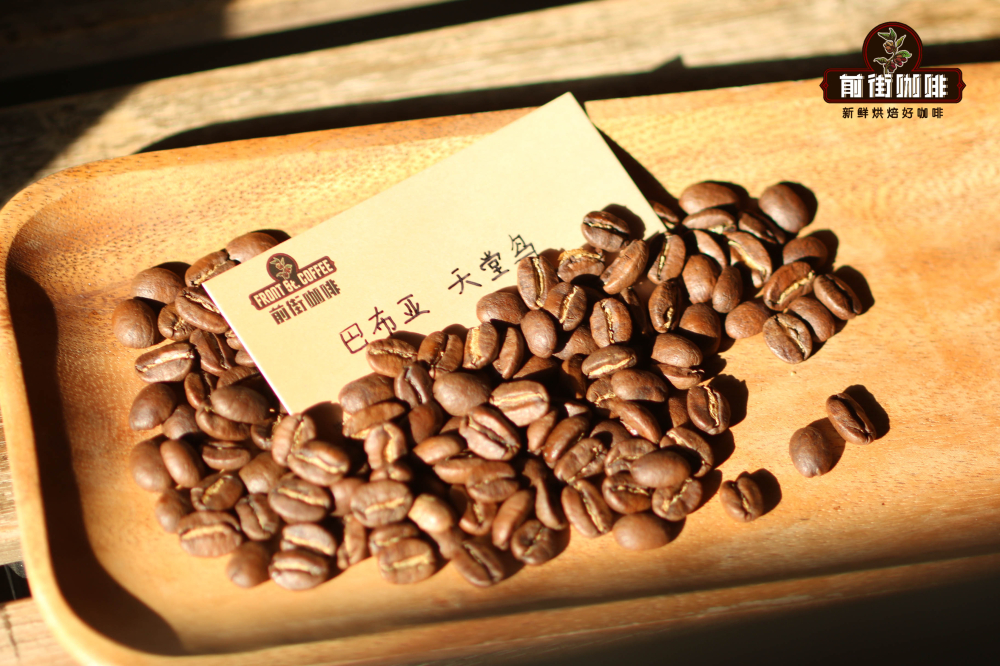
One coffee brand chose a medium roast for this batch of Paradise Bird beans, aiming to highlight the crisp acidity and delicate fruitiness characteristic of the Typica variety. Given the lower bean density of the green coffee, particular care was taken to adjust the heat after the first crack to preserve more of the floral and fruity notes. Here is the specific roast curve: the beans entered the roaster at 170°C with a fan speed of 3 and a flame setting of 140°C, reaching the turnaround point at 1 minute and 36 seconds. Then, adjustments were made progressively, hitting 151°C at 6 minutes and 25 seconds with the fan at a higher setting—the beans turned yellow and the grassy notes faded. At 180°C, the flame was reduced to 90, the beans began to show wrinkles and spots, entering the brink of first crack. Finally, at the start of first crack (around 10 minutes and 08 seconds), the fan was opened fully, maintaining first crack development for 3 minutes, with the beans dropped at 198.5°C. The result is a specialty coffee with balanced acidity and sweetness, and a three-dimensional aroma.
Want to brew Paradise Bird coffee at home and capture its enchanting flavors? Here are professional-level pour over parameters for reference: use 15 grams of coffee, a 1:15 coffee-to-water ratio, with a medium-coarse grind (approximately 65% through a #20 sieve), and water temperature controlled at 88°C. It’s recommended to use a KONO MEIMON filter cone to achieve stable flow rate and a clean cup.
For brewing steps, a staged extraction method is advised: start with a 30-second bloom using 30 grams of water to allow the coffee grounds to fully expand. Then, in the second stage, pour 120 grams of water in a circular motion from the center outward, keeping the flow steady. In the final stage, add another 75 grams of water, bringing the total to 225 grams. Allow the filter cone to fully drain, with total brew time around 2 minutes. These parameters will fully showcase Paradise Bird’s nutty and cocoa core, while highlighting its subtle berry sweetness and gentle acidity.
In summary, Papua New Guinea Paradise Bird coffee beans feature a distinctive flavor profile—with a rich base of nutty and cocoa aromas, complemented by just the right amount of berry sweetness and well-balanced acidity and sweetness. It’s an excellent choice for coffee lovers who enjoy a medium body and seek fruitiness and layered complexity. Whether you’re a beginner or a seasoned enthusiast, with the right roast and brewing parameters, you can easily enjoy the unique charm of this “Little Blue Mountain.”
The above content is compiled by CoffeeHunters, a coffee news website.


