








Introduction:Siphon coffee is celebrated in the world of coffee for its unique visual effects and rich flavor profile. This article delves into the working principles and design evolution of the siphon brewer, while also providing a detailed breakdown of key techniques and precautions for practical use. Whether you’re a beginner or a seasoned enthusiast, this guide will help you master this classic brewing method and produce a well-balanced, aromatic premium siphon brew.
Among the many coffee brewing tools available, the siphon brewer has maintained a loyal following thanks to its unique vacuum extraction mechanism and bold, full-bodied taste. Even as pour over methods have risen to prominence in recent years, the ceremonial and visually striking process of using a siphon continues to attract coffee lovers eager for a challenge. This article provides an in-depth look at the structure, historical background, and practical brewing tips for the siphon, allowing you to enjoy a professional-grade siphon coffee experience from the comfort of your home.

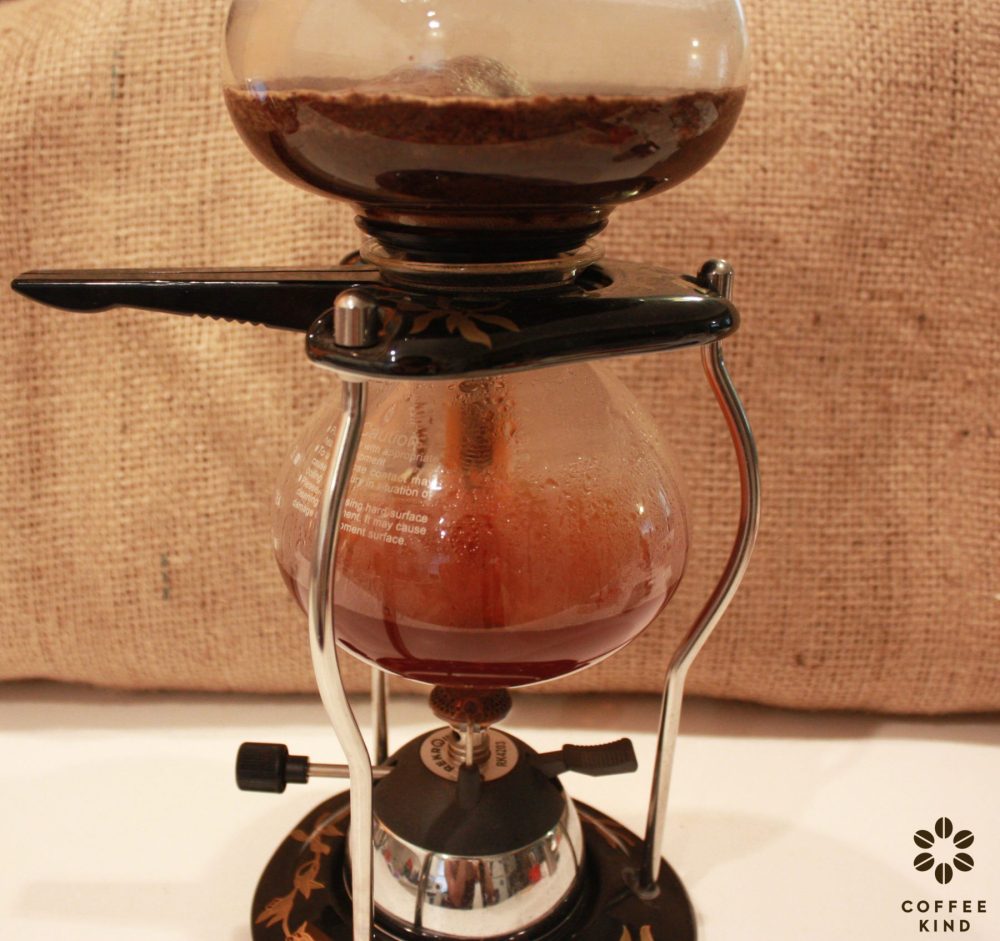
Also known as a vacuum pot, the siphon brewer is referred to in English as a “Siphon.” Its operation relies primarily on thermal expansion and contraction as well as changes in pressure. When the lower chamber is heated, the water inside turns to steam, increasing the internal pressure and pushing the water upward through the central glass tube into the upper chamber. There, it comes into full contact with the ground coffee to complete the extraction process. Once the heat source is removed and the temperature drops, the resulting drop in pressure causes the brewed coffee to be drawn back down through the same tube into the lower chamber, completing the entire cycle.
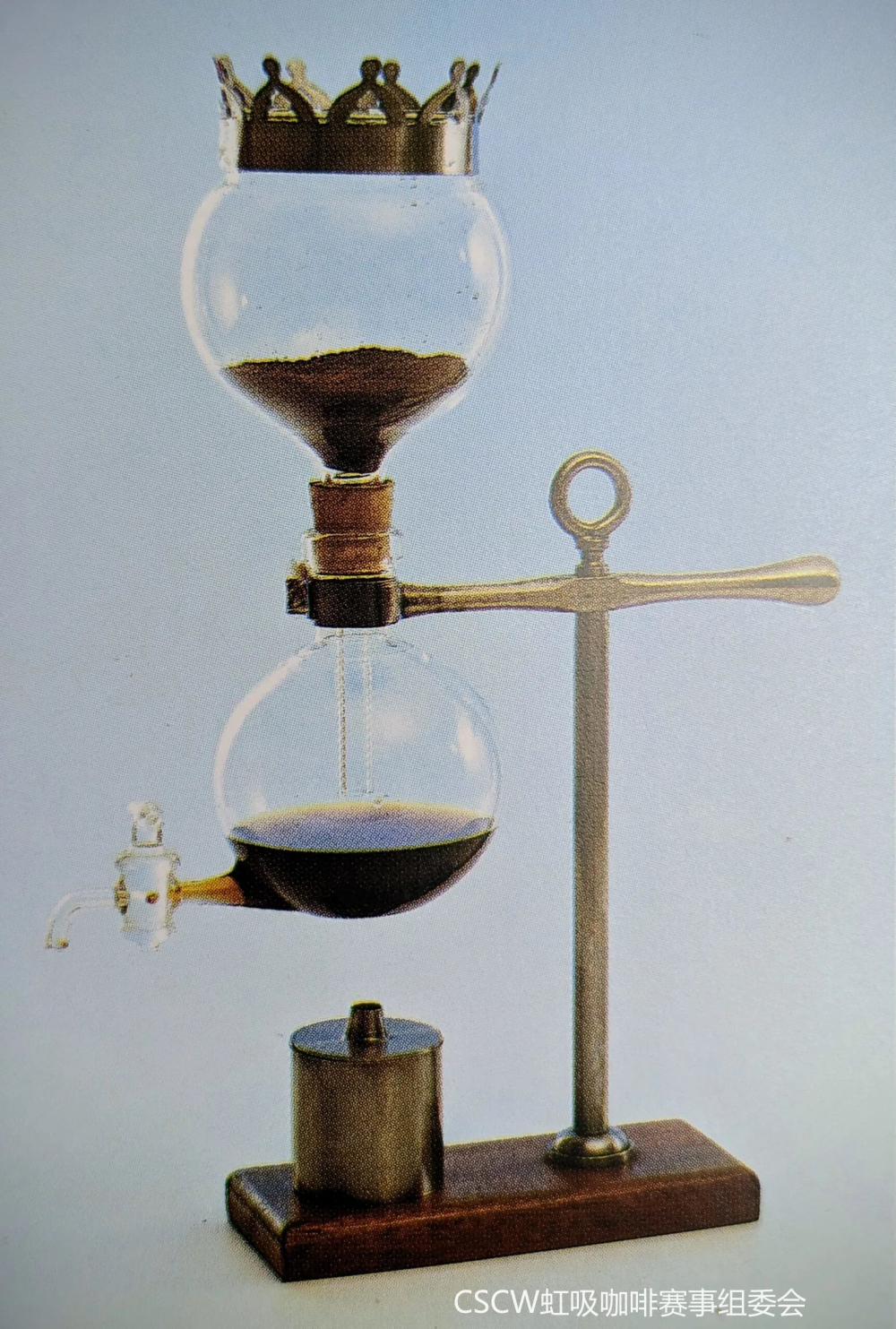
This brewing method is not only grounded in science but also embodies a strong spirit of experimentation. The earliest prototypes of the siphon brewer can be traced back to the early 19th century—nearly a century before the pour over method became popular today. Historical records indicate that in 1826, German physicist Johann Norremberg assembled a device using laboratory equipment that operated on a principle similar to the siphon, demonstrating the power of steam. However, it was never patented or commercialized. It wasn’t until 1842 that French inventor Marie Fanny Amelne Massot improved upon the design, creating a siphon brewer with up-and-down convection functionality, which was successfully patented. This marked the commercial entry of siphon-style coffee equipment into the market.
Also in the mid-19th century, Scottish engineer Robert Napier invented a siphon coffee brewer called the Napier Coffee Pot, which was similarly based on vacuum extraction. It was recognized by the Institution of Mechanical Engineers in 1856, though it, too, failed to secure patent protection. Afterward, various improved versions of the siphon brewer emerged across Europe and the United States. However, with the rise of automatic drip coffee machines, the siphon gradually faded from the mainstream market.
Although siphon brewers can still be found in some specialty coffee shops domestically and internationally, their usage frequency remains noticeably lower compared to pour over methods. For many consumers, the siphon even carries a sense of nostalgia or performative appeal. Nevertheless, once you’ve personally experienced its operation and the resulting brew, you’ll likely be left with a lasting impression of this unique brewing approach.
The coffee produced by a siphon brewer shows significant differences in flavor when compared to pour over. Generally, pour over coffee offers a clean, bright taste with distinct layers and clear flavor notes. In contrast, siphon coffee delivers a richer, fuller-bodied taste with more concentrated and robust aromas, along with a heavier mouthfeel—making it ideal for those who enjoy a more intense coffee experience.
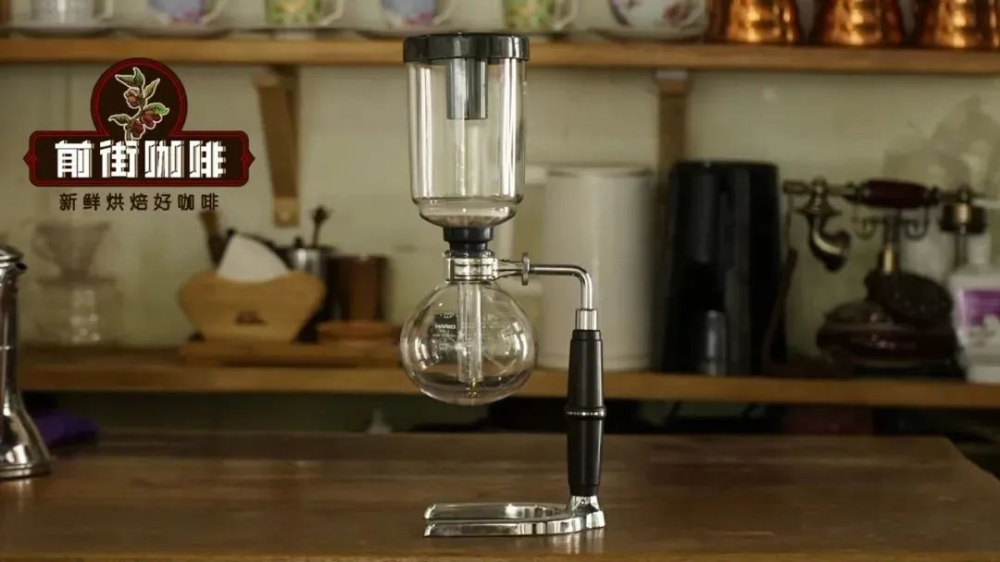
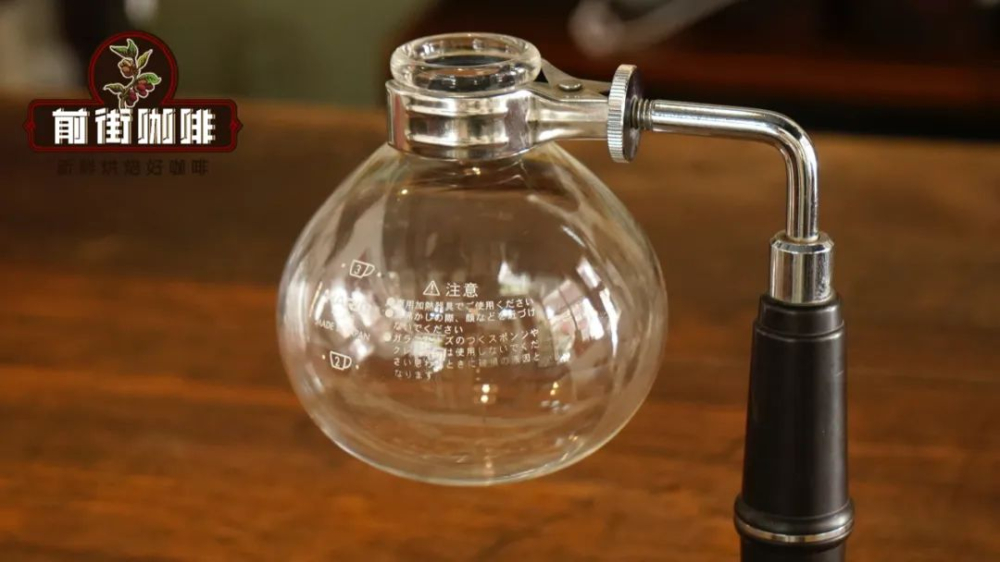
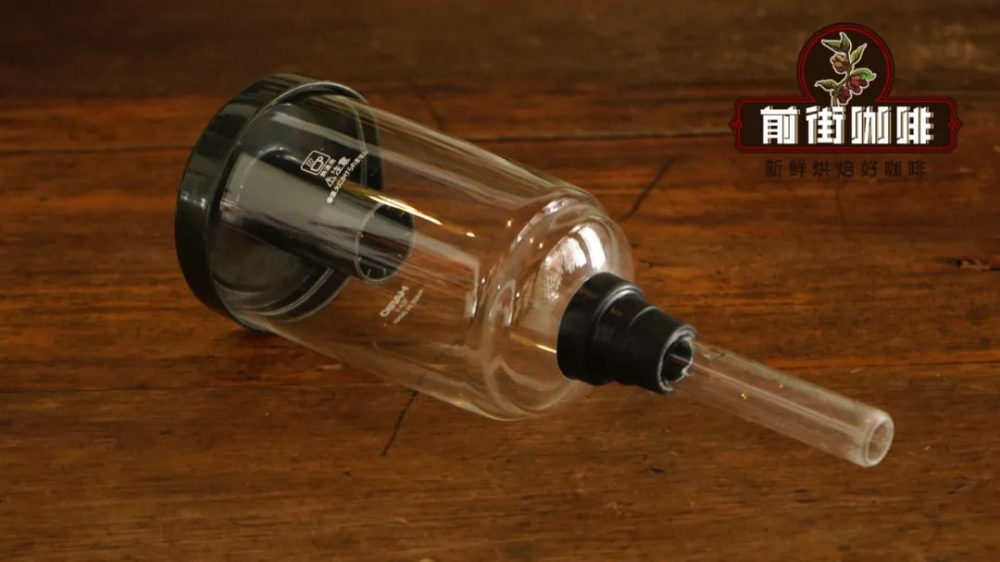
If you’d like to try brewing siphon coffee yourself, it’s essential to first understand its basic components. A siphon brewer mainly consists of three parts: the upper chamber, the lower chamber, and the stand. The lower chamber is typically a spherical glass vessel designed for even heat distribution. The upper chamber is cylindrical with a narrowed base and is connected to a slender glass tube. The tube’s diameter decreases from top to bottom, and the connection point is sealed with a heat-resistant gasket to prevent any gas or liquid leakage. The stand holds the lower chamber securely in place, keeping it stable and elevated so that the upper chamber can be properly aligned.
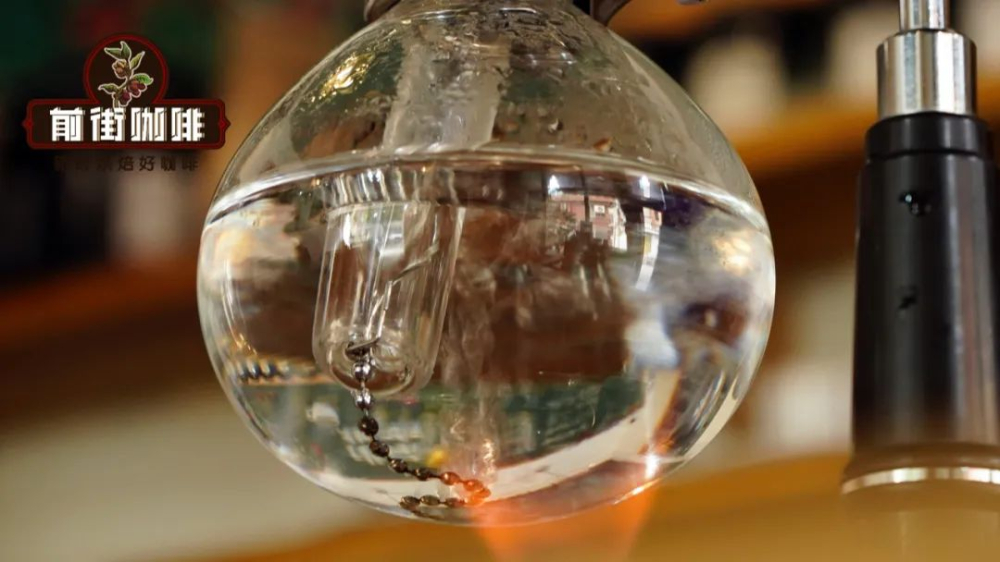
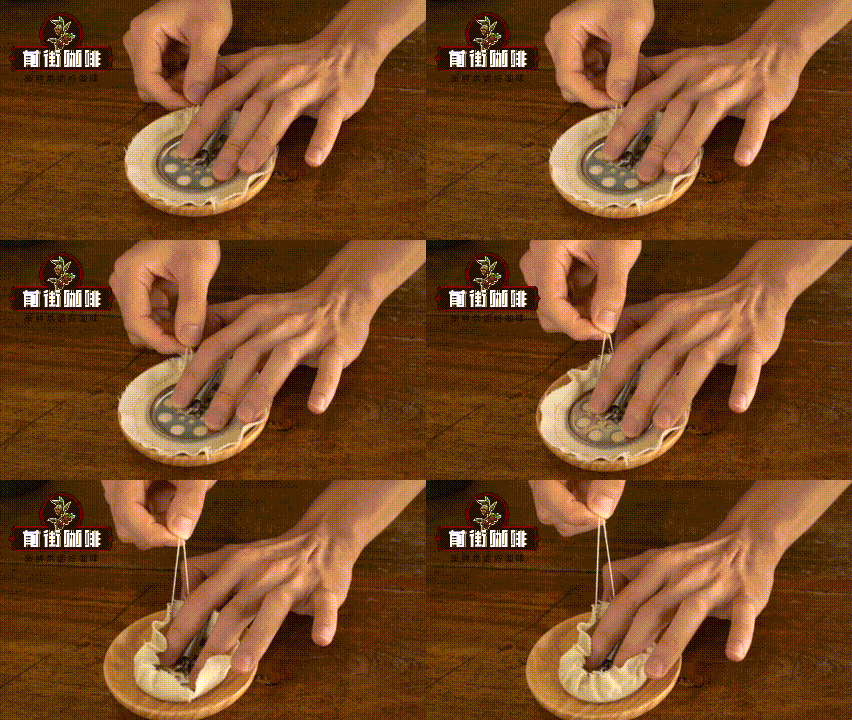
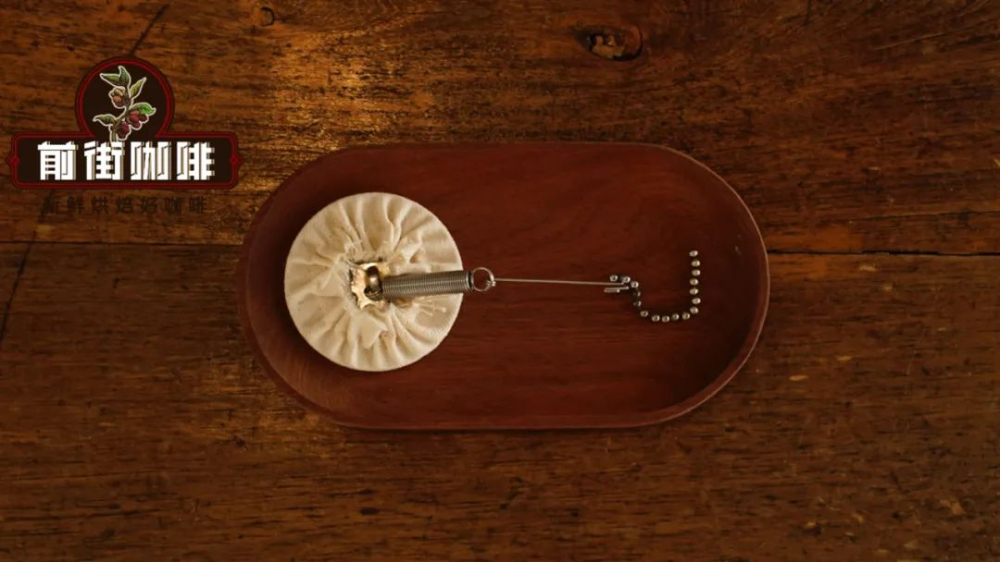
The filtration system is one of the key elements in siphon brewing, ensuring that coffee grounds do not end up in the final drink. Siphon brewers are typically equipped with a filter consisting of a metal mesh filter plate and a spring chain assembly. Before use, the filter plate needs to be wrapped with a specialized filter material—most commonly, a specially made flannel filter cloth. During setup, the filter cloth is fixed onto the filter plate, and the tension is adjusted using the spring and chain. It is then secured with a thin wire, with any excess trimmed off. Finally, the entire filtration system is placed inside the upper chamber, ensuring that the coffee grounds and water mix thoroughly during brewing while preventing fine grounds from entering the finished cup.


The above content is compiled by CoffeeHunters, a coffee news website.


