







Introduction:Want to dive deeper into the unique charm of Costa Rican Geisha? This article provides a detailed introduction to this high-altitude Geisha coffee from the CoE-winning estate, covering the history of La Candelilla, its processing methods, and flavor profile. It also offers expert pour over recommendations and actual tasting experiences, ensuring valuable insights for both beginners and advanced enthusiasts.
Geisha coffee has long been regarded as one of the top varieties in specialty coffee, thanks to its outstanding performance in international competitions. While Panamanian Geisha is often seen as the benchmark, Costa Rican Geisha also demonstrates exceptional potential with even better cost-performance. This article focuses on the CoE-winning estate in Costa Rica—La Candelilla—and provides an in-depth analysis of its Geisha coffee, from the growing environment and processing methods to brewing parameters and flavor characteristics, allowing enthusiasts to fully grasp the essence of this premium coffee.
La Candelilla is a highly representative micro-mill in the Tarrazú region of Costa Rica. Its name, meaning "little candle" in Spanish, is inspired by the poetic image of fireflies glowing along the streams on summer nights. The estate is jointly managed by nine siblings of the Sanchez family and their descendants, encompassing nine small farms, each with distinct microclimates and soil conditions. This diversity contributes to the varied flavor profiles of the coffee. Although the variety is the common Caturra and Catuai blend, through meticulous cultivation and post-harvest processing, it still showcases the delicate nuances and aromatic layers typical of the Geisha variety.
As one of the earliest micro-mills in Costa Rica, La Candelilla has been committed to improving coffee quality and processing precision since its establishment in 2000. In the past, coffee production in Costa Rica largely relied on cooperative systems, and the estate was once part of one. However, after gaining sufficient experience, it chose to operate independently and establish its own processing facilities. This not only allows stricter control over green bean quality but also serves as a model for other smallholder farmers. Currently, the estate produces about 15 to 30 containers of coffee per season, with the planting and processing volume of Geisha gradually increasing year by year.
In terms of processing, La Candelilla employs the “water fermentation” method, which differs from the common dry fermentation used in most Central American regions. This method involves fermenting the coffee in water tanks, effectively extracting aromatic compounds from the pulp while leaving an appropriate amount of mucilage on the beans, resulting in a richer and more complex flavor profile. Additionally, the estate has specially built a large lagoon purification system that uses native plants to filter fermentation wastewater, ensuring environmental sustainability. The treated water is then returned to the natural water system, reflecting a strong commitment to ecology.
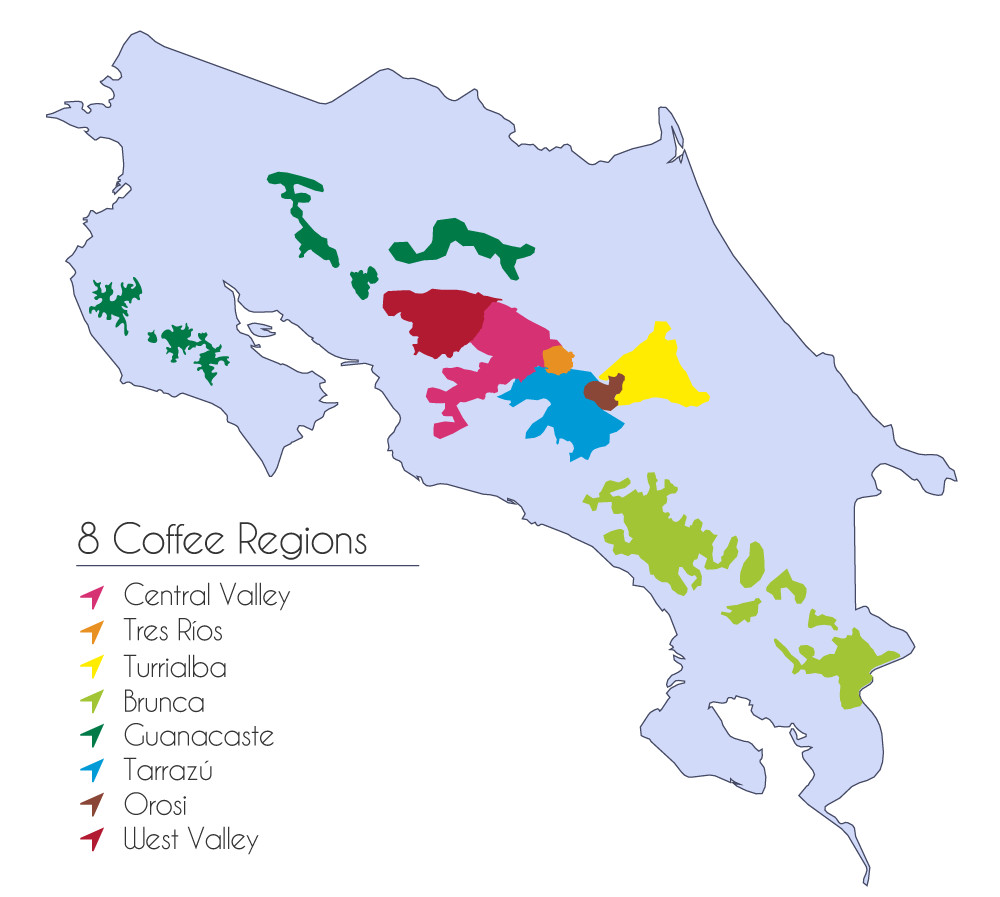
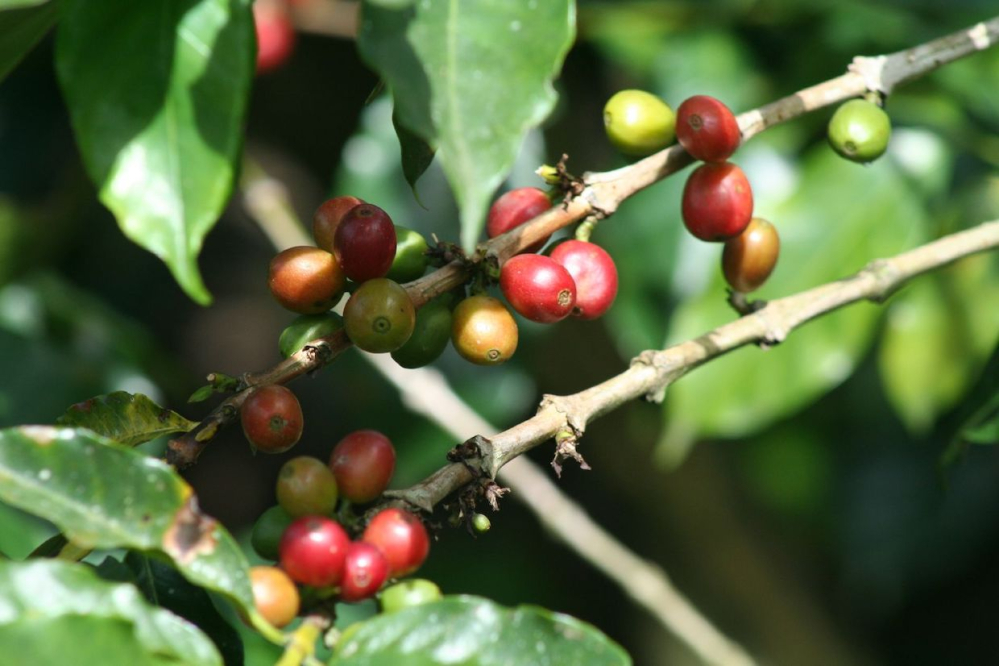
The Geisha at La Candelilla is grown at high altitudes ranging from 1400 to 1650 meters, in the micro-regions of San Marcos and La Sabana, which are renowned for producing high-quality Geisha. In these high-altitude environments, coffee cherries grow slowly, aiding in nutrient accumulation, which results in coffee beans with more vibrant acidity, sweetness, and aroma. When tasted, this coffee exhibits pronounced plum, brown sugar, and black plum fruit notes at high temperatures, with a rich body and juicy mouthfeel. As the temperature drops, jasmine floral notes and green tea aromas emerge, with a honey-like sweetness lingering in the finish. The overall profile is delicate and layered.
For coffee enthusiasts who enjoy pour over, we recommend the following brewing parameters to fully highlight the nuanced flavors of La Candelilla Geisha: use 15 grams of coffee grounds with a 1:15 coffee-to-water ratio. A fine-to-medium grind similar to table sugar is suggested, and the V60 #01 dripper can be used. The water temperature is set to90°C, and follow the steps below:
1. First pour 30 grams of water and let it bloom for 30 seconds;
2. Second pour 95 grams of water (total around 125 grams), completed in about 1 minute, then let it sit for about 15 seconds;
3. Third pour 100 grams of water (total around 225 grams), completed between 1 minute 35 seconds and 40 seconds;
4. Total brew time should be controlled around 2 minutes 10 seconds, then remove the dripper and enjoy.
When tasting this Costa Rican La Candelilla Geisha, the fruitiness and sweetness are prominent at high temperatures, making it ideal for those who prefer intense flavors. As it cools to medium and low temperatures, floral notes and honey-like sweetness emerge, shifting the overall flavor profile to something softer and more delicate. Even though this is already a highly expressive Geisha, it is still recommended to experiment with various brewing variables to uncover more hidden flavor layers.
The above content is compiled by CoffeeHunters, a coffee news website.


