







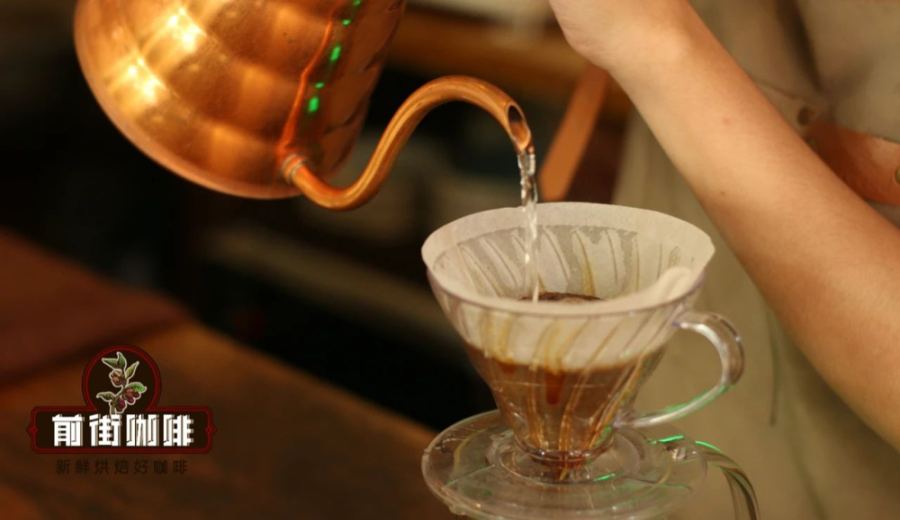
Introduction:The flavor profile of pour over coffee is closely tied to parameters such as coffee-to-water ratio, grind size, and water temperature. This article starts with the principles of drip extraction, analyzes practical techniques for three-phase pouring, recommends an optimal golden ratio range of 1:15 to 1:16, and suggests single-origin beans suitable for different roast levels to help you master the key details of stable extraction.
With its elegant ritual and rich flavor layers, pour over coffee has become a daily choice for coffee enthusiasts around the world. However, to brew a clean, bright, and well-layered black coffee, it’s essential to precisely control core parameters such as coffee-to-water ratio, grind setting, water temperature, and pouring rhythm. Combining the scientific principles of drip extraction, this article breaks down the standardized process of three-phase pouring—from its historical origins to home brewing practice—providing actionable parameter references, along with curated single-origin bean pairing suggestions. Whether you’re a beginner or looking to refine your technique, you’ll find valuable insights here.
The Birth of Pour Over Coffee: A Filtration Revolution
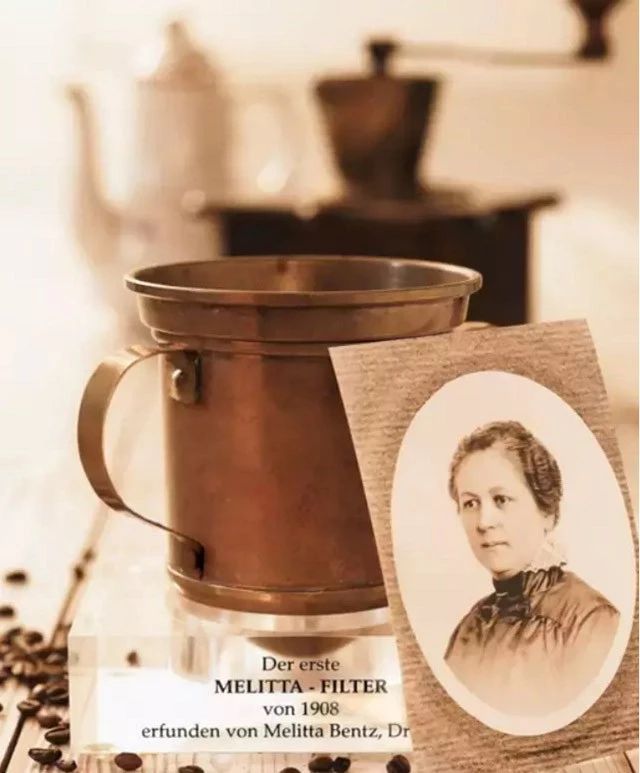
Early coffee preparation relied on boiling coarsely ground beans and then filtering them, but traditional linen or metal filters had overly large pores, often leaving coffee grounds behind and affecting the taste. In the early 20th century, German woman Melitta Bentz, dissatisfied with the bitterness and grittiness of traditional filtration methods, experimented with improving the process—she drilled holes in the bottom of a copper pot and lined it with blotting paper. This paper filter trapped fine sediments, successfully extracting a pure and aromatic coffee liquid. This innovation laid the foundation for modern pour over coffee, with its core advantage being the balance between clarity and flavor expression.
The Essence of Pour Over Coffee: How to Release Flavor?
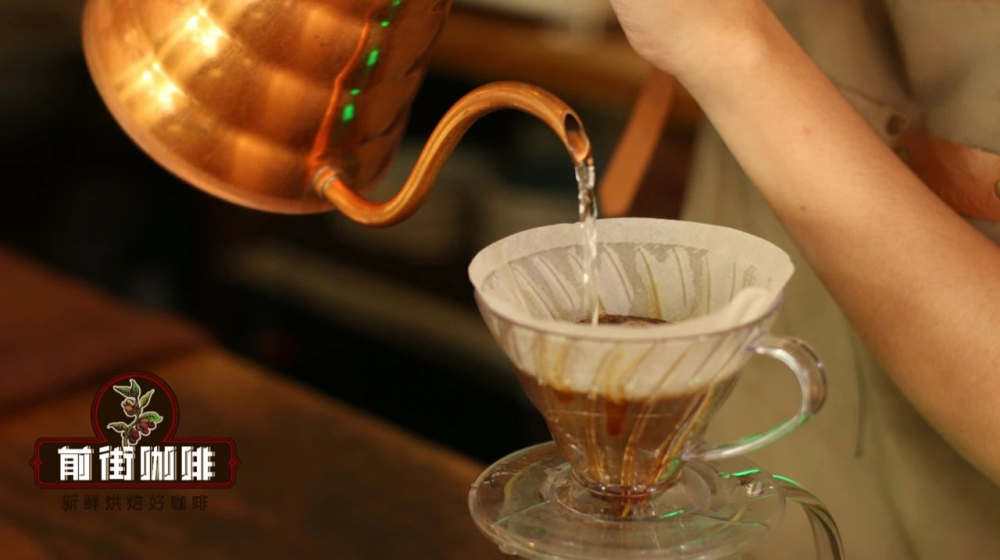
Roasted coffee beans produce hundreds of aromatic compounds. The pour over process extracts soluble components by allowing hot water to permeate the coffee grounds. Specifically, ground coffee is placed in a filter cone, evenly saturated with hot water, while the filter paper traps the grounds, ultimately yielding a clear black coffee. Throughout this process, pouring technique, water temperature control, and equipment selection all influence the final flavor presentation.
To ensure extraction stability, it’s recommended to prepare a basic set of tools: a gooseneck kettle (for precise water flow control), a V60 or Hario filter cone (commonly conical in design), quantitative filter paper, a digital scale (to monitor coffee-to-water ratio and time), a thermometer (to measure water temperature), and a grinder (to adjust grind size).Special reminder: Freshness of coffee beans is crucial. It’s recommended to choose beans roasted within 4 to 30 days, with freshly roasted beans typically shipped within 5 days and ready for use upon arrival.
Mastering Three-Phase Pouring: From Parameters to Steps
For beginners, the three-phase pouring method is recommended: by controlling the extraction pace through phased pouring, it allows for full extraction of flavor compounds while avoiding bitterness caused by over-soaking.Taking 15 grams of coffee grounds and a 1:15 coffee-to-water ratio (total water volume 225 ml) as an example, the three-phase water volumes are allocated as 30 ml (bloom), 95 ml (main extraction), and 100 ml (finishing), corresponding to scale readings of 30 g, 125 g, and 225 g.
Specific operation: Use a medium-fine grind (about 78% passing through a Chinese standard No. 20 sieve, close to the granularity of fine sugar). First, wet the filter paper and attach it to the filter cone. After adding the coffee grounds, zero the digital scale. The first phase involves pouring 30 ml of hot water (92–93°C) in small streams in a circular motion from the center outward to bloom for 30 seconds and activate aroma. After 30 seconds, steadily pour 95 ml with slightly more water flow, vertically lifting the coffee bed. Around 55 seconds, the cumulative water volume should reach 125 g. When the liquid level drops to the middle of the coffee bed, switch to small streams and small circular pours for the remaining 100 ml, aiming for a total brew time of about 2 minutes to ensure balanced flavor.
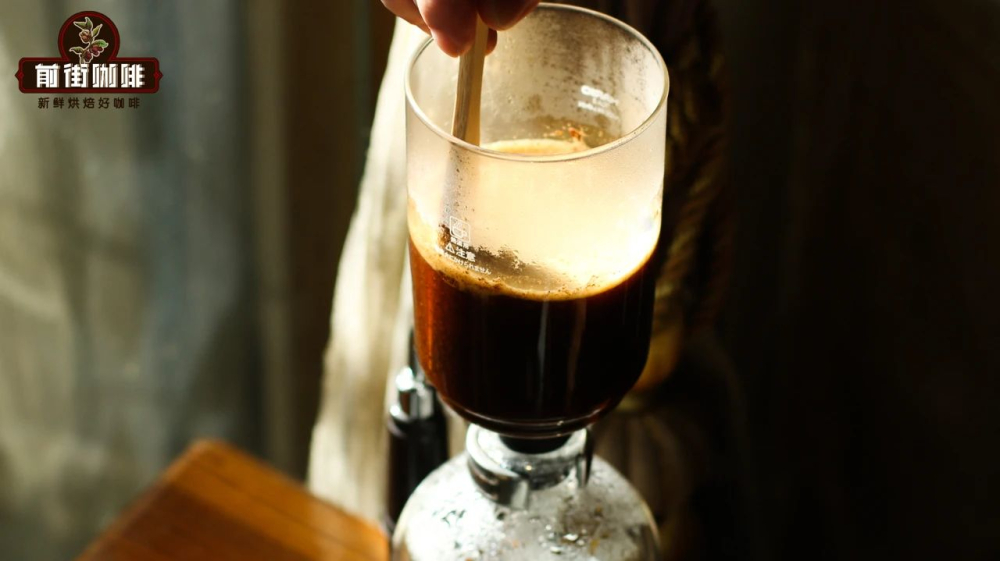
Grind size should be adjusted according to roast level:Lightly roasted beans (e.g., Yirgacheffe) are recommended to be medium-fine to enhance acidity and floral-fruity notes; medium-dark roasted beans can be slightly coarser to avoid over-extraction bitterness.The coffee-to-water ratio is flexible—for a richer taste, opt for 1:15; for clearer floral and sweet notes, use 1:16 to allow the flavor layers to unfold more smoothly. For pouring technique, avoid overly forceful streams that disperse the coffee bed. Maintain a steady rhythm, especially in the third phase, where control over the pour area is essential to prevent under-extraction.
Equipment and Bean Pairing Suggestions
The V60 filter cone’s spiral ridges aid in gas release, making it particularly suitable for light-roast beans that emphasize acidity. For those preferring a fuller body, fan-shaped filter cones (such as Kalita Wave) can be tried. For single-origin bean recommendations:Ethiopian Yirgacheffe (washed process) suits a 1:16 ratio, highlighting citrus and jasmine floral notes; Colombian Emerald Estate Geisha (medium roast) is recommended at 1:15 to showcase caramel and nutty profiles; Indonesian Mandheling (dark roast) can use a 1:14 ratio to enhance a bold and earthy aroma.Fine-tune parameters according to personal taste preferences, and through repeated practice, find the extraction method that works best for you.
The above content is compiled by CoffeeHunters, a coffee news website.


