







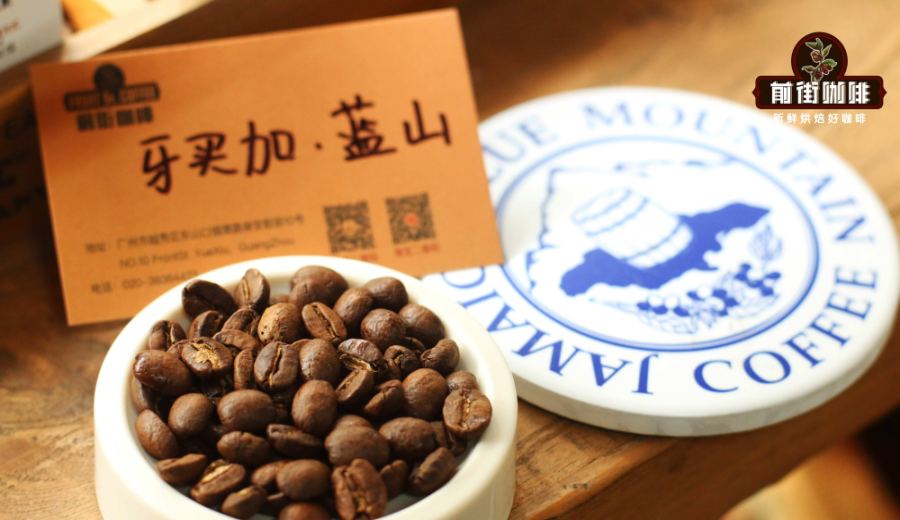
Introduction:Jamaica Blue Mountain coffee has long ranked among the world’s most sought-after specialty coffees due to its rarity and balanced flavor. However, only beans sourced from specific regions within the Blue Mountains and certified by authorized estates qualify as genuine Blue Mountain. Quality can vary significantly between different estates. This article delves into the regional background and official grading system of Blue Mountain coffee, highlights the history and cultivation advantages of the Clifton Estate, and provides guidance on the optimal post-roast storage period and professional pour over parameters for Blue Mountain No.1 beans, helping you understand the true nature of this premium coffee and master its brewing essentials.
Blue Mountain coffee has held an unshakable position in the global specialty coffee market—not just because of its limited production and high price, but also due to its balanced and mellow flavor, which makes it the dream taste for many coffee enthusiasts. However, commonly seen “Blue Mountain flavor” or “Blue Mountain blends” in the market are often merely commercial terms, with no actual connection to beans genuinely grown in the Jamaica Blue Mountains.
True Blue Mountain coffee is produced only in specific areas of the Blue Mountains, located northeast of Kingston, Jamaica, at elevations above 666 meters, and is strictly graded according to the official classification system. Among the many estates, the Clifton Estate stands out with its long history, unique microclimate, and sustainable farming practices certified by the “Rainforest Alliance,” making it one of the most representative producers of Blue Mountain coffee.
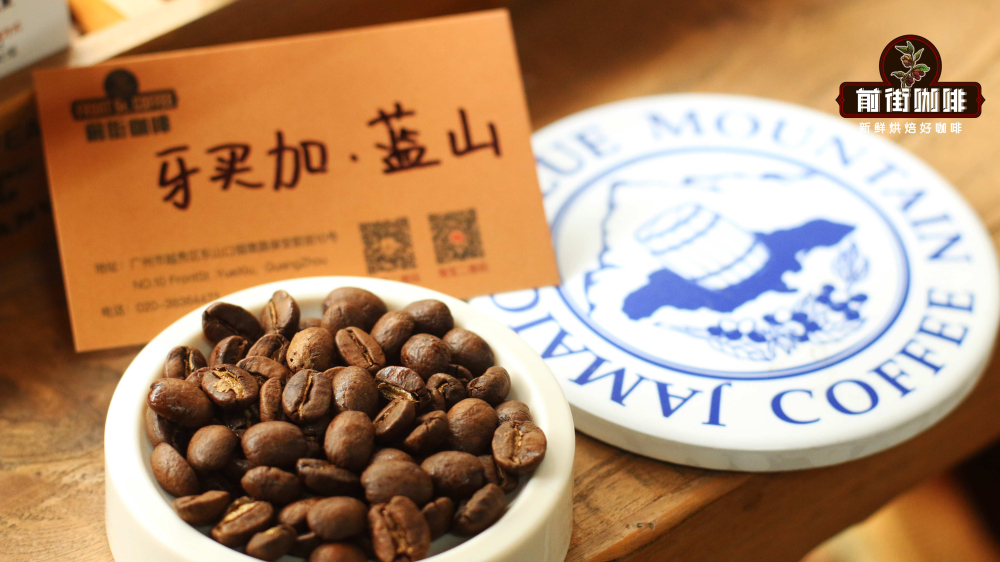
To understand the rarity and allure of Blue Mountain coffee, we must start with its historical origins. In 1725, then British Governor Nicholas Lawes introduced seven Typica coffee seedlings from the French colony of Martinique and planted them near the foothills of the Blue Mountains in eastern Jamaica. These coffee trees quickly adapted to the local volcanic soil and mountain climate, eventually developing into what is now the world-renowned Blue Mountain coffee region.
The Blue Mountain coffee region is situated in the Blue Mountains of Jamaica, where the main peak reaches an elevation of 2,256 meters, making it the island’s highest and longest mountain range. Surrounded by the Caribbean Sea, the mountains often take on a captivating deep blue hue when morning sunlight reflects off the sea, hence the name “Blue Mountain.” The region enjoys a mild climate with an average annual temperature of about 27°C, stable annual rainfall of 1,500 to 2,000 millimeters, and frequent cloud cover—all of which provide ideal growing conditions for coffee trees and contribute to the delicate, sweet-and-acidic balanced flavor that defines Blue Mountain coffee.
According to the standards of the Jamaica Coffee Industry Board (CIB), coffee beans from the Blue Mountain region are primarily divided into three categories based on altitude and processing method: Jamaica Blue Mountain coffee, Jamaica High Mountain Supreme coffee, and Jamaica Prime Washed coffee. Within the Blue Mountain category, beans are further divided into four grades: NO.1, NO.2, NO.3, and PB (Peaberry). Only beans grown at elevations above 666 meters qualify as “Blue Mountain coffee,” with No.1 being the top grade—renowned for its uniform bean size, minimal defects, and most harmonious flavor profile. It is internationally recognized as a top-tier specialty coffee.
Among the various Blue Mountain estates, the Clifton Estate plays a pivotal role. Established around 1750, it is one of the oldest continuously operating coffee-producing regions in Jamaica. Located on the eastern slopes of Catherine’s Peak in the Newcastle area, it benefits from a unique microclimate and sloped terrain, which aid in drainage and sunlight management for the coffee trees. Official records from as early as 1810 show Robert Hamilton as the registered owner of the farm, which already featured two major planting zones—one at the mountaintop and one at the foot—covering hundreds of acres. To this day, it maintains traditional and meticulous farming methods. Moreover, the Clifton Estate is the only coffee plantation in all of Jamaica to have been awarded Rainforest Alliance certification, underscoring its commitment to environmental sustainability.
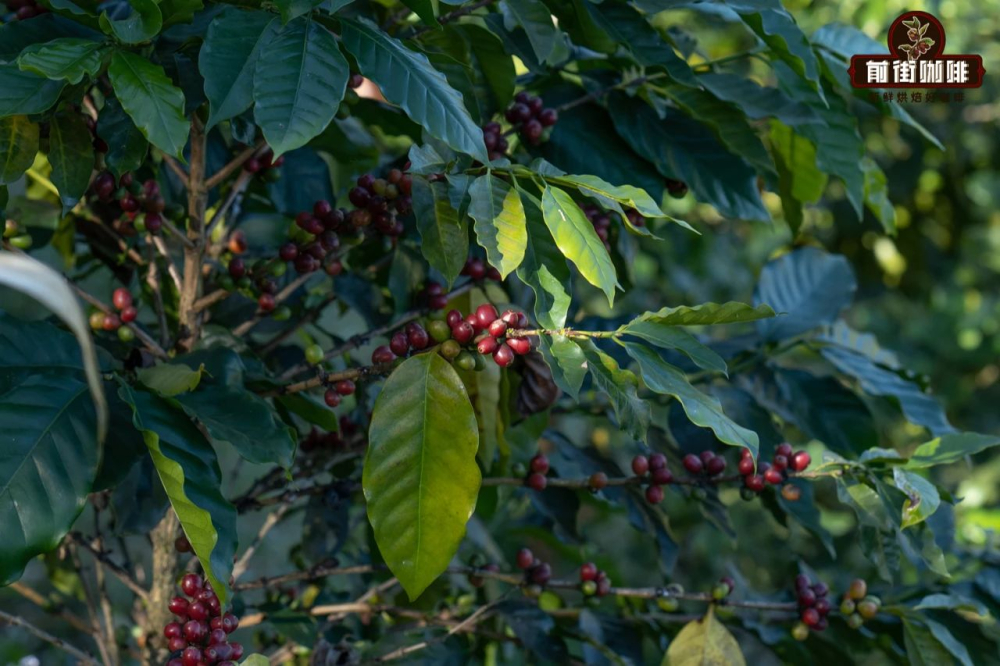
Among the most talked-about Blue Mountain coffees on the current market, the No.1 grade from the Clifton Estate stands out. These beans are predominantly of the traditional Typica variety and processed via the washed method, preserving a clean and bright acidity along with rich layers of flavor. Medium roasting is generally recommended to fully highlight the mellow yet balanced essence of Blue Mountain coffee without suppressing its delicate aromas and flavor nuances.
Regarding post-roast storage, it is advised to consume Blue Mountain No.1 coffee beans within 2 to 4 weeks after roasting to enjoy their optimal flavor window. During this time, the degassing process stabilizes, and the flavors reach their most desirable expression. For longer-term storage, keep the beans in a cool, dry, dark place in a well-sealed container, ideally at temperatures between 10–18°C. Protect them from air, moisture, light, and foreign odors to slow flavor degradation. Note that even with proper storage, the peak flavor period of Blue Mountain coffee remains relatively brief after roasting, so it’s advisable to avoid purchasing in excessive quantities to ensure each brew delivers its purest expression.
For brewing recommendations, take 15 grams of medium-coarse ground (approximately 75% passing through a Chinese standard No. 20 sieve) Blue Mountain No.1 coffee beans. A Kono filter cone is suggested, along with water heated to 86–88°C and a brew ratio of 1:15. Begin with a 30-second bloom using 30 grams of hot water to activate the coffee’s aromatic compounds. In the first stage, pour in a slow, circular motion until the total water weight reaches 125 grams, then pause the pour. When the coffee bed is about to become exposed, continue pouring up to 225 grams to complete the extraction. The entire process should take around 2 minutes. The Kono filter cone, with its fewer and shorter ribs, slows down the filtration rate and extends the brew time, making it suitable for deeper-roasted or more nuanced beans like Blue Mountain, helping balance extraction and prevent over-extraction.
In summary, the allure of Jamaica Blue Mountain coffee lies not only in its exceptional terroir and rigorous grading system but also in the artisanal craftsmanship and natural gifts each bean represents. Selecting No.1 grade Blue Mountain coffee from a reputable estate like Clifton and mastering the appropriate roasting and brewing methods will allow you to truly savor the boundless complexity of this world-class coffee.
The above content is compiled by CoffeeHunters, a coffee news website.


