








Introduction:The charm of specialty coffee lies in the unique origin stories and processing methods behind each bean, with flavor profiles ranging from fruity to caramel, fresh to bold. This article explores both home and commercial use scenarios, detailing how to assess coffee bean freshness, extraction methods, and bean variety pairings. We also recommend four commercial espresso blends and five single-origin pour-over beans—each a must-have—including popular varieties such as Red Bourbon (Hua Kui), Blackberry, Sidamo, Golden Mandheling, and Flower Butterfly. From flavor characteristics to ideal consumer profiles, this guide helps you master the essentials of coffee selection.
The world of specialty coffee is full of surprises. The climate conditions, varietal genetics, and diverse post-harvest processing techniques of different regions create distinct personalities for each coffee bean. Whether you're a beginner pour-over enthusiast or an entrepreneur planning to open a café, choosing the right coffee beans for your intended use is the most crucial first step in shaping the final flavor.
Faced with a wide array of coffee bean products, the first thing to confirm is whether they are “fresh enough.” Generally, the optimal period for pour-over or other extraction methods is 5 to 14 days after roasting. Too early and the flavors may not be fully developed; too late and aroma and taste will have significantly faded. It’s recommended to choose brands with clearly marked roast dates and to use the beans within one week of delivery to experience their truest expression.
The choice of coffee beans also depends on the brewing method. Common café drinks like espresso, latte, and cappuccino typically use high-extraction espresso blends that emphasize rich crema, balanced mouthfeel, and layered flavors. Meanwhile, pour-over and cold brew methods are better suited to single-origin beans, which can clearly showcase the terroir and delicate nuances of the origin.
If your focus is on in-house espresso preparation, the following four market-proven espresso blends are worth adding to your shopping list: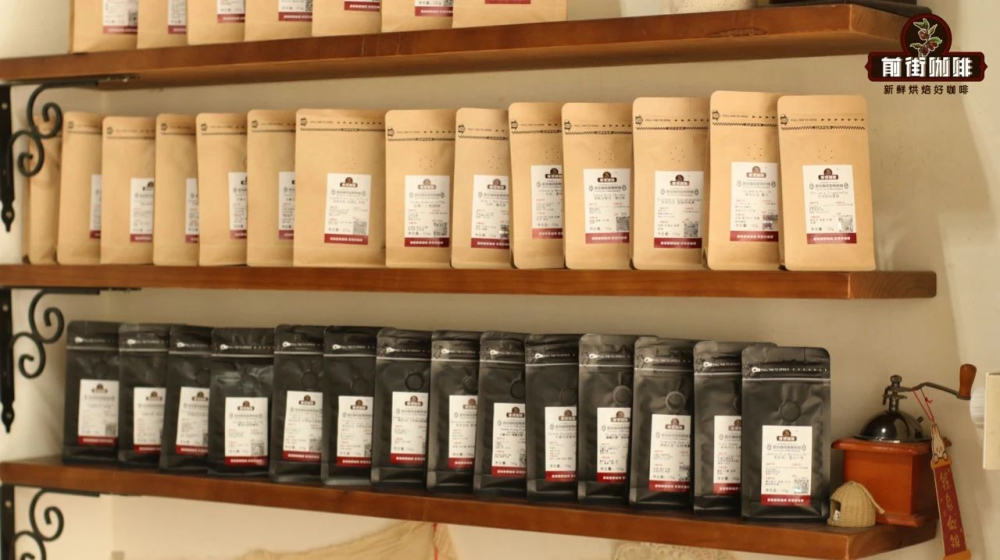
The first is a classic espresso blend with dense crema and prominent chocolate notes, especially suitable for milk-based drinks like lattes, where it helps create delicate latte art. The Strawberry Sugar blend offers fresh floral notes with a touch of sweet fruit acidity, low bitterness, and a pronounced aftertaste, making it ideal for those who prefer a refreshing taste and also suitable for use in a moka pot. The Premium Blend highlights nutty profiles such as roasted peanuts and creamy aromas, offering a robust and well-rounded cup suitable for various settings. As for the Commercial Blend, it features notable caramel notes and rich crema, delivering excellent cost-performance and reliable consistency for steady output.
For pour-over and cold brew enthusiasts, single-origin beans take center stage. The following five popular market options combine distinctive flavors with affordable prices, perfect for beginners exploring or everyday drinking:
Top recommendation goes to the Ethiopian Natural Hua Kui, which boasts distinct floral notes and creamy strawberry tones, with an Earl Grey-like finish and rich layers of tropical fruit. It suits drinkers seeking bright acidity and a light mouthfeel, though it’s less suitable for espresso extraction. Costa Rica Blackberry, processed via black honey, showcases sweetness reminiscent of longan, grapes, and honey, alongside light floral notes, smooth body, balanced acidity and bitterness, and a long-lasting aftertaste. Brazil Sidamo Red Bourbon centers on chocolate and nut aromas, with a mild, low-acid profile and smooth mouthfeel, suitable for milk addition or as a dessert base. Indonesian PWN Golden Mandheling, produced via wet hulling, shows significantly reduced herbal and earthy off-notes, instead highlighting dark chocolate and caramel sweetness, with a rich and bold texture—a classic choice for avid coffee lovers. Lastly, Panama Flower Butterfly, a blend of Geisha, Caturra, and Catuai, undergoes washed processing to bring out citrus-honey tones and green tea-like qualities, offering balanced flavor with a hint of caramel, perfect for those who prefer tea-like styles.
No matter which extraction method you prefer, understanding a bean’s origin, processing method, and ideal brewing parameters allows you to more accurately capture each coffee’s unique charm. From assessing freshness and selecting bean varieties to practical brewing applications, mastering these fundamentals lets you brew café-quality coffee at home.
The above content is compiled by CoffeeHunters, a coffee news website.


