








Introduction:Espresso is not just a staple in coffee shops but also the core foundation of Americanos, lattes, and cappuccinos. This article delves into the historical evolution of espresso, the science behind crema formation, and analyzes the differences and practical parameters of three classic extraction types: Ristretto, Normale, and Lungo. It not only introduces you to the rich characteristics of traditional dark-roasted beans but also shares how modern fruit-and-floral blends can transform your drinking experience. Finally, it guides you step-by-step to craft a rich espresso and master professional-level tasting techniques.
Espresso is arguably the soul of coffee shops around the world. Whether it's a classic American black coffee, a milky latte, or a cappuccino with its velvety foam, they all originate from this small cup of intense coffee. This article will take you through the historical background, detailing the evolution of espresso, while explaining how its unique crema is formed, and exploring the pivotal role dark-roasted beans have played in traditional espresso culture.
As early as 1884, Italian Angelo Moriondo created the first coffee machine capable of producing a concentrated extract, utilizing steam pressure at 1.5 bar to quickly brew coffee—this was vastly different from the immersion brewing methods popular at the time. With technological advancements, by 1948, Milanese barista Achille Gaggia invented the lever-operated espresso machine, which extracted the familiar golden crema layer—the result of high-pressure brewing—that we know today, becoming one of the key indicators of espresso quality.

The term "Espresso" in Italian means "fast," referring not only to the speed of preparation but also to the fact that a shot of espresso can be made and enjoyed within just a few minutes. Its basic principle involves using pressurized steam to push hot water through finely ground coffee, extracting a small yet highly concentrated coffee liquid topped with a delicate layer of golden-brown foam.
Although Espresso may not always be explicitly listed on coffee shop menus, it serves as the foundational base for many classic coffee drinks. For example, an Americano is made by adding hot water to espresso, while lattes and cappuccinos combine espresso with a generous amount of milk, creating distinct textures and flavor profiles.
Early coffee brewing methods were mostly based on immersion, which were time-consuming and difficult to control in terms of extraction stability. The advent of the espresso machine fundamentally changed coffee preparation. From Angelo Moriondo’s initial design to Gaggia’s introduction of high-pressure extraction technology, espresso gradually developed its unique bold flavors and crema characteristics.
The formation of crema is closely related to various factors, including coffee bean freshness, roast level, extraction pressure, and equipment performance. Generally, the darker the roast and the fresher the beans, combined with stable high-pressure extraction, the richer and more persistent the crema. In Italy, many baristas prefer using dark-roasted beans, sometimes even blending in a certain proportion of Robusta beans, to enhance crema presence and overall flavor intensity.If you wish to recreate this classic flavor, it is recommended to choose a blend that includes Robusta beans, as this helps improve the texture and aroma concentration of the crema layer.
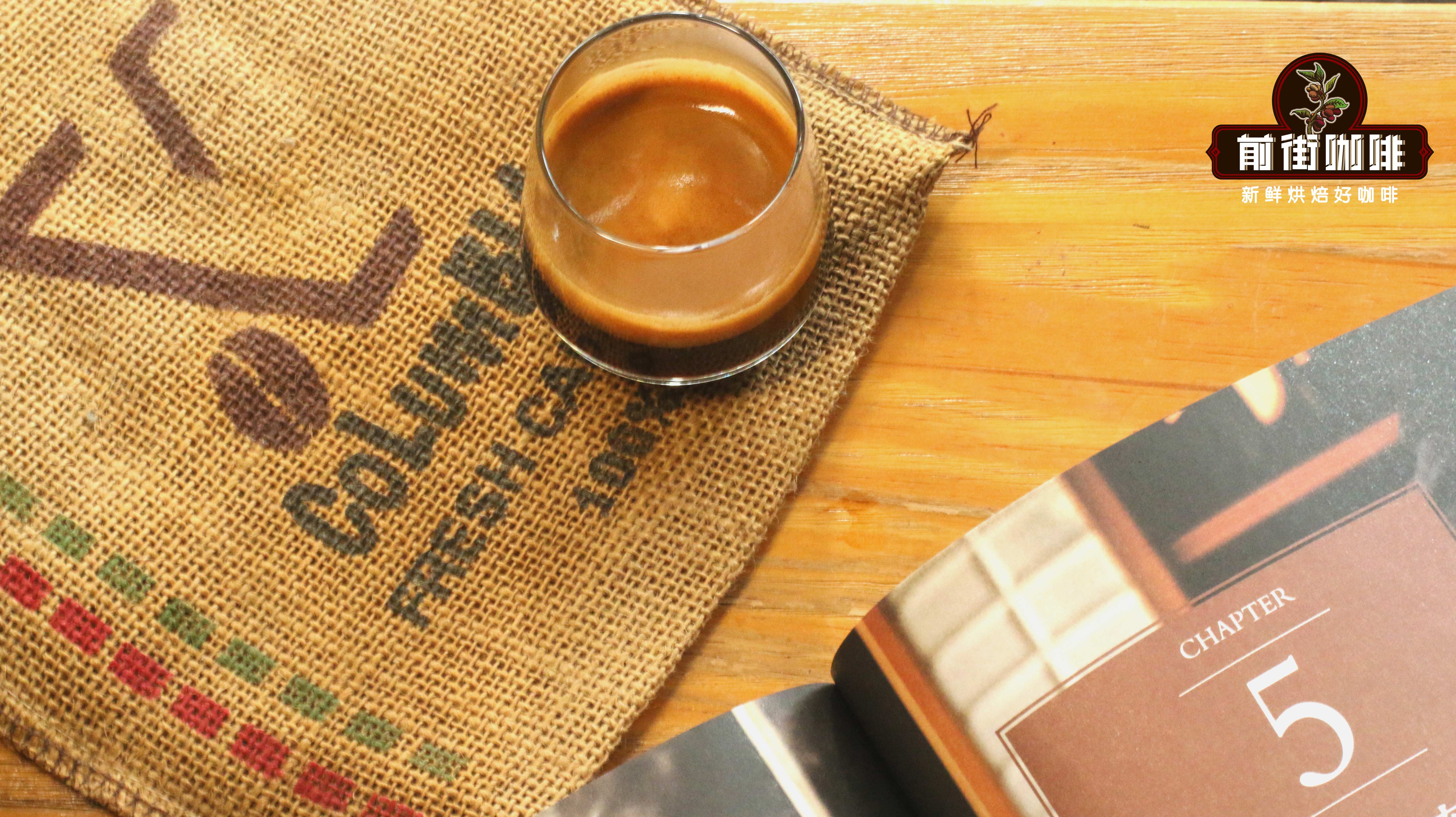
With the diversification of the coffee market, consumers are also seeking richer flavor experiences. Beyond traditional dark roasts, more and more fruit-forward coffee beans are being used in espresso. For instance, a blend combining beans from Costa Rica, Colombia, and Ethiopia can showcase floral, citrus, grape, and dried blueberry notes. Even when brewed as an Americano, it can deliver sweet, candy-like layers reminiscent of fruit gummies—an ideal choice for those who dislike overly bitter flavors.
When a customer orders an "Espresso," a classic shot is typically served with a glass of water and a small spoon, allowing the drinker to cleanse their palate before tasting. After sipping the water, gently stir the crema and coffee liquid on the surface with a metal spoon. First, you’ll notice the dense, velvety crema, carrying intense roasted aromas. Then, as you sip the coffee, a spectrum of flavors unfolds—nutty, chocolatey, berry-like, and hints of wine—followed by a sip of water to conclude and appreciate the lingering sweetness and balance.
Based on different extraction methods and coffee-to-water ratios, espresso can be divided into three main types: Ristretto (short shot), Normale (standard shot), and Lungo (long shot). These three types not only affect the coffee’s strength and flavor profile but also suit different drinking scenarios and personal taste preferences.
Ristretto, also known as "short shot" or "concentrated espresso," refers to extracting only the first part of the espresso shot, resulting in a smaller yield but higher concentration. For example, if a standard espresso uses 20 grams of coffee to produce 40 grams of liquid, a Ristretto might yield only about 28 grams, with a shorter extraction time. Some methods involve grinding finer to slow the water flow, further intensifying the shot. Ristretto is often used as the base for drinks like Flat Whites and is beloved for its bold, focused flavor.
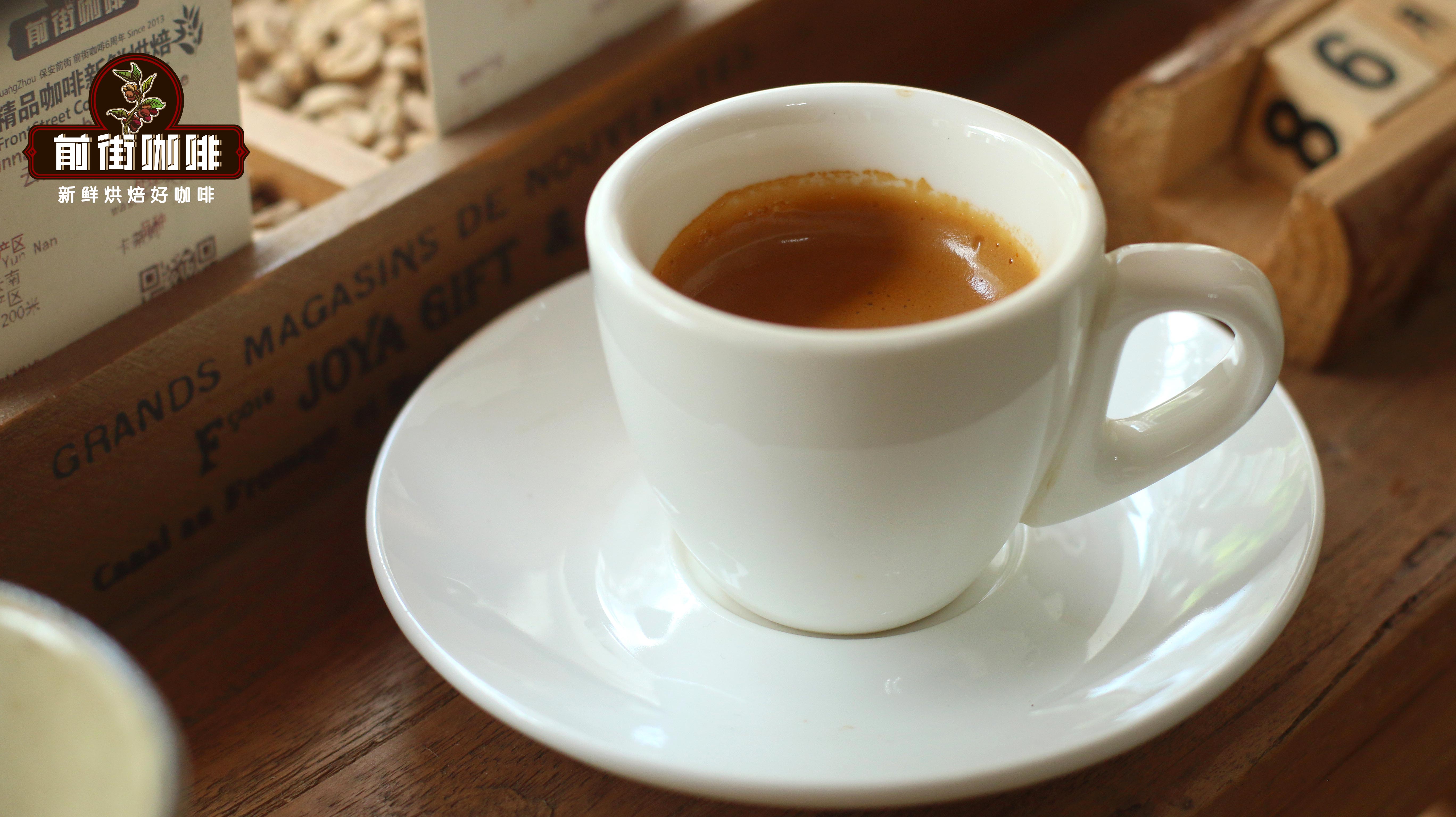
Normale refers to what we commonly call espresso and is the most prevalent form of espresso available. According to the Golden Cup standard, the extraction yield of a Normale typically ranges between 18% and 22%, with a concentration range of 8% to 12%. This is the most classic and balanced extraction method, suitable for most coffee drinkers.
Lungo is made by extending the extraction time with additional hot water on top of the normal yield, increasing the total liquid volume and resulting in a milder flavor. In Italian, "Lungo" means "long" or "extended." A common ratio is 1:5—for example, using 20 grams of coffee to produce 100 grams of liquid, with an extraction time that may extend to 42 seconds. It is suitable for consumers who prefer a lighter coffee taste.
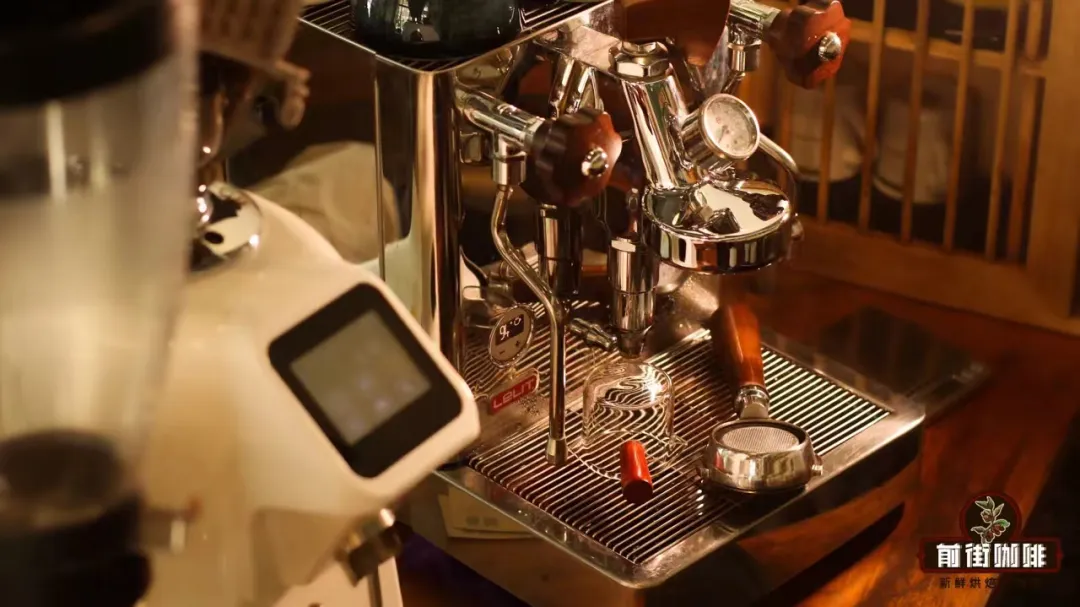
Next, we’ll use a common Italian-style blend as an example to demonstrate how to manually extract a standard espresso. Assuming the use of a double basket, the recommended coffee dose is 18 to 20 grams, with an extraction ratio set at 1:2—that is, 20 grams of coffee yielding 40 grams of liquid, with an extraction time controlled between 28 to 30 seconds to achieve a rich and balanced flavor.
Before starting the extraction, ensure the portafilter basket is dry and grind the appropriate amount of coffee, weighing it to 20 grams. Use a distribution tool to evenly spread the coffee grounds, then tamp firmly and level with a tamper—this is key to stable extraction. The tamping pressure should be even to avoid channeling, which can lead to uneven extraction.
Before starting the extraction, run water for 1 to 2 seconds to wet the group head, helping to remove any residual coffee grounds and preheat the equipment. Place the cup under the group head and reset the scale to accurately monitor the yield. Lock the portafilter into the group head, start the extraction, and observe the flow rate and color changes of the coffee. When the yield reaches 40 grams and the time is around 30 seconds, stop the extraction.
Note that extraction parameters can be affected by weather, humidity, and the condition of the coffee beans, so it’s recommended to fine-tune the coffee dose, grind size, and extraction time according to actual conditions to achieve optimal flavor. The finished espresso can be enjoyed directly— it’s advised to first cleanse your palate with water before savoring the layered aromas and textures of the espresso. If it feels too strong, you can adjust the strength and flavor to your liking by adding hot water or milk.
The above content is compiled by CoffeeHunters, a coffee news website.


