







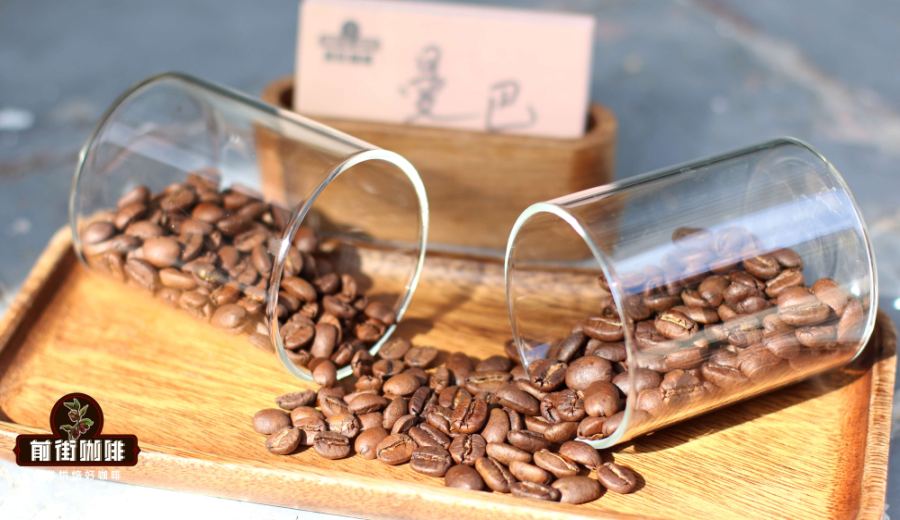
Introduction:Mamba coffee is a classic espresso blend made by combining Indonesian Mandheling and Brazilian beans, merging the characteristics of both to create a balanced shot with rich aroma and well-rounded flavor. Understanding common blending ratios, roast levels, and the flavor profiles of these two major producing regions can help you find a Mamba combination that suits your taste—whether you’re roasting your own beans or purchasing pre-blended ones, you’ll have a clear direction.
Mamba coffee is a classic espresso blend that mixes Mandheling from Sumatra, Indonesia, with beans from Brazil. This combination typically uses a ratio of 2:1 or 3:1 Mandheling to Brazilian beans, primarily roasted dark to enhance intensity and layered complexity. Mandheling provides a solid foundation and deep spicy notes, while Brazilian beans contribute mild acidity and natural sweetness. When blended, they deliver a smooth and tangible coffee experience.
Among commercially available Mamba blends, the choice of roast level greatly influences the final flavor profile. With a medium-light roast, Mamba coffee exhibits less bitterness and instead showcases delicate sweetness and a lingering aftertaste, making it suitable for those who prefer a lighter-bodied cup. Conversely, a dark roast results in a richer, more robust profile, with pronounced aromas of dark chocolate, caramel, and nuts—ideal for coffee lovers who enjoy bold flavors. Different roasters may also adjust the Mandheling-to-Brazilian bean ratio based on market demand, ranging from 5:5 to 7:3, offering a variety of options.
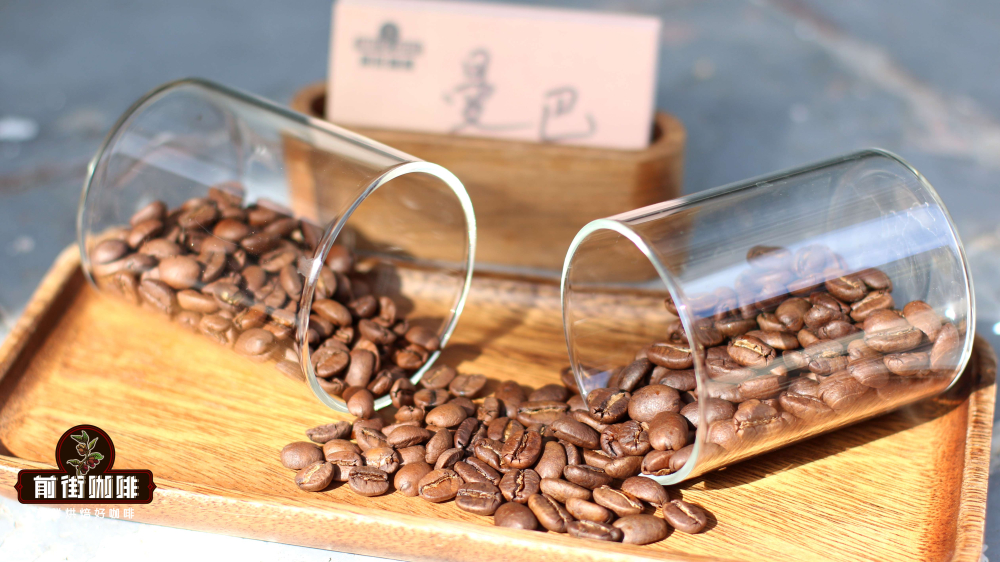
For a more traditional-style Mamba coffee, it’s recommended to choose a blend made with Sumatran G1-grade Mandheling and Brazilian Cerrado Red Bourbon, roasted dark. When extracted as espresso, such blends feature low acidity, a full body, and are often accompanied by notes of dark chocolate, buttery smoothness, along with distinct caramel and hazelnut tones. The overall profile is balanced and leaves a lasting impression.
Indonesia’s Lintong region is one of the key areas on the island of Sumatra known for producing high-quality Mandheling coffee, particularly concentrated in the mountainous areas near Lake Tawar and Lake Toba. Coffee from these regions is mostly processed using the unique “wet-hulled” method (also called Pulped Natural or Semi-washed), and due to special soil conditions, the green beans often exhibit a light blue sheen. Mandheling from Lintong is renowned for its low acidity and high body, and through multiple rounds of manual sorting, the quality of each bean is ensured—it serves as an essential base for crafting Mamba coffee.
The so-called wet-hulled method is actually a coffee processing technique unique to Indonesia. It involves removing the coffee fruit’s skin and part of the pulp, followed by partial sun drying, and then hulling off the parchment layer. This method allows the coffee to retain more body and deep, earthy aromas, while also bringing out intense woody, spicy, and soil-like notes. Mandheling processed via the wet-hulled method often delivers a bold mouthfeel, rich aftertaste, and profound layers of aroma.
As for Brazil’s Cerrado region, it is one of the core coffee-producing areas in the country. Located at an altitude of about 1,000 meters, the region enjoys cool and stable weather with an average annual temperature of around 20°C. The soil is gravel-rich and well-draining, making it highly suitable for coffee cultivation. Coffee beans from this area are mostly processed using the semi-washed (Pulped Natural) method, where the skin and pulp are removed but the mucilage is retained before sun drying. This approach helps enhance the coffee’s sweetness and aroma complexity, resulting in beans with gentle acidity, rich sweetness, and a smooth mouthfeel.
The hallmark of the semi-washed method is the omission of the traditional fermentation stage in washed processing. Instead, mucilage-covered coffee beans are directly exposed to sunlight until dried, after which the parchment and any remaining mucilage are removed. This method effectively preserves sugars and organic compounds, resulting in coffee that not only boasts noticeable sweetness but also carries a hint of cocoa-like richness—making it highly compatible with Mandheling to balance its intense character.
Looking at the overall flavor profile of Mamba coffee, it combines the deep spices and earthy aromas of Sumatra’s Lintong region with the sweetness and rounded body of Brazil’s Cerrado. A well-crafted Mamba coffee often releases notes of sweet spices, licorice, and vanilla during cupping, while the cup reveals a rich crema, intense caramel and brown sugar sweetness, extremely low acidity, and an overall smooth and gentle profile. The aftertaste is long and delicate.
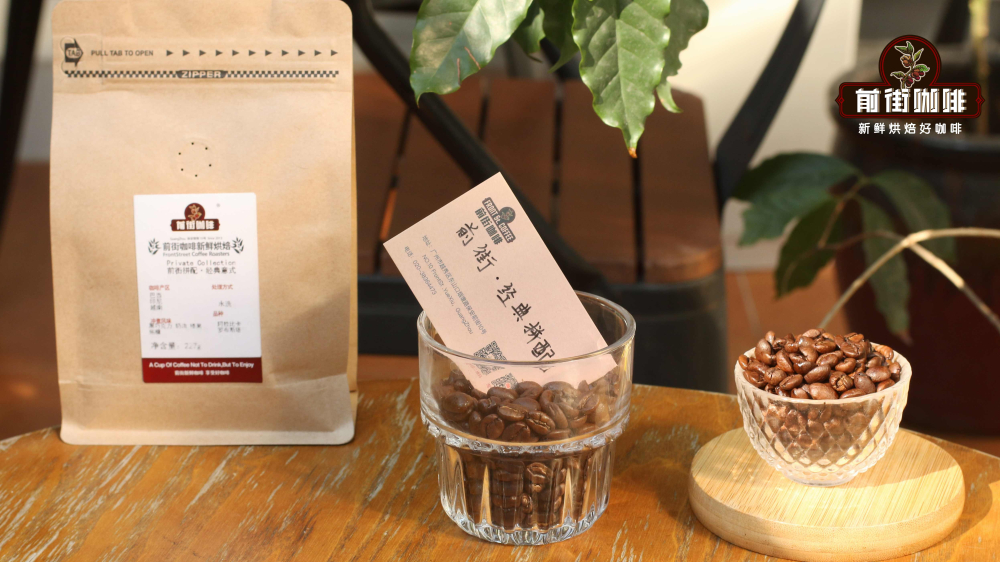
If you’re seeking a coffee experience that balances boldness with gentleness, the Mamba blend is definitely worth trying. Whether you’re using it as the base for your daily espresso or experimenting with blending at home, understanding the characteristics and processing methods of Mandheling and Brazilian beans can help you craft a coffee recipe tailored to your personal taste.
In summary, Mamba coffee is not just a simple mixture of two types of beans, but rather the result of merging the unique terroirs, processing techniques, and roasting philosophies of two distinct regions. From regional characteristics and processing differences to roast level choices, every step influences the final flavor expression. By mastering these fundamental elements—whether you’re a barista, roasting enthusiast, or simply someone who wants to better understand the cup in hand—you can gain a deeper appreciation for the charm of Mamba, this classic espresso blend.

The above content is compiled by CoffeeHunters, a coffee news website.


