







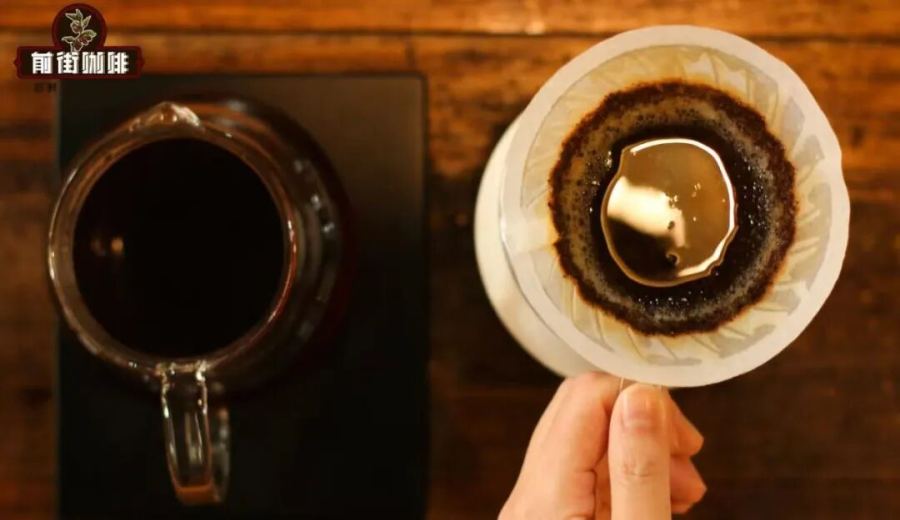
Introduction:Pour over coffee, known for its simple operation and unique flavors, has become the top choice for many coffee enthusiasts. However, beginners often struggle with issues such as improper parameter settings or incorrect pouring techniques, which can negatively affect the final taste. This article will delve into the five most common mistakes in pour over brewing, helping you avoid these pitfalls and easily brew great coffee.
Thanks to its high fault tolerance and rich flavor profile, pour over coffee has gained widespread popularity in the specialty coffee scene in recent years. With a low barrier to entry, many coffee lovers purchase pour over equipment and begin learning to brew at home. Although there is an abundance of free online resources covering equipment selection, brewing steps, techniques, and parameter settings, the overwhelming and unstructured information often leads beginners into various cognitive and operational misconceptions, ultimately affecting the coffee’s flavor.
Next, we’ll analyze the five most common mistakes beginners make when learning pour over brewing, and provide the correct approaches to help improve your brewing quality.
< >
1. Misunderstanding brewing parameters and blindly pursuing high temperatures or extreme settings
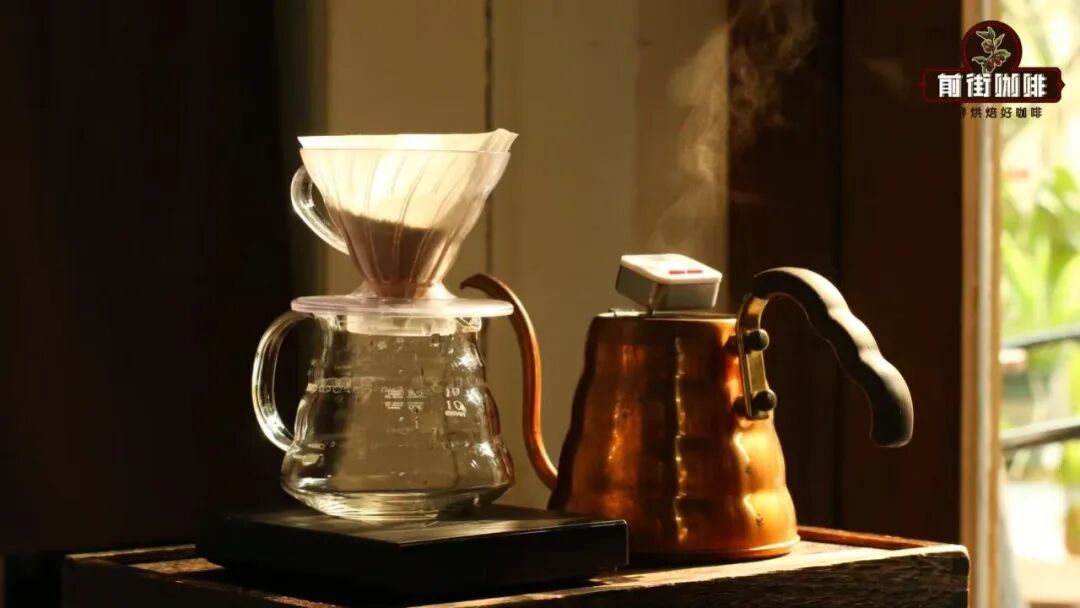
Many beginners mistakenly believe that “the higher the water temperature, the better the bean quality,” or even think that only high-quality coffee beans can be brewed at temperatures as high as 96°C, 97°C, or even higher. In reality, while water temperature does impact extraction, it is not the only variable. In addition to water temperature,grind size, brewing time, and agitation methods are equally crucial. As long as these factors are well-balanced, even water temperatures as high as 96°C, 98°C, or close to 100°C can still produce delicious coffee. Similarly, grinding too finely or extending brewing time doesn’t necessarily lead to failure—the key lies in the overall balance of parameters.
< >
2. Habitually collapsing the coffee bed with water flow, which may cause uneven extraction and channeling
Many beginners, during the brewing process, like to wash down the coffee grounds attached to the edge of the filter cone with water flow, hoping these grounds will also be fully extracted. However, while this practice may increase the extraction rate of the edge grounds, it can also lead to side effects. Most filter cones are designed with ribs to enhance airflow and water channeling. If you directly wash down the edge coffee bed with water, the flow may bypass the filter paper and createchanneling, not only reducing overall extraction efficiency but also making the coffee taste thin. Additionally, excessive washing can lead to an uneven coffee bed thickness, causing fines to sink and increasing the risk of clogging. It’s recommended to leave the edge grounds untouched and let natural extraction differences create layers of flavor.
< >
3. Blindly using high-position pouring, which actually reduces extraction efficiency
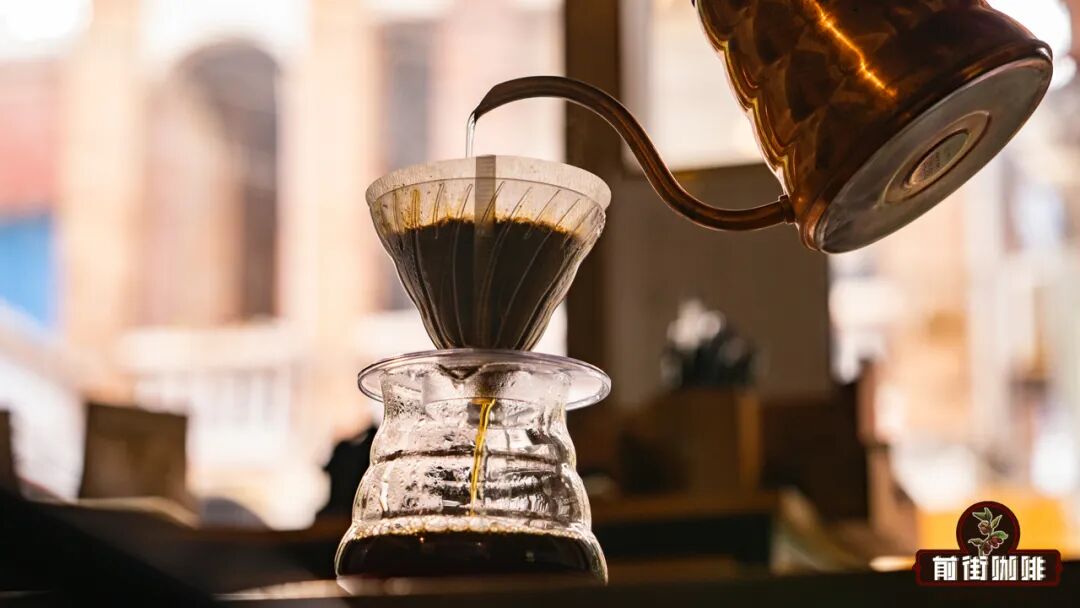
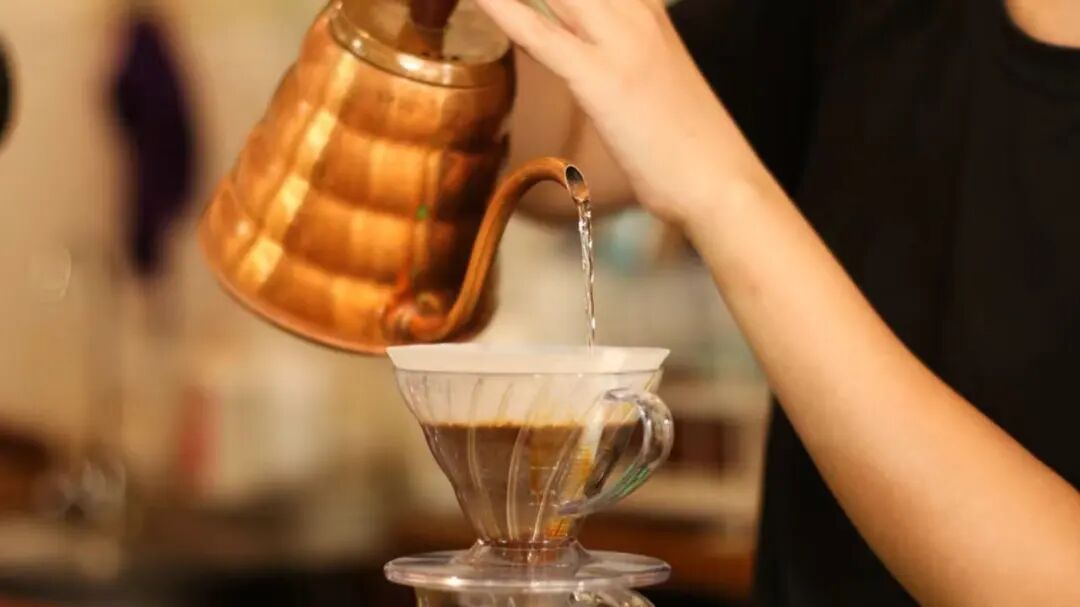
Some coffee enthusiasts choose to pour from a higher position to increase the stirring effect of the water column on the coffee grounds, believing this can enhance extraction. However, if the pouring height is too high, the hot water may cool significantly as it falls through the air before reaching the coffee bed, resulting in insufficient actual brewing temperature and affecting flavor release. Experiments have shown that for every fist-height increase in pouring position, the water temperature may drop by several degrees, thereby reducing extraction efficiency. Moreover, if the water flow isn’t strong enough, high-position pouring can result in intermittent droplets that fail to effectively agitate the coffee bed. It’s recommended to keep the kettle spout about one fist’s distance (approximately 10–15 cm) above the coffee bed, and no more than two fists, to ensure a stable water stream and appropriate agitation.
< >
4. Mistakenly believing that lack of bloom means the beans are not fresh
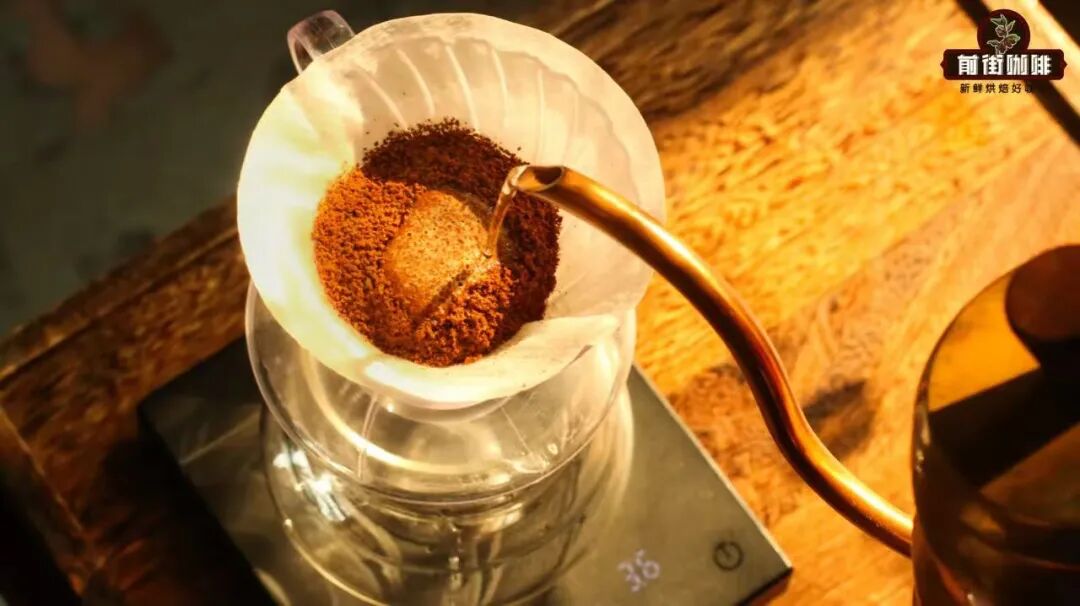
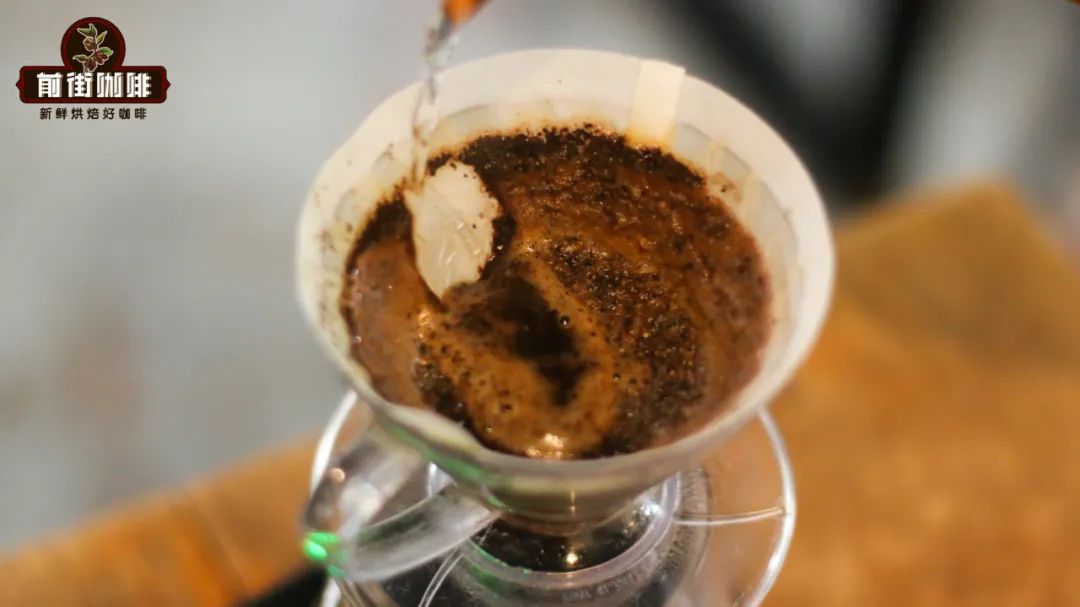
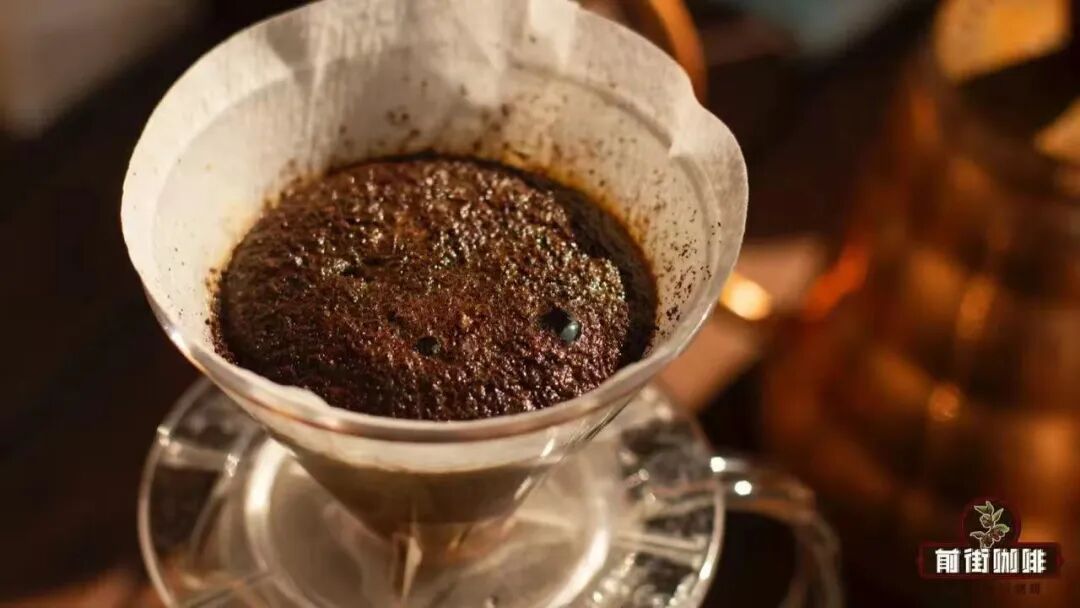
Whether the coffee bed “blooms” during the blooming stage is often used as an indicator of bean freshness, but the reality is more complex. The blooming expansion is primarily driven by the release of carbon dioxide, and CO₂ levels are related not only to roast level and freshness but also towater temperature, grind size, and brewing parameters. For example, higher water temperatures can accelerate CO₂ release, causing the coffee bed to rise quickly; conversely, lower temperatures may result in less noticeable blooming. Additionally, if parameters are not set properly, even fresh beans may release gases more slowly due to lower extraction efficiency. Therefore, lack of blooming doesn’t necessarily mean the beans are stale—it’s advisable to check all parameter settings comprehensively.
< >
5. Incorrectly assuming bitterness only appears in the final stage and wrongly using cutoff to avoid it
Many people believe that coffee bitterness only dissolves significantly in the final stage of extraction, so they use a cutoff method—intentionally stopping the flow of the last few drops of coffee—to avoid bitterness. However, in reality, bitter compounds begin to release from the very first drop of coffee; they just dissolve more slowly compared to acidic and sweet compounds. If overall brewing parameters are off, even with cutoff, the coffee may still taste noticeably bitter. Effective bitterness management should be achieved throughprecise control of grind size, water temperature, pouring speed, and time, rather than simply relying on cutoff. Cutoff is an advanced technique and is not recommended for beginners to try casually.
< >
In summary, the process of learning pour over brewing involves many easily overlooked pitfalls, including parameter settings, pouring techniques, and bloom observation. By understanding these common issues and the correct ways to address them, beginners can adjust their brewing strategies with more confidence and gradually improve their coffee’s flavor profile. Take a moment to reflect on your own experience—have you unknowingly stepped on any of these “mines”?


The above content is compiled by CoffeeHunters, a coffee news website.


