







Introduction:Many coffee beginners often wonder why cold brew pour overs typically use hot water instead of ice water, and some even claim online that delicious coffee can be made with ice water. This article presents a side-by-side test to analyze the limitations and actual performance of ice water extraction, using Colombian Finca La Frontera Geisha beans as an example to explore how different water temperatures affect acidity, sweetness, and extraction efficiency — providing practical reference points for adjusting pour over parameters.
Coffee enthusiasts often ask at certain cafés when trying cold pour over: “Why not just use ice water? Do you really have to use hot water?” Such questions are quite common, especially among newcomers to coffee, who may easily assume that ice water can also produce high-quality pour over — after all, there’s no shortage of online posts sharing “great coffee made with ice water.” But the key question is: if the goal is “delicious taste,” can ice water alone truly achieve that?
From a scientific standpoint, ice water can indeed be used to brew coffee, but if we add the premise of “excellent flavor,” real-world testing at a certain café shows that...relying solely on ice water makes it difficult to extract satisfying coffee flavors.Why is that? Observing the results of ice water brews from this café reveals some clues. The extraction efficiency of pour over coffee is influenced by five main factors: water temperature, grind size, brewing time, agitation intensity, and coffee-to-water ratio. The extremely low temperature of ice water leads to a significant drop in extraction efficiency. To coax out coffee flavors using ice water, other parameters would theoretically need to be adjusted accordingly — such as using an extremely fine grind, increasing agitation, or extending brewing time. For this reason, the café conducted an ice water brewing experiment using an extreme set of parameters.
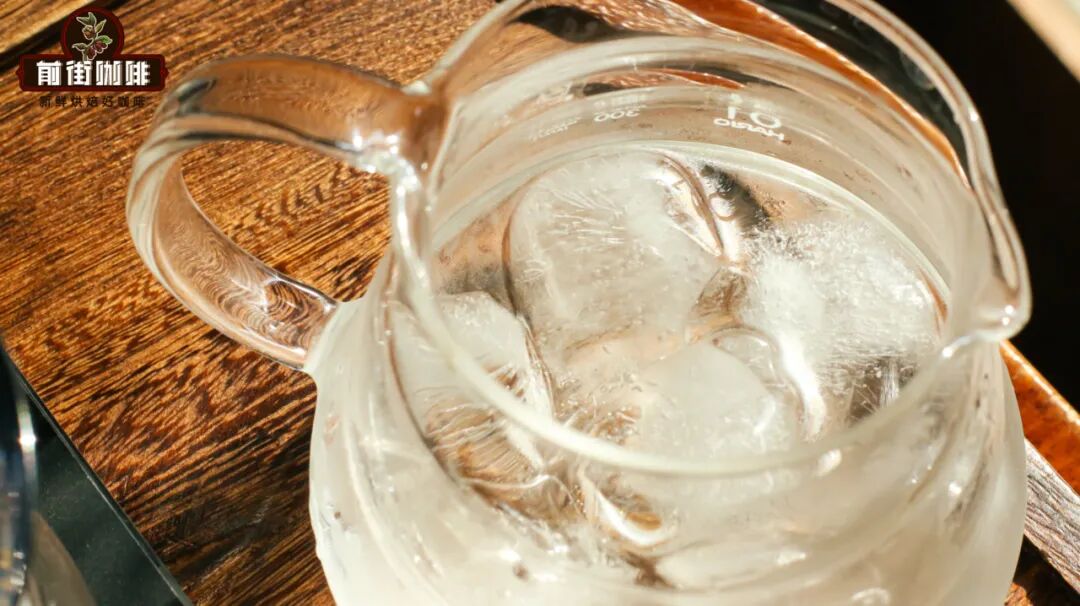
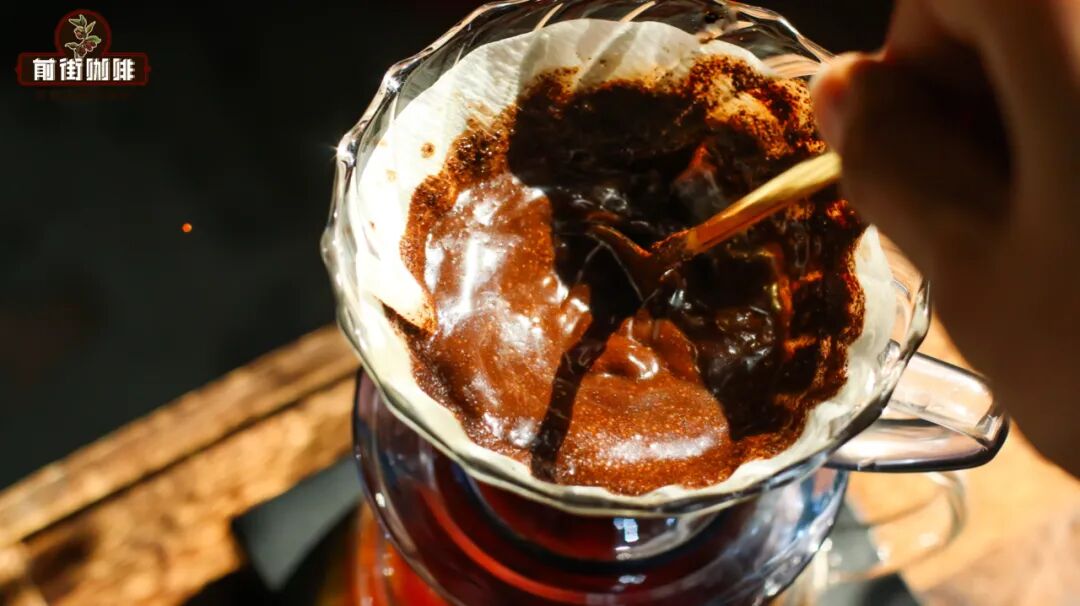
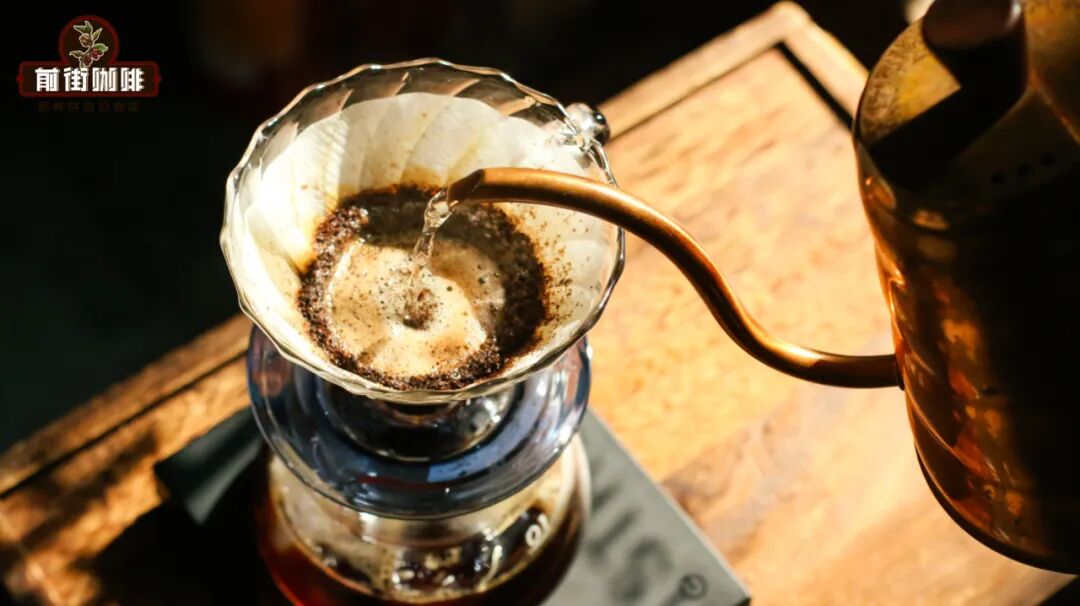
The coffee beans used in this test were “Finca La Frontera · Geisha” from the café’s menu. Under normal cold pour over conditions, these beans exhibit a rich grape juice-like body, notes of passion fruit, apricot sweetness, and a hint of red wine in the aftertaste — a balanced acidity and sweetness reminiscent of refreshing, wine-infused fruit juice. But what kind of flavor changes will non-standard ice water brewing bring? It’s worth finding out. The experimental parameters were set as follows: 15g coffee dose, 4°C water (near freezing), a 1:10 coffee-to-water ratio, a grind size equivalent to setting Q18 on an espresso grinder (roughly flour-fine), and the use of stirring to aid extraction. Given that this method is complex and not practical for everyday use, the following will simplify the process — essentially dividing the water into three equal pours, each accompanied by full manual stirring.
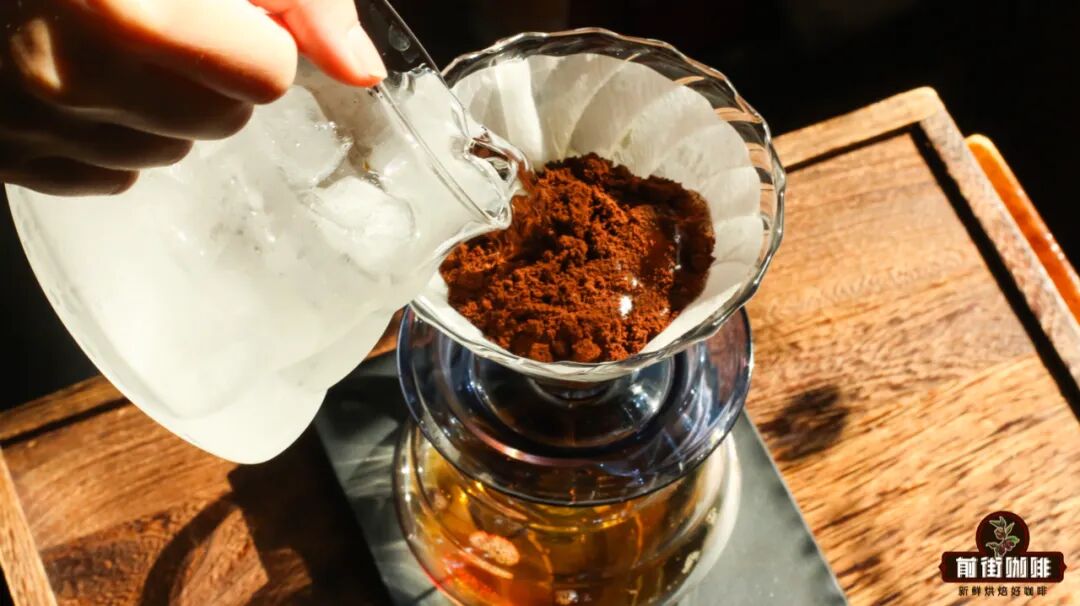
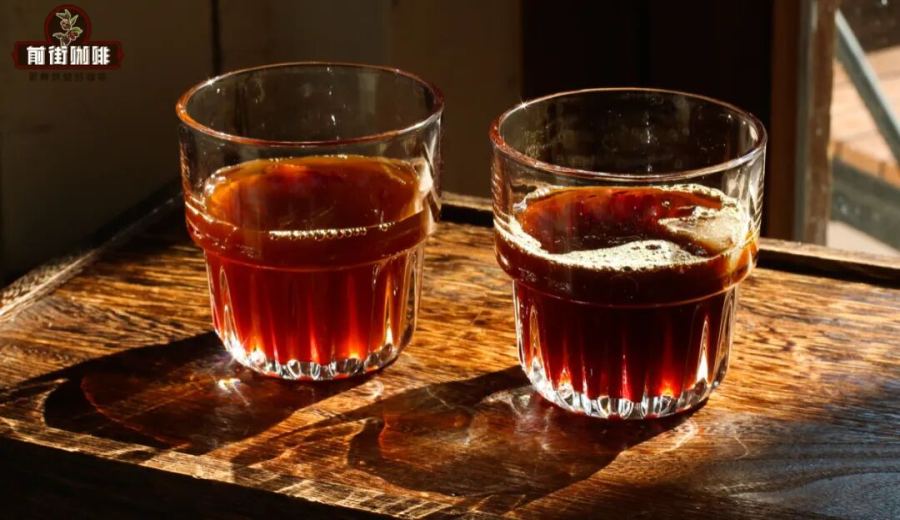
After a total of 5 minutes, compared to the pour over on the right brewed with conventional hot water (around 90–93°C, standard parameters), the ice water brew on the left is noticeably lighter in color (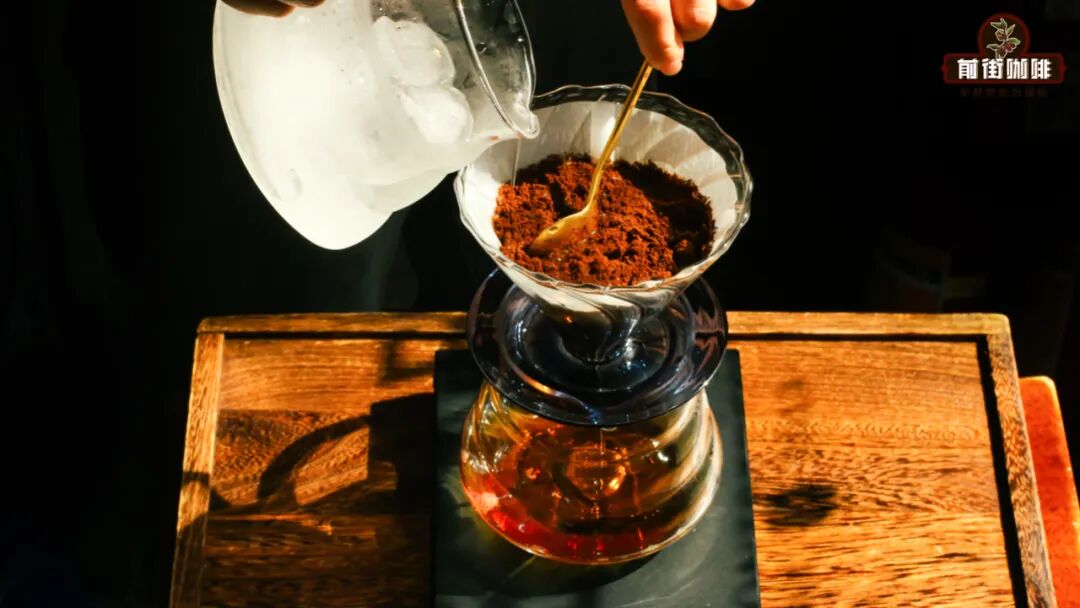 ). In terms of flavor, similar to the previously shared “One-Minute Ice Water Cold Brew” experiment, only faint coffee aroma could be detected, with an overall taste as insipid as “water with a hint of coffee flavor.” The experiment confirmed that even with the finest grind, continuous stirring, and a five-minute brew time, ice water still fails to effectively dissolve the flavor compounds in coffee.
The reason lies in ice water’s low extraction efficiency, which makes it difficult to quickly soften coffee grounds and penetrate their interiors — naturally failing to efficiently release flavor compounds. Even switching to pressurized extraction methods (such as the high-pressure mode of an AeroPress) still struggles to overcome the limitations of ice water within a short timeframe. Therefore,it is not recommended to use low-temperature water for short-duration extractions (such as pour over or espresso)— the inherently inefficient nature of ice water means it can’t rapidly extract a rich array of flavors like hot water can.
If you only have ice water on hand but still want to make coffee, a more viable option is to switch to cold brew or cold drip methods. These techniques rely on extended steeping times (typically several hours to overnight), allowing ice water ample time to slowly permeate the coffee grounds and gradually draw out the internal flavor essences (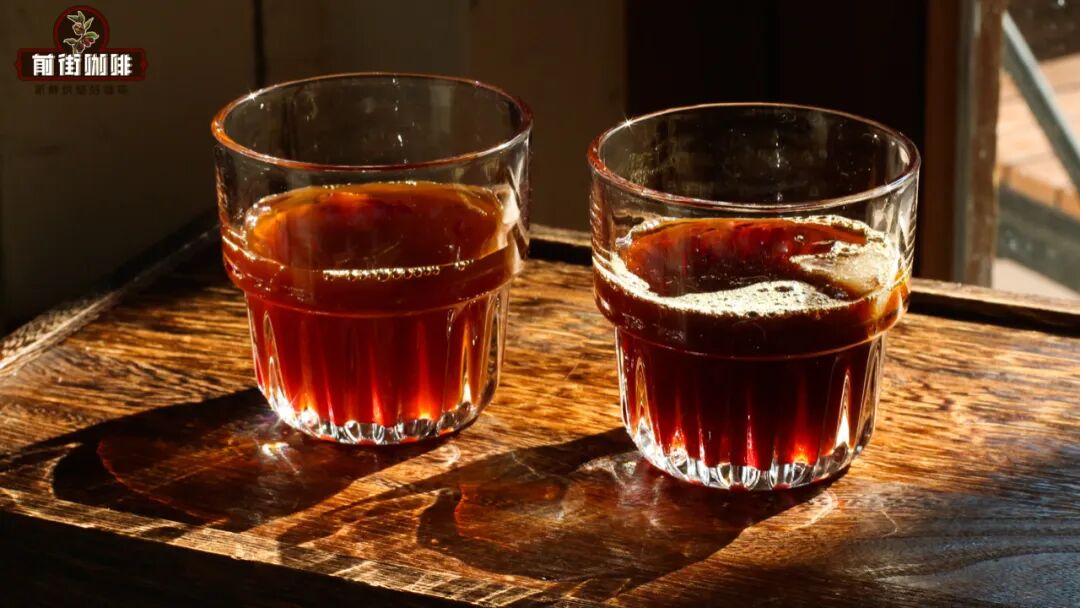 ).
Returning to the original question: Can ice water really brew a delicious pour over coffee? The answer is clearly no — at least under normal brewing conditions and within reasonable timeframes, ice water’s low extraction efficiency simply can’t meet flavor expectations. However, by understanding the relationship between water temperature and extraction parameters, coffee enthusiasts can more precisely adjust their brewing strategies. Whether pursuing the bright fruit acids of a cold pour over or the rich body of a hot brew, the optimal water temperature and technique can be found. As for the specific flavor differences of Colombian Finca La Frontera Geisha in this experiment, readers are encouraged to try it themselves and experience how temperature reshapes the soul of a cup of coffee.
The above content is compiled by CoffeeHunters, a coffee news website.


