







Introduction:This article provides a complete beginner’s guide to pour over coffee, covering everything from equipment selection and bean freshness to profiles of seven classic origin beans. It offers detailed analysis on the geography, processing methods, and brewing flavors of renowned regions such as Ethiopia, Guatemala, and Colombia. Additionally, it recommends seven cost-effective everyday beans to help readers discover their preferred flavor profiles.
The key to brewing a delicious cup of pour over coffee at home is selecting the right beans. This article starts with basic concepts, introduces the core elements of pour over coffee, and carefully selects seven everyday beans from global classic origins — including Ethiopia, Guatemala, Colombia, Brazil, Costa Rica, Indonesia, and Yunnan. It deeply explores how terroir and processing methods influence flavor, helping you build a clear approach to choosing beans.
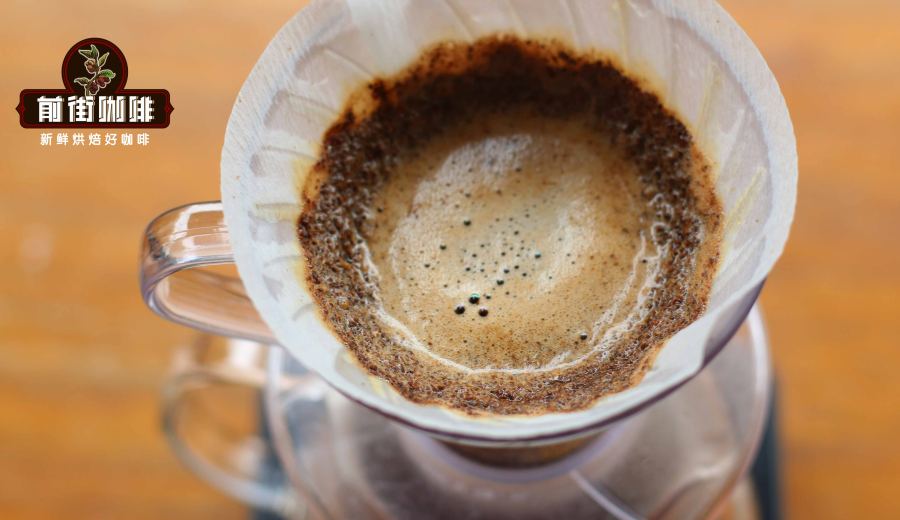
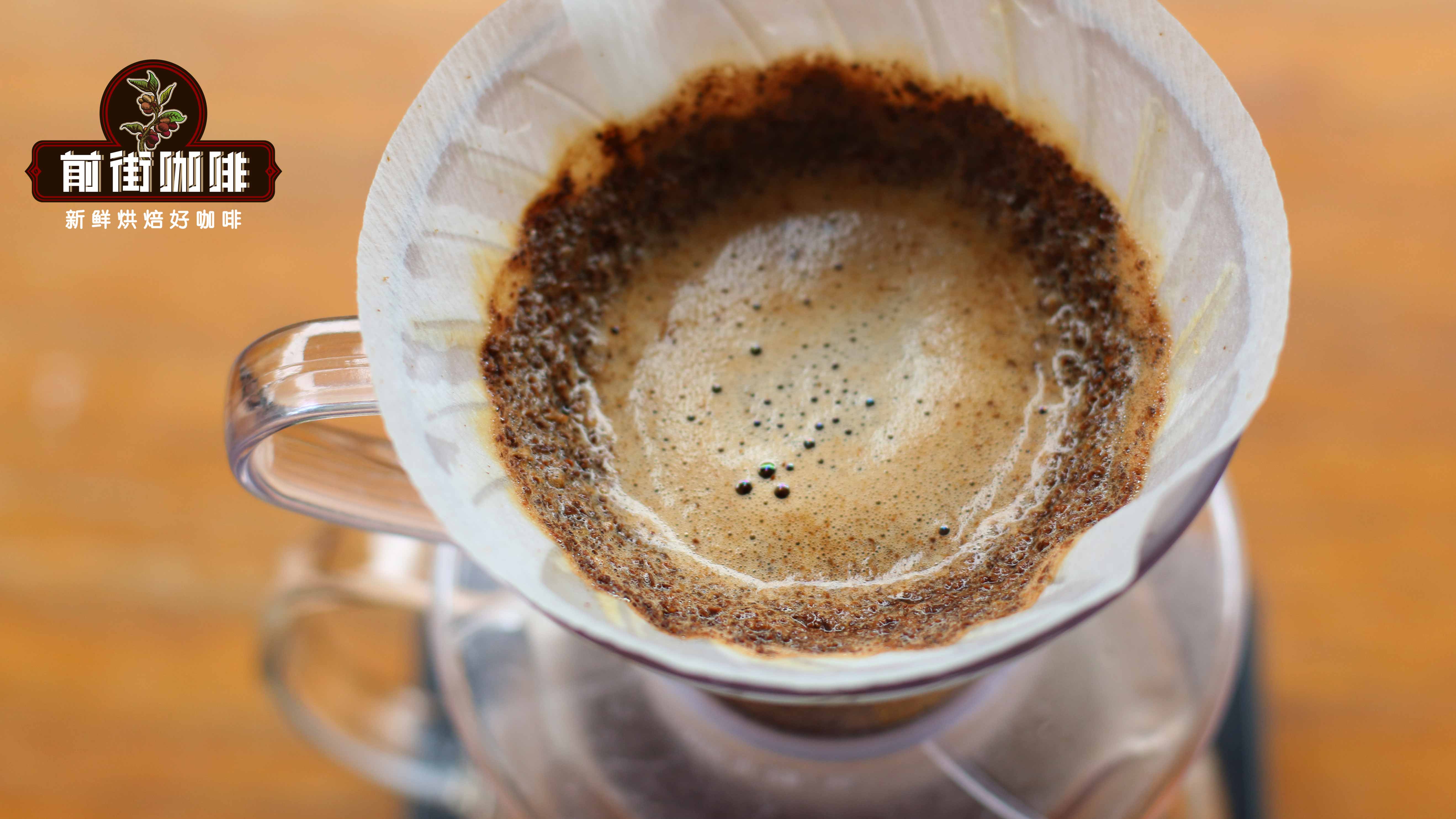
Pour over coffee, as the name suggests, involves manually controlling the water flow to evenly pour hot water over ground coffee. The brewed liquid is then separated from the grounds using a filter paper or device, resulting in a clean and layered black coffee. This process not only depends on the quality of the beans themselves but is also closely related to grind size, water temperature, pouring technique, and time. Every step, from bean selection to brewing, affects the final flavor.
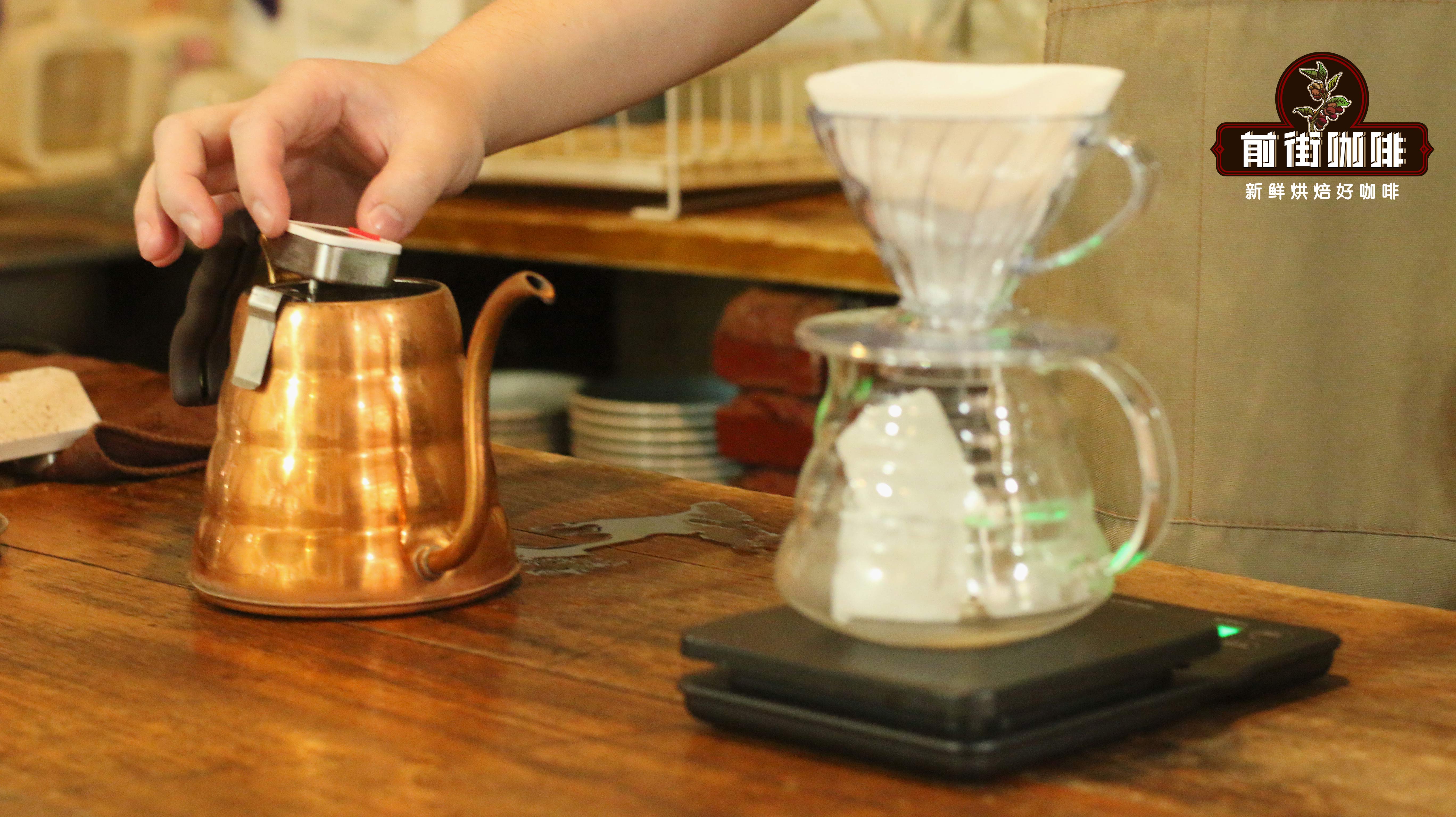
To successfully brew an ideal cup of pour over coffee, aside from the coffee beans, essential equipment is also indispensable. It is recommended to prepare a stable pour over kettle for controlling water flow and angle; a dripper and filter paper to filter out coffee grounds and ensure a clean taste; as well as an electronic scale, thermometer, grinder, and server — all of which are fundamental tools for stable extraction. Among these, the water temperature is generally recommended to be between90°C and 96°C. Fine-tuning based on bean variety and roast level can help bring out different flavor layers.
Selecting freshly roasted coffee beans is equally important. Generally, the4th to 30th dayafter roasting is the optimal drinking period for pour over, when the beans’ aroma and flavors are most vibrant. Brewing too early may negatively affect extraction due to incomplete degassing, while brewing too late may lead to oxidation and flavor loss. It is advised to store the beans properly after purchase — protecting them from light, moisture, and oxygen — to maintain their best condition.
Next, we introduce seven everyday beans from major global origins. These beans not only offer great value for money but also represent typical flavor characteristics of their regions, making them suitable for beginners’ daily drinking and practice in brewing techniques.
Ethiopia Washed Yirgacheffe
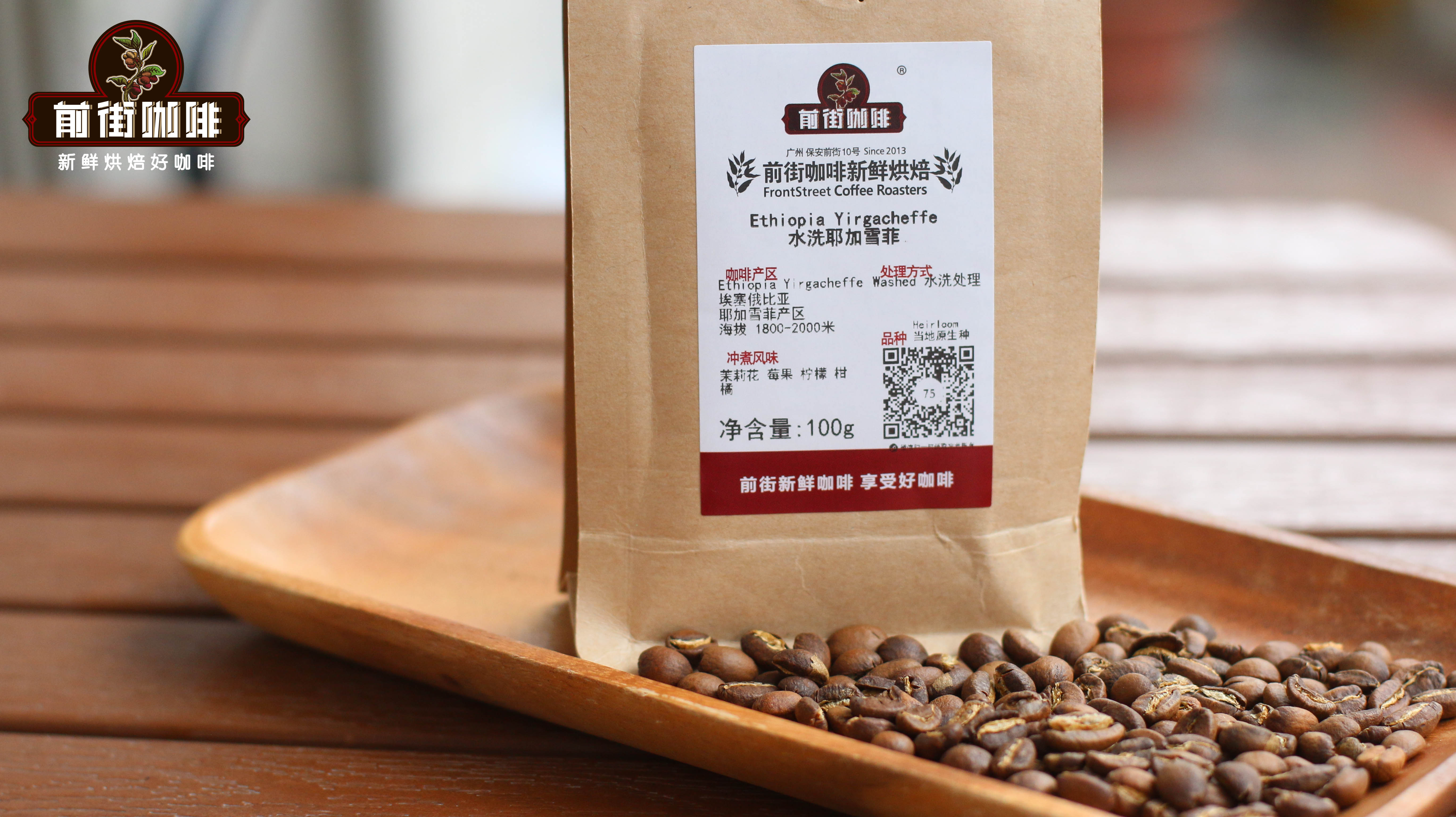
Yirgacheffe is an entry-level specialty coffee for many, known for its bright citrus and lemon acidity, paired with jasmine, white floral notes, and a tea-like body. Since the introduction of washed processing in 1972, this region has used the washed method to remove impurities and defective beans, significantly improving cleanliness and aroma expression. A recommended medium-light roasted Yirgacheffe suits pour over, cold brew, and French press, offering a clean acidity with a subtle sweet finish.
Guatemala Washed Huehuetenango
Located in the western highlands of Guatemala, Huehuetenango reaches elevations of up to2000 meters, featuring a dry climate and fertile soil ideal for cultivating high-quality coffee. Most coffees from this area are classified as SHB (Strictly Hard Bean), and after washed processing, they exhibit rich citrus and nutty aromas. With a medium-light roast, the acidity and sweetness are well-balanced, and the finish carries a slight smoky note, making it suitable for those who enjoy complex flavor profiles.
Colombia Washed Huila
The Huila region is known for its volcanic soil and moderate climate. Coffee trees are mostly planted in high-altitude mountainous areas, resulting in bright acidity and chocolatey tones. A recommended medium-dark roasted washed Huila enhances the rich mouthfeel while retaining moderate fruit acidity and a sweet aftertaste, making it ideal for users who prefer balanced flavors without excessive intensity.
Brazil Natural Cerrado
Brazilian coffee is characterized by low acidity, full body, and balance, often used in espresso blends. The Cerrado region sits at elevations between800 and 1300 meters, with distinct seasons, producing coffee with notable nutty and creamy aromas. This semi-washed Red Bourbon process adds a touch of sweetness and wine-like notes, appealing to consumers who enjoy a fuller body.
Costa Rica Washed Tarrazú
The Tarrazú region features altitudes of1200 to 1700 metersand fertile volcanic soil, ensuring stable coffee quality. This washed blend of Caturra and Catuaí offers soft acidity and a full body, with balanced flavors of berries and nuts, suiting those who prefer milder profiles.
Indonesia Wet-Hulled Mandheling
Indonesia’s unique wet-hulling process gives its coffee distinctive spicy and herbal notes. Mandheling undergoes brief sun drying and wet-hulling, resulting in a bold flavor with woody and spicy layers — a classic representation of the “Mandheling taste,” perfect for those who enjoy stronger profiles.
Yunnan Baoshan Washed Small Bean Coffee
The Baoshan Lijiangba region in Yunnan features a dry-hot valley climate with significant day-night temperature variation, producing small beans with high sweetness and a pronounced aftertaste. This medium-light roasted washed bean exhibits nutty, brown sugar, and herbal aromas with soft acidity, making it an excellent choice for experiencing domestic specialty coffee.
The above content is compiled by CoffeeHunters, a coffee news website.


