








Introduction:Caturra, as a compact and high-yielding Arabica variety, has been widely cultivated in Central America due to its suitability for dense planting and ease of management, becoming a reference benchmark for the development of many new varieties. This article delves into the breeding background of Caturra, its development journey from Brazil to Central America, and the changes in its planting proportion in major producing regions such as Colombia. At the same time, we break down an actual pour over case, offering detailed parameter suggestions and flavor stage analysis to help coffee enthusiasts master more precise brewing techniques.
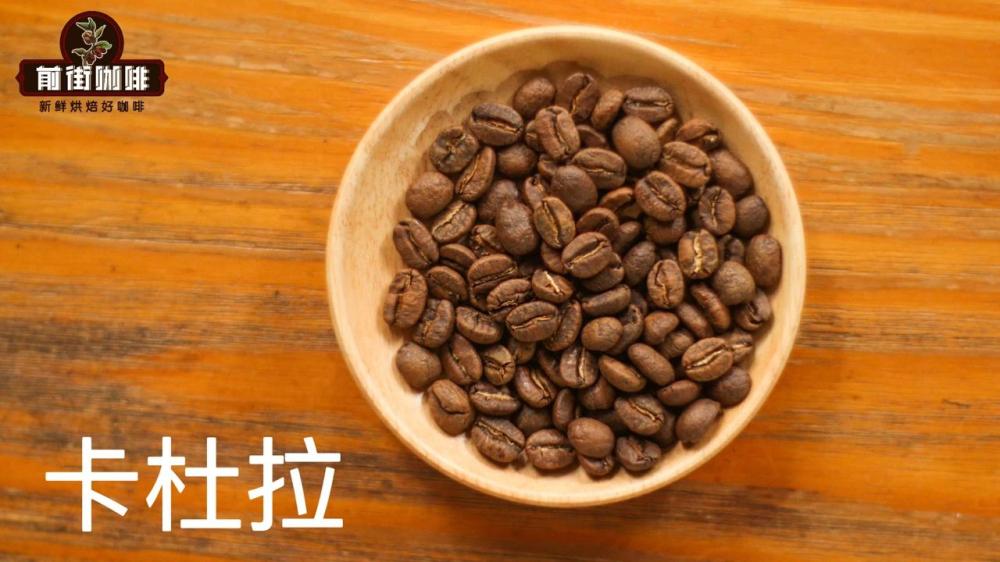
Caturra is an Arabica coffee variety characterized by its short plant stature and dense secondary branching. Due to its suitability for high-density cultivation, it can significantly increase yield per unit area on the same land while also facilitating harvesting and management. These advantages have made it an important cash crop in the Central American region and had a profound impact on the local coffee industry.
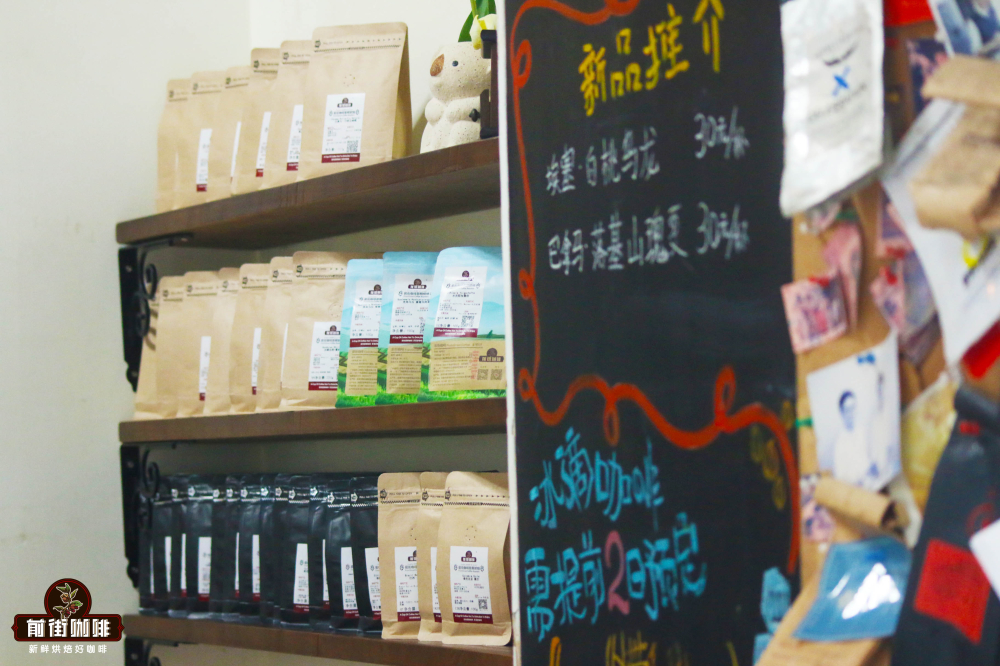
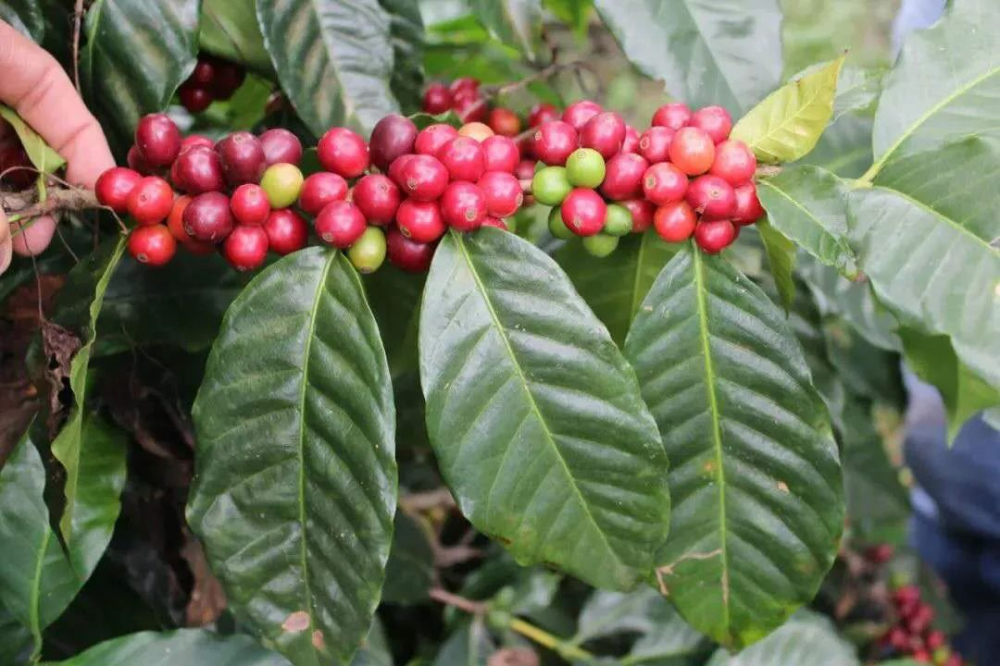
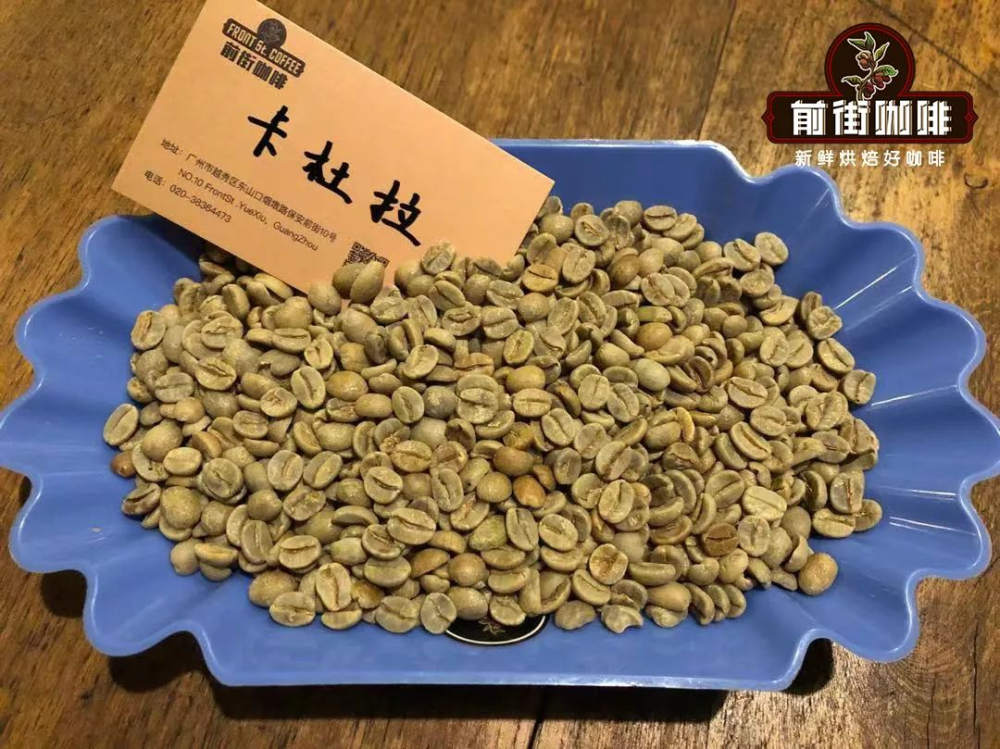
Caturra originally originated from the breeding program of Brazil’s IAC research institute, and was later introduced to Guatemala in the 1940s. However, it did not achieve large-scale promotion for the next approximately thirty years. It wasn’t until the 1970s that the variety gradually spread to neighboring countries such as Costa Rica, Honduras, and Panama, eventually becoming one of the main cultivated varieties in Central America. Notably, due to its stable agronomic performance and flavor profile, Caturra is often used as a “performance benchmark” for newly developed varieties, helping to evaluate the potential of new varieties in cupping and yield.
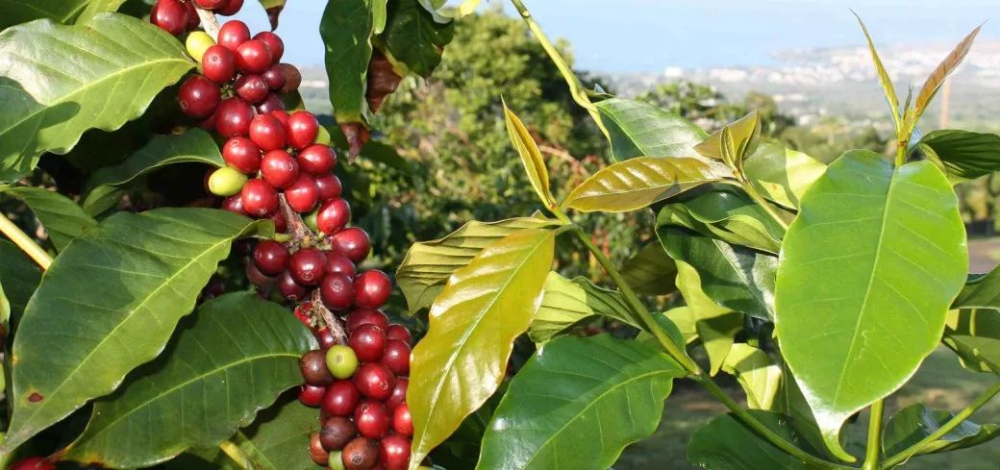
In Colombia, Caturra once accounted for a relatively high proportion of plantings, once approaching nearly half of the country’s total production. However, by 2008, as the government launched a program to promote leaf rust-resistant varieties—gradually replacing older plants with disease-resistant strains such as Castillo (whose genetic background also originates from Caturra)—the planting proportion of Caturra declined year by year, though it remains an important variety.
In the coffee offerings of many well-known coffee brands and roasteries, Caturra can often be found. For example, in blends or single-origin profiles such as Panama Geisha (Flor de Panama), Colombian Rose Valley, Honduran Lichilindo, and Guatemalan Fleur de Café, Caturra is one of the key component varieties, contributing an indispensable role to the overall flavor complexity.
Taking Colombian Rose Valley as an example, this coffee comes from Finca El Paraiso in the Santander region. It is processed using an anaerobic enzyme-washed method, grown at an altitude of 1700 meters, and is of pure Caturra variety. In terms of flavor, it often exhibits distinct rose floral notes, accompanied by complex layers of peach, cream, cranberry, and winey chocolate. It is ideal for savoring through the pour over method.
Recommended pour over parameters are as follows: 15 grams of coffee grounds, using a V60 filter cone, with a brew ratio set at 1:15, and water temperature controlled at 90°C. A three-stage pour is employed: first, a fine stream of 30 grams of hot water is poured for a 30-second bloom (timing starts when pouring begins) to help release gases and activate the coffee bed; then the second stage uses an even finer stream to pour up to 125 grams; the final stage slightly increases the water flow to pour up to 225 grams, with the overall extraction time recommended to be around 2 minutes.
This process, starting with a bloom, effectively encourages the coffee bed to uniformly “open up,” releasing carbon dioxide accumulated during roasting and laying a solid foundation for subsequent flavor extraction. Generally speaking, fruit acids are the first to be extracted during pour over, followed by sweetness-related compounds, while bitterness tends to appear later. It’s worth noting that not all acidic compounds are pleasant—for instance, certain phenolic derivatives may introduce astringency and dry aftertaste—so controlling extraction variables is particularly important.
Taking a washed Caturra from Colombia’s Huila region as an example, this single-origin coffee immediately presents roasty notes of chocolate, nuts, and caramel upon entry, with a full body and clear sweetness. The overall mouthfeel is moderate, and the flavor profile is clean and refreshing. As the temperature drops, more delicate and soft acidity can be perceived, adding layers and enhancing the aftertaste of the overall flavor.
The above content is compiled by CoffeeHunters, a coffee news website.


