








Introduction:Africa and the Americas are two of the world’s most important coffee-growing regions, each with its own distinct flavor profile. African beans are known for their pronounced fruity aromas and vibrant acidity, reminiscent of a refreshing fruit tea; whereas American beans showcase a rich, balanced taste with layers of caramel and nutty notes. This article takes you on a deep dive into the representative coffee varieties from these two major regions, exploring everything from terroir and processing methods to cupping profiles, helping you discover your personal coffee preferences.
In the world of specialty coffee, the origin is often the key factor that shapes the flavor direction. African coffees are renowned for their bright floral and fruity tones and lively acidity, offering a taste as fresh and vibrant as freshly squeezed juice; in contrast, American coffees are celebrated for their full-bodied, balanced flavors, with caramel sweetness and nutty notes interwoven for a smooth and refined mouthfeel. This article will explore classic representative beans from Africa and the Americas, analyzing their regional characteristics, processing techniques, and cup characteristics, guiding you step-by-step from flavor profiles to finding your ideal choice.

If you’re a drinker who prefers bright acidity and explosive fruitiness, African beans are definitely an option you shouldn’t miss. These coffees typically come from high-altitude regions where large day-night temperature variations help the coffee cherries accumulate sugars and aromatic compounds, resulting in their unique fresh and vibrant character. In contrast, the American regions, due to differences in geography and climate, often produce coffees with rounder, more balanced profiles, highlighted by warm notes such as caramel, nuts, and cocoa.
Next, we’ll take an in-depth look at three well-known bean varieties from Africa—including Ethiopia’s Yirgacheffe Red Cherry and Limu G2, as well as Burundi’s African Heart—and compare them with two American representatives—Costa Rica honey process and Honduras San Juan Xi Duo—to analyze their terroir, processing methods, and flavor characteristics one by one.
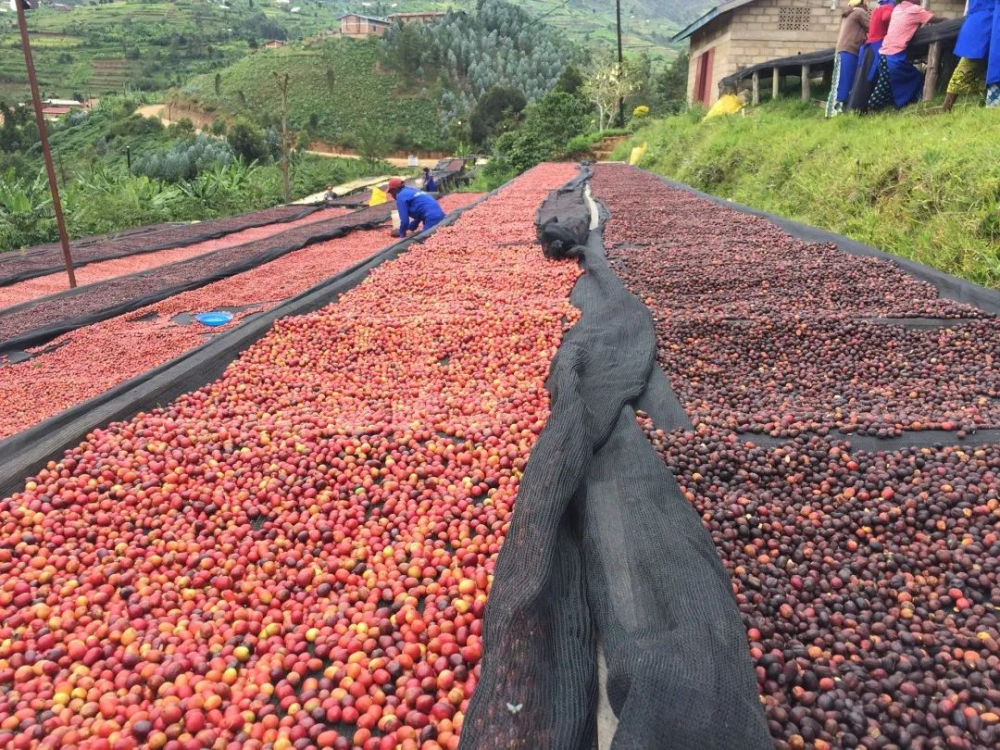
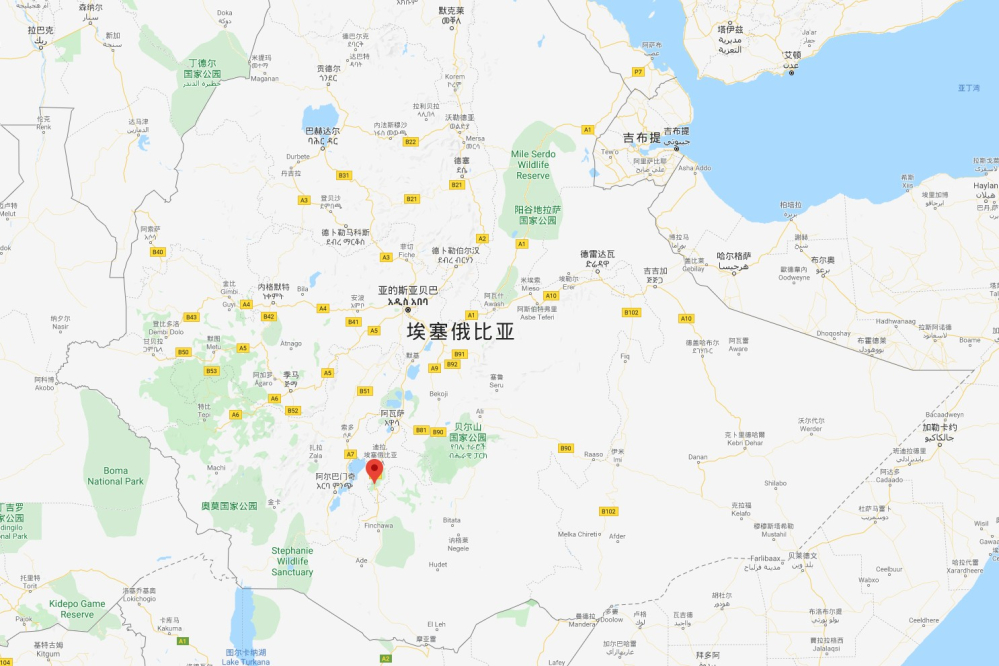
The Yirgacheffe region in Ethiopia is one of the highest-altitude coffee-growing areas in the world, situated at about 1,700 to 2,100 meters above sea level. With its mild, humid climate and year-round cloud cover, this environment is highly conducive to the slow maturation of coffee cherries and the accumulation of flavors. The region’s famous “Red Cherry Project” emphasizes harvesting only 100% fully ripe red coffee cherries, with careful hand selection to ensure quality—this is also one of the reasons why this natural-processed bean tends to be relatively expensive.
This Yirgacheffe Red Cherry is processed using meticulous natural drying. The coffee cherries are placed directly on raised beds after harvest to dry, avoiding contact with ground impurities, and the entire process lasts over two weeks until the fruits turn dark brown. This method maximally preserves the natural sugars and fruity aromas from the pulp, giving the coffee a rich dried fruit profile, such as plum, strawberry, and lemon, with a mid-palate sweetness akin to honey and a finish that carries a chocolatey richness. The overall flavor is similar to a fruit-infused black tea, with soft acidity and moderate body.

Limu G2 from the Limu region, although slightly less internationally renowned than Yirgacheffe, enjoys a loyal following in European and American markets. The region sits at around 1,850 to 1,900 meters above sea level, primarily cultivating native Ethiopian varieties, mostly grown organically by smallholder farmers. The soil is metamorphic, and while the growing conditions are more challenging, they impart unique aromatic traits to the coffee.
This bean is washed processed, during which flowing clean water is used to remove the skin, pulp, and mucilage, followed by a lengthy drying period, usually taking 1 to 3 weeks. The advantage of the washed method lies in its ability to highlight clarity and acidity. Limu G2 presents a refreshing grassy note, accompanied by the tartness of apple and dark plum, with a mid-palate that reveals caramel and nutty sweetness, and a finish that echoes cocoa and berry notes. The overall mouthfeel is relatively mild, with a light body but distinct layering.

Coffee in Burundi is mostly grown by smallholders in highland areas, at elevations of about 1,400 to 1,700 meters. The rugged terrain, often terraced, makes mechanized farming difficult, relying almost entirely on manual management. The country’s “African Heart” coffee mainly comes from well-known regions such as Kayanza and Ngozi, predominantly featuring Bourbon and its variants, with processing methods typically being washed or semi-washed, and exports mainly targeting Europe, America, and Japan.
This Burundi African Heart employs a double-washed process: first removing the skin and pulp, then soaking the beans to clean them further, and finally drying them on raised beds under the sun. This technique effectively improves bean consistency and cleanliness, reducing defective flavors. In cupping, this bean exhibits intense citrus acidity and a tea-like body, with light yet structured acidity, along with layered flavors of kumquat, plum, lemon, and dried fruit. The finish carries caramel notes, delivering a profile that is both wild and refined.
Turning to the American regions, Costa Rica is known for its volcanic soils and stable microclimates. The country is divided into eight major producing regions, with the Central Valley being the earliest developed area. Costa Rica’s honey process is one of its standout features, a technique that retains some or all of the fruit’s mucilage layer, allowing the coffee to absorb more sugars during sun drying, thereby enhancing sweetness and flavor complexity.
Honey processing is categorized by the percentage of mucilage retained: yellow honey (60%), red honey (75%), and black honey (nearly 100%). The sugars and enzymes in the mucilage penetrate the bean core during drying, imparting richer fruitiness and sweetness. A certain coffee shop’s Costa Rica honey-processed offering, primarily of the Catuaí variety, delivers a flavor profile where floral and creamy notes intertwine, with distinct layers of fruitiness including lemon, sweet orange, plum, and peach, alongside a juicy sensation akin to grapefruit. The overall taste is balanced and refined, with a naturally pure sweetness.
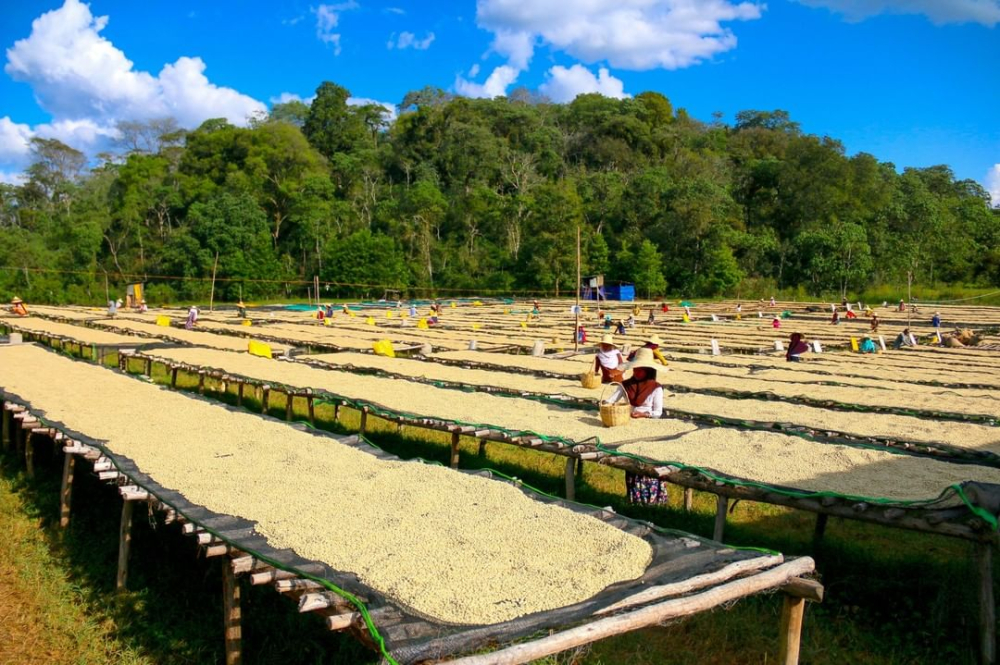
San Juan Xi Duo village in Honduras is located about 40 kilometers northeast of the capital, within the jurisdiction of Francisco Morazán, adjacent to the buffer zone of La Tigra National Park, boasting a complete rainforest ecosystem. The area sits at an altitude of about 1,450 to 1,550 meters, with a cool climate and abundant rainfall, making it highly suitable for high-quality coffee cultivation.
This coffee is washed processed, with a strict selection of only fully ripe coffee cherries. After removing floaters, the skin and pulp are removed by machine, followed by 10 to 12 hours of fermentation, then rinsing and drying on African beds for 8 to 10 days. This process imparts a gentle fruity aroma and a full-bodied mouthfeel. The flavor is dominated by caramel sweetness, accompanied by roasted nuts and milk chocolate notes, with a finish that hints at subtle spices and oolong tea, featuring a full body and rich layering.
In summary, African beans, with their bright fruitiness and lively acidity, are ideal for drinkers who enjoy fresh, tea-like profiles; whereas American beans, with their rich balance and layered sweetness, cater to those seeking stability and creamy textures. No matter which style you prefer, a deeper understanding of regional characteristics and processing methods will enrich your sensory experience when tasting coffee.
The above content is compiled by CoffeeHunters, a coffee news website.


