







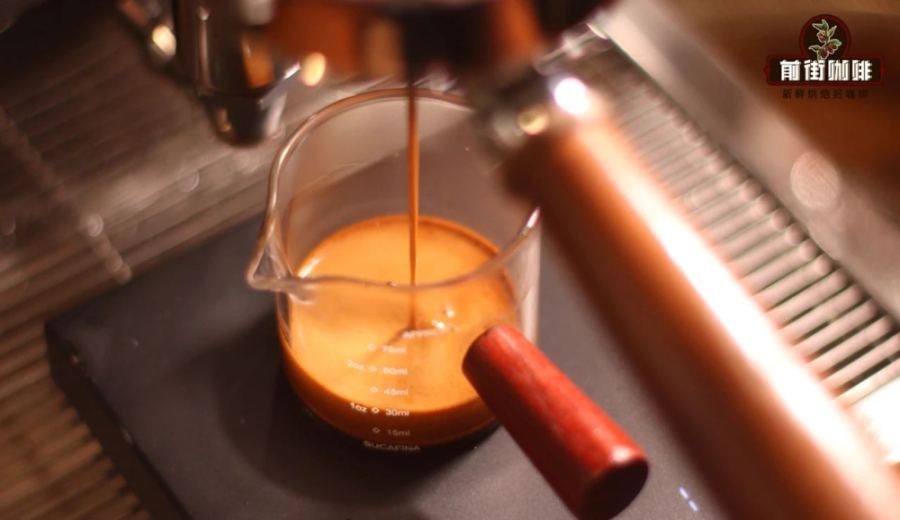
Introduction:SOE (Single Origin Espresso) is a popular item in the specialty coffee scene in recent years. It’s an espresso made from single-origin coffee beans that highlights the distinct regional flavors. This article not only explains the difference between SOE and blended beans, but also analyzes the logic of selecting beans based on acidity and sweetness profiles. Taking Brazilian Cerrado beans as an example, it breaks down extraction parameters and step-by-step instructions for making a Dirty coffee, helping you master key techniques from bean selection to serving.
When you walk into a coffee shop and the barista asks if you’d like an SOE, you might not immediately understand what it means. SOE stands for Single Origin Espresso — an espresso made using beans from a single origin. This method not only showcases the unique flavor characteristics of the region, but also allows for various brewing styles such as SOE Americano, SOE Latte, and even the flavor-contrasting SOE Dirty.
The rise of specialty coffee has led consumers to seek the stories behind their coffee and enjoy clearer flavor profiles. Traditional espresso often uses blends, aiming to balance cost, consistency, and flavor while leaning towards nutty, caramel-like tones and darker roasts. In contrast, SOE goes against the grain by focusing on the characteristics of a single-origin bean, making the terroir the star of the cup.
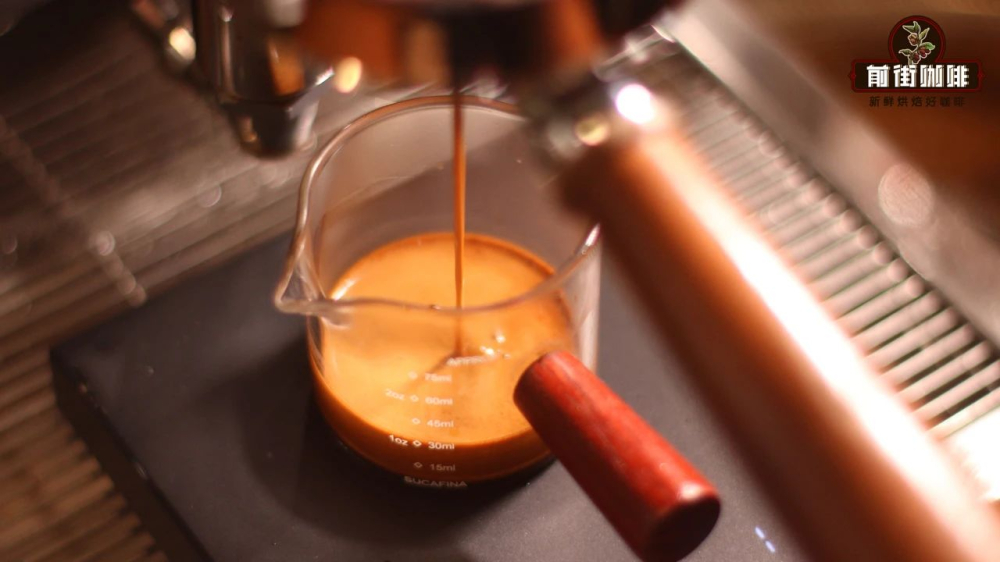
Blends typically combine beans from two or more origins. For considerations such as cost, supply stability, and overall flavor balance, beans from major coffee-producing countries are commonly used. The advantage of blends is their consistent flavor and ease of control, making them ideal for milk-based coffees like lattes or cappuccinos. On the other hand, SOE emphasizes the uniqueness of a single origin, allowing you to taste distinct regional traits such as citrus, berries, nuts, or chocolate.
So, is SOE coffee tasty? The answer depends on your preferred flavor profile. If you enjoy bright fruit acidity and floral notes, you might opt for an SOE with pronounced acidity, such as beans from certain African or Central American regions. If you prefer a richer, lower-acidity cup, a dark-roasted SOE from South America or Southeast Asia may suit you better. Understanding your flavor preferences is the first step to choosing the right SOE.
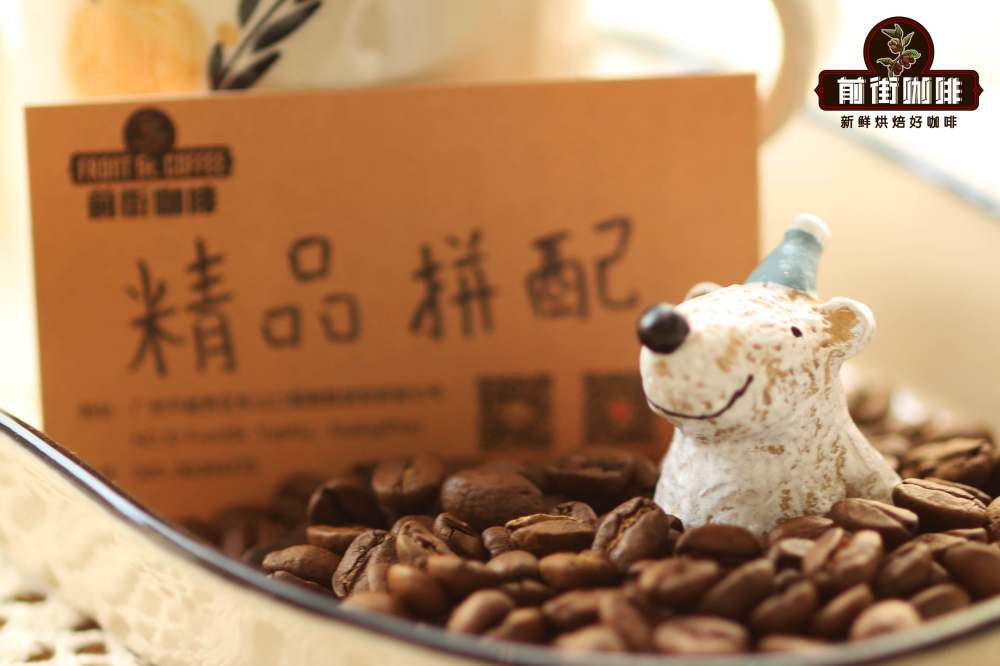
Take Brazilian Cerrado as an example. Coffee beans from this region typically feature low acidity, a full body, and flavors of nuts and chocolate, making them an excellent base for SOE. When these beans are used to make espresso, they deliver a rich and layered taste, especially appealing to coffee lovers who appreciate balanced yet distinctive profiles.
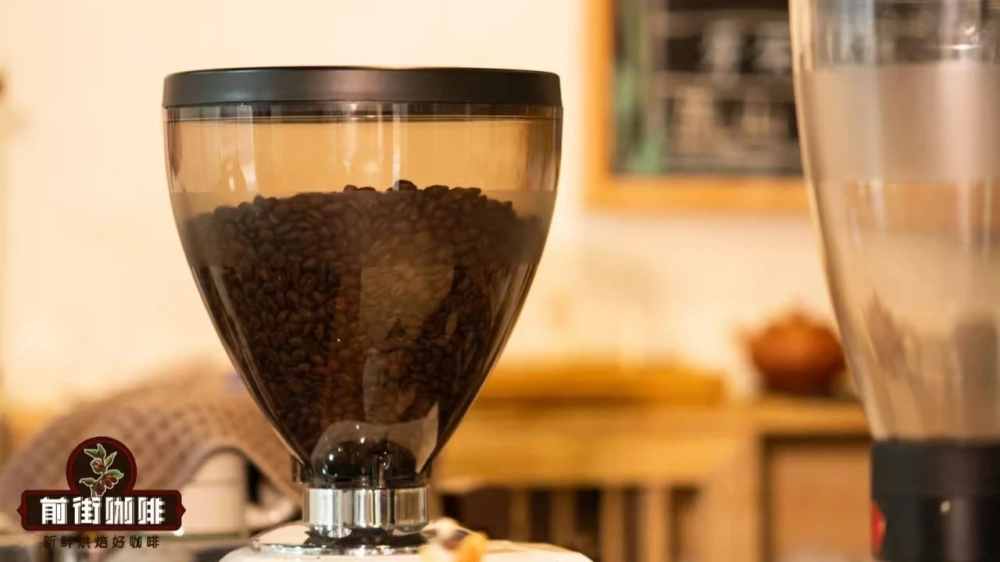
To extract a high-quality SOE, choosing the right beans is essential, but so are the extraction parameters. Below are practical extraction settings using Brazilian Cerrado coffee beans, suitable for home or small commercial machines:
Coffee beans: Brazilian Cerrado
Coffee powder amount: 20 grams (double basket)
Espresso output: 40 grams
Coffee-to-water ratio: 1:2
Extraction time: 26–33 seconds
Grind size: approximately equivalent to Galileo 2.0 setting (adjust according to your machine)
This set of parameters yields an espresso with moderate concentration, smooth texture, and clear flavors. It’s recommended to use an espresso machine capable of delivering stable pressure above 9 bars, paired with a precise grinder, to ensure consistent extractions. A reminder: extraction times under 20 seconds may result in under-extraction and weak flavors, while exceeding 35 seconds can lead to over-extraction and unwanted burnt or bitter notes.
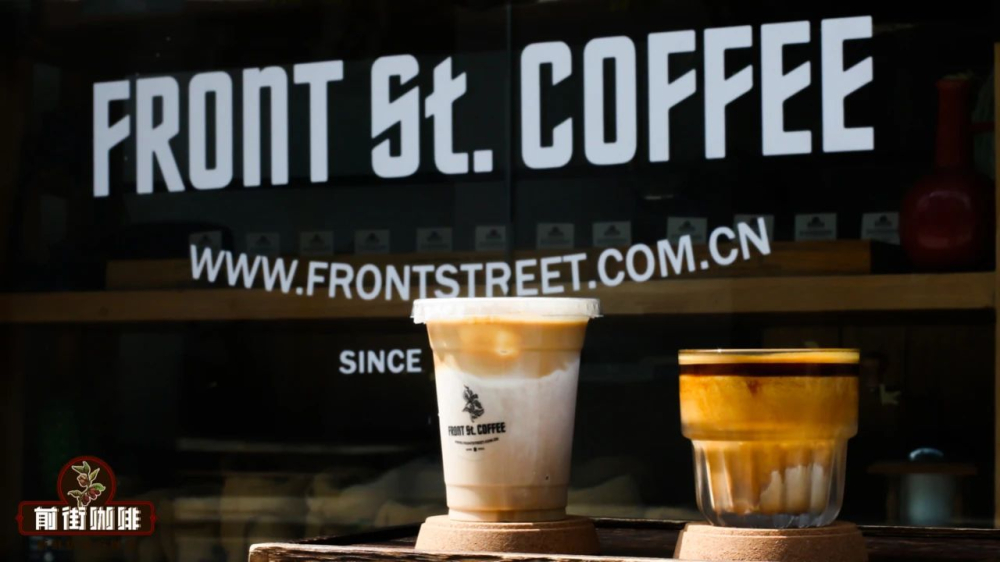
Next, let’s make a Brazilian SOE Dirty with a striking flavor contrast. Prepare a transparent glass cup of about 200 ml, and pour in 160 ml of cold fresh milk first to create a visual and textural contrast of hot on top and cold below. Start by adding 20 grams of ground coffee into the portafilter, distribute it evenly with a distribution tool, then tamp it down to ensure uniform puck density, which helps stabilize extraction.
Before starting the extraction, you can add a small amount of water to wet the coffee puck — this step is called “pre-infusion” — to remove residual oils and promote more even extraction. Then begin the actual extraction, aiming to collect 40 grams of coffee in 28–33 seconds. Once the target weight and time are reached, stop the extraction immediately and pour the espresso directly onto the cold milk to complete your Brazilian SOE Dirty.
The highlight of this Dirty is the collision between the hot espresso and the cold milk. The first sip brings intense notes of nuts and caramel, followed by the silky smoothness and subtle sweetness of the milk, creating a cup with distinct layers and strong contrasts. For a bolder flavor, you can slightly extend the extraction time, but be cautious not to over-extract. If you prefer brighter acidity, choose a light to medium roast SOE bean and adjust the grind size to brighten the cup.
In summary, the charm of SOE coffee lies in its ability to showcase the unique personality of a single origin — from acidity and sweetness profiles to aroma layers, you can clearly taste the regional characteristics. Whether you’re just getting into coffee or are already a coffee enthusiast, you can start by selecting the right beans and adjusting suitable extraction parameters, gradually exploring your own SOE flavor map. Next time you see an SOE option at a café, give it a try, or pick a single-origin bean you like at home and craft your very own personalized SOE coffee.
The above content is compiled by CoffeeHunters, a coffee news website.


