







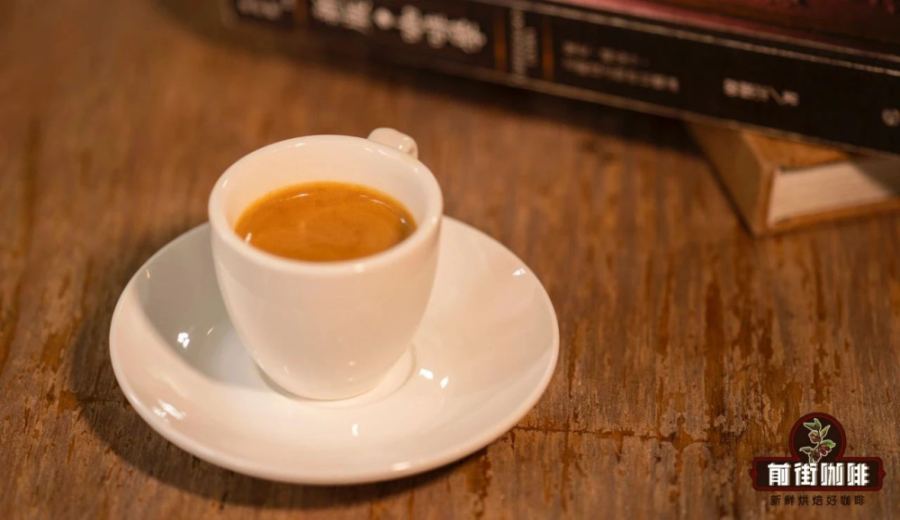
Introduction:Single Origin Espresso (SOE), which highlights the unique flavor characteristics of specific regions, has become a focal point for specialty coffee enthusiasts in recent years. However, SOE demands precise control over roast levels—roasting too dark can mask regional traits, while roasting too light may compromise body and extraction stability. This article delves into the definition and roasting strategies of SOE, and recommends representative beans across three typical flavor profiles—floral & fruity, fermented & wine-like, and rich & full-bodied—to help you choose the most suitable SOE coffee based on your taste preferences.
SOE, short for Single Origin Espresso, refers to espresso made exclusively from coffee beans sourced from a single origin or region. Compared to common blends that combine beans from multiple sources, the greatest advantage of SOE is its ability to clearly showcase the unique terroir and varietal characteristics of the region, allowing drinkers to more easily perceive the “regional personality” of the coffee.
However, SOE also presents relatively higher challenges in roasting. Roasting too dark can easily erase the delicate flavors inherent to the origin, while roasting too light may fail to deliver sufficient body and stable extraction performance. Therefore,medium roastoften becomes the ideal choice that balances flavor expression with richness.
Depending on different flavor preferences, SOEs can generally be categorized into three main types: floral & fruity, fermented & wine-like, and rich & full-bodied. Next, we will introduce representative beans for each of these three types, explaining their regional background, processing methods, and flavor characteristics to help you find your perfect match.
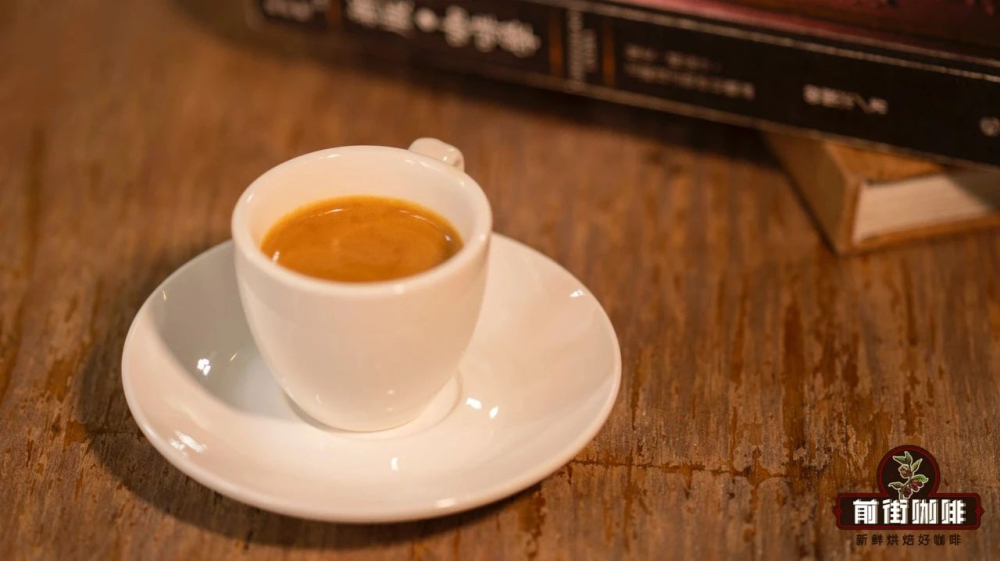
Floral & Fruity Recommendation: Geisha SOE
This Geisha SOE from the Huila region of Colombia is produced by the renowned Boundary Line Estate. The estate is located near a volcanic zone, with fertile, mineral-rich soil that provides excellent growing conditions for coffee. In terms of processing, it employsdouble anaerobic natural method, resulting in more intense and concentrated fruit aromas. Roasted to a medium level, it effectively showcases bright fruit notes such as blueberry, passionfruit, and ripe grape, with a sweet finish of apricot and a touch of acidity. The overall flavor is fresh and layered.
This bean is ideal for coffee lovers who enjoy bright, juicy fruit notes and a vibrant acidity, especially as a morning pick-me-up in the form of an SOE espresso.
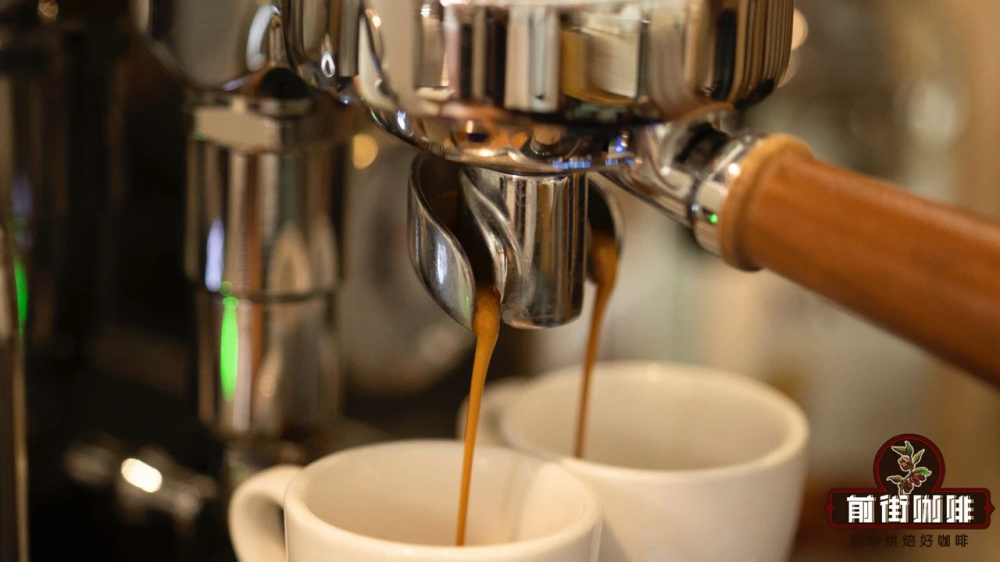
Fermented & Wine-like Recommendation: Blackberry-flavored SOE
If you prefer coffee with bold, wine-like aromas, then beans with pronounced fermentation character are a great choice. Among various processing methods,honey processing—especially black honey processing—preserves the maximum amount of mucilage, thereby enhancing fermentation complexity and sweetness. During black honey processing, the mucilage is almost entirely retained and requires a lengthy drying period of over 14 days, enabling the coffee to accumulate a wealth of aromatic compounds and undergo significant sugar transformation during maturation.
These beans often present flavors reminiscent of blackberry, ripe berries, and subtle wine tones after brewing or espresso extraction. They offer a rich body and a long-lasting aftertaste, making them a must-try for coffee enthusiasts who love fruit-forward wine notes and deep berry profiles.
Rich & Full-bodied Recommendation: Brazilian Queen Estate SOE
If you feel the “coffee-ness” of the previous two SOEs is somewhat lacking, then the Yellow Bourbon beans from Brazil’s Mogiana region’s Queen Estate will be a more robust and substantial option. The region sits at an altitude between 1400 and 1950 meters, where high elevation combined with significant day-night temperature variation allows coffee cherries to ripen slowly, accumulating more flavor compounds and sweetness.
This bean is processed usingsemi-natural (pulped natural) method, where part of the fruit flesh is left on the beans during sun-drying, allowing the coffee to absorb more sweetness and a rounded texture during the drying process. Its flavor profile is dominated by roasted nuts, creamy peanuts, chocolate, caramel, and cookies—rich yet balanced, offering a warm and full-bodied mouthfeel. It’s highly suitable for milk-based coffee drinks, or as a pure SOE option to savor the essence of coffee itself.
In summary, when selecting SOE coffee beans, in addition to considering the origin and variety, you should also choose an appropriate roast level and processing method based on your preferred flavor type—whether it’s the refreshing brightness of floral & fruity, the bold depth of fermented & wine-like, or the solid richness of full-bodied. By skillfully mastering the balance of a medium roast, you’ll be able to more fully experience the unique charm of single-origin coffee.
The above content is compiled by CoffeeHunters, a coffee news website.


