







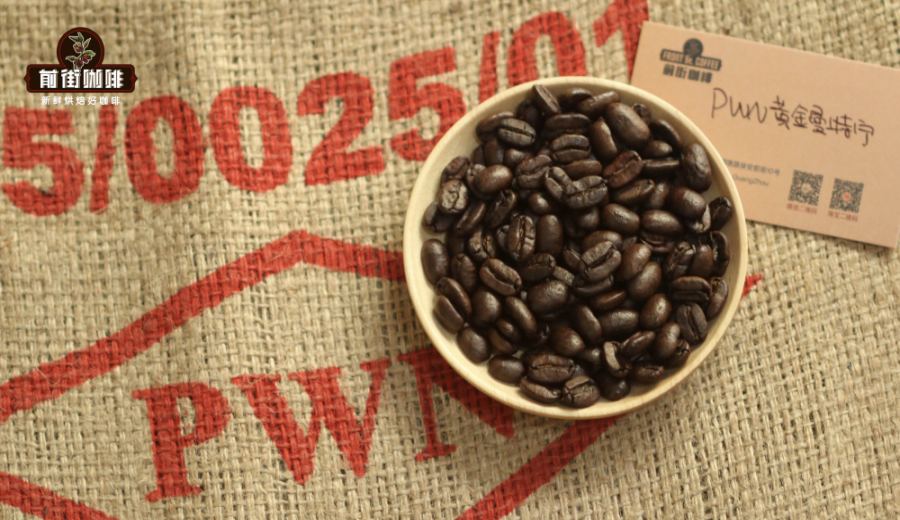
Introduction:Sumatra Mandheling is renowned for its rich and bold flavor profile, but what sets Golden Mandheling, Lintong Mandheling, and Aged Mandheling apart? This article delves into the regional backgrounds, wet-hulled processing methods, flavor profiles, and defect rate differences of these three classic Sumatran coffees, while also providing practical AeroPress pour over parameters to help coffee enthusiasts choose the right beans and brew layered Indonesian specialty coffee.
When it comes to Indonesian coffee, Sumatra Mandheling is undoubtedly a classic among classics. Whether you’re a beginner in pour over brewing or a seasoned coffee connoisseur seeking complexity, understanding the three major representatives of the Mandheling family—Lintong Mandheling, Golden Mandheling, and Aged Mandheling—can help you select beans that better suit your taste preferences.
Although all three types of Mandheling come from Sumatra, Indonesia, they differ significantly in altitude, processing details, roast performance, and final flavor. This article not only breaks down their regional characteristics and processing techniques, but also compares their sweetness, cleanliness, body, and common defect rates, along with tested AeroPress brewing methods to help you easily master extraction essentials.
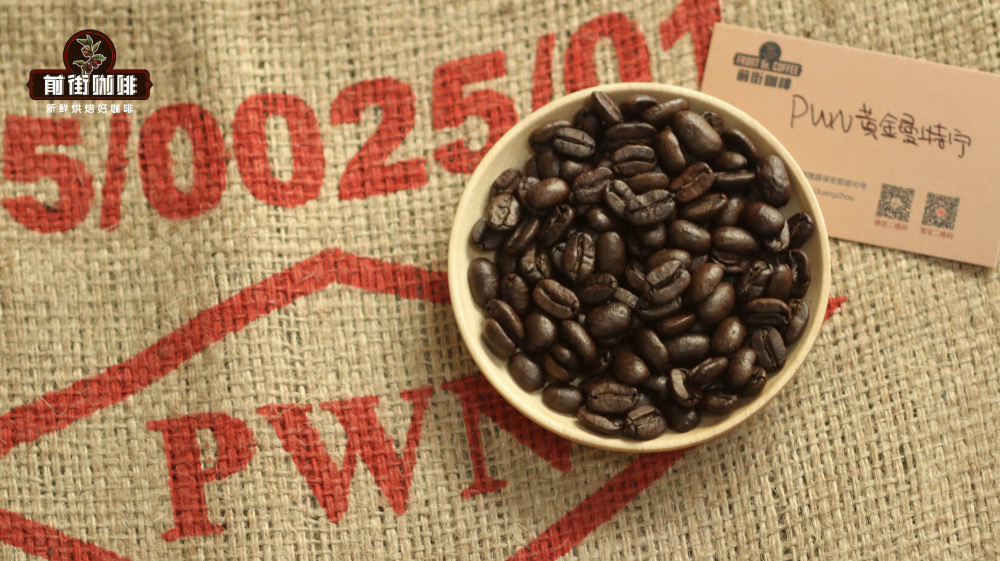
Sumatran coffee is known for its bold and full-bodied profile, low acidity, and balanced bitterness with aroma. Its classic flavor profile includes a heavy body, low acidity, pronounced sweetness, and chocolatey notes in the aftertaste, with some batches even exhibiting unique spicy or woody aromas. All of this is closely related to its special “wet-hulling” process as well as the region’s unique microclimate and soil conditions.
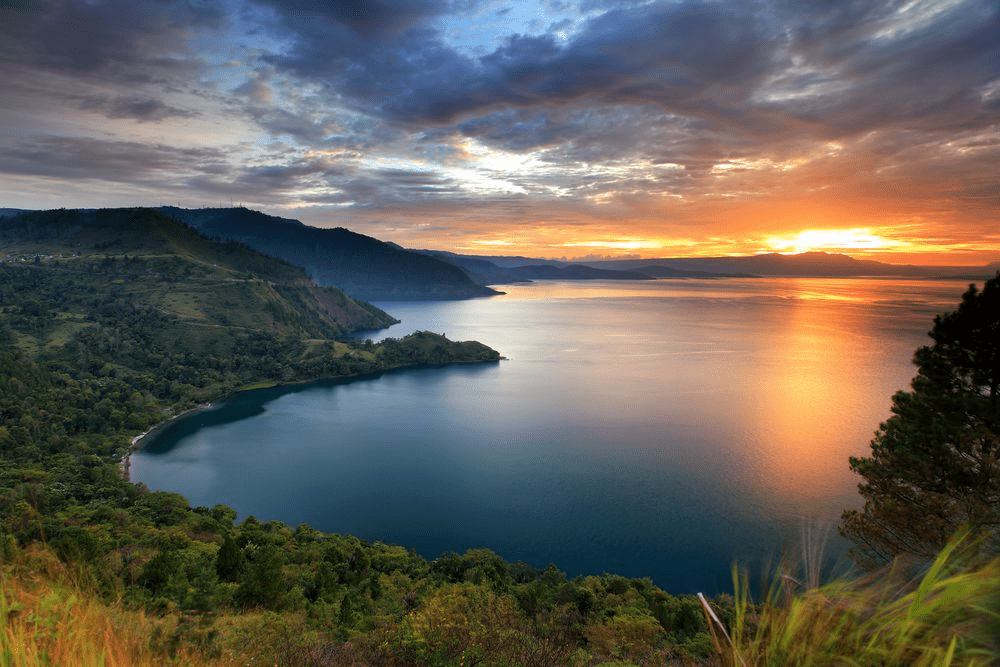
Indonesia’s coffee-growing regions are mainly concentrated on the three major islands of Sumatra, Java, and Sulawesi, among which Sumatran Mandheling is the most representative. Based on regional geography, they can be primarily divided into the Lake Toba area in North Sumatra (centered around Lintong) and the Lake Tawar region in Central-North Sumatra. The former is generally regarded as the orthodox representative of “Mandheling,” while the latter is occasionally referred to as “Aceh coffee” or “Lake Tawar coffee.”
Among the many Mandheling-producing regions,Lintong(at an altitude of approximately 1200 to 1500 meters) is arguably one of the most well-known regions, famed for producing semi-washed coffee beans with a tight structure, distinct layers, and intense aroma. The coffee in this area is mainly grown by the Batak ethnic group farmers. Although the beans are often described as “not visually appealing,” their smooth and rich mouthfeel has made them a favorite among many coffee enthusiasts.
The so-calledGolden Mandhelingdoes not refer to coffee beans that are golden in color, but rather to a premium grade of Mandheling that undergoes a rigorous selection process. These beans are all handpicked, with only fully ripe coffee cherries selected, then processed using the semi-washed (Semi-Washed) method and naturally sun-dried. Notably, after hulling, Golden Mandheling undergoes two additional cleanings and four rounds of manual hand sorting to ensure an extremely low defect rate of about 2%. In contrast, regular Mandheling (such as the commonly seen G1 grade) has a noticeably higher defect rate and less uniform bean appearance.
Many consumers often wonder: “What’s the difference between Golden Mandheling and regular Mandheling?” Simply put, Golden Mandheling performs better in terms of sweetness, cleanliness, body, and spice-like flavor notes, which is also the main reason for its higher price. If you brew and taste the two side by side, the difference becomes immediately obvious—Golden Mandheling typically exhibits clearer fruit notes, a more balanced acidity-to-sweetness structure, and a more layered aftertaste.
As forAged Mandheling, it is a unique presence in the history of Indonesian coffee. In the past, due to long shipping times, coffee beans would naturally dry during transit and develop unique aged aromas under the influence of maritime climates. Although logistics are now much faster, this time- and environment-aged “aged processing method” has been preserved. Through strict control of temperature and humidity and regular turning, the coffee beans are slowly aged in a controlled environment, developing deeper and rounder flavor characteristics.
In terms of extraction, because Mandheling beans are dense and hard, it is recommended to use a medium-dark roast level and slightly coarser grind size to avoid over-extraction, which can lead to excessive bitterness. Below is a set of tested and effective AeroPress pour over parameters suitable for most Mandheling varieties:
Recommended AeroPress Pour Over Parameters:
• Water temperature: 85°C
• Grind size: Small Fuji scale 3.5 (medium-coarse, similar to white sugar granules)
• Roast level: Medium-dark
• Coffee dose: 20 grams
• Coffee-to-water ratio: 1:17 (total water volume about 340 ml, practically it is recommended to pour 240 grams first)
• Bloom: Perform in two steps—first pour 100 grams of 83°C hot water, stir 3–5 times, then let it sit for 20 seconds; then pour the remaining water, with a total blooming and steeping time of about 40 seconds, followed by a light 5-second stir
• Plunge: Install the filter piston at around 1 minute and 50 seconds, and slowly press down for about 10 seconds, with total extraction time controlled around 2 minutes and 5 seconds
With these parameters, Mandheling usually presents a rich and bold mouthfeel, with intertwined spicy and woody aromas, and an aftertaste that carries lingering notes of chocolate and caramel—perfectly suited for those who enjoy bold-flavored coffee.
In summary, whether you prefer the distinctly sweet Golden Mandheling, the layered complexity of Lintong-grown beans, or the time-refined character of Aged Mandheling, understanding their regional backgrounds and processing methods can help you make a more informed choice. Paired with the appropriate brewing technique, you can bring out the most captivating flavor traits of each bean.
The above content is compiled by CoffeeHunters, a coffee news website.


