







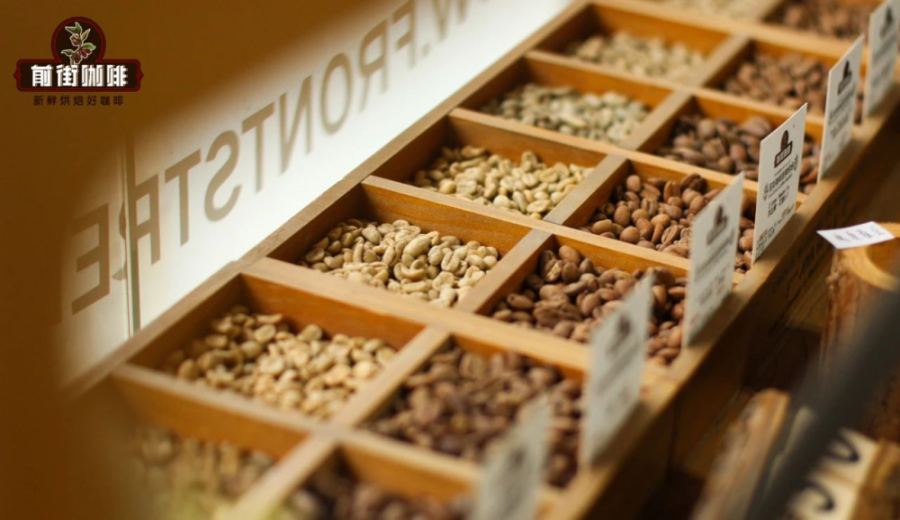
Introduction:As a classic producing region in Ethiopia, Yirgacheffe is beloved by coffee enthusiasts worldwide for its distinctive floral and fruity aromas and bright acidity. However, different roast levels can significantly impact the final flavor profile. This article will delve into the flavor characteristics of Yirgacheffe under light, medium, and dark roasts, explore the optimal roasting strategies for washed and natural processing methods, and provide practical V60 pour-over parameters so you can brew a layered, fruit-forward Yirgacheffe at home.
Roasting is the crucial process that transforms green beans into flavorful roasted beans. For the renowned Ethiopian region of Yirgacheffe, selecting the right roast level not only highlights its fresh floral and fruity notes but also prevents flavor loss due to over-roasting. Starting from the principles of roasting, this article will analyze how different heat levels affect the balance of acidity, sweetness, and bitterness, and offer specific roasting recommendations and pour-over parameters for both washed and natural Yirgacheffe, helping you better harness the potential of this classic bean.
Many people assume that roast level can be judged simply by bean color, but in reality, the heating pace—whether fast or slow—is a deeper factor influencing flavor performance. Even if two batches of beans look similar in color, different heating curves can lead to vastly different outcomes in acidity, sweetness, and aroma. Therefore, understanding the chemical changes during roasting is more meaningful than merely judging roast level by color.
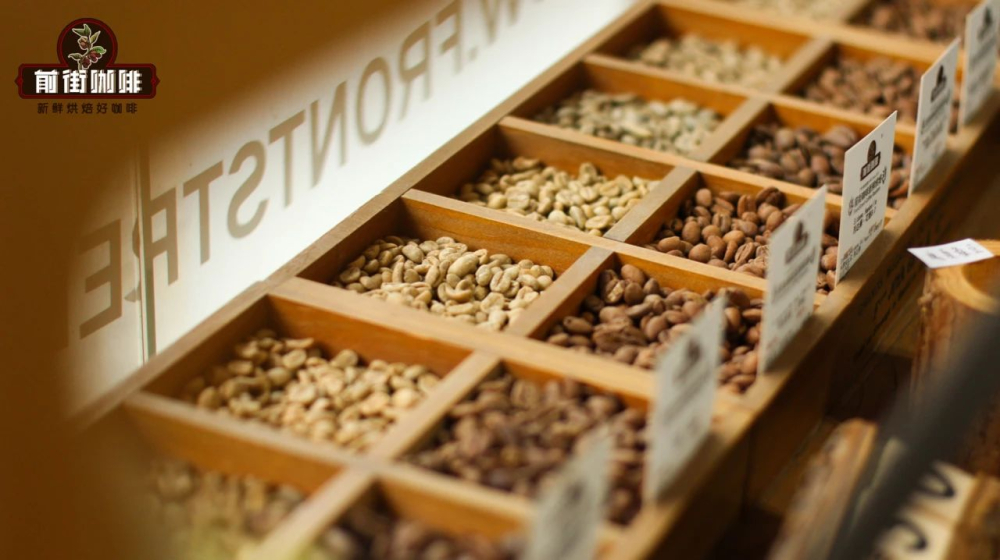
During the roasting process, coffee beans lose significant weight due to moisture evaporation and the breakdown of organic compounds. Generally, slow roasting takes about 14 to 20 minutes, with a weight loss rate between 16% and 18%, which is ideal for showcasing the delicate nuances of high-quality beans; whereas fast roasting may be completed in as little as 90 seconds, saving time but often resulting in more limited flavor development. Especially for higher-priced specialty beans, slow roasting better brings out their unique regional character.
The three core flavor elements shaped by roasting include acidity, sweetness, and bitterness. Typically, the longer the roast time, the more acidic compounds in the beans decrease, while bitterness accumulates with continued heating, making dark roasts often noticeably bitter with low acidity. Understanding these basic changes helps you choose the most suitable roast level based on your personal taste preferences.
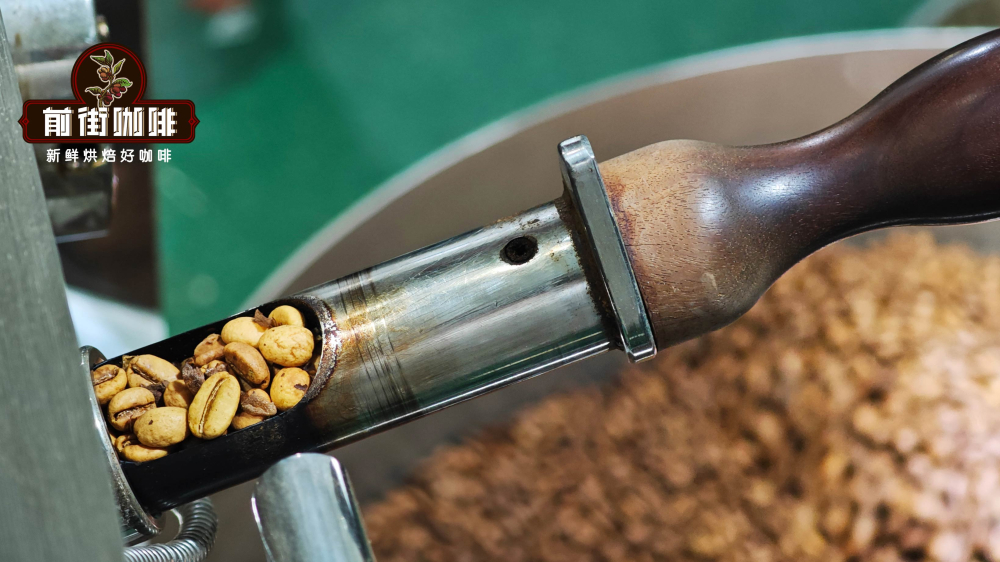
There are two key cracking stages in the roasting process—first crack and second crack. When the internal steam and carbon dioxide in the beans build up to a certain pressure, the bean suddenly expands and cracks, producing a sound similar to popcorn—that’s the first crack. Then, as heating continues, it enters the second crack stage, where the internal structure of the beans is further broken down, releasing more oils and deeper flavors. Understanding these two milestones is key to controlling roast depth.
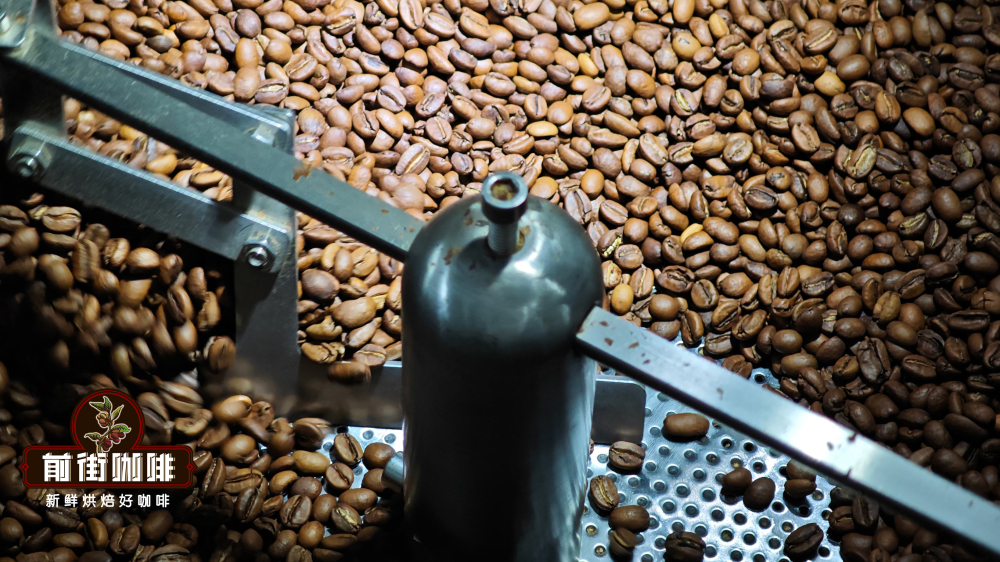
Light roast typically occurs in the mid-to-late first crack, shortly after the cracking sounds begin. At this stage, the beans retain abundant enzymatic activity and early-stage Maillard reaction products, with bright and lively acidity and very low bitterness. The flavor is dominated by floral, spicy, and grainy notes, making it ideal for drinkers who enjoy a refreshing acidic profile. This type of roast fully showcases Yirgacheffe’s natural floral and citrus-like acidity, and is a top choice for many specialty coffee lovers.
Medium roast falls between the end of the first crack and the start of the second crack. At this stage, caramelization becomes more pronounced, and the Maillard reaction progresses further. While the aromatic acidity is not as prominent as in light roast, it achieves a better balance with bitterness, and sweetness becomes more pronounced. The overall flavor shifts toward caramel, honey, and light chocolate tones, with a smooth mouthfeel and rich layers. For Yirgacheffe, medium roast can preserve fruity notes while enhancing body, making it the golden range recommended by many baristas.
For Yirgacheffe, washed beans usually have brighter acidity, with aromas of fresh lemon, jasmine, and white peach. If you’re seeking vibrant fruit acids and floral notes, both light and medium roasts can perfectly showcase these qualities. Meanwhile, natural Yirgacheffe, having undergone sun fermentation, retains floral and fruity tones while adding rich tropical fruit aromas such as blueberry and mango. Its acidity is relatively softer, making medium roast ideal for further enhancing sweetness and wine-like aromatic qualities.
Taking the popular Yirgacheffe Red Cherry as an example, many roasters opt for a medium-light roast. This level not only intensifies its fermented wine-like and berry tones but also retains the bean’s inherent full body, giving the overall flavor more layers. If you enjoy intense fruitiness without sacrificing smooth sweetness, medium-light roast is an extremely expressive choice.
For home brewing of Yirgacheffe, it is recommended to use a V60 filter, with water temperature controlled at 90–91°C, a powder-to-water ratio of 1:15, around 15 grams of coffee powder, and medium-fine grind (calculated using a Chinese No. 20 sieve, with about 80% passing rate). Use a three-pour method: first pour 30 grams of hot water for a 30-second bloom, then pour with a thin stream to 125 grams in the second pour, wait until the coffee bed sinks halfway, and then pour with the same thin stream to 225 grams. The total extraction time should be around 2 minutes, which can fully bring out the bean’s floral and fruity aromas and clear acidity.
Through such roasting strategies and pour-over settings, whether you prefer a bright, high-acidity profile or a sweet, balanced flavor, you can adjust to your own ideal Yirgacheffe brewing flavor profile according to personal taste and enjoy every sip of this exquisite coffee experience from the Ethiopian highlands.
The above content is compiled by CoffeeHunters, a coffee news website.


