







Introduction:To brew stable and delicious coffee at home, the first step is to choose the right coffee beans. This article starts with the freshness of coffee beans, detailing the differences in flavor preservation between whole beans and ground coffee, as well as how roast levels affect coffee flavor. It also recommends several budget-friendly beans suitable for different brewing methods, including dark roast espresso blends, Indonesian Mandheling, Ethiopian Huila, and Yirgacheffe, helping you quickly find the right beans based on your taste preferences and equipment.
Enjoying a good cup of coffee at home starts with selecting the right beans. Whether you're a beginner in pour over or an enthusiast who loves extracting strong coffee with a moka pot, understanding coffee bean freshness and roast characteristics is key to enhancing your home coffee experience. This article will help you grasp the basic principles of choosing beans and recommends several practical and cost-effective types to meet both espresso and pour over needs.
First, whether to choose whole beans or ground coffee is often the first dilemma for many home coffee lovers. In fact, flavor preservation is the deciding factor. Freshly roasted coffee beans release their aroma quickly after grinding but also lose it rapidly within a short time. The industry generally points out that under proper storage conditions (such as avoiding light, keeping cool, and sealing tightly),whole beans have an optimal flavor window of about one month,whileground coffee only retains its flavor for about one week.Therefore, if you want to fully experience the original aroma of coffee, it’s recommended to prioritize purchasing whole beans and use them within one month of roasting.
After roasting, green beans release carbon dioxide and moisture while producing various aromatic compounds. However, these flavor substances are highly susceptible to oxidation and temperature changes. Once ground, the bean surface area increases significantly, and exposure to air accelerates flavor dissipation—so even just a few hours can lead to a noticeable loss of aroma. Therefore, if you don’t grind your beans right before each brew, it’s still better to store them as whole beans, using a dedicated airtight container or a coffee bag with a one-way valve to extend their flavor lifespan.
Currently, there are many reputable coffee brands on the market that offer beans with stable roasting and guaranteed freshness, making them ideal choices for beginners. For example, some specialty roasting brands not only provide single-origin beans from major global coffee-growing regions but also offer blends tailored for different brewing methods, all while ensuring the beans are roasted and shipped within a short time frame to guarantee customers receive beans at the peak of their flavor.
Roast level is a key indicator affecting coffee flavor expression and is also one of the essential pieces of information always marked on the packaging. Light roast usually retains more of the bean's natural acidity and floral notes, suitable for those who prefer a refreshing taste; whereas dark roast, due to more pronounced caramelization, brings out rich notes of roast, chocolate, and nuts, commonly favored by those who enjoy espresso or stronger flavors. Therefore, choosing the right roast level is essentially choosing your preferred coffee personality.
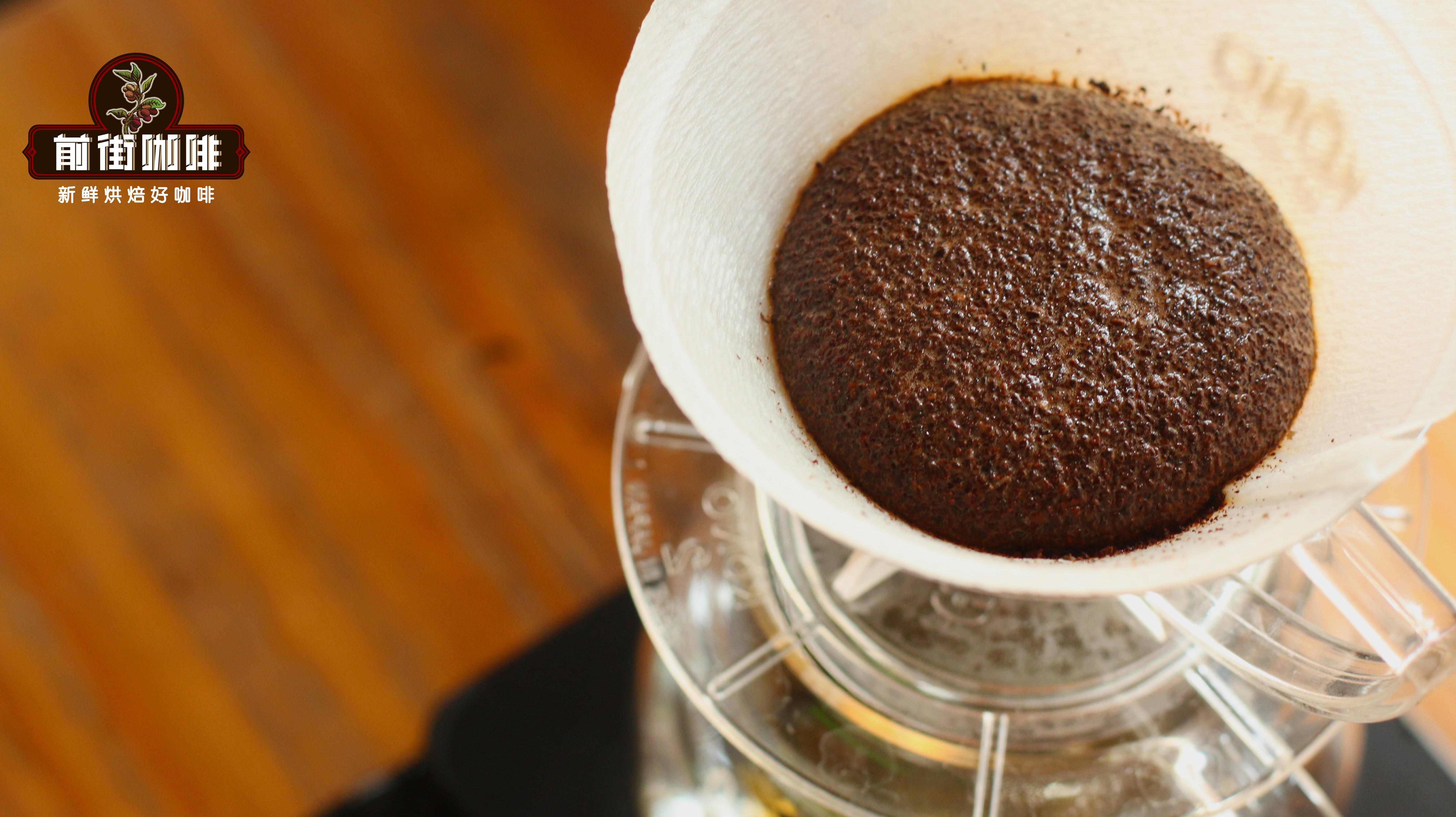
For users who prefer espresso, dark roast blends are often the top choice. Based on the classic three-country blend (Brazil, Indonesia, Vietnam), a dark roast espresso blend presents a base of hazelnut, chocolate, and maple syrup, with subtle notes of spice and toasted nuts in the finish. It has a rich crema layer, making it ideal for producing stable espresso, lattes, or flat whites. Whether using a home semi-automatic machine or a moka pot, it delivers a balanced and full-bodied taste.
If your budget or needs are more entry-level, you might also consider a basic espresso blend made from two origins. This blend uses Brazilian beans to provide a nutty and full-bodied base, paired with the soft acidity and smooth texture of Yunnan small beans. The overall profile is balanced with a noticeable sweetness, suitable for daily production of various espresso-based drinks such as Americano, latte, and even performs well when brewed with a moka pot.
If you prefer single-origin beans and want to explore the unique terroirs of different regions, dark roast Indonesian Sumatra Mandheling is a must-try. Processed using the region’s unique wet-hulling method, it gives the coffee intense herbal, spicy, and woody notes. The flavor is bold and distinctive, making it a classic representative of dark roast in the hearts of many coffee lovers. It’s suitable for brewing via moka pot, pour over, or drip bags, and can also be paired with milk to showcase its steady and mellow side.
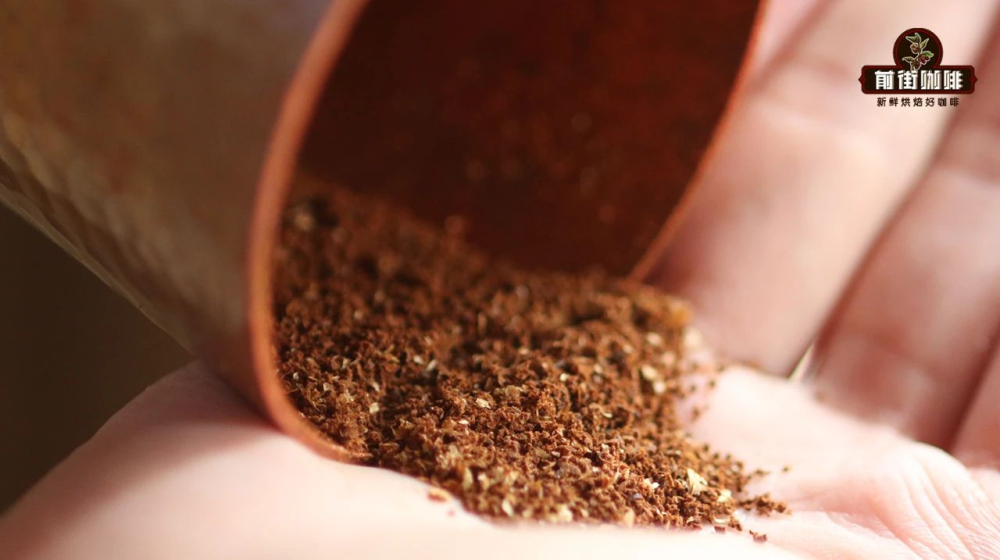
Turning to the world of light roast, Ethiopia’s Huila beans are a standout star. With pronounced floral and tropical fruit aromas—like strawberry, mango, and jackfruit—along with bright citrus and blueberry acidity, this bean, once recognized at the TOH Green Bean Competition, showcases the rich layers and sweet fruitiness of Ethiopia’s natural processing method. It’s suitable for pour over, cold brew, or light moka brewing, delivering a bright and lively coffee experience.
Another light roast recommendation is Ethiopia’s Yirgacheffe washed-process beans. Renowned for its clean and bright acidity, this budget-friendly bean exhibits soft notes of lemon, citrus, and green tea, with a refreshing and layered taste. It’s perfect for those who enjoy bright acidity and tea-like flavors. Suitable for pour over, drip bags, or cold brew, it’s an excellent entry point for exploring African bean flavors.
The above content is compiled by CoffeeHunters, a coffee news website.


