







Introduction:The French press is often seen as the easiest coffee brewing tool, but in fact, by mastering the right coffee bean type, grind size, and coffee-to-water ratio, you can easily extract a rich and layered cup of coffee. This article delves into the immersion brewing principle of the French press, explains why medium to dark roast beans are more suitable, and provides practical parameters such as a 1:10 coffee-to-water ratio, 93°C water temperature, and a 4-minute brewing time. It will guide you step-by-step to brew a smooth and mellow coffee—perfect for enjoying a professional-grade taste even on a busy morning.
One of the reasons the French press is so popular is not only because it’s easy to use, but also because it delivers coffee flavors that are close to those in professional cuppings. This immersion brewing method, filtered through a metal mesh, not only fully retains the natural oils in the coffee but also releases rich aromas and textures, making each sip fuller and smoother.
There are various coffee brewing tools on the market, with some people loving the refined ritual of pour over, while others enjoy the experimental fun of siphon brewers. But the French press, with its intuitive operation and stable extraction performance, has become the top choice for many busy individuals. Though it may seem simple, the French press actually has quite strict requirements when it comes to bean variety, grind size, and ratio. By mastering a few key elements, you can consistently brew surprisingly impressive coffee.
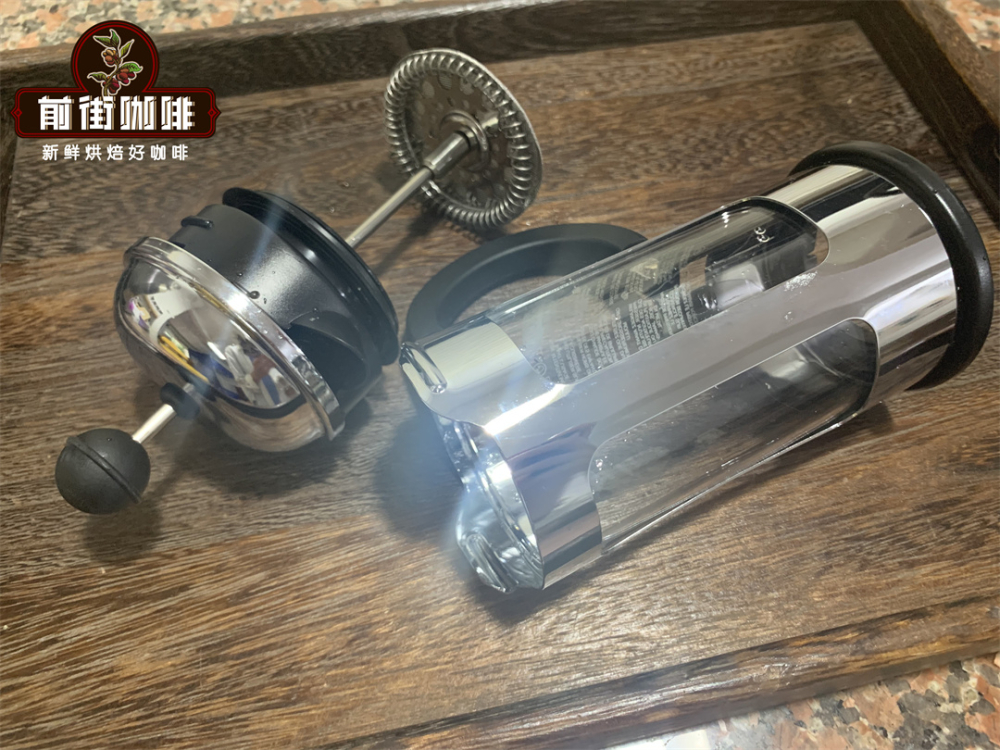
The operating principle of the French press is very straightforward: hot water and coffee grounds are poured together into the pot, left to steep so the coffee grounds are fully immersed, and then the coffee grounds are separated from the liquid through a filter. This immersion brewing method effectively extracts various flavor compounds from the coffee, including aroma, acidity, and body. At the same time, the metal filter does not filter out the natural coffee oils like paper filters do, resulting in a smoother and more layered mouthfeel.
When it comes to bean selection, the French press is particularly well-suited for medium to dark roast and dark roast coffee beans. These types of beans usually have a more balanced acidity-to-sweetness ratio, and after being roasted at higher temperatures, they can release richer caramel, chocolate, and nutty notes. For example, medium to dark roast beans from regions like Brazil, Colombia, and Indonesia, due to their inherently stable flavor profiles, complement the French press brewing method well, delivering a rich, mellow coffee experience with a hint of sweetness. Light roast beans, while offering bright and distinct flavors, can easily become monotonous or lose their lively acidity during the French press’s longer steeping time, so they are less recommended.
In practice, it is recommended to use medium-coarse ground coffee, with a particle size roughly able to pass through 70% to 75% of a standard sieve—that is, slightly coarser than typical pour over grind. This helps avoid too many fine particles passing through the filter, which can affect the clarity and mouthfeel of the coffee. If the grind is too fine, it can not only lead to over-extraction but may also make the coffee taste oily or leave sediment.
Regarding the coffee-to-water ratio,1:10 is a great starting point, meaning 1 gram of coffee grounds to 10 milliliters of water. For a two-person serving, for example, about 20 grams of coffee beans are used with 200 milliliters of water. Of course, this ratio can be fine-tuned according to personal taste—those who prefer a stronger flavor can slightly increase the amount of coffee grounds, while those who prefer a lighter taste can reduce it. If using pre-packaged drip coffee bags, it is recommended to adjust to a 1:16 coffee-to-water ratio, such as 15 grams of coffee to 240 milliliters of water, to achieve a more balanced extraction.
Water quality is also one of the key factors affecting coffee flavor. It is recommended to use fresh, low-mineral soft water, such as filtered or bottled mineral water available on the market, and to avoid using tap water that is too hard or unfiltered, as such water quality can interfere with the original flavor of the coffee and may even introduce undesirable off-flavors.
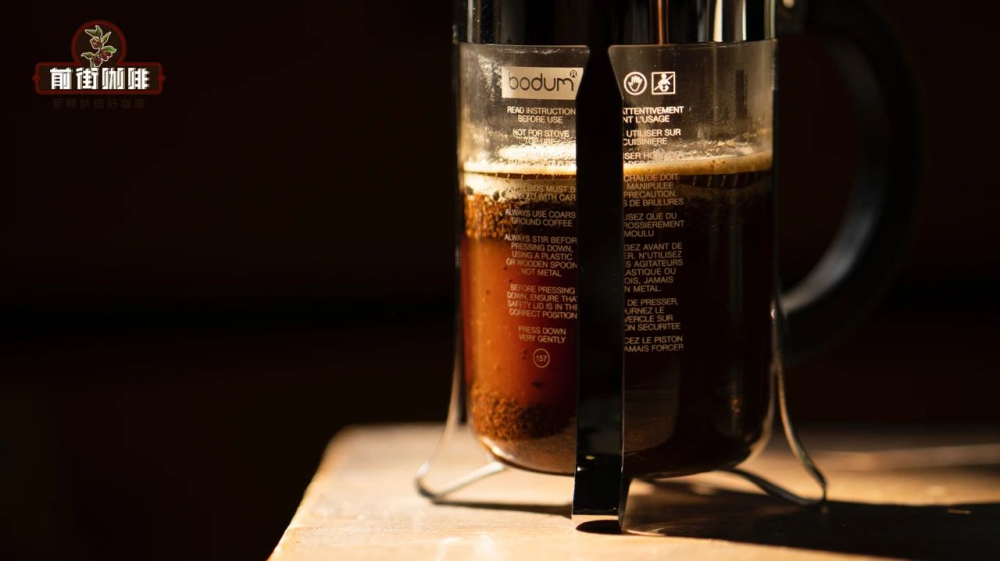
In terms of the actual brewing steps, first, add the appropriate amount of freshly ground coffee into the French press. It is recommended to use an electronic scale for precise measurement to ensure consistency in each brew. Then, heat the water to about 93°C, which is the golden water temperature recommended by most coffee experts and can fully bring out the aroma and flavor of the coffee. After pouring the hot water into the pot, gently stir to ensure the coffee grounds are evenly saturated, then cover the lid and let the coffee steep for about 4 minutes.
Once the steeping time is up, it is recommended to first open the lid and use a spoon to remove any foam and fine particles on the surface of the liquid, which helps improve the clarity and mouthfeel of the coffee. Then slowly press down the filter to push the coffee grounds to the bottom of the pot. It is important to note that after brewing, the coffee should be poured out immediately to avoid over-extraction caused by continued contact with the coffee grounds, which could affect the balance of the final flavor.
In summary, the French press is an extremely user-friendly and efficient coffee brewing tool. It requires no complicated equipment, eliminates concerns about paper waste, and, best of all, fully showcases the inherent flavor characteristics of the coffee. As long as you master the selection of bean type, grind coarseness, coffee-to-water ratio, and steeping time, even on a busy morning, you can easily enjoy a cup of rich, smooth, and layered coffee.
The above content is compiled by CoffeeHunters, a coffee news website.


