







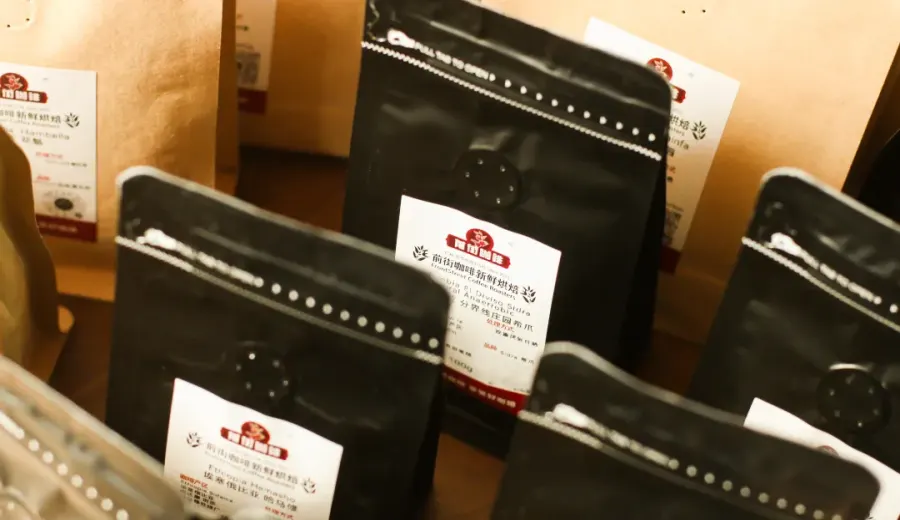
Introduction:Washed Yirgacheffe is renowned for its clean, bright acidity and floral-fruit aromas, making it a classic choice among specialty coffee enthusiasts worldwide. This article delves into the geographical background and three major cultivation systems of Ethiopia’s Yirgacheffe region, details the seven steps of the washed processing method and the ECX grading system, and compares the physical characteristics, roasting profiles, and cupping flavor profiles of G1 and G2 grade green beans. Finally, it provides professional pour-over recommendations and practical water temperature test results to help you master extraction essentials and brew a Yirgacheffe that balances sweet and sour with layered complexity.
While innovative processes like anaerobic fermentation and barrel aging have become market focal points, washed Yirgacheffe maintains its classic coffee throne with its pure, transparent taste. This coffee from Ethiopia, with its distinct citrus notes and elegant floral layers, is often the first choice for many coffee newcomers. This article will take you through a comprehensive exploration of the charm of washed Yirgacheffe, from regional context and processing techniques to actual brewing.
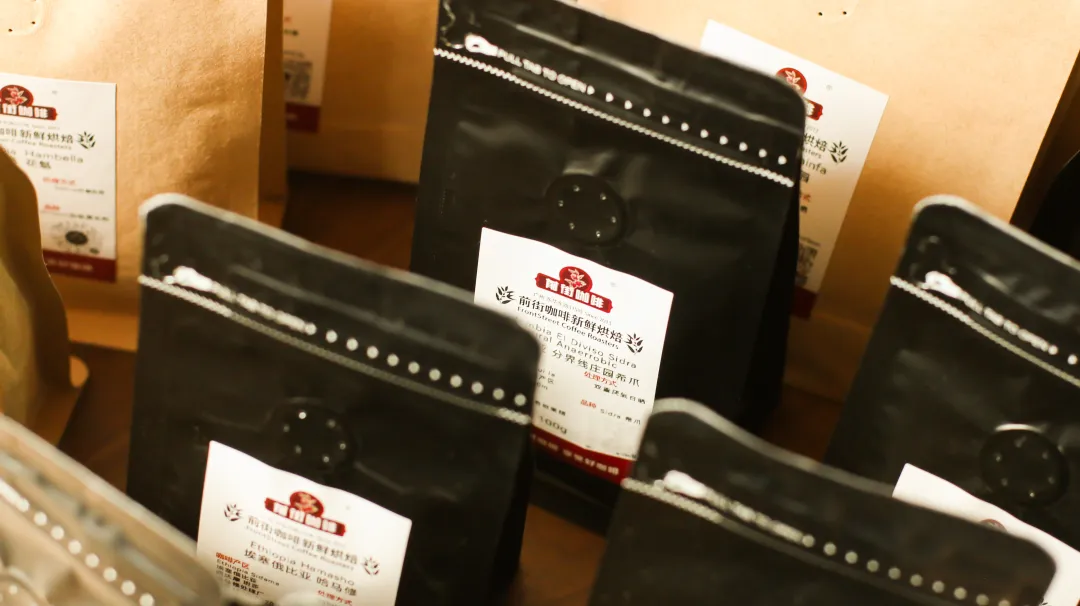
Ethiopia’s coffee industry has been constantly innovating in recent years, with special processes like anaerobic and barrel fermentation frequently topping the trend lists. These methods can indeed impart richer aromas and more complex flavors to coffee beans, but many consumers still prefer the refreshing style of traditional washed processing. Take Ethiopia’s renowned Yirgacheffe region, for example—its washed beans are celebrated for their bright lemon acidity and jasmine floral notes, forming a sharp contrast with the bold fruitiness of natural-processed beans.
The Yirgacheffe region is located in Ethiopia’s southern Gedeo Zone, a land hailed as the “coffee gene bank” that produces beans with globally recognized unique flavors. Originally a small town, Yirgacheffe was later categorized under the same classification system as its neighboring micro-regions—Wenago, Kochere, and Gelena Abaya—due to their similarly characteristic coffees. Interestingly, the earliest coffee trees in the area were reportedly introduced by European missionaries and were later gradually taken over by local farmers for cultivation.
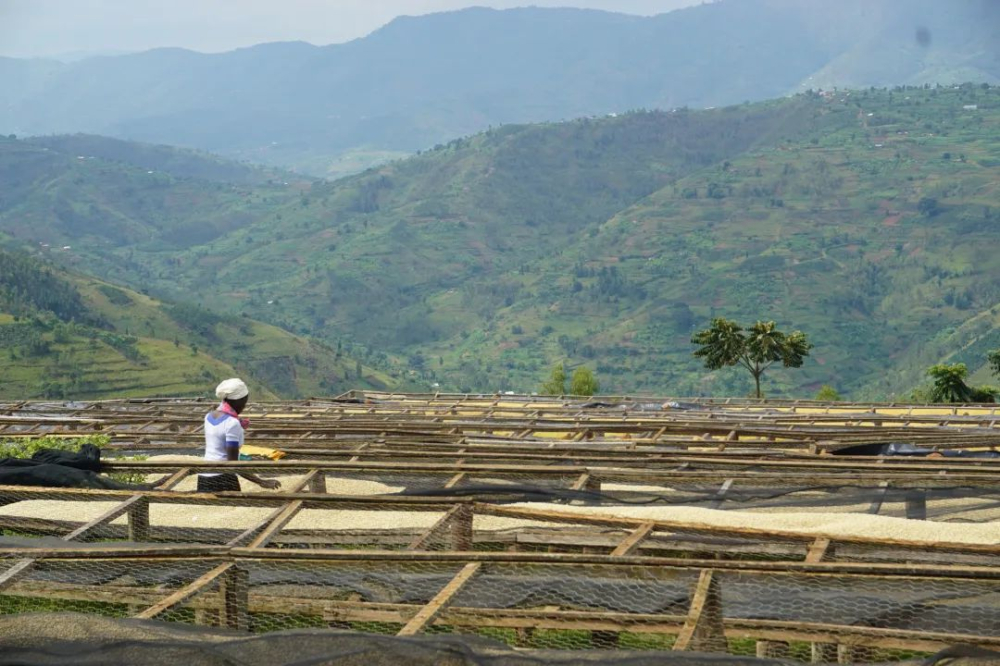
Ethiopia’s coffee cultivation can be divided into three systems: forest coffee, garden coffee, and plantation coffee. Forest coffee mostly grows in the shaded, pristine forests of the southwest, featuring mixed varieties and limited yields; garden coffee is planted around homes, with farmers actively managing shade and fertilization—well-known Yirgacheffe regions like Kochere and Gedeb mostly fall into this category; plantations adopt standardized farming practices, using scientific management to improve quality and efficiency, with Guji Village being one of the standouts.
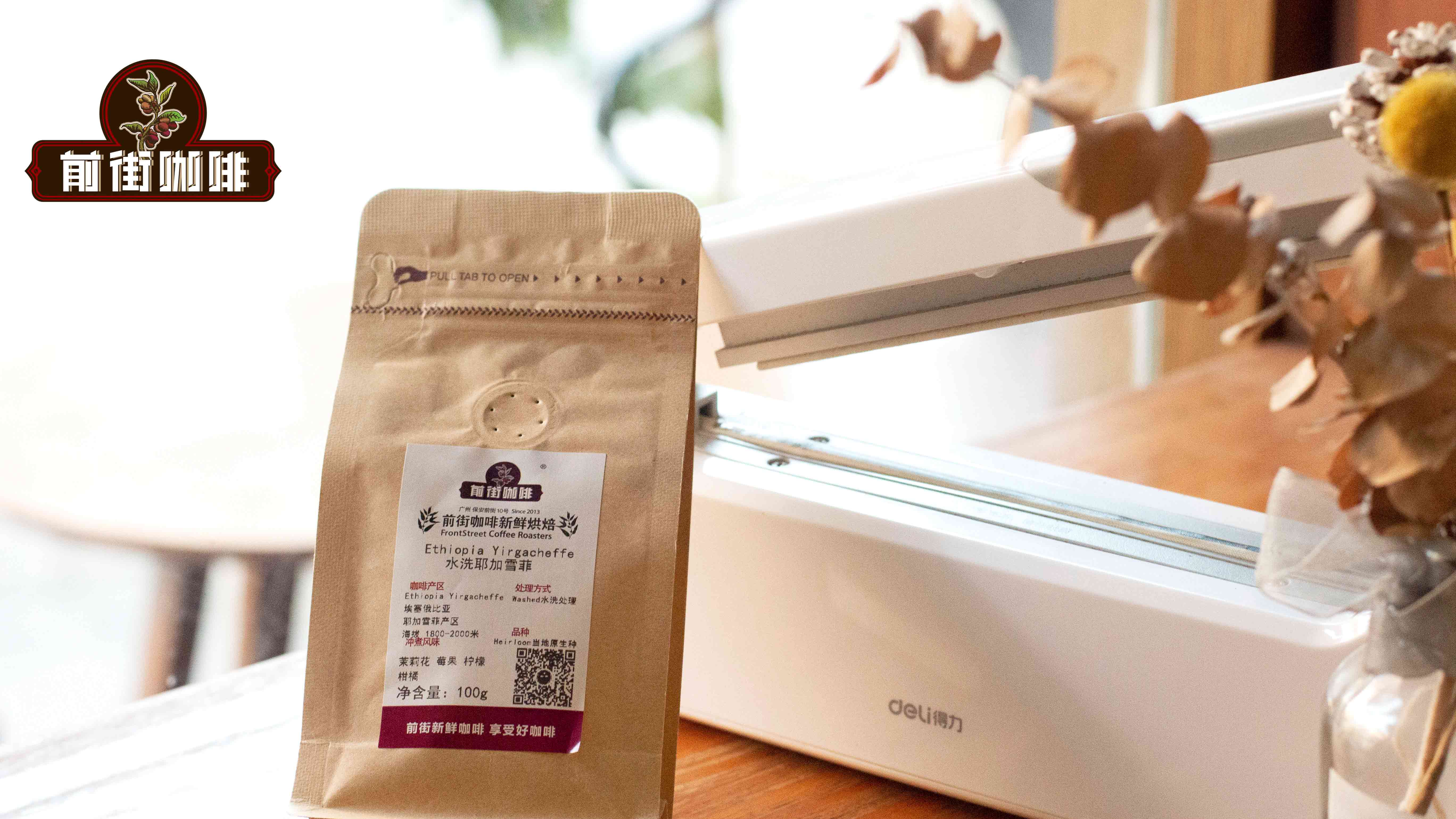
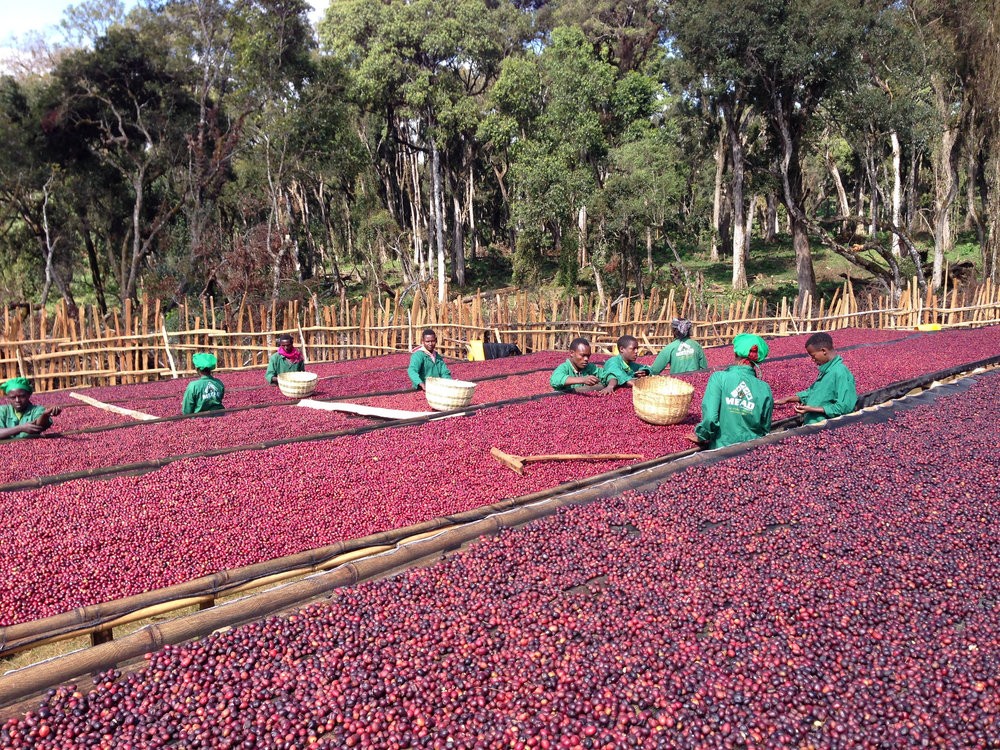
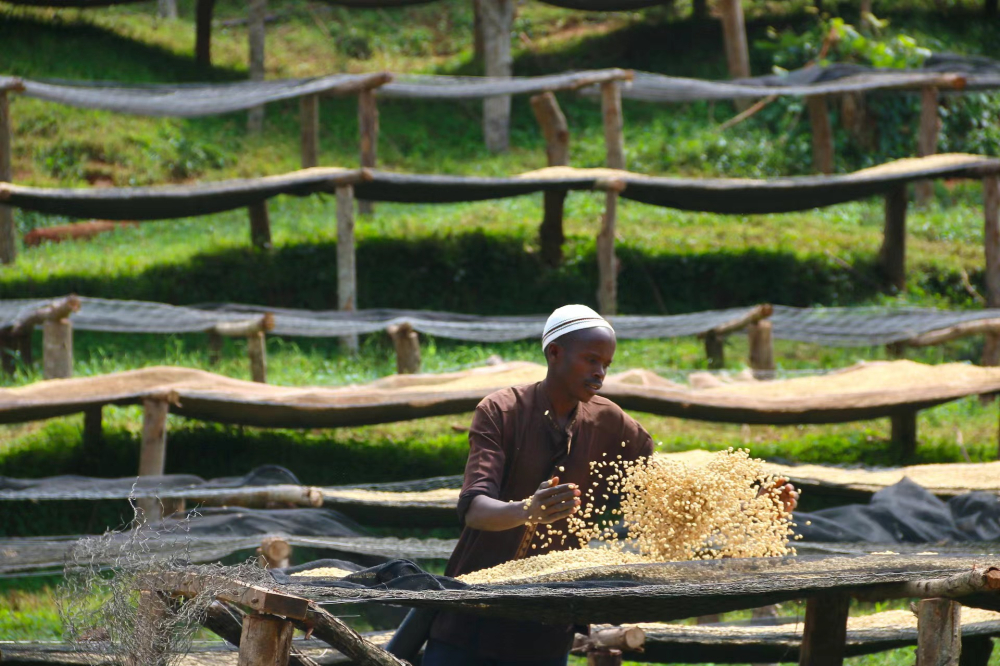
Washed processing is key to the flavor formation of Yirgacheffe. Compared to traditional natural processing, washed processing allows for more precise quality control by removing the pulp through fermentation and washing, resulting in its distinctive clean taste. The process includes sorting, pulping, fermentation, washing, drying, hulling, and final grading—each step influences the final flavor profile. For example, the fermentation stage must be strictly controlled within 18–36 hours, as over-fermentation can easily lead to undesirable off-flavors.
The ECX (Ethiopian Commodity Exchange) uses a dual-track scoring system, categorizing coffee beans into nine grades from G1 to G9 based on physical characteristics and cupping quality. For washed beans, the scoring weight is 40% for physical characteristics (e.g., defect count at 20%, bean size at 10%) and 60% for cupping quality (e.g., cleanliness at 15%, acidity at 15%); for natural beans, the defect count weight is adjusted to 30%. G1 and G2 are the highest grades, with scores above 85 classified as Q1 specialty grade, 80–85 as Q2, and below 80 as commercial grade.
Upon observing G1 and G2 green beans, clear grade differences emerge: G1 beans are uniform in size with low defect rates, showcasing rich layers after roasting; G2 beans vary in size with more defects and relatively simpler flavors. Test data shows that washed Yirgacheffe G1 begins first crack at 8’35”, with an exit temperature of 193.5°C, and exhibits flavors of citrus, lemon, and Tieguanyin; G2 starts first crack at 9’08”, with an exit temperature of 195°C, and features primarily lemon and tea-like notes.
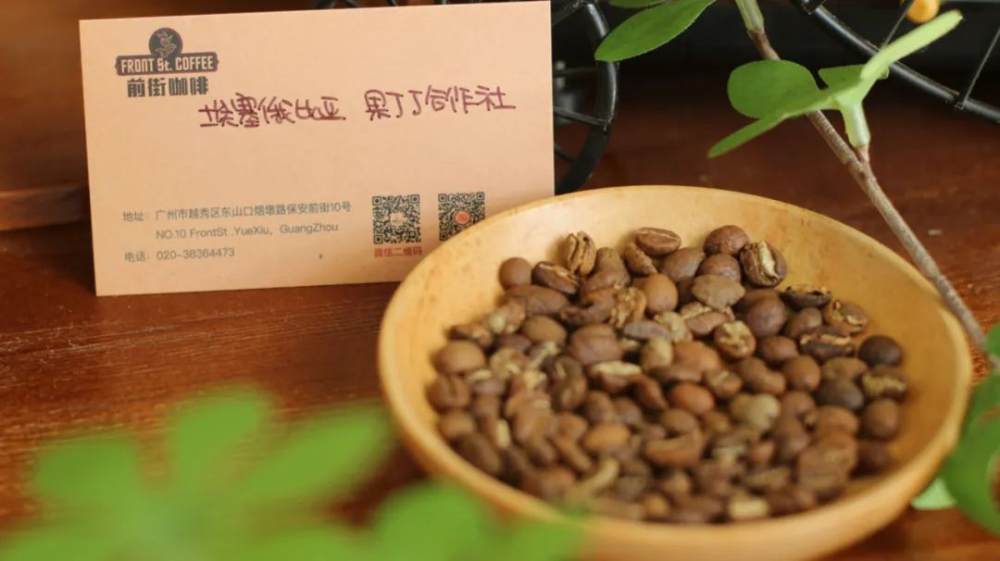
For pour-over parameters, it’s recommended to use a V60 filter with a water temperature of 90°C, a 1:15 powder-to-water ratio, and a grind size set to 80% passing through a Chinese standard No. 20 sieve. The specific operation involves: first blooming with 30 grams of water for 30 seconds, then pouring in a small circular motion up to 125 grams before splitting, waiting for the water level to drop, and then pouring up to 225 grams to finish extraction. This setup effectively balances acidity and sweetness, avoiding overly sharp flavors from over-extraction.
Water temperature significantly impacts flavor: 90–92°C highlights fruity acidity and sweetness, aligning with the characteristics of light roasts; 86–88°C may result in insufficient aroma and thin body. Test data confirms that slightly higher temperatures help extract Yirgacheffe’s signature lemon and jasmine notes while maintaining a rich aftertaste. Whether choosing G1 or G2 grade, adjusting water temperature and grind size appropriately allows you to enjoy the unique charm of this classic coffee.
The above content is compiled by CoffeeHunters, a coffee news website.


