







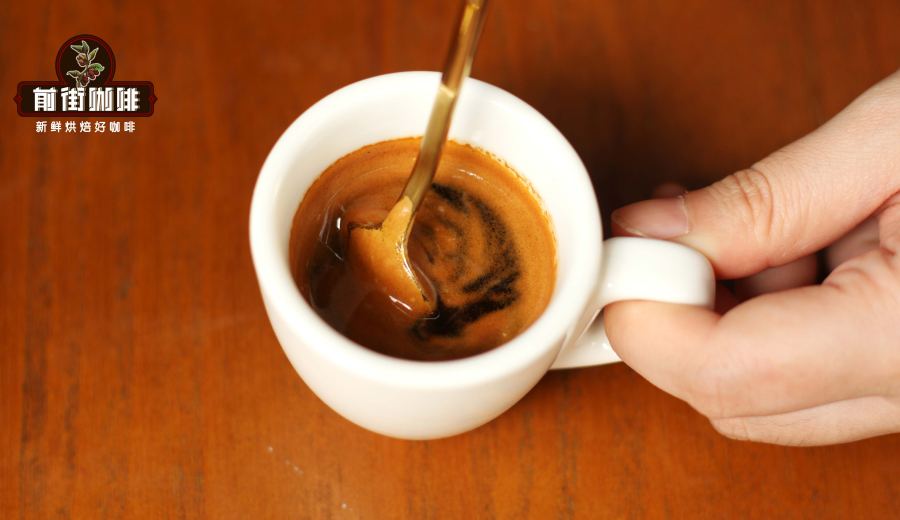
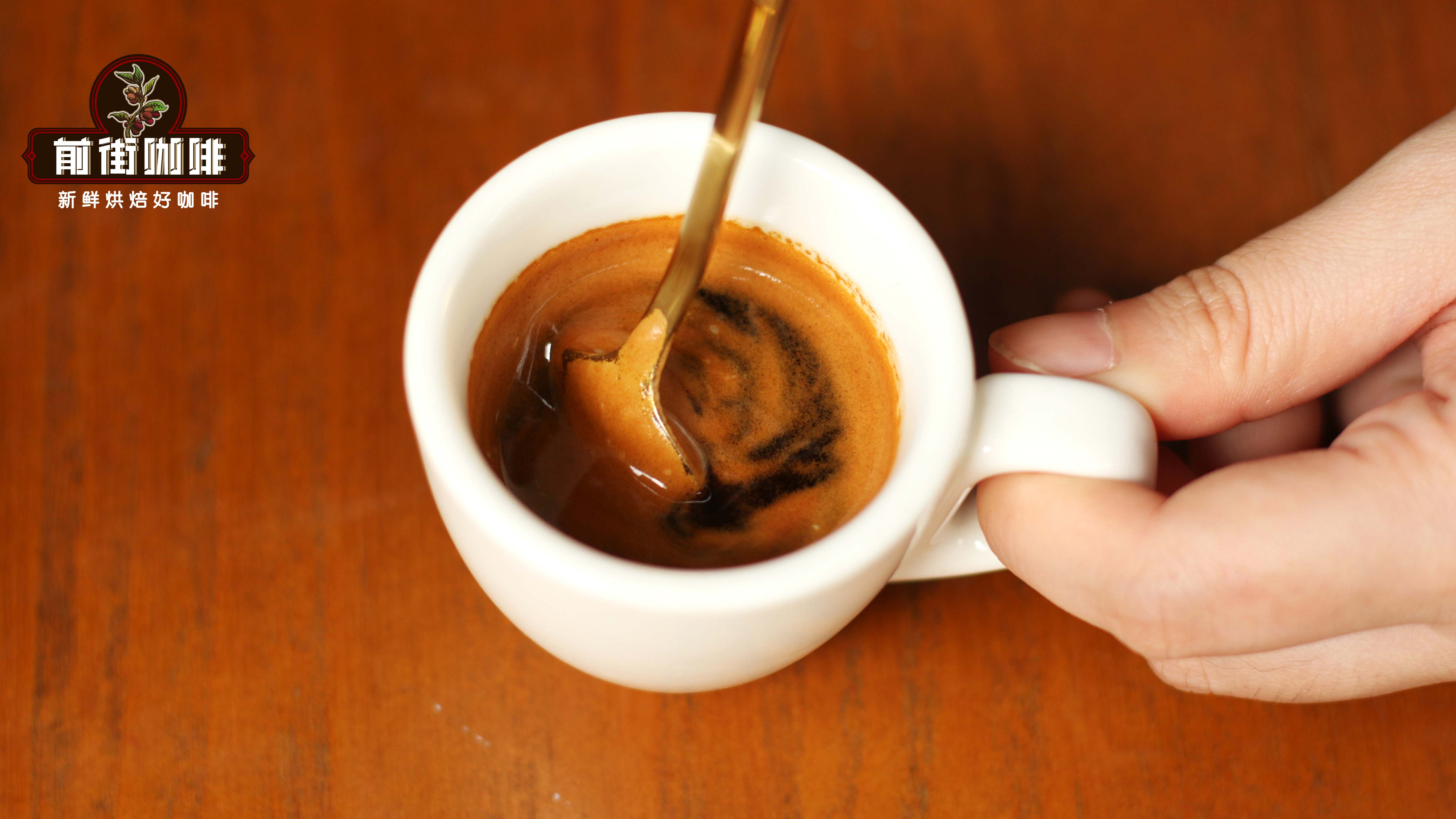
Introduction:The golden crema on the surface of an espresso is not only a visual delight but also an indicator of successful extraction. This article delves into how 9-bar pressure, carbon dioxide, and emulsification work together to create crema, explores the wartime origins and standard preparation of Americano, and finally recommends five practical espresso blends with detailed brewing parameters to help you master professional-level coffee-making techniques.
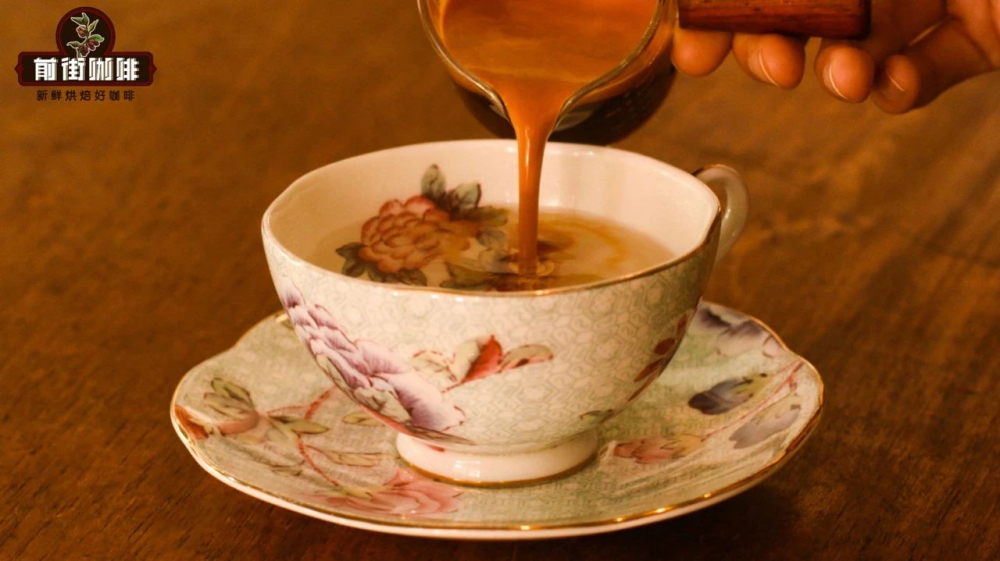
When you pick up a freshly brewed espresso, the first thing that usually catches your eye is the layer of golden-brown foam floating on top of the coffee — this is the well-known crema. This delicate layer of oils not only enriches the mouthfeel of the coffee but also serves as an important basis for evaluating extraction quality. How exactly is this fascinating crema formed? What factors influence its thickness? Let’s uncover the science behind it from a professional perspective.
The unique charm of espresso lies in its rich and layered flavor profile, making it the ultimate test of both coffee bean quality and barista skill. To understand how crema forms, we first need to explore the three key elements behind it:9-bar extraction pressure,emulsification, andthe release of carbon dioxide.
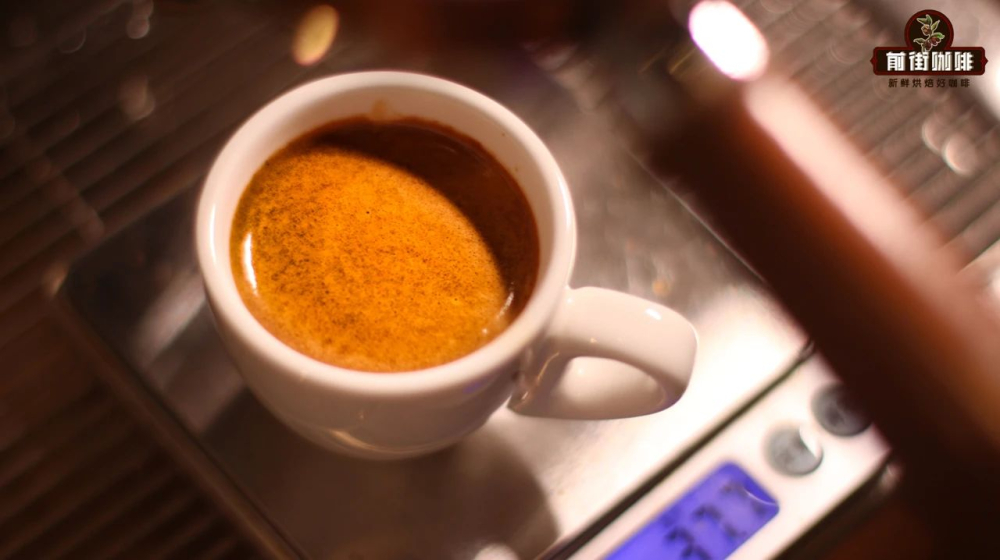
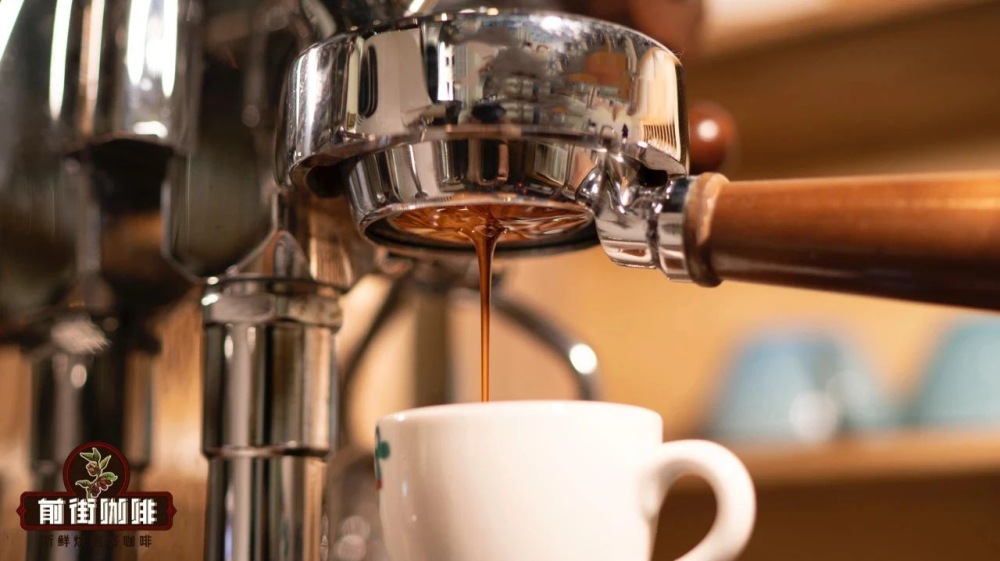
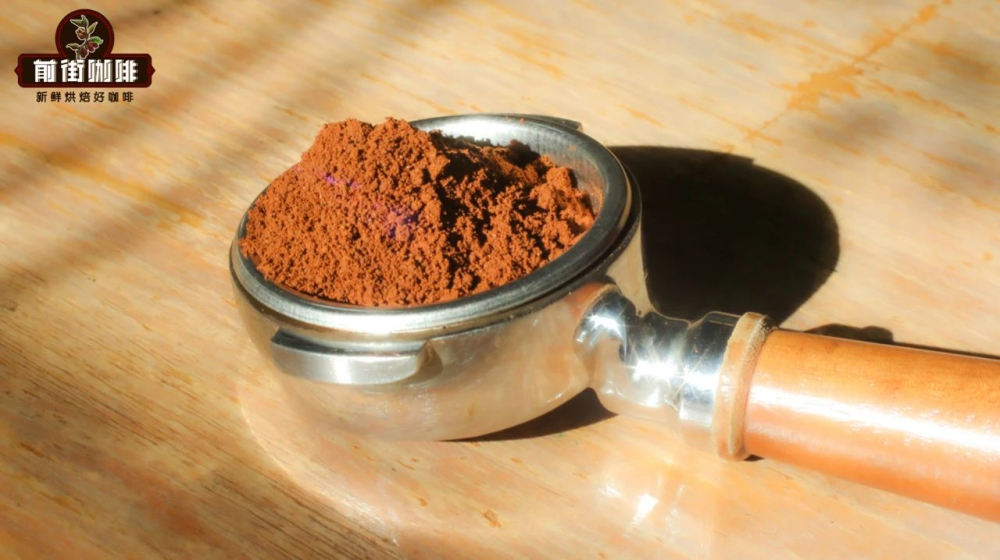
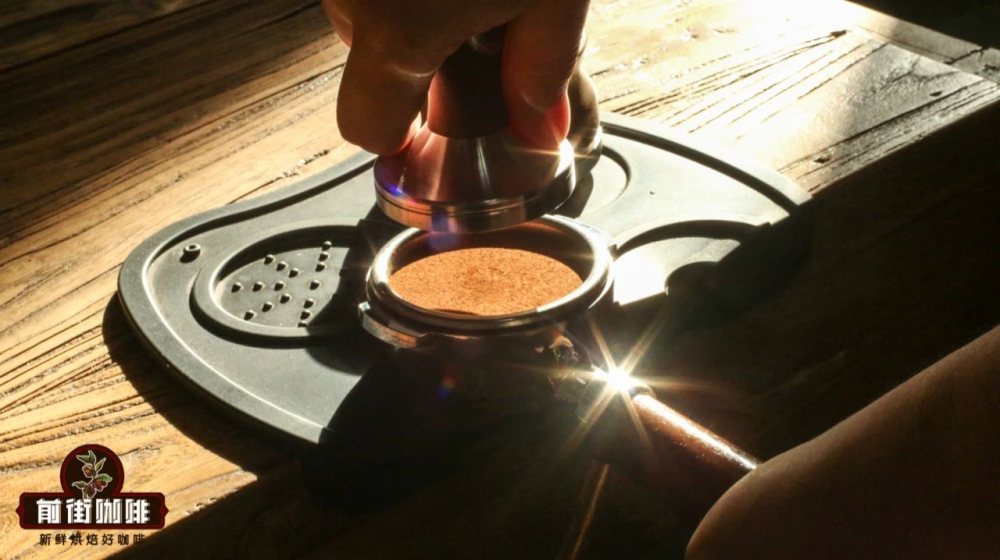
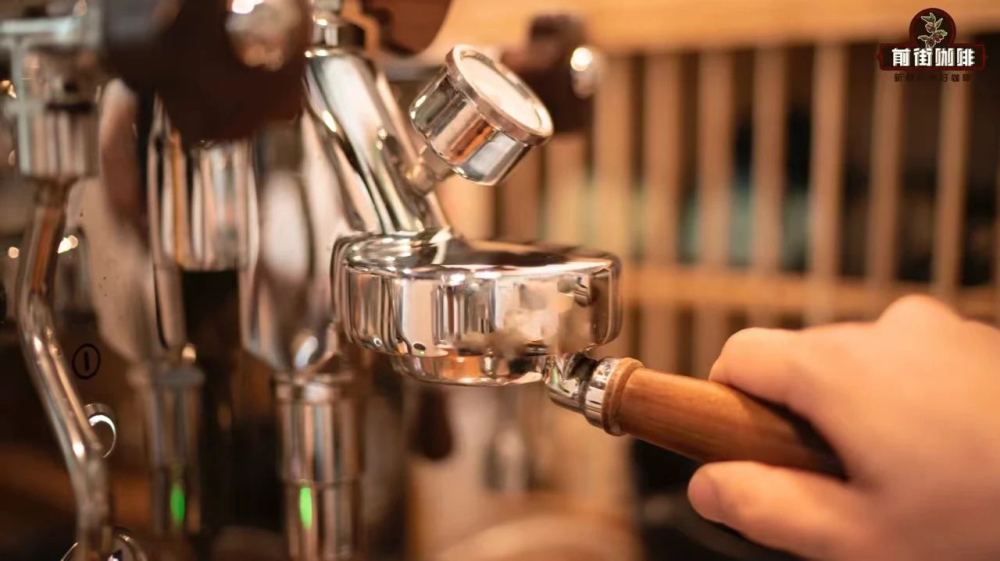
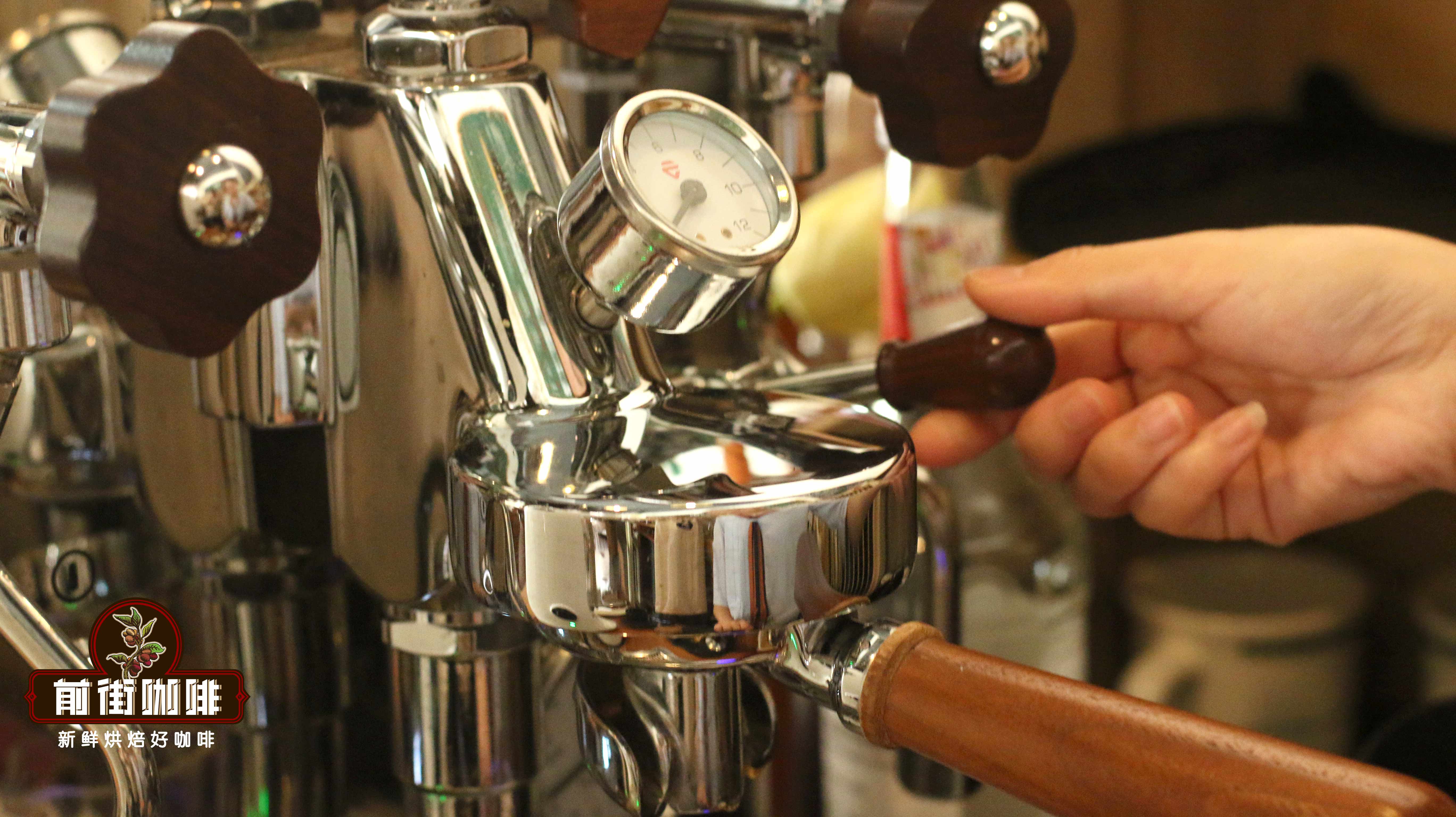
In a professional espresso machine, water heated to approximately 90–96°C is forcedunder 9-bar pressurethrough a compacted bed of finely ground coffee. This process not only efficiently extracts soluble compounds from the coffee but also emulsifies the natural oils present in the beans, forming stable tiny oil droplets suspended in the liquid. At the same time, the large amount of carbon dioxide trapped in freshly roasted beans is pressurized into the liquid under high pressure, and when these gases are released, they form the foam layer we see.
The so-called Americano actually has an interesting wartime history. During World War II, American soldiers stationed in Europe often found the local strong espresso unpalatable, so they began adding hot water to dilute it. This practice gradually evolved into what we now know as the Americano — essentially a diluted espresso made more palatable. Although modern preparation methods no longer strictly follow a specific sequence, the flavor profile of an Americano still largely depends on the quality of the espresso used.
Making a standard Americano is quite simple: first brew an espresso using a1:2 coffee-to-water ratio, then dilute it with hot water to taste. For example, using 20 grams of coffee grounds to extract 40 grams of espresso, following a1:6 ratio(i.e., adding 240 grams of water to 40 grams of espresso) will yield a well-balanced Americano. It’s important to note that the final flavor of an Americano is entirely determined by the quality of the espresso used.
The flavor profile of an Americano is primarily shaped by three factors: the quality of the beans, the extraction technique, and the dilution ratio. Over-extraction can lead to pronounced bitterness, under-extraction may result in sourness, and too much water can strip the coffee of its body, creating a so-called “watery” taste. The ideal balance should be smooth and well-rounded, with all flavor elements harmoniously coexisting.
Among the many espresso blends, one classic blend stands out as particularly noteworthy. This recipe pays homage to the classic “Mamba Coffee,” combining Indonesian Mandheling with Brazilian beans and adding Robusta to enhance crema performance. The wild aroma of Mandheling complements the smooth texture of Brazilian beans, while the addition of Robusta makes this blend especially suitable for milk-based drinks like lattes, delivering excellent latte art results.
When designing an espresso blend, the foremost consideration is the unique flavor characteristics of coffee beans from different global regions. Beans from various origins exhibit distinct flavor profiles due to differences in variety, altitude, processing methods, and more. For instance, some beans may excel in body but have more subdued aromas, while others might feature prominent aromatics but a relatively thin body. The art of blending lies in scientifically balancing different beans so their strengths complement each other, ultimately resulting in a well-rounded and layered overall flavor.
A commercial espresso blend is a formula designed specifically for coffee lovers seeking rich crema and body, composed of30% Colombia, 60% Brazil, and 10% Robusta. This blend is ideal for commercial use, offering stable extraction performance and a rich, layered flavor. The inclusion of Robusta not only boosts crema richness but also adds notable body to the overall taste.

For coffee enthusiasts who prefer brighter acidity, a Hua Kui SOE espresso bean is a great option. This single-origin bean from Guji, Ethiopia, when brewed as espresso, delivers vibrant notes of orange blossom, citrus, and berries, bringing a fresh and lively twist to traditional espresso flavors.
Another noteworthy choice is a Sidamo SOE espresso bean, made from beans sourced from the Huila region of Colombia. This bean features a unique fermented character, often showcasing tropical notes like passionfruit, orange, and grape, along with complex flavors of dried apricot, almond, and more. When brewed as espresso, it produces a moderate amount of crema, with a well-balanced sweet and sour profile and almost no noticeable bitterness.
For those seeking balanced flavors, a premium espresso blend offers a reliable choice. Based on a foundation of70% Brazil and 30% Colombia, this medium-dark roasted blend pairs the full-bodied base of Brazilian beans with the gentle fruit acidity and nutty finish of Colombian beans, making it suitable for everyday drinking with a classic and enduring flavor profile.
Finally, we introduce a beloved dark cocoa blend that’s especially popular among baristas and a cost-effective choice for moka pot use. This blend consists of30% Yunnan beans and 70% Brazil, using well-balanced Brazilian beans as the base, complemented by the unique character of Yunnan beans. It delivers satisfying flavor while maintaining excellent value, making it enjoyable for both coffee beginners and seasoned enthusiasts alike.
The above content is compiled by CoffeeHunters, a coffee news website.


