







Introduction:Costa Rican coffee is renowned for its bright acidity and honey-like sweetness, with the honey processing method adding even more complexity. This article takes an in-depth look at a Geisha blend from the Mirasú Estate, covering the growing environment, details of the raisin honey process, variety composition, as well as a medium-light roast profile, SCAA cupping data, and practical pour-over recommendations. This comprehensive guide will help you master the brewing essentials of this popular blend from origin to cup.
Costa Rican coffee has carved out a niche in the global specialty coffee market thanks to its distinctive sweetness and clear fruit acidity. Especially those processed using the honey method often carry lingering notes of honey, caramel, and even dried fruits, making them highly favored by pour-over enthusiasts. This article uses a Geisha blend from the Mirasú Estate in Costa Rica as an example, breaking down everything from the terroir of the growing region and variety composition to the key techniques of the raisin honey process. It also includes a medium-light roast curve, professional cupping data, and complete pour-over parameters. Whether you're interested in the characteristics of the Tarrazú region or looking for ready-to-use brewing solutions, you’ll find valuable insights here.
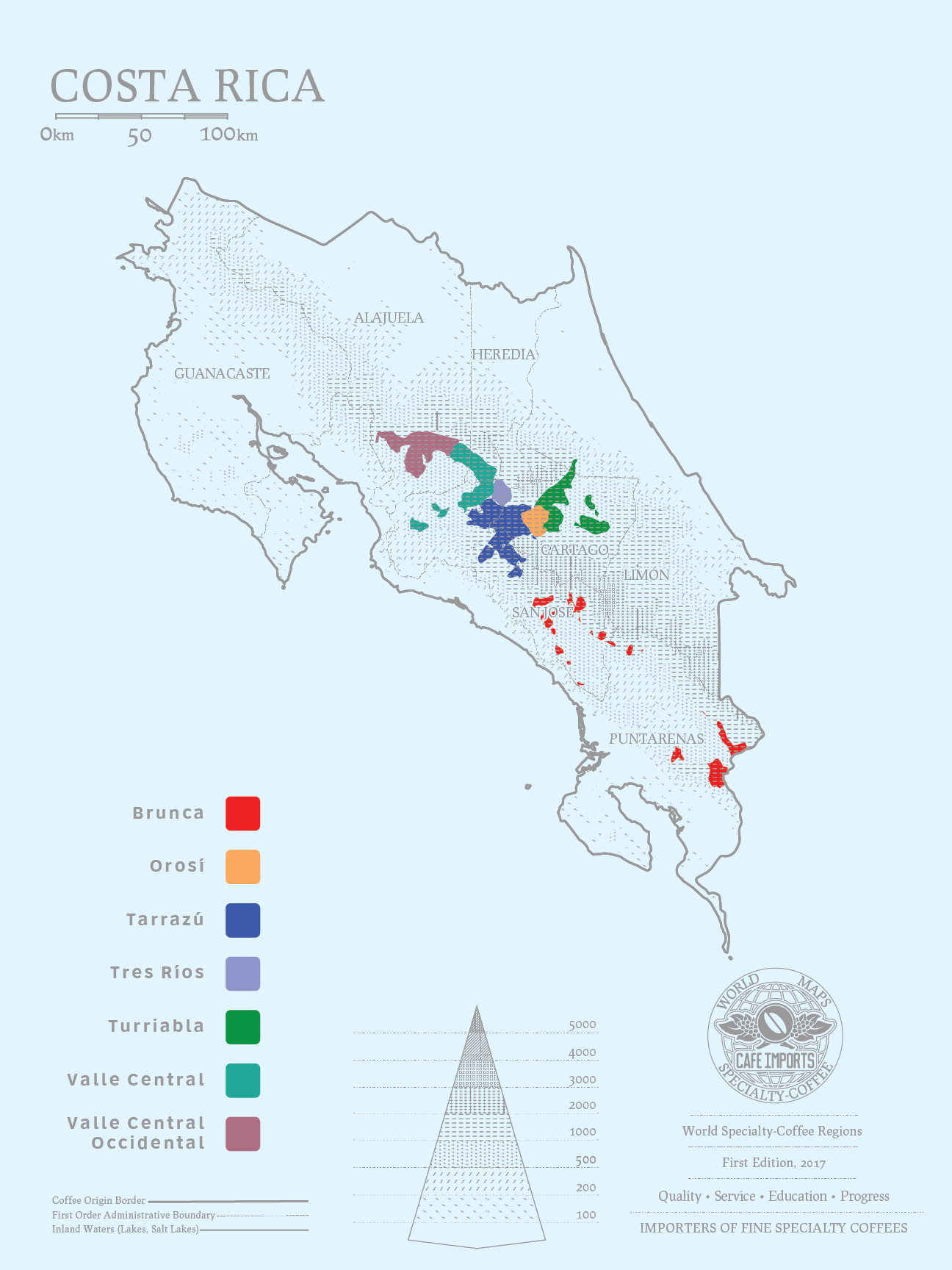
Costa Rica is one of the first countries in Central America to introduce coffee cultivation. Its volcanic terrain and high-altitude environment provide ideal growing conditions for coffee trees. The central plateau region, ranging in elevation from 1,200 to 1,600 meters, has its main harvest season from November to March each year, encompassing sub-regions such as Alajuela, San José, and Heredia. This area is home to active volcanoes including Irazú, Barva, and Poás. The fertile volcanic soil is rich in minerals and offers excellent drainage, resulting in coffee beans with bright acidity, rich chocolate and nutty tones, and delicate aromatic profiles.
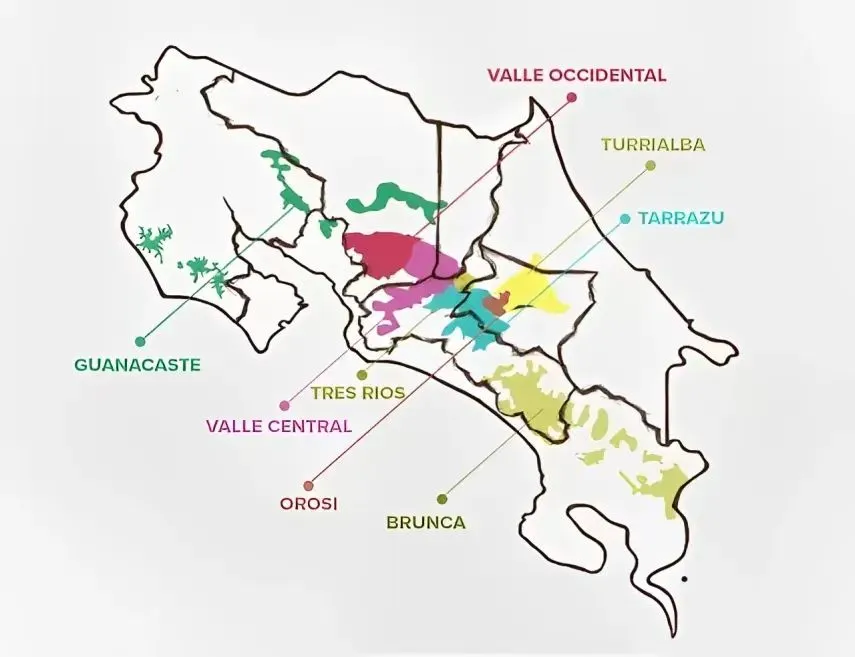
The country is divided into eight major coffee-growing regions, among which Tarrazú is the most famous and a primary source of specialty coffee. 'La Minita Tarrazu' from Tarrazú, though produced in limited quantities of only about 72,600 kg per year, is highly regarded in the market due to its strict manual harvesting and selection processes, as well as its chemical-free and pesticide-free farming philosophy. This commitment gives Tarrazú coffee a generally rich chocolate profile, full body, and smooth mouthfeel, making it a benchmark for many coffee enthusiasts.
The star of this feature is a Geisha blend from the Mirasú Estate in Costa Rica. The country of origin is Costa Rica, grown at an altitude of 1,700 meters, using the raisin honey processing method. The variety composition includes 50% Geisha, along with ET47, SL28, and MAICO, all sourced from the same estate, making it a single-region blend. The Mirasú Estate is small-scale, managed personally by Esteban Sanches and his family. Coming from a coffee-growing family, Esteban chose to go independent and even built a small wet-processing facility on the estate himself. He firmly believes that only by controlling quality at the source can truly high-quality coffee beans be grown, and he is eager to share his experience with other local farmers.
The Geisha variety in this blend brings elegant floral notes, particularly a pronounced jasmine aroma. ET47 and SL28 contribute flavors of strawberry and berries, with SL28 being known for its copper-colored leaves and broad bean-shaped cherries. Despite its low yield, SL28 delivers excellent sweetness, balance, and complex flavors, with particularly standout citrus and dark plum notes. The MAICO variety helps balance the overall flavor profile. Although called a Geisha blend, since all varieties are grown within the same region, it still qualifies as a single-origin coffee bean — in the narrow sense, a single-origin single variety.
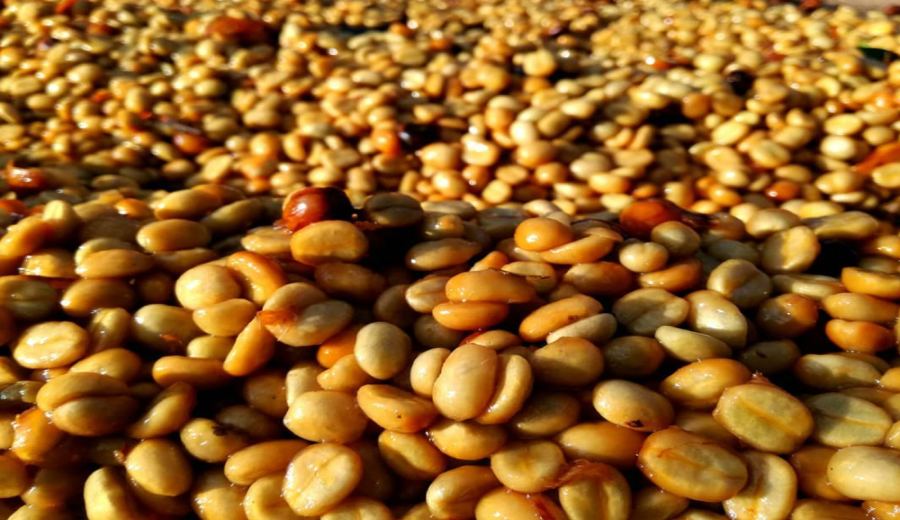
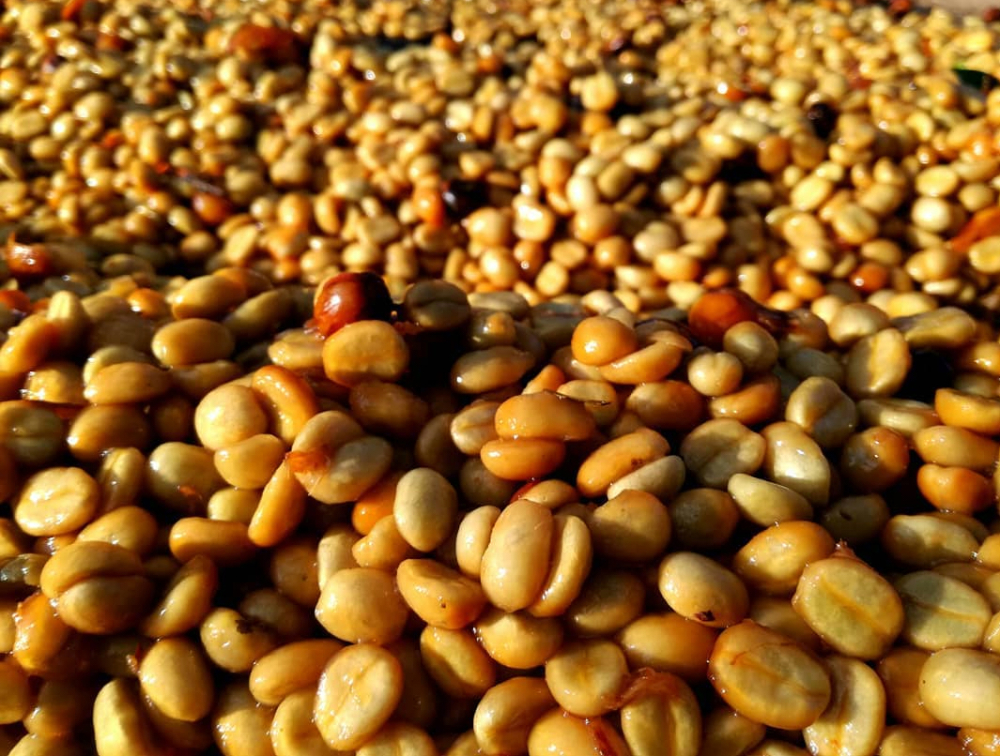
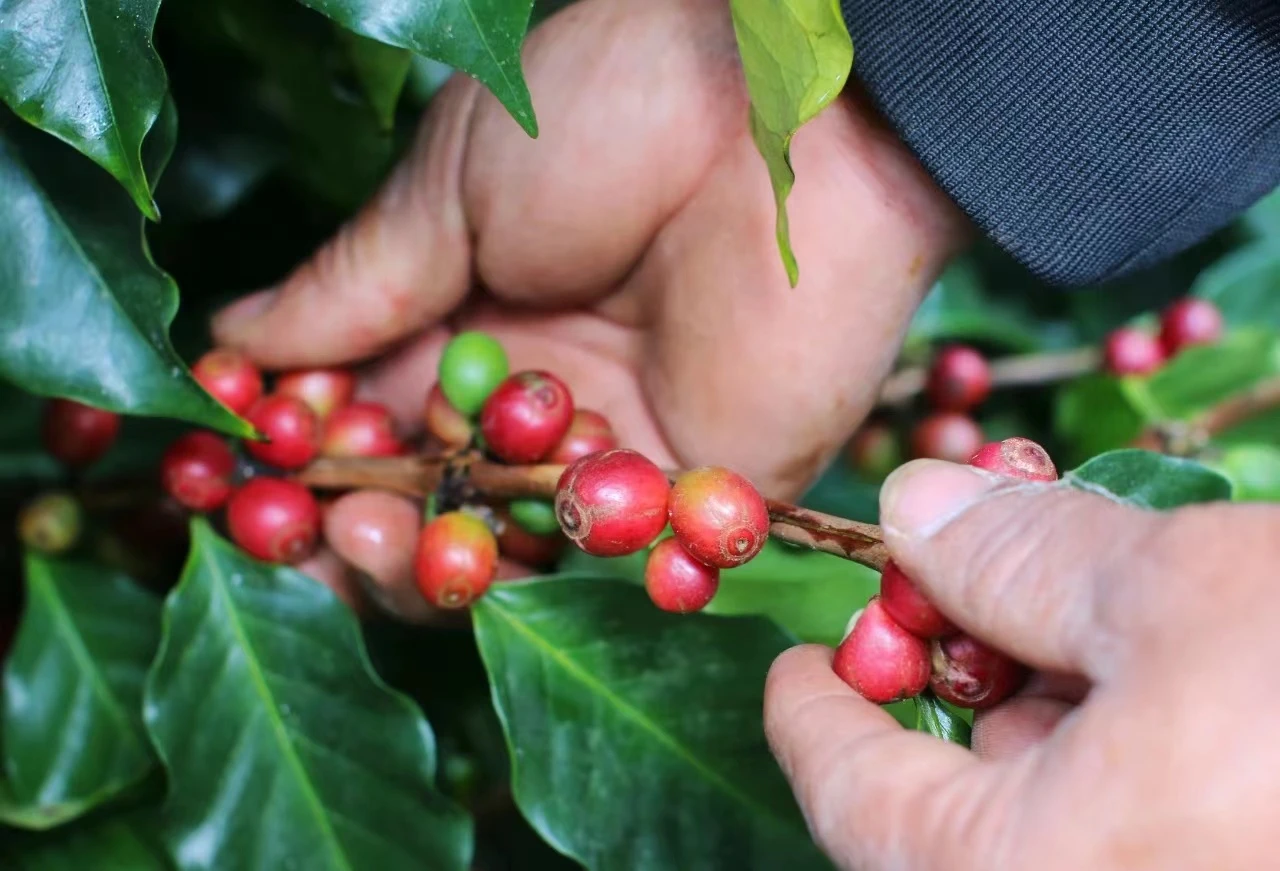
The so-called raisin honey processing method is characterized by retaining 100% of the fruit mucilage and avoiding water washing throughout the process. This makes weather and timing control extremely critical. Harvested coffee cherries are first floated in water tanks to remove unripe or overripe floaters, keeping only those that sink — the ripe ones. The mucilage-covered coffee cherries are then placed on raised beds to dry for at least three days before the outer skin is removed, allowing the mucilage layer to continue drying. During the drying period, the cherries must be constantly turned to ensure even drying, but the speed must be carefully controlled — avoiding both under-fermentation and over-fermentation. This technique imparts a full-bodied mouthfeel akin to white wine, with bright acidity, prominent fermented aromas, and noticeably enhanced sweetness.
In terms of roasting, this Costa Rican blend, with its mix of Geisha and other distinctive varieties plus the sweetness brought by the raisin honey process, is roasted to a medium-light level to preserve floral and fruity aromas as well as layered acidity. A semi-direct-fire Yangjia 800N roaster is used, with a single batch size of 300 grams. The roaster is preheated to 200°C, and when the temperature drops to 175°C, the beans are dropped in. The initial flame power is set to 120, with the air damper open to 3. The turnaround point stabilizes the flame power after approximately 1 minute and 32 seconds. At 114°C, the flame power remains unchanged while the air damper is increased to 4. At 6 minutes and 15 seconds, the beans turn yellow and the grassy aroma fades, entering the dehydration phase. By 140°C, the flame power is reduced to 100, with the air damper remaining at 4. Around the 9-minute mark, the bean surface shows wrinkles and black spots, and the aroma shifts to that of toasted bread and coffee, signaling the approach of first crack. Close attention to the first crack sound is required. First crack begins at 10 minutes and 25 seconds, the air damper is opened to the maximum of 5, and the flame power is maintained. Development after first crack lasts for 1 minute and 30 seconds, and the beans are dropped at 193.5°C.
According to SCAA standard cupping protocols, this coffee was evaluated within 8 to 24 hours after roasting. A 200 ml ceramic cupping bowl was used, with water temperature set at 94°C. The grind size was calibrated to 70%-75% passing through a #20 sieve, with a brew ratio of 1:18.18 (11 grams of coffee to 200 ml of water). Extraction concentration fell within the Golden Cup range of 1.15%-1.35%, and the immersion time was 4 minutes. Cupping results showed: the dry aroma featured distinct dried fruit and berry notes, while the wet aroma presented an interplay of floral and berry scents. Flavor layers included raisins, berries, and nuts, with a creamy-smooth aftertaste.
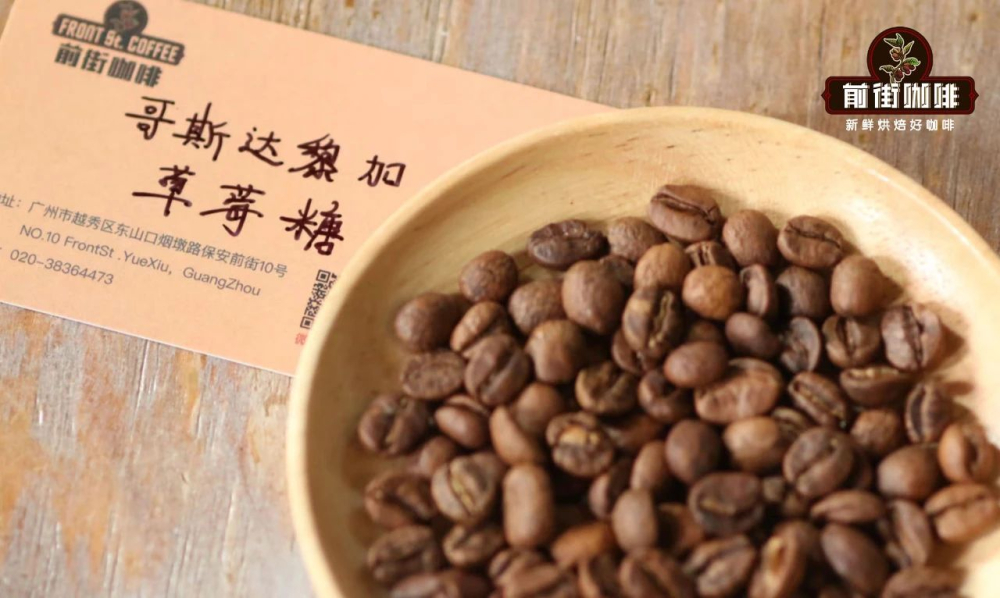
For actual pour-over brewing, it is recommended to maintain a water temperature between 90–91°C, with grind fineness similar to the 10th setting on an EK43s grinder (close to fine sugar granules), using a brew ratio of 1:15. A single dose of 15 grams is advised. Without a sieve, grind fineness can be judged by observing water flow speed: too fast may indicate a grind that is too coarse, while too slow may mean it’s too fine. Recommended pouring method is as follows: start with a 30g bloom for 30 seconds, then pour 95g of water within about 1 minute (total weight around 125g). When the water level drops to two-thirds of the coffee bed, pour the remaining 100g (total weight around 225g). Brewing should be completed in about 1 minute and 40 seconds, with total drip time controlled between 1 minute and 55 seconds to 2 minutes for optimal extraction.
The final brew presents a pronounced jasmine floral aroma, with strawberry and raisin sweetness on the palate, and a lingering finish of strawberry candy and nutty tones. The mouthfeel is creamy and smooth, making this a medium-light roasted Costa Rican blend with vibrant flavors and rich layers — perfect for coffee lovers who enjoy a balanced combination of fruitiness and sweetness.
The above content is compiled by CoffeeHunters, a coffee news website.


