







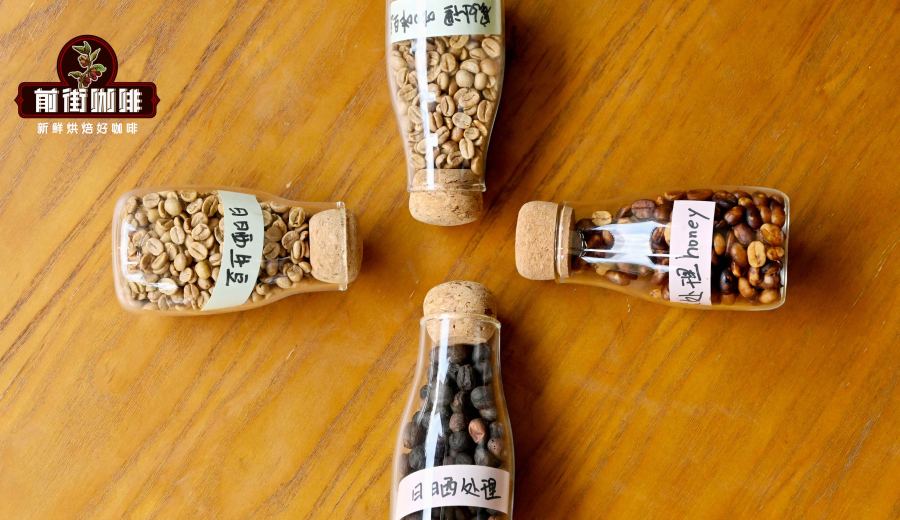
Introduction:Want to understand how Indonesia’s wet-hulling, Brazil’s pulp natural, and Central America’s honey processing—three non-traditional methods—affect a coffee’s acidity, sweetness, body, and unique flavor profile? This article delves into their processing principles, workflow differences, and cupping characteristics, while incorporating real-world regional and bean variety examples to help you grasp the essence of these distinctive methods and enhance your appreciation and selection knowledge of specialty coffee.
Coffee processing is a key step that determines the final flavor profile of green beans. Beyond the common washed and natural methods, there are three distinctive approaches that sit between them: Indonesia’s wet-hulling, Brazil’s pulp natural, and the popular honey process in Central America. These methods often emerged in response to local environmental constraints like climate and water availability, resulting in vastly different acidity, sweetness, and body profiles. Below, we’ll break down their processing logic and workflow details, analyze how processing techniques translate into cup flavors with real regional case studies, and finally provide a full comparison across acidity, sweetness, risks, equipment, and water usage.
Wet-Hulling: An Innovative Craft Adapted to High-Humidity Environments
Wet-hulling is primarily popular in Indonesia, especially in Sumatra. Its defining feature is that the coffee beans are hulled—that is, the parchment layer is removed—while they are still not fully dried, with moisture content as high as 30% to 35%, allowing the seeds to be directly exposed to the air for subsequent drying. This approach was developed to cope with the region’s humid and rainy climate, significantly shortening the overall drying time, but it also alters the flavor trajectory. Due to the shortened fermentation period, acidity is markedly reduced, while intense body is highlighted, accompanied by unique herbal, woody, and spicy notes. After roasting, it often exhibits rich caramel aromas and dark fruit tones, which are also key elements of the Mandheling flavor profile.
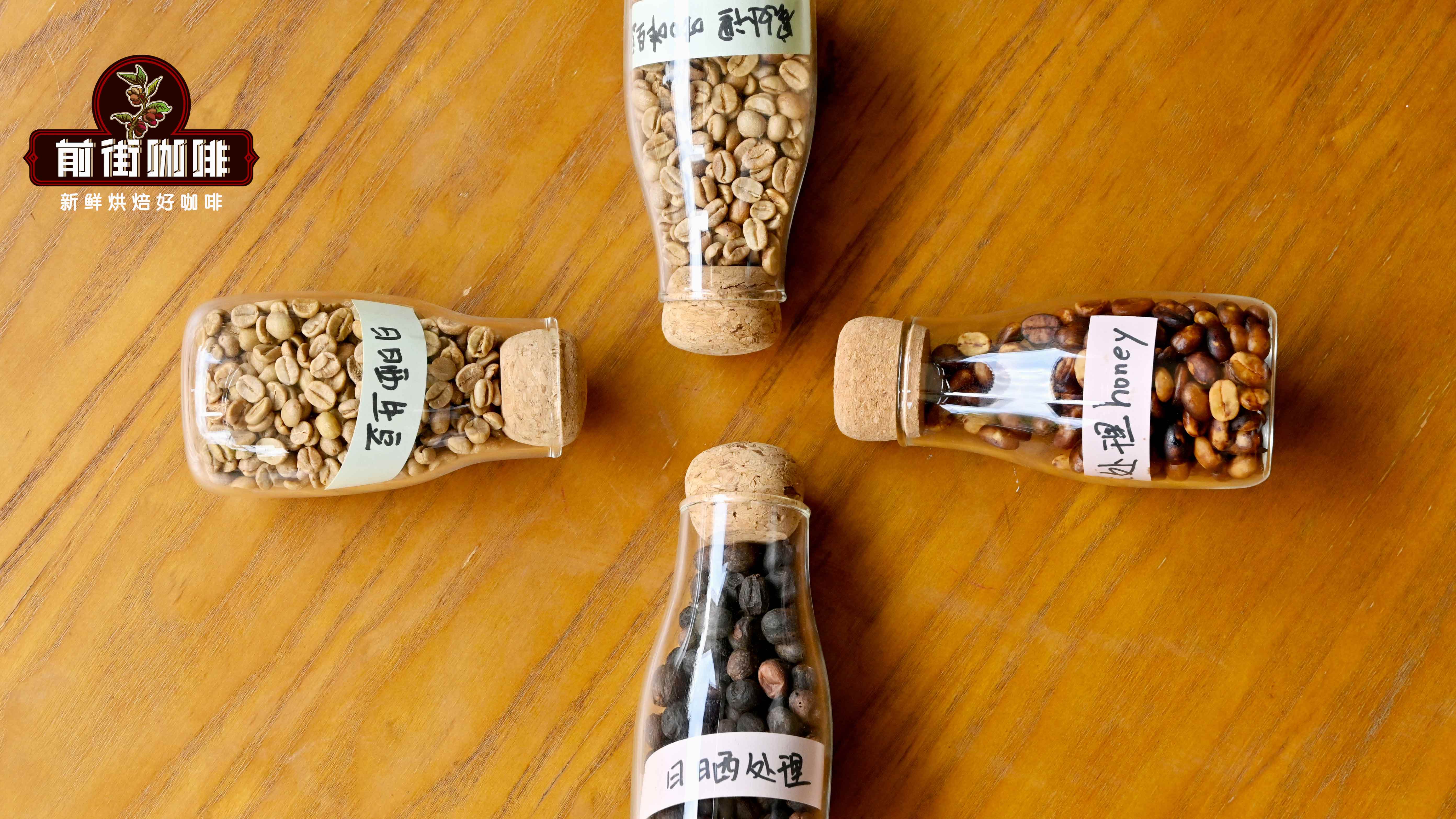
Take the classic Golden Mandheling as an example. It undergoes three rounds of hand sorting plus one mechanical screening to strictly control defect rates, ensuring a clean and pure mouthfeel. The beans come from hillside plantations at around 1,500 meters altitude. Although the climate is humid with abundant rainfall and the volcanic soil is nutrient-rich, the wet-hulling method effectively overcomes the drying challenges posed by the high humidity. For brewing, it’s recommended to use water at 88–89°C, paired with a Kono filter and a sugar-grind size, at a 1:15 coffee-to-water ratio. After a 30-second bloom, use a single-pour method, which often highlights smooth textures of dark chocolate and cream, delivering an overall very balanced and clean performance.
Pulp Natural: A Water-Saving Yet Flavorful Compromise
While traditional natural processing can preserve rich fruity aromas, its flavor stability is harder to control; washed processing, although clean, is extremely water-intensive and not very friendly to water-scarce regions. To address these issues, Brazil introduced the pulp natural method (pulped natural) in the 1990s. Its process involves removing the outer skin and most of the fruit pulp of the coffee cherry while retaining some mucilage, followed by brief washing and hours-long fermentation, then directly sun-drying the sticky, parchment-covered beans on well-ventilated African raised beds or similar setups. This method balances water savings with partial fruit aroma retention, while also giving the coffee a rounder mouthfeel and higher sweetness.
For example, beans from the Amanie Estate in West Java employ a processing method similar to pulp natural. The farm carefully selects ripe red cherries, removes only the outer skin, and retains the pulp for sun-drying, which takes about a month, followed by washing and resting, with about half a month of aging before final packaging. The overall goal is to extend the contact between the mucilage and the seeds to bring out richer, more layered flavor complexity.
Honey Processing: Sugar Retention for Explosive Sweetness
Honey processing can be seen as an evolved variant of pulp natural, originally refined from the Brazilian method by Central American countries such as Costa Rica and El Salvador. Its core lies in retaining the sticky mucilage layer on the coffee bean surface and proceeding directly to sun drying without washing it off, allowing sugars and flavor compounds to deeply penetrate the seeds. This method not only conserves water resources but also, under proper control, can significantly enhance the coffee’s sweetness and body. At the same roast level, honey-processed beans are generally sweeter and more caramel-forward than washed beans.
Depending on the mucilage retention ratio and drying method, honey processing can be further subdivided into black honey, red honey, orange honey, yellow honey, and white honey. Black honey retains nearly all the mucilage (about 80%), requires the longest drying time—over 14 days—and often needs shading to avoid over-drying; red honey typically removes around 25% of the mucilage, with a drying period of about 12 days; yellow honey removes about 40%, shortening drying time to around 8 days. There are also types distinguished by drying thickness and turning frequency—for instance, yellow honey is often slow-dried in thick layers, while white honey is typically thin-layered and fast-dried. Take the Costa Rican Shumawa Estate’s Black Honey Catuai as an example. Its processing is extremely meticulous, retaining abundant mucilage and drying slowly, ultimately yielding intense fruit aromas, high sweetness, and bright acidity. When brewed, it often showcases layers of berries, citrus, and black tea, with a finish carrying nutty and raisin-like sweetness.
It’s worth noting that honey processing is highly sensitive to weather and humidity; too rapid moisture evaporation can lead to defective flavors, so the drying environment and process must be carefully managed. Some advanced farms even use tools like refractometers to precisely determine the optimal harvest timing of red cherries, ensuring consistent flavor and high-quality output.
Overview of Processing Methods: Flavor & Technical Parameters
A comprehensive comparison of these three processing methods reveals significant differences in flavor characteristics, production risks, equipment requirements, and water consumption. In terms of acidity, traditional washed processing offers the brightest profile, followed by semi-washed (i.e., wet-hulling), honey processing, and finally natural and wet-hulled methods. For sweetness, natural processing leads, closely followed by honey, then wet-hulling, with washed and semi-washed being comparatively less sweet. Regarding production risk, wet-hulling and natural methods are higher due to the complexities of the drying stage, whereas washed and honey processing are relatively stable. Equipment costs are highest for washed and semi-washed, followed by honey and wet-hulling, with natural being the simplest. As for water usage, washed processing consumes the most, followed by semi-washed, while honey and wet-hulled require minimal water, making them more environmentally friendly.
The above content is compiled by CoffeeHunters, a coffee news website.


