








Introduction:Delve into the unique characteristics of coffee from Colombia’s Huila region, exploring its historical background, geographical environment, and the operational mechanisms of the Federación Nacional de Cafeteros (FNC). This article provides a comprehensive analysis of how this region cultivates balanced, sweet, and premium specialty coffee. It also covers traditional washed processing methods, practical brewing parameters, and flavor profiles, offering in-depth regional knowledge and practical guidance for pour over enthusiasts.
As a globally renowned producer of Arabica coffee, Colombia’s Huila region has long secured a respected place in the specialty coffee market with its consistently high-quality and stable flavor profile. If you’re interested in single-origin coffee, understanding Huila not only broadens your palate but also deepens your appreciation of the ecological and human stories behind the coffee region.
Colombia’s coffee cultivation history dates back to the 18th century, when Jesuit missionaries first introduced coffee seeds. It wasn’t until the late 19th century that Colombian coffee began to gain international recognition. Today, coffee is not only a vital pillar of the country’s agricultural economy but also one of its main sources of foreign exchange. Statistics show that Colombia’s annual coffee exports amount to $2.4 billion, accounting for 7.7% of the nation’s total exports, firmly establishing it as the world’s third-largest coffee producer. Notably, the country also serves as a benchmark in defending against coffee leaf rust, thanks to its unique geography, which makes it less vulnerable to extreme weather compared to neighboring Brazil.
Colombia’s coffee-growing regions are primarily located along three branches of the Andes Mountains: the Central Range, the Western Range, and the Eastern Range. These highlands, with their varying altitudes and diverse microclimates, allow for year-round coffee harvesting, resulting in stable and diverse regional outputs. Among them, the “MAM” zone in the Central Range — comprising Medellín, Armenia, and Manizales — is renowned for producing high-quality coffee, particularly those from Medellín, which enjoy higher market acclaim. The Eastern Range, around Bogotá and Bucaramanga, is also an important production area.
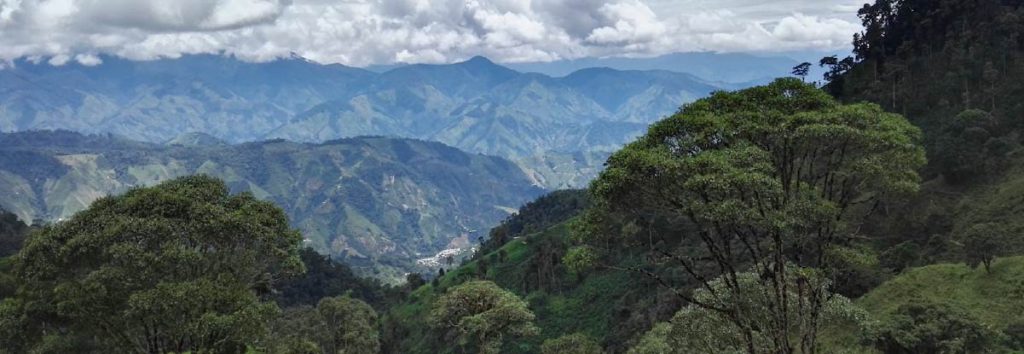
The Huila region is situated in southern Colombia, adjacent to the country’s second-highest peak — Nevado del Huila. This area boasts fertile volcanic soil, abundant rainfall, and moderate temperatures, making it suitable for coffee cultivation nearly all year round. With such exceptional natural conditions, Huila coffee is celebrated for its balanced flavors, pronounced sweetness, and rich complexity, making it a top choice for many coffee lovers trying South American beans for the first time.
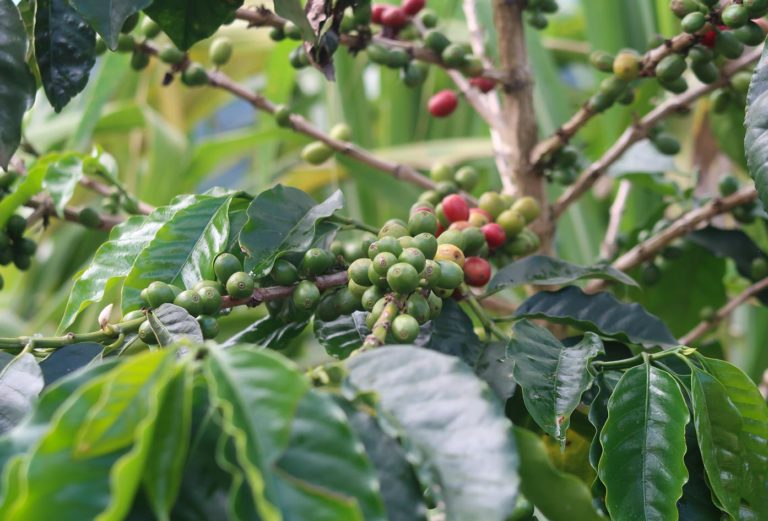
Colombia’s success in coffee is not only due to favorable conditions but also its well-established industry organization. The Federación Nacional de Cafeteros (FNC), established in 1927, is a private institution that undertakes national-level industry promotion and farmer support missions. The FNC oversees marketing, export management, and also provides technical support, loan services, and infrastructure — serving as a crucial backbone for over 540,000 coffee farming families. The association is responsible for approximately half of the country’s coffee exports and actively engages in quality control and market research to ensure Colombia’s global competitiveness in the coffee market.
The FNC also plays a key role in shaping Colombia’s international coffee image. Through continuous market education and brand development, it has successfully positioned Colombian coffee as synonymous with consistent quality. Additionally, the association is committed to agricultural technology research and development, assisting farmers in adopting modern cultivation and processing techniques to further enhance the overall competitiveness of the region.
In terms of processing methods, most coffee farms in Colombia still use traditional washed processing. The general procedure includes: after harvesting, the coffee cherries are first depulped to remove the outer skin and flesh, then the mucilage-covered parchment beans are placed in small tile tanks or containers for about 24 hours of fermentation to facilitate the natural removal of the pulp layer. After fermentation, the beans are thoroughly rinsed with clean water and then sun-dried outdoors to achieve the ideal moisture content. In case of rainy weather, some farms use dryers to complete the dehydration process at a constant temperature of around 50°C, ensuring the quality of the green beans remains unaffected.
The selected Huila everyday coffee bean is processed using the aforementioned traditional washed method and roasted to a medium level to highlight its classic flavor profile. Recommended pour over parameters are as follows: use a V60 dripper, control the water temperature at 91°C, set the coffee-to-water ratio at 1:15, with a coffee dose of 15 grams, and a grind size based on 75% extraction through a Chinese No. 20 standard sieve. Specific brewing technique: start with a 30-second bloom using 30 grams of water, then pour in a slow circular motion until reaching 125 grams for the first pour. When the water level is about to expose the coffee bed, continue pouring to 225 grams, then stop. Remove the dripper when the water level nears the coffee bed again. Total brew time is approximately 2 minutes.
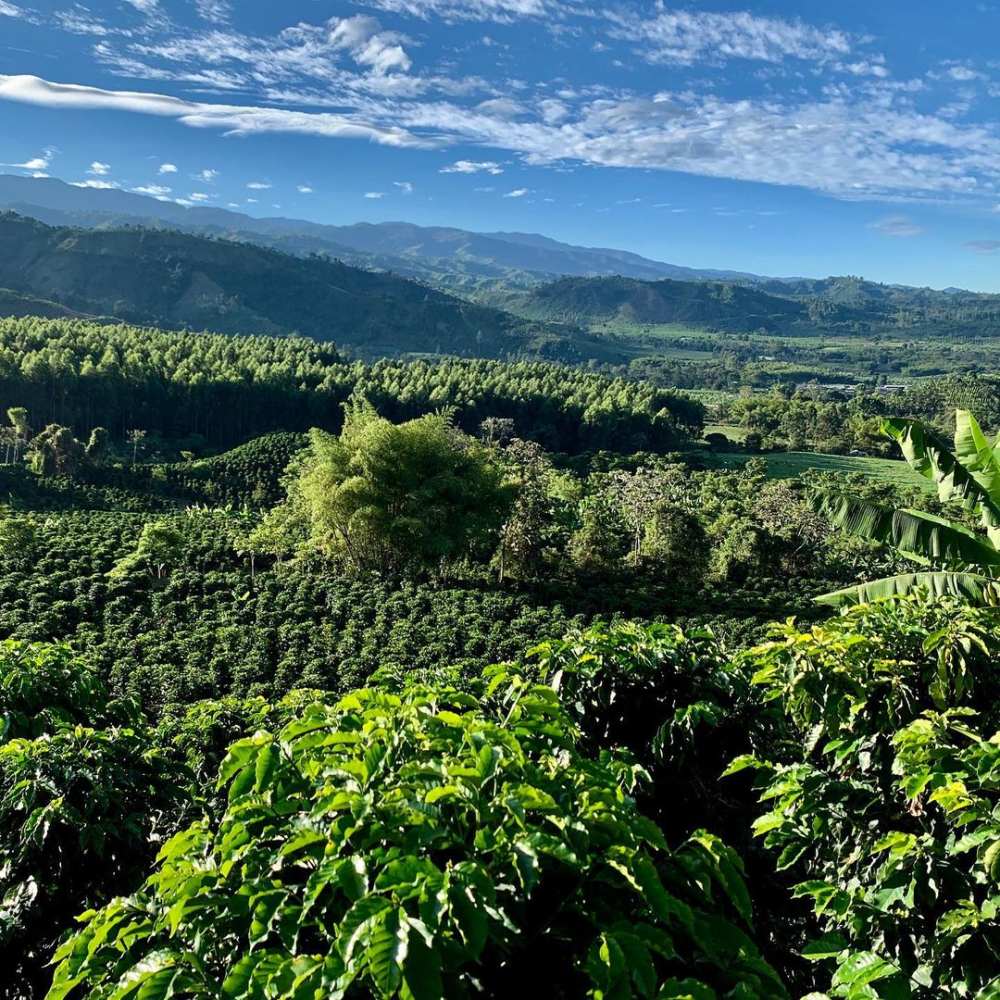
This Huila coffee showcases the classic traits of Colombian coffee: upon tasting, there’s an immediate presence of dark chocolate and caramel notes with a smooth finish. The acidity is gentle and not overpowering. As the cup cools, citrus tones gradually emerge, adding a refreshing fruity acidity. The overall mouthfeel is balanced with a long-lasting aftertaste, making it highly suitable for enthusiasts who enjoy medium-to-dark roast profiles yet seek the brightness of a single-origin coffee.
The above content is compiled by CoffeeHunters, a coffee news website.


