







Introduction:As a highly acclaimed Ethiopian natural sundried coffee bean in recent years, Sidamo Huakui has won the hearts of many coffee enthusiasts with its distinct citrus and berry aroma, as well as its juicy, sweet-tart flavor profile. However, even slight changes such as using a different dripper or fine-tuning extraction parameters can lead to significantly varied flavor outcomes. This article will delve into the origin background and version evolution of Huakui, and using the V60 dripper as an example, provide comprehensive extraction parameters, brew ratio, and three-phase pouring recommendations to help you more accurately capture the unique flavor layers of this coffee bean.
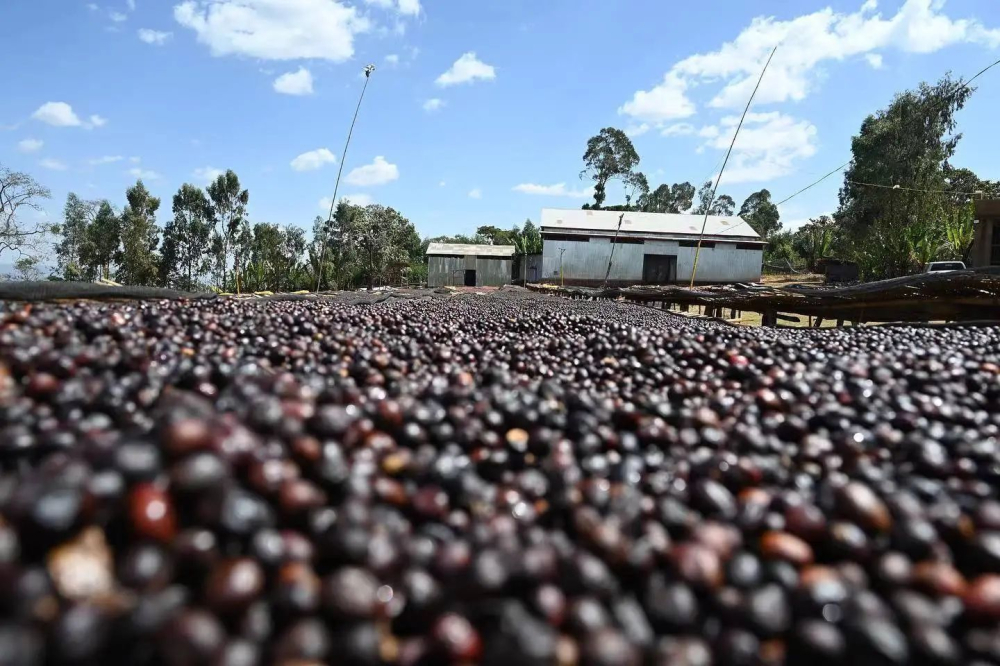
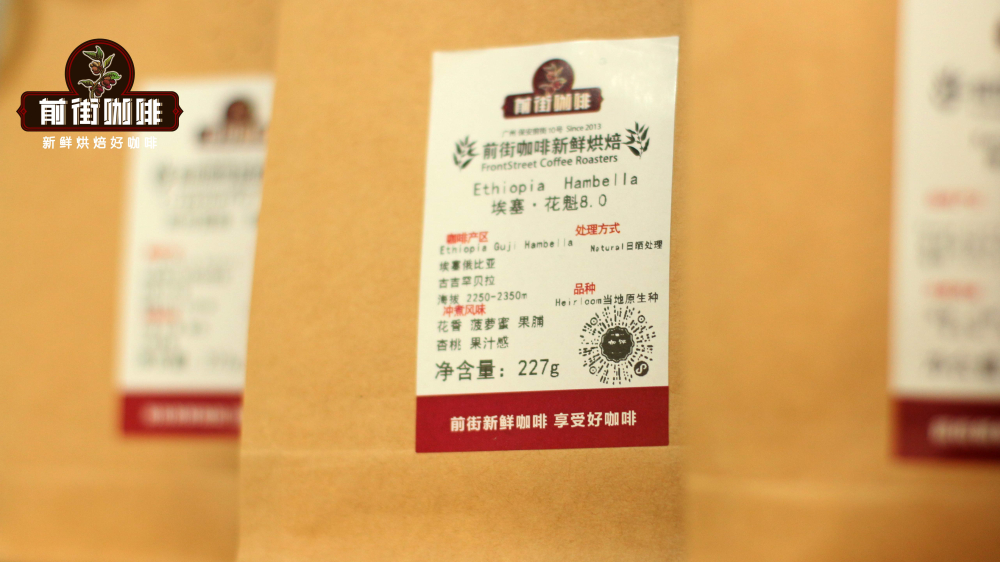
Huakui, a sundried coffee bean originating from the Guji Hambella region of Ethiopia’s Sidamo, has long been a shared favorite among both coffee novices and seasoned connoisseurs, thanks to its bright citrus and berry notes, along with its juice-like sweet-tart balance. This bean, affectionately nicknamed "Huakui", has the official name Ethiopia Guji Hambella Buku Abel. It is a premium Grade 1 natural sundried coffee produced by the local Buku Abel processing station. Its name stems from its victory in the Natural category at the TOH (Top of the Horn) competition, after which domestic green bean traders bestowed upon it the elegant Chinese moniker meaning "the foremost among flowers." Its fame also grew due to its flavor resemblance to Geisha.
In the market, common suffixes for Huakui such as 5.0, 7.0, actually represent batches from different years. Initially, this coffee was simply known as "Hambella," a traditional sundried bean from the Hambella region. As market demand grew, DW Company established multiple processing stations in the core area around Dimtu town, including villages such as Buku Abel, Buku Saysay, Haro Soresa, Tirtiro Goye, and Seke Bokosa, significantly increasing the production capacity of sundried beans. Starting in 2018, to differentiate between batches and flavor profiles across years, the industry began using “X.0” as batch numbering—for instance, 2018 became Huakui 2.0, 2019 saw 3.0 and 3.1, and the latest release in 2024 is Huakui 8.0.
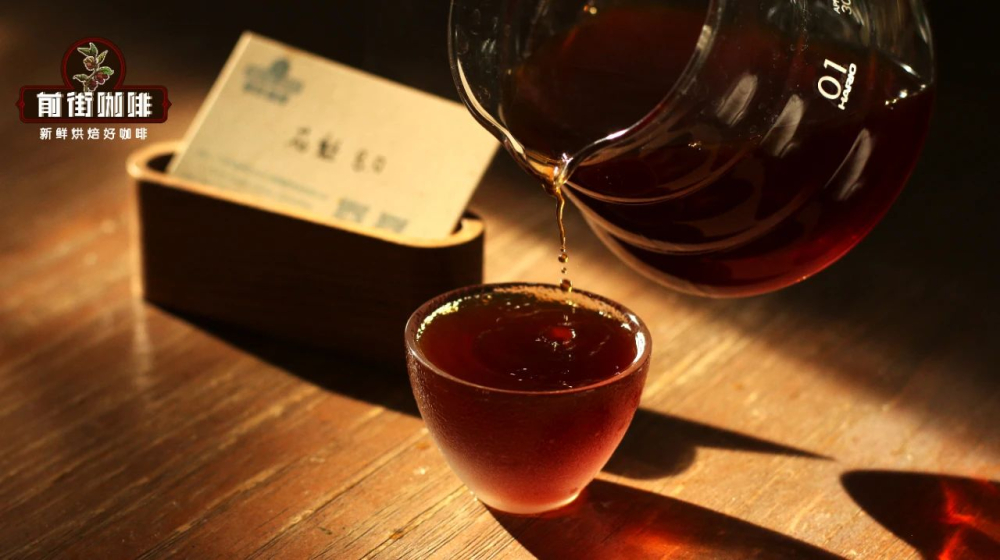
To fully showcase the flavor potential of Huakui, choosing the right dripper is crucial. The dripper not only affects flow rate and extraction efficiency but also directly influences the final taste and aroma of the coffee. Generally speaking, differences in dripper design can lead to variations in water flow speed, bed expansion, and extraction uniformity, thereby altering the overall flavor profile of the coffee. For a high-acid, bright, and fruit-forward coffee like Huakui, it is recommended to use a dripper like the V60 that allows fast water drainage and highlights clear flavor layers.
Taking the commonly used resin-made V60 size 01 dripper as an example, its design helps minimize heat loss, making it ideal for maintaining a stable brewing temperature during pour over. For the brew ratio, it is recommended to use 1:15, that is, 15 grams of coffee grounds to 225 grams of water, which balances richness and clarity of flavor. As for grind size, it is advised to use around 80% passing through a standard #20 sieve, roughly equivalent to the fineness of granulated sugar—fine enough for full extraction without clogging the filter paper.
In practice, it is recommended to perform extraction using a three-phase pouring method, which effectively controls the extraction pace and avoids over-extraction or under-extraction. First, during the bloom phase, pour 30 grams of water and let it sit for 30 seconds. At this stage, use a small stream of water and slowly circle outward from the center to ensure all coffee grounds are evenly wetted. This step helps initiate enzymatic reactions and lays the foundation for subsequent extraction.
After blooming, move on to the second pour, steadily adding 95 grams of water with a slightly larger stream, bringing the total water level to 125 grams. This stage should be completed around the 55-second mark. It is recommended to keep the water stream vertical and even to help uniformly lift the coffee bed and promote flavor release. Then, when the liquid level drops to about half, proceed with the final pour of 100 grams. At this point, switch to a smaller stream and reduce the circling range to avoid overly disturbing the coffee bed, which could cause fine particles to block the filter and affect flow rate and final mouthfeel. Upon completing all pours, the total extraction time should be around 2 minutes, yielding approximately 200 grams of bright and clear coffee liquor.
Throughout the entire pour over process, it is recommended to maintain the water temperature at around 91°C. This temperature strikes a balance between the acidity and sweetness of Huakui, avoiding overly sharp acidity from excessively high temperatures or muted flavors from too low temperatures. Additionally, try to maintain a stable stream and even coverage of the coffee bed while pouring, which helps minimize channeling and improves overall extraction consistency. If you find the extraction time too long or too short, you can appropriately adjust the grind coarseness or pouring speed to achieve the best possible flavor outcome.
In summary, this premium natural sundried coffee bean from Sidamo—Huakui—when paired with the right dripper selection, precise parameter settings, and carefully controlled pouring technique, can fully express its unique citrus, berry, and juicy sweet-tart characteristics. Whether you're new to pour over or an experienced coffee enthusiast, mastering these practical tips will allow you to more consistently highlight the captivating flavor profile of Huakui in every brew.
The above content is compiled by CoffeeHunters, a coffee news website.


