







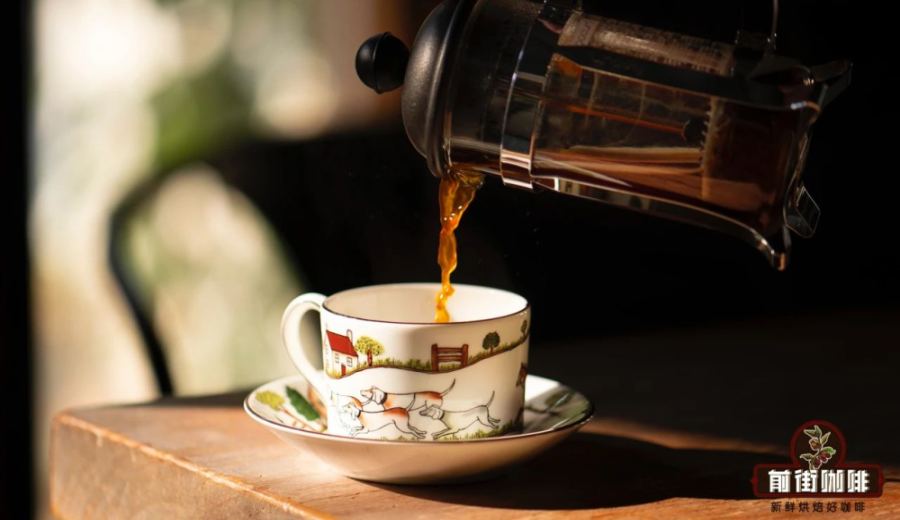
Introduction:The French press is a top choice for many coffee beginners due to its simplicity and ability to preserve rich oils and flavors. This article delves into the brewing principles of the French press, suitable grind size and water temperature, and demonstrates a complete brewing process with real coffee beans to help you choose the right beans, avoid common mistakes, and brew a rich and smooth French press coffee.
Among various coffee brewing tools, the French press is one of the few that requires almost no special skills to use. Its immersion brewing method fully extracts the aroma and taste of coffee beans while retaining the enticing coffee oils, resulting in a richer flavor than pour over. If you're new to coffee and haven't mastered pour over techniques yet, the French press is a great starting point to enjoy the pleasure of coffee.
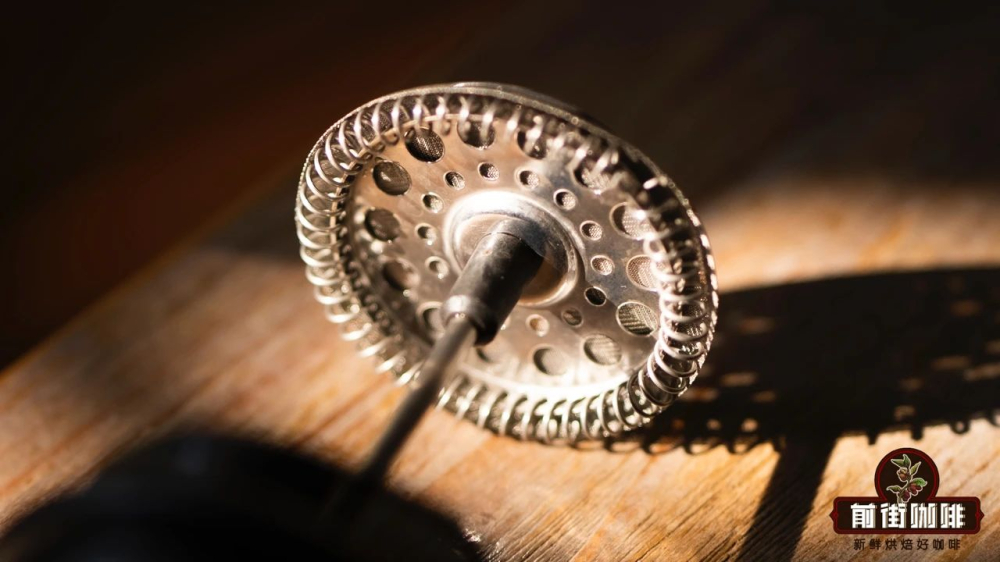
The history of the French press dates back to around 1850 in France, where it was originally used for brewing tea. Its basic structure consists of a heat-resistant glass carafe and a metal filter with a plunger. When coffee grounds are placed inside and soaked in hot water, the stable contact between water and coffee grounds allows for even extraction of flavor compounds. As metal filter technology advanced and the filter holes became finer, the French press gradually gained acceptance among coffee enthusiasts and became one of the essential brewing tools at home.
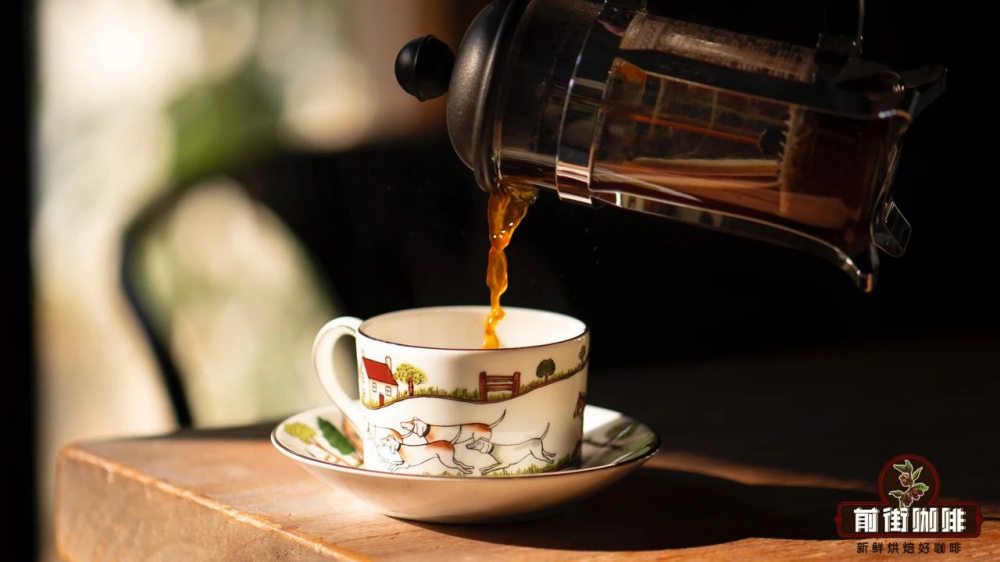
During the French press brewing process, steeping time is the most critical variable. It is generally recommended to control the time to around 4 minutes, with water temperature maintained between 88°C and 91°C, using a medium-coarse grind (approximately 68% passing through a standard #20 sieve). Since the metal filter has relatively large holes and cannot completely filter out fine particles, the steeping time should not be too long to avoid over-extraction and unwanted flavors, typically not exceeding 6 minutes. When the time is up, gently press the filter down, and it's advisable to pour out the coffee promptly to prevent residual heat from continuing to extract and affecting the flavor balance.
So, does long steeping with a French press also release undesirable flavors? In fact, as long as you control the water temperature, grind size, and steeping time, there's no need to worry. The so-called "long time" here refers to a reasonable 4 to 6 minutes, not an excessive steeping of over ten minutes. With proper operation, the French press can showcase the inherent richness of coffee without amplifying bad tastes.
Compared to pour over coffee, coffee brewed with a French press has a richer and smoother mouthfeel. This is mainly thanks to the metal filter retaining most of the coffee oils, often leaving a layer of fine sheen on the surface. In contrast, pour over often uses high-density paper filters, which, while producing a cleaner taste, also filter out many oils and subtle flavors. Additionally, the French press has a simple design, without complicated pouring techniques or filter choices. By mastering just three key elements—grind size, water temperature, and steeping time—you can consistently brew coffee with pure and rich flavors.
To experience the charm of the French press firsthand, try following the practical example below. For this demonstration, we selected the Mozart coffee bean from Costa Rica’s Musician Series. This bean is known for its dried fruit fermentation notes, white floral aromas, and distinct sweet and sour profile, making it ideal for showcasing the strengths of the French press. Recommended parameters are as follows: 15 grams of coffee, a 1:15 coffee-to-water ratio, medium-coarse grind (68% passing through a #20 sieve), 90°C water, and a 4-minute steeping time.
For the steps, first preheat the French press with warm water to help maintain temperature stability during brewing, then discard the water. Next, add the pre-ground coffee, pour in about 225 milliliters of 90°C hot water, and it’s recommended to pour in about 3 seconds with a relatively fast flow rate to ensure full saturation and agitation of the coffee grounds, which helps improve overall extraction efficiency. After pouring, gently lift the filter, put on the lid, and let it steep for 4 minutes. Once the time is up, slowly and gently press the filter down, stopping when it reaches about a quarter of the way down the carafe to avoid disturbing the bottom fine particles and causing them to rise. Finally, pour the coffee into your cup as soon as possible to enjoy the best flavor.
By following the above steps, you can easily brew a cup of distinctly flavorful French press coffee. Taking the Mozart coffee bean as an example, once brewed, the first thing you’ll notice is the intense aroma of fermented raisins. On the palate, it delivers a bright berry juice-like taste with the fragrance of orange blossoms, balancing sweet and sour notes with a refreshing hint of pineapple in the aftertaste. This is precisely the charm of the French press in fully showcasing the original flavors of coffee.
In summary, the French press is not only suitable for coffee beginners but also meets the needs of advanced enthusiasts who seek a rich mouthfeel and simple operation. By mastering the coarse grind size, water temperature range, appropriate steeping time, and paying attention to details during pressing, you can consistently brew French press coffee with your own personal touch. If you’re looking for a tool that’s easy to use and highlights the essence of coffee, the French press is definitely worth adding to your brewing lineup.
The above content is compiled by CoffeeHunters, a coffee news website.


