







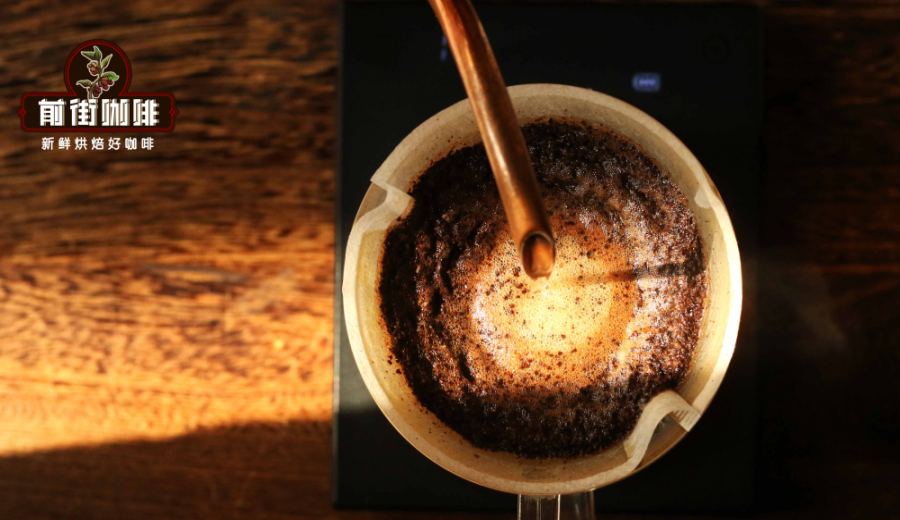
Introduction:The key to unlocking coffee flavors lies in precisely matching grind size with brewing parameters. This article delves into the six main grind levels—from extremely fine to extremely coarse—and explains their suitability for various brewing methods such as pour over, French press, and espresso. It also breaks down the science behind coffee particle-water interaction. Additionally, we provide a practical sieve test method and passing rate reference to help you find your own golden grind standard.
The essence of coffee extraction is the process of dissolving aromatic compounds from coffee beans using water. Among the many factors affecting extraction efficiency, grind size is one of the most intuitive and crucial elements to carefully adjust. Finer grinds allow water to penetrate the coffee particles more quickly, extracting a larger amount of flavor compounds in a shorter time, resulting in a richer and more intense cup. Conversely, coarser grinds slow down water penetration, reduce extraction efficiency, and often lead to a thin and dull taste.
So, what are the common grind levels available on the market? From Turkish coffee to French press, how should different brewing devices choose the appropriate grind size? This article will comprehensively analyze the characteristics of each grind level, explain how they influence the final flavor, and guide you in mastering the ideal grind parameters for pour over coffee.
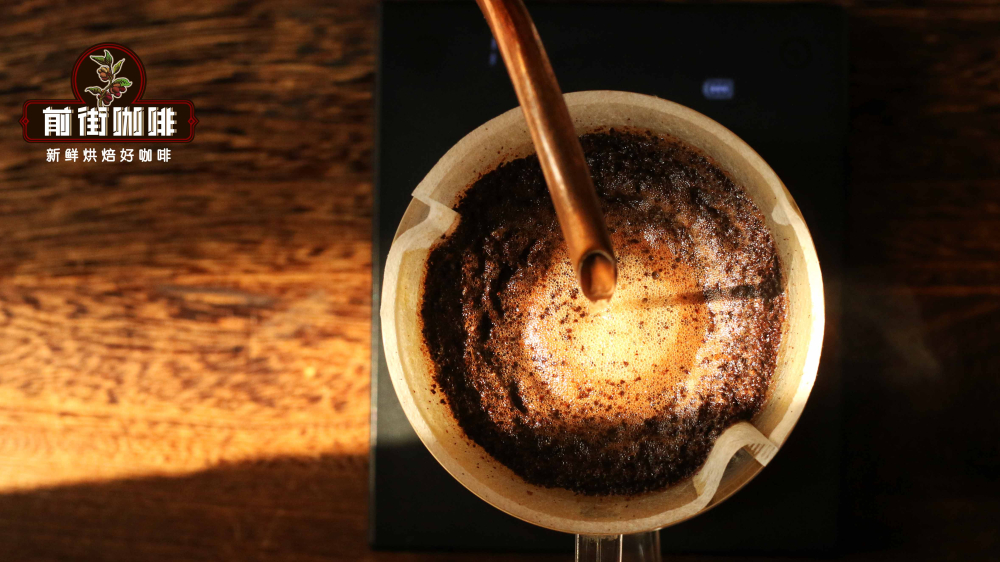
Grind size, simply put, refers to the particle size of ground coffee. Coarser particles slow down water infiltration into the coffee core, requiring more time to release sufficient flavor. Finer particles, on the other hand, allow water to penetrate quickly, extracting more compounds in a shorter time, resulting in a richer and more layered cup. Therefore, adjusting grind size is one of the key methods for controlling extraction time and flavor intensity.
Common grind sizes can generally be divided into six main categories: the finest is tailored for Turkish coffee, followed by extremely fine for espresso, then medium-fine suitable for most pour over and drip methods, medium-coarse for siphon brewers, and finally, the coarsest grind required for French press. Each grind size corresponds to different brewing times and water temperature settings, further influencing the acidity-sweetness balance and body of the coffee.
Take espresso, for example—its grind is extremely fine because extraction typically lasts only 20 to 30 seconds. The goal is to extract highly concentrated coffee material within a short period to support subsequent dilution with water or milk. In contrast, pour over coffee has a longer extraction time, usually between 1 to 3 minutes (around 2 minutes on average), so a medium grind is used to avoid over-extraction that could lead to bitterness.
French press, with its immersion time typically exceeding 4 minutes, uses the coarsest grind to prevent over-extraction caused by prolonged contact with water, ensuring stable and balanced flavor release. Siphon brewers, with their unique heating and filtration systems, are best paired with a medium-coarse grind to match their approximately 2 to 3-minute extraction cycle.
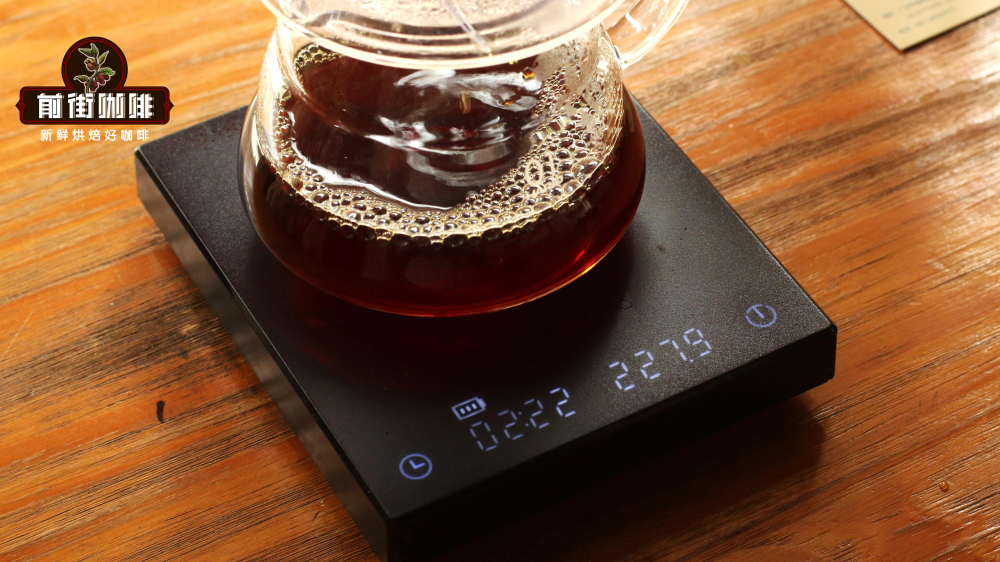
So, what grind size should you choose for pour over coffee? Since different grinders have vastly different scale markings, many coffee enthusiasts often feel confused about the "appropriate grind size" when trying new beans or equipment. To address this issue, the industry commonly uses a scientific and repeatable testing method—the standard sieve test.
Specifically, you can use a sieve with a 0.85 mm aperture, take 10 grams of ground coffee, pour it into the sieve, and gently shake it. Coffee particles smaller than 0.85 mm will pass through the sieve. After several shakes, weigh the amount of coffee that passed through to calculate the passing rate. For example, if 8 grams pass through, the passing rate is 80%.
Based on practical experience, the recommended grind passing rate for pour over coffee is around 80%, which corresponds to a medium-fine grind. This setting helps achieve balanced flavor release within an extraction time of about 2 minutes. However, this is just a basic reference—actual adjustments should also consider bean variety, roast level, water temperature, and personal taste preferences.
In summary, grind size is one of the core variables affecting coffee extraction efficiency and flavor expression. From the extremely fine grind used in Turkish coffee to the extremely coarse grind for French press, each brewing method has its optimal grind range. Mastering these fundamental differences and using practical tools like sieve passing rates for fine-tuning will help you find your ideal extraction balance across different devices and beans, allowing you to enjoy a richer and more diverse coffee flavor experience.
The above content is compiled by CoffeeHunters, a coffee news website.


