







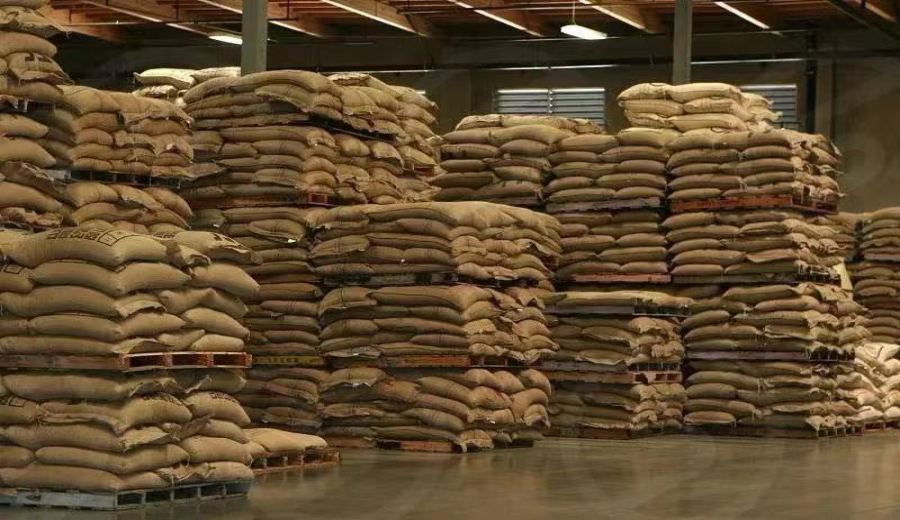
Introduction:As the world’s largest producer of Arabica coffee, Brazil is renowned for its richly flavored beans and excellent cost-performance ratio, making its coffee highly favored by consumers globally. This article delves into the geographical characteristics of major Brazilian coffee regions such as Cerrado and Mogiana, explores the varietal differences between Red Bourbon and Yellow Bourbon, introduces the origins and advantages of the pulped natural processing method, and finally provides practical pour over parameters and flavor descriptions to help coffee enthusiasts better master the brewing essentials of Brazilian coffee.
Brazil consistently ranks as the world’s top producer of Arabica coffee, accounting for approximately 30% of global annual output. Its production performance often directly influences the fluctuations of international coffee futures prices. In years of bumper harvests, large quantities of green beans enter the ICE exchange in the United States, increasing inventory and causing market prices to decline accordingly; conversely, a poor harvest may drive prices up. Such market influence makes Brazilian coffee not only the dominant force in production but also a key price indicator.
Brazil’s rise as the coffee kingdom can be traced back to the early 18th century. At that time, a Portuguese military officer named Francisco Palheta secretly introduced coffee seeds from French Guiana to Brazil, thus initiating the country’s coffee cultivation history. Initially, coffee was consumed only domestically until after the American War of Independence, when people began replacing tea with coffee, leading to a surge in import demand and rapid expansion of Brazil’s coffee industry. By 1850, coffee exports accounted for nearly half of Brazil’s total exports, solidifying its significant economic status.
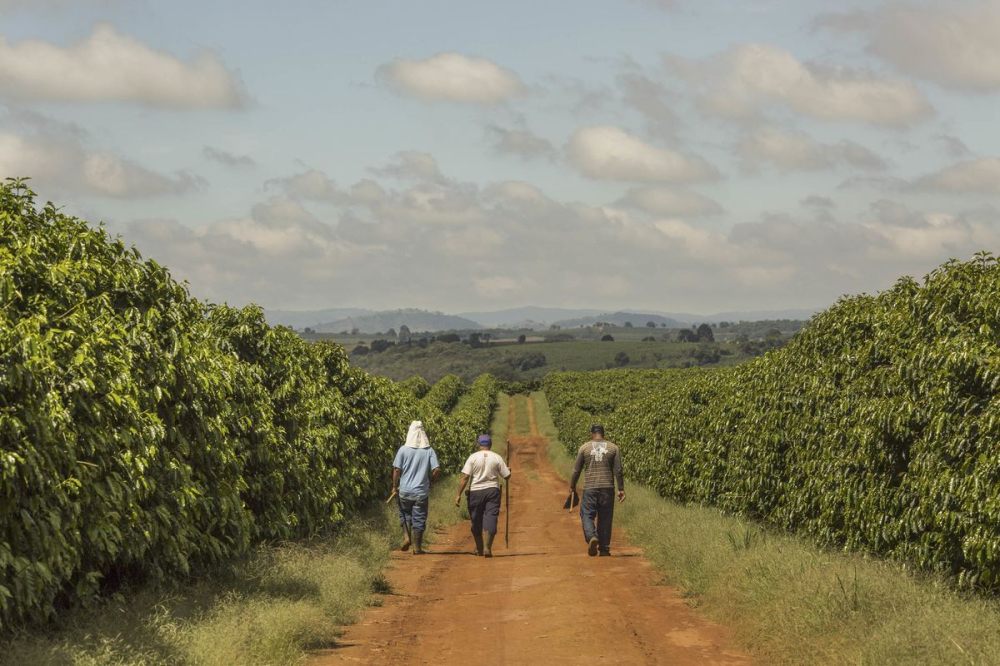
Brazil’s geographical environment is highly conducive to coffee cultivation. The entire country is mostly located in the tropics, characterized by low altitudes and flat terrain, with distinct seasons that lead to a concentrated ripening period for coffee cherries, facilitating large-scale harvesting. However, compared to Central American high-altitude regions, Brazil’s generally flat terrain and lower altitudes make it difficult to form diverse microclimates, resulting in relatively simple coffee bean flavors—common notes include nuts and chocolate, with less bright acidity and complexity. Yet, this also contributes to its rich, full-bodied profile and excellent cost-performance ratio.
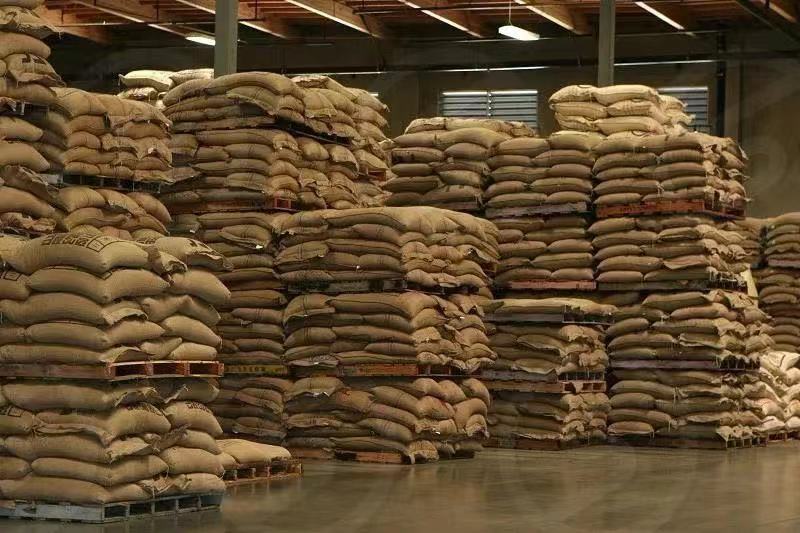
Brazil’s main coffee-growing regions are concentrated in the states of Minas Gerais, São Paulo, Bahia, and Espírito Santo, which together account for 90% of the country’s total production. Among them, Cerrado and Sul de Minas in Minas Gerais feature higher altitudes, while Mogiana in São Paulo is known for its refined management and excellent cup quality. Cerrado is located in the inland savanna region of Brazil—though not entirely composed of grasslands, it specifically refers to the premium planting belt above 1,000 meters altitude, with fertile soil and a favorable climate, making it home to many specialty coffees. Mogiana, adjacent to Sul de Minas, has coffee farms scattered among grasslands and shrubs, coexisting with traditional large plantations and small modern farms, blending modern techniques with local culture to produce numerous high-quality green beans.
Two representative beans popular in Brazil are the Yellow Bourbon from Fazenda Rainha in Mogiana and the Red Bourbon from Cerrado. Fazenda Rainha, situated at an altitude between 1,400 and 1,950 meters, spans 280 hectares, with 200 hectares exclusively planted with Yellow Bourbon. Its exceptional environment makes it a significant source of specialty coffee. The Cerrado region, with its high altitude and fertile soil, produces coffee beans that often exhibit a sweet and full-bodied character while maintaining outstanding clarity.
In terms of varieties, Brazilian coffee is dominated by the Bourbon group, which includes both Red Bourbon and Yellow Bourbon. Red Bourbon, with bright red fruits when ripe, features broad leaves and high yields per plant, though its overall yield remains relatively low. Cupping often reveals a subtle wine-like acidity and a sweet lingering finish. Yellow Bourbon is a mutation of Bourbon, named for its orange-yellow fruits at maturity. It is typically cultivated at higher altitudes, delivering more outstanding flavor profiles, commonly showcasing nutty and chocolatey notes, with soft and balanced acidity, a refreshing and bright overall mouthfeel, minimal bitterness, and high clarity.
The processing methods for Brazilian coffee are also distinctive. Due to the dry climate, traditional natural (sun-dried) processing is feasible but prone to contamination by impurities, while washed processing is more costly. As a result, Brazil developed the “pulped natural” method (also called semi-washed), which involves first removing the skin and pulp, then using the characteristic that unripe fruits are harder to remove to further screen out defective beans, ensuring uniform ripeness. The beans are then spread out to dry with their mucilage still attached, and hulling is performed once the moisture content reaches the desired level. This method combines the advantages of both natural and washed processes, takes less time than traditional sun drying, uses far less water than washed processing, and is well-suited for large-scale production.
To fully highlight the rich character of Brazilian coffee, the brewing method is crucial. It is recommended to use freshly roasted beans, as only fresh beans can deliver the best aroma and complexity. Generally, Brazilian coffee suits medium to dark roasts, which enhance its inherent bold flavors and reduce sharp acidity. In terms of grind size, a medium-coarse setting is advised to slow down over-extraction in the later stages and avoid unnecessary bitterness. For water temperature, avoid going too high—around 89°C is recommended to help balance the flavor profile.
Practical brewing reference parameters are as follows: use a KONO filter, 15 grams of coffee, 89°C water temperature, medium-coarse grind (approximately 75% extraction through a #20 sieve), and a 1:15 coffee-to-water ratio. Begin with a 30-second bloom using 30 grams of water, then pour in a small circular motion until reaching 125 grams for the first pour. When the water level drops and is about to expose the coffee bed, pour again to 225 grams, then stop and wait until the water level drops near exposing the coffee bed before removing the filter. The total brew time is around 2 minutes and 10 seconds (approximately 2 minutes if using a V60 filter). These parameters help bring out the sweetness and full-bodied base of Brazilian beans while avoiding over-extraction that could lead to bitter aftertastes.
Taking Fazenda Rainha Yellow Bourbon as an example, its flavor profile is clear: the entry offers a rich base of almond and cocoa, complemented by pronounced cane sugar sweetness, resulting in a full, balanced cup with outstanding sweetness. On the other hand, Cerrado Red Bourbon presents a different personality—the entry is distinctly sweet with subtle lemon aroma, followed by a strong nutty mid-palate, and finishes with a deep dark chocolate note. The mouthfeel is round and layered, making it an ideal choice for coffee lovers who appreciate bold and full-bodied flavors.
The above content is compiled by CoffeeHunters, a coffee news website.


