







Introduction:Delve into Brazil’s history as the world’s largest coffee-producing country, explore the characteristics of its key coffee-growing regions, and understand the flavor differences between the classic Red Bourbon and Yellow Bourbon varieties. This article also explains the uniqueness of the honey processing method and provides professional pour over parameters to help you easily brew a rich and balanced Brazilian coffee at home.
Brazil is not only the global leader in both coffee production and exports, but its coffee is also renowned for its bold nutty and cocoa profiles, loved by coffee enthusiasts worldwide. Starting from the origins of coffee cultivation in Brazil, this article explores the features of its three major producing regions and focuses on the differences and performance of the two classic varieties, Red Bourbon and Yellow Bourbon. It also provides an in-depth analysis of the characteristics of honey processing and how precise pour over extraction can highlight the richness and complexity of Brazilian coffee beans.
Brazilian coffee is known for its stable flavor profile and rich taste layers, with its nutty and cocoa dominant notes leaving a lasting impression. The country not only consistently ranks first in global coffee production, but its highly mechanized and large-scale cultivation has also given rise to a representative bold and full-bodied flavor. This article will use classic Bourbon varieties from well-known Brazilian regions as examples to explore their unique characteristics, and provide complete pour over parameters and operational suggestions suitable for home brewing, helping you reliably replicate a professional-level coffee experience.
Tracing the History of Brazilian Coffee Cultivation
The story of Brazilian coffee began in the early 18th century. Historical records indicate that around the 1720s, a Portuguese military officer named Francisco de Mello Palheta smuggled coffee seeds into Brazil from French Guiana. It is said he managed to obtain these precious seeds by winning the favor of the wife of the local governor. These seeds quickly proliferated in Brazil, initially taking root in the northern regions before gradually expanding to São Paulo in the southeast and Paraná in the south. However, due to its higher latitude, Paraná often experiences frost in winter, posing challenges to coffee cultivation.
By the 1970s and 1980s, coffee cultivation gradually shifted to the more temperate climates of Minas Gerais and Bahia, especially Minas Gerais, which has now become an important hub for specialty coffee in Brazil. Before 1990, Brazil’s coffee industry was tightly regulated by the government, with both minimum price protections and production controls in place, which ironically led to oversupply. It wasn’t until market liberalization in the 1990s, when the production and sales structure was significantly reformed, that Brazilian coffee truly entered the international specialty market and solidified its leading global position.
Analysis of Brazil’s Major Coffee Growing Regions
The flavor of Brazilian coffee is inseparable from the geographical conditions of its producing regions. Approximately 90% of the country’s coffee production is concentrated in four main areas: Minas Gerais, São Paulo, Bahia, and Espírito Santo. Among these, the Cerrado and Sul de Minas regions within Minas Gerais, as well as Mogiana in São Paulo, are particularly representative of specialty coffee production.
Sul de Minas, with elevations between 700 and 1200 meters and predominantly hilly terrain, is considered the cradle of Brazilian coffee cultivation. Nowadays, mechanical harvesting is widely used here, resulting in extremely high efficiency. Bahia mainly produces washed beans, while coastal Espírito Santo is known for its Robusta. Cerrado, located on an inland plateau at elevations over 1000 meters, boasts fertile soil and stable climate, producing coffee known for its high cleanliness and pronounced sweetness. Mogiana, on the other hand, combines traditional and modern farming methods, emphasizing both small-scale meticulous cultivation and technological applications, resulting in specialty coffee with remarkable layers.
Flavor Comparison Between Red Bourbon and Yellow Bourbon Varieties
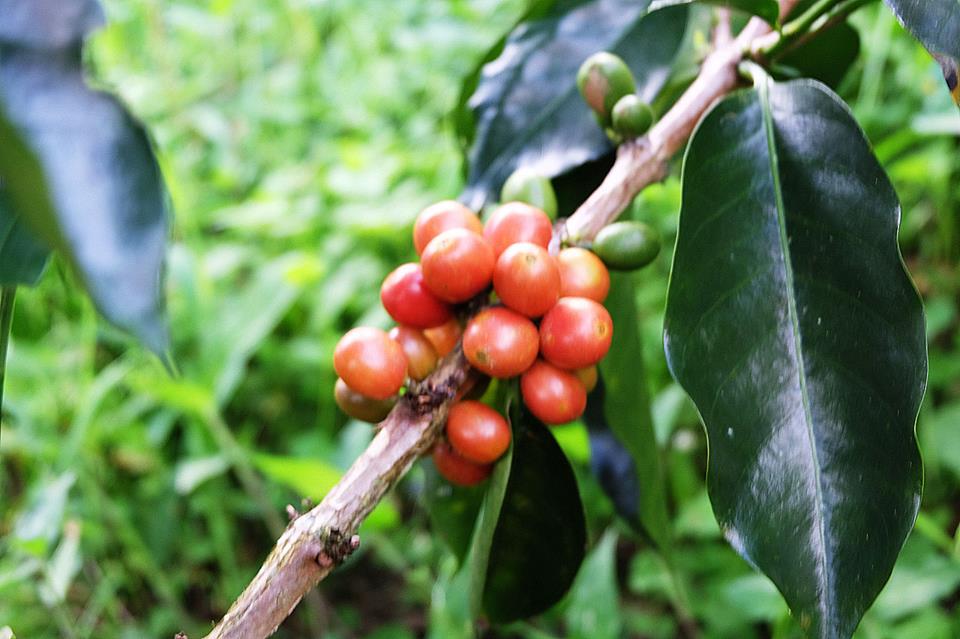
Bourbon is a long-established variety within the Arabica family, mutations of which originated from Typica. Red Bourbon is its most common variant, with mature fruits appearing deep red. It gets its name from the gradual color change of the fruit from green to yellow, orange, red, and finally deep red. This variety offers delicate acidity and aroma, often with a wine-like finish, and is one of the most widely planted varieties in Brazil.
Yellow Bourbon is another mutation of Bourbon, named for the attractive orange-yellow color of its ripe fruits. This variety is mostly found in high-altitude regions, where harsh growing conditions often allow it to accumulate richer flavor compounds. In cupping, Yellow Bourbon often exhibits intense nutty, creamy, and caramel aromas, with soft acidity, full sweetness, and a clean aftertaste. It has won top awards multiple times in Brazil’s Cup of Excellence competition and is a star variety in the specialty coffee market.
Characteristics of Honey Processing
Due to Brazil’s dry climate and abundant sunlight, a unique honey processing method has been developed. This method skips the traditional washed fermentation stage and directly dries the coffee with its mucilage still intact under the sun. This effectively controls the degree of fermentation while preserving more sweetness and fruity aromas. Without water tank processing, this method not only saves water but also gives the coffee beans a richer and fuller personality, making it a key shaper of the flavor profile of Brazilian coffee.
Practical Pour Over Parameters and Techniques for Brazilian Coffee
Brazilian coffee, with its rich and balanced characteristics, is highly suitable for pour over extraction. Below is a set of reference parameters specifically designed for medium-roast Brazilian beans, applicable to most pour over devices:
Basic Parameters:
- Filter: KONO or V60
- Coffee dose: 15 grams
- Water temperature: 88°C
- Grind size: Medium (approximately 75% passing through a #20 sieve)
- Coffee-to-water ratio: 1:15
Pour Over Steps (Brewed in Stages):
- First, pour 30 grams of water for blooming and let it sit for 30 seconds.
- Then, pour water in small circular motions until reaching 125 grams, then pause and wait for the water level to drop.
- When the water level is about to expose the coffee bed, continue pouring to 225 grams, then stop.
- Once all the water has completely dripped through, remove the filter. For KONO, the total brew time is recommended to be around 2 minutes and 10 seconds; for V60, around 2 minutes.
Flavor Profile:The cup offers a pronounced sweetness with accompanying nutty, creamy, and caramel aromas. Some regional beans may also present subtle lemony notes or a dark chocolate aftertaste, delivering an overall full-bodied and layered experience.
The above content is compiled by CoffeeHunters, a coffee news website.


