







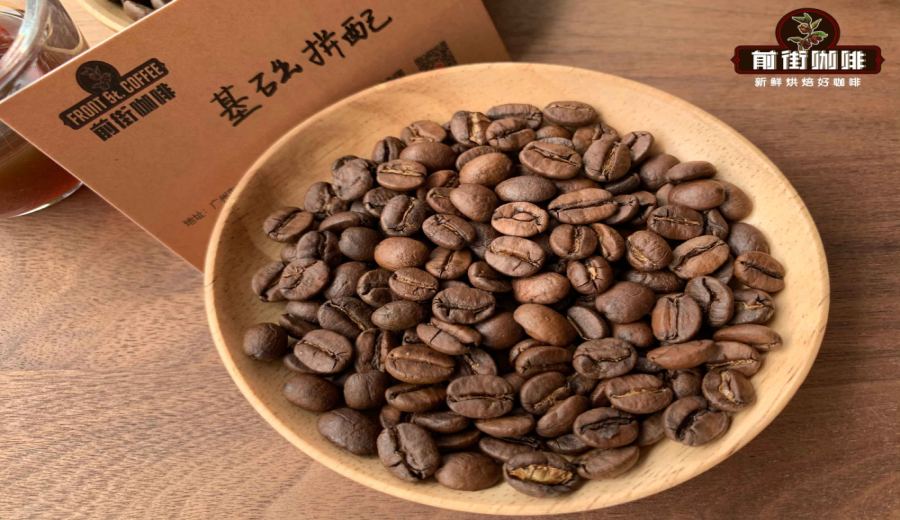
Introduction:Blending coffee is not just about mixing beans arbitrarily—it’s about leveraging the complementary characteristics of beans from different regions to achieve a more stable and harmonious flavor profile. This article delves into three practical espresso blend combinations: a latte blend emphasizing caramel sweetness, a balanced and rich everyday commercial recipe, and a high-value dark cocoa base. It also explores the differences between green blending and roasted blending, as well as the pros and cons of the SOE (Single Origin Espresso) trend, helping readers grasp professional blending logic and home application techniques.
The essence of blended coffee lies in harmonizing the characteristics of beans from various regions to produce a more balanced and consistent final product. This article uses three practical espresso blend recipes as examples to detail the design rationale behind each blend. It covers the technical differences between green blending and roasted blending, the advantages and disadvantages of the recent SOE (Single Origin Espresso) trend, and the specific roles of bean varieties such as Colombian Huila, Brazilian Cerrado, Robusta, and Yunnan AA within blends. It provides a comprehensive reference for everything from daily café offerings to home-brewed caramel-sweet lattes and black coffee.
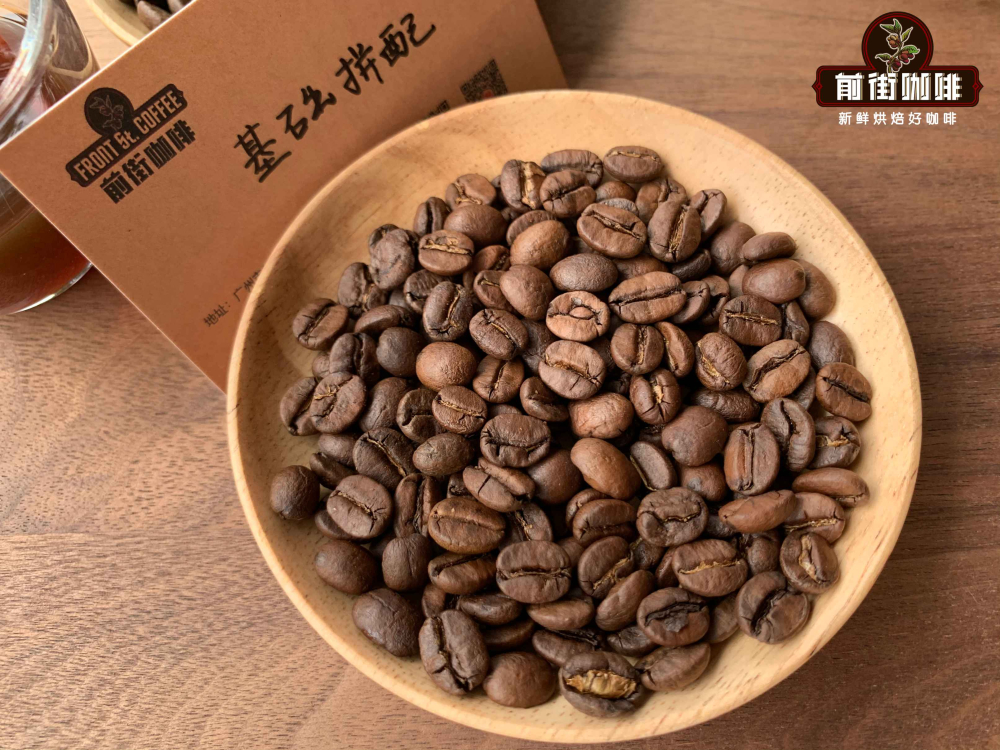
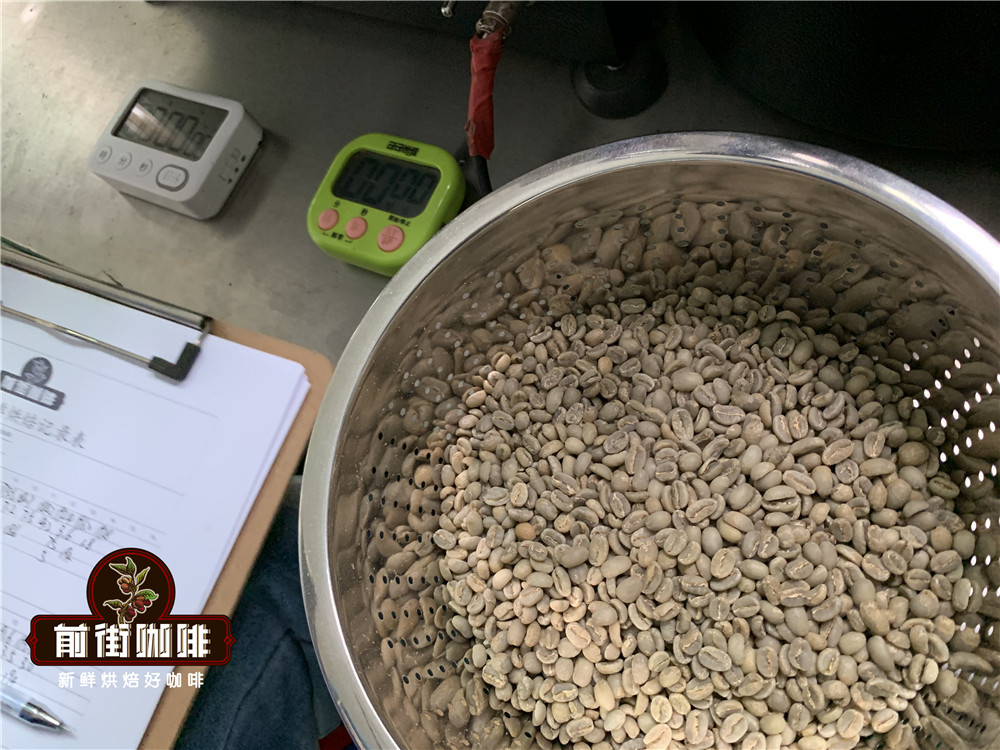
Blended coffee refers to the process of combining single-origin beans from different regions in specific proportions to allow each bean’s strengths to shine, ultimately presenting a richer and more harmonious flavor profile. For instance, if a particular bean has a smooth mouthfeel but lacks aroma, adding a high-aroma bean can compensate, creating a layered and complex overall impression. Depending on when the blending occurs, there are two main methods: “green blending,” where unroasted beans are mixed before roasting, and “roasted blending,” where beans are roasted separately before being combined.
There is no absolute standard for choosing between pre-blended green beans or roasting them separately before blending—the key lies in the specific characteristics required by the beans in the recipe. The advantage of roasted blending is the ability to adjust the roast level of each bean individually to bring out its optimal potential. Before planning a blend, it’s recommended to familiarize yourself with the flavor profiles of major global coffee regions—different varieties and origins vary subtly in acidity, bitterness, sweetness, aroma, and body. Single-origin beans often highlight the uniqueness of a particular flavor, whereas blended beans are more commonly used in espresso, Americano, latte, cappuccino, and other composite drinks. The goal is to achieve a balanced, smooth, and consistent taste, making them more widely appealing.
The primary purposes of blending different coffee beans typically include the following aspects:
1. Stabilizing Flavor Consistency
As agricultural products, even the same coffee variety can exhibit flavor variations from year to year due to climate and growing conditions. Combining multiple beans effectively mitigates these fluctuations, helping to maintain a relatively consistent taste across different vintages.
2. Balancing Overall Mouthfeel
The extraction characteristics of espresso machines amplify the most prominent flavor traits of coffee beans. As a result, using a single variety directly for espresso extraction can lead to overly sharp flavors if the bean is bitter, or an overly tart impression if it’s acidic. The key to blending lies in the roaster’s understanding of flavor dynamics, using different beans to complement one another and create a smoother, more layered overall profile.
3. Maintaining Flavor Uniformity
Similar to the first point, blending multiple beans helps offset potential flavor fluctuations caused by a single origin or harvest year, ensuring the stability of the final product.
The Rise of Single-Origin SOE Trend
In recent years, SOE (Single Origin Espresso) has gained increasing market attention. Although SOE is not synonymous with specialty coffee, using single-origin beans with distinct flavor profiles—such as the hallmark citrus notes of certain Ethiopian Yirgacheffe offerings or the common fruity aromas of Kenyan beans—can make these characteristics more pronounced under espresso extraction compared to pour over. However, because SOE originates from a single origin, its strengths and weaknesses are equally magnified. Variables such as roast degree and grind size can significantly impact the final flavor, meaning it’s not necessarily superior to a well-designed blend.

Next, we take an in-depth look at three representative espresso blend recipes:
(1) Premium Espresso Blend: Colombian Huila & Brazilian Cerrado
Coffee beans from Colombia’s Huila region are typically grown at altitudes of 1500–1800 meters, primarily of the Bourbon and Caturra varieties, and processed using the washed method. These beans are dense, have a full shape and thick bean cores. Although the region enjoys good cultivation conditions, some farms still need to improve their infrastructure. Huila beans are known for their bold mouthfeel, heavier texture, and aromas of nuts, chocolate, and caramel, with moderate acidity—making them suitable as a blending base.
Brazilian Cerrado beans are grown at altitudes of 1000–1300 meters, predominantly of the Bourbon variety, and are processed using the semi-washed (pulped natural) method. The beans are softer, with lower density. Roasting is recommended at a medium heat, with slight adjustments after the first crack to promote sufficient caramelization without excessive heat that could lead to burnt bitterness. Its flavor profile is comfortably sweet and bitter, with a smooth mouthfeel, subtle grassy notes, and a rich milk chocolate character.
This blend combination is roasted to a medium-dark level. When brewed as espresso, it presents soft mild acidity, clean sweetness, and nutty aftertastes, with medium crema. The overall flavor is mild and well-suited for the daily needs of café service.

(2) Commercial Espresso Blend: Colombian, Brazilian & Robusta
Robusta beans, known for their strong resistance to pests and diseases, high yield, and caffeine content of 2.2% (compared to Arabica’s 1.2%), often carry woody aromas and noticeable bitterness, and are generally categorized as commercial-grade beans. Although a single-origin Robusta bean may not match the flavor complexity of specialty Arabica, blending it with Colombian and Brazilian beans can produce a coffee with rich crema, pronounced caramel sweetness, balanced acidity and sweetness, and a long-lasting aftertaste—making it highly suitable as a base for lattes, cappuccinos, and other espresso-based drinks.
(3) Dark Cocoa Base Blend: Yunnan AA & Brazilian
Yunnan AA uses the Typica variety locally cultivated in the region. Typica is the oldest original Arabica variety from Ethiopia, known for its elegant flavor but weaker disease resistance and limited production. Yunnan’s high altitude and significant day-night temperature variations contribute to its coffee’s mellow richness, moderate acidity with fruity notes, and a texture similar to Colombian beans. This blend emphasizes soft fruit acidity, caramel sweetness, and nutty dark chocolate flavors. It has a smooth and viscous mouthfeel but presents a relatively light overall profile, making it suitable for shop owners or home users with budget constraints or less demand for complex flavors.
When blending, attention should be paid to the proportion distribution of primary and secondary beans. By designing the combination in advance, making appropriate roast adjustments, and conducting multiple cuppings, the formula can be gradually optimized to best achieve the desired flavor profile. It is hoped that these practical suggestions will help readers create their own ideal blended coffee.
Finally, here’s a quick overview of common types of espresso drinks:
• Latte (Latte): 300ml serving, consisting of 1 shot of espresso (30ml) and steamed milk, emphasizing the harmony between milk and coffee.
• Cappuccino (Cappuccino): 200ml serving, consisting of 1 shot of espresso and a thicker layer of foam (about 1cm or more).
• Affogato (Affogato): Espresso poured over ice cream, a summery dessert-style coffee.
• Flat White (Flat White): 200ml serving, consisting of 2 shots of espresso (or an extended Ristretto), with microfoam less than 5mm thick, highlighting a stronger coffee flavor.

The above content is compiled by CoffeeHunters, a coffee news website.


