







Introduction:As the pour over trend in specialty coffee extends to espresso extraction, single-origin espresso (SOE) made from a single origin has gradually become the new favorite in coffee shops. However, SOE is not simply a direct transplant of pour over beans. If light-roasted beans are not adjusted in roasting strategy, they can easily release overly sharp acidity during espresso extraction. This article breaks down the key extraction parameters of the Yirgacheffe Red Cherry SOE (20g dose / 40g yield / 35-second extraction time) with practical examples, and compares the flavor differences when it is used to make Americano and latte, analyzing from a professional perspective how to correctly appreciate the nuanced layers of single-origin espresso.
In recent years, the trend of specialty coffee has gradually permeated from pour over equipment into commercial espresso machines. More and more baristas have started experimenting with making espresso using single-origin coffee beans. This extraction method, known as SOE (Single Origin Espresso), is redefining the public’s established perception of "blended beans." However, directly using light-roasted beans, which are suitable for pour over, in a high-pressure extraction environment often leads to unpleasantly sharp acidity due to the overly direct release of flavor compounds—this is the most significant difference in roasting strategy between SOE and traditional blends.
The rise of the SOE concept is not solely about highlighting regional characteristics. More importantly, it involves selecting coffee beans with distinctive flavor profiles and pairing them with precise roasting adjustments to create product lines that are both recognizable and commercially valuable. It is worth noting that even when using green beans from the same origin, the roast levels for pour over and espresso purposes usually differ significantly: the former tends to preserve more of the original fruity acidity and floral notes, while the latter requires a moderately darker roast to balance the thermal impact of high-pressure extraction.
Taking Yirgacheffe Red Cherry as an example, when this well-known bean variety from Ethiopia is used in the Warm Sun blend, the roaster will intentionally adjust it to a darker level than the pure pour over version to ensure a stable flavor foundation when blended with beans from other regions. Observing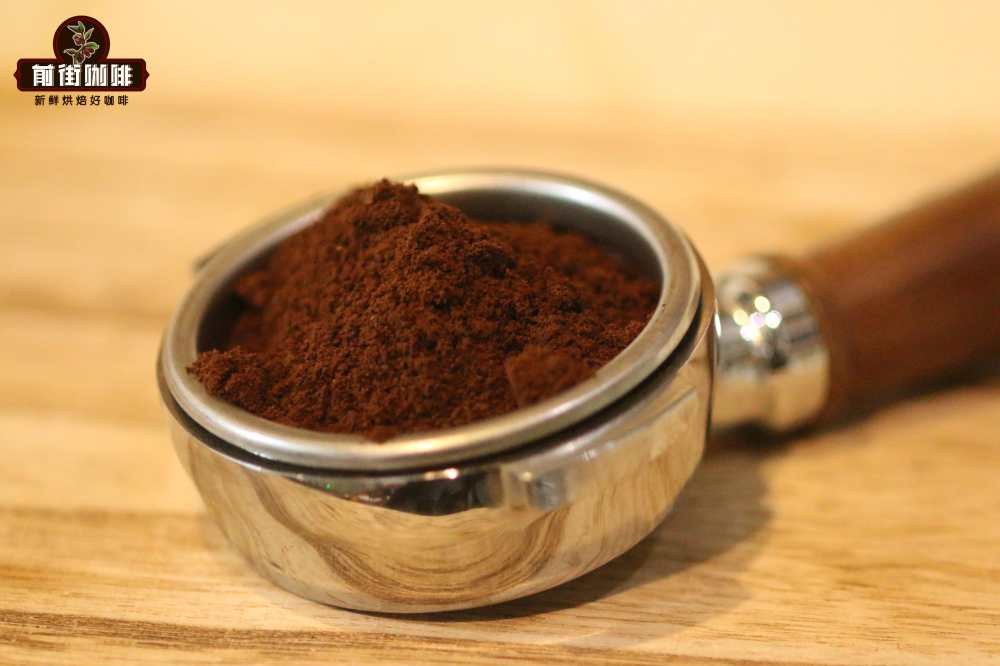 reveals that the roasting curve for SOE requires more heat input during the development stage to make the bean structure firmer so it can withstand the pressure of nine-bar extraction.
For this Yirgacheffe Red Cherry SOE, the extraction parameters that have proven effective in practice are: filling20 grams of finely ground coffee, extracting 40 grams of coffee liquid stably within35 seconds using water at92–94°C. These parameter settings can effectively suppress the common herbal off-notes in light-roasted beans while highlighting the signature citrus notes of Yirgacheffe.
When this SOE espresso is used to make an Americano at a1:4 ratio with water, what drinkers first perceive is a bright fruity acidity—akin to the sweet-acid balance of red cherries and blueberries—followed by a honey-like caramel finish. If instead a1:4 ratio with whole milkis used to make a latte, the milk fat softens the sharp edges of the coffee, transforming it into a smooth and velvety texture, with the caramel aroma and the natural sweetness of the milk forming a perfect complement.
For consumers trying SOE espresso for the first time, it is recommended to start with a smaller cup size to experience its distinct flavor profile. Pay special attention to observing the color and persistence of the crema: an ideal SOE espresso should exhibit a deep amber color with uniformly thick crema, which is usually an indicator that the roast level and extraction parameters are well balanced. If the crema is too light and dissipates too quickly, it may reflect under-roasting or overly coarse grinding.
The above content is compiled by CoffeeHunters, a coffee news website.


