







Introduction:Guji is an emerging top-tier coffee-growing region in Ethiopia in recent years. With its high altitude, fertile black soil, and significant day-night temperature variations, it produces coffee beans with intense flavors and rich layers. This article delves into the historical background of Guji becoming an independent region from Sidamo, its terrain and soil characteristics, and details the key steps of the natural (sun-dried) processing method, helping you understand the unique charm of local heirloom varieties. It also provides practical pour-over brewing suggestions and roasting parameters to help you fully experience this fruit-forward, sweet, and sun-dried coffee bean.
Among Ethiopia’s many renowned coffee regions, Guji has stood out in recent years for its distinctive flavor profile, becoming a focal point for specialty coffee enthusiasts. Blessed with high-altitude conditions, deep fertile black soil (commonly known as Vertisol), and notable day-night temperature differences, the region offers ideal growing conditions that often result in coffee beans with intense fruity aromas and well-balanced sweetness and acidity. This article will explore the natural environment, bean variety characteristics, and processing techniques of a sun-dried Guji coffee as an example, and provide practical pour-over parameters and recommendations. Whether you’re a beginner or an experienced coffee lover, you’ll gain valuable insights.
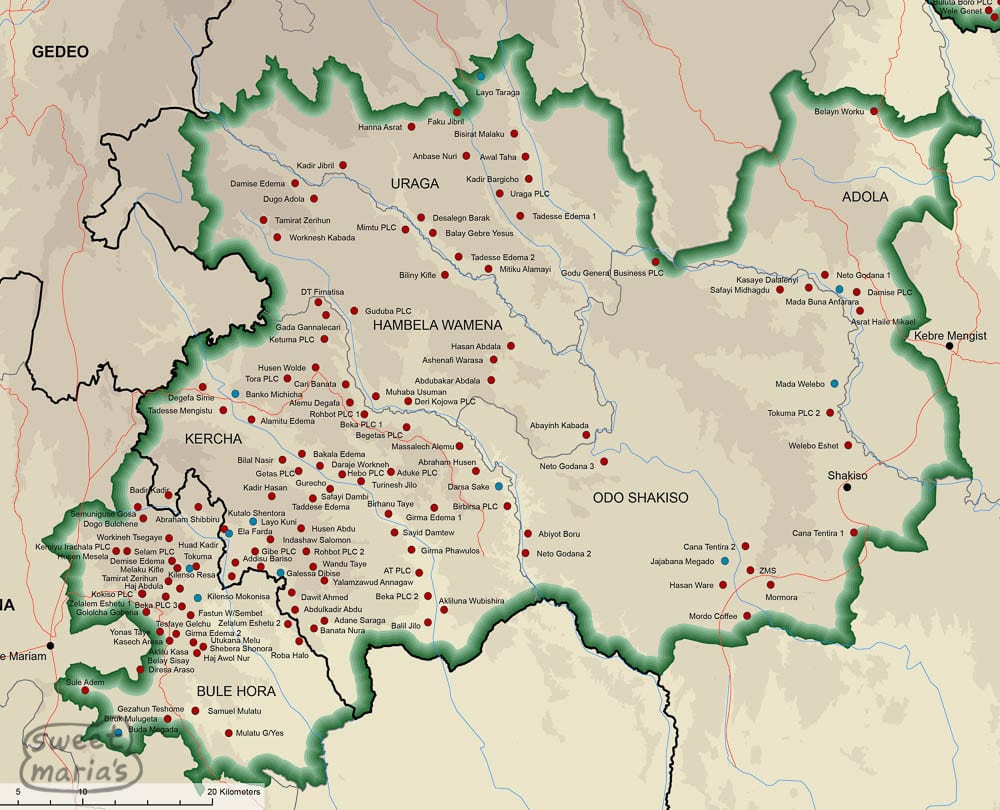
 Guji (GUJI) was originally part of the Sidamo region until it was officially designated as an independent region by the Ethiopian Commodity Exchange (ECX) in 2010. Geographically, Guji is located southeast of Yirgacheffe, adjacent to Sidamo and Gedeb, featuring diverse terrain that includes high mountains, plateaus, valleys, and plains, making its landscape rich and complex. The area’s main soil type is fertile black soil rich in organic matter, with soil layers reaching nearly two meters in depth. Combined with an average altitude of over 1,800 meters and significant day-night temperature variations, it helps coffee cherries ripen slowly, accumulating more complex flavor compounds. Additionally, the region relies on natural organic cycles to maintain soil vitality, with fallen leaves and humus from surrounding forests serving as natural nutrients for coffee trees, contributing to the unique character of Guji coffee.
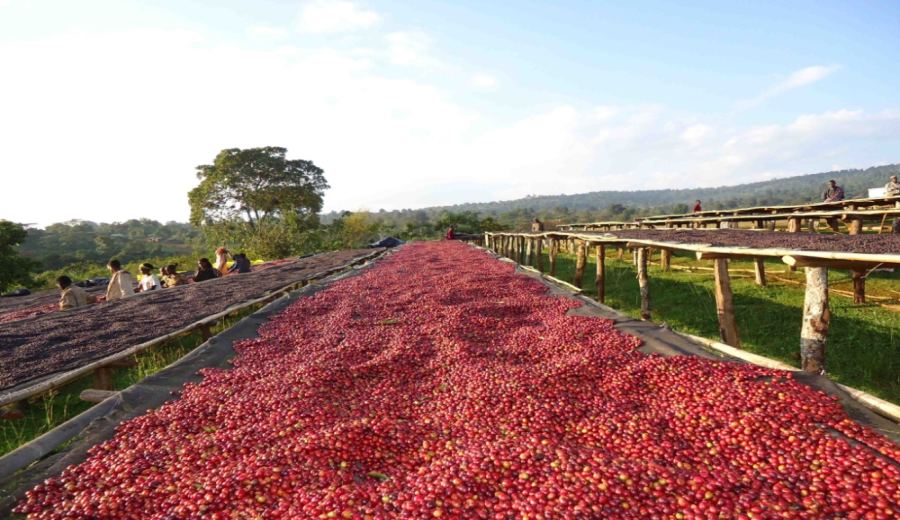
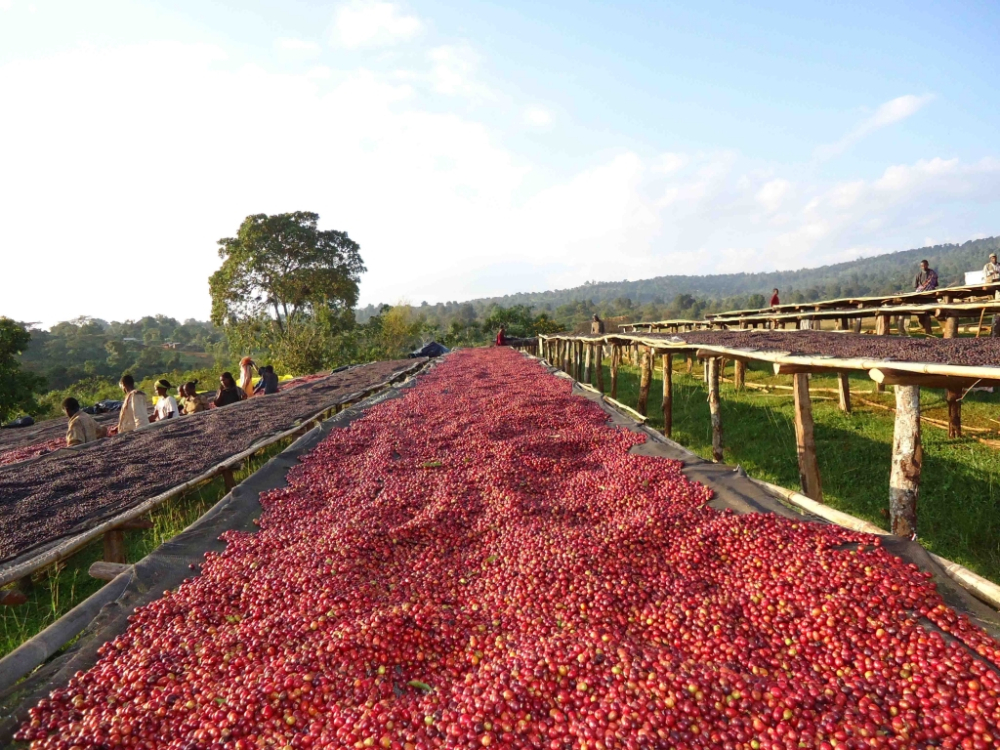
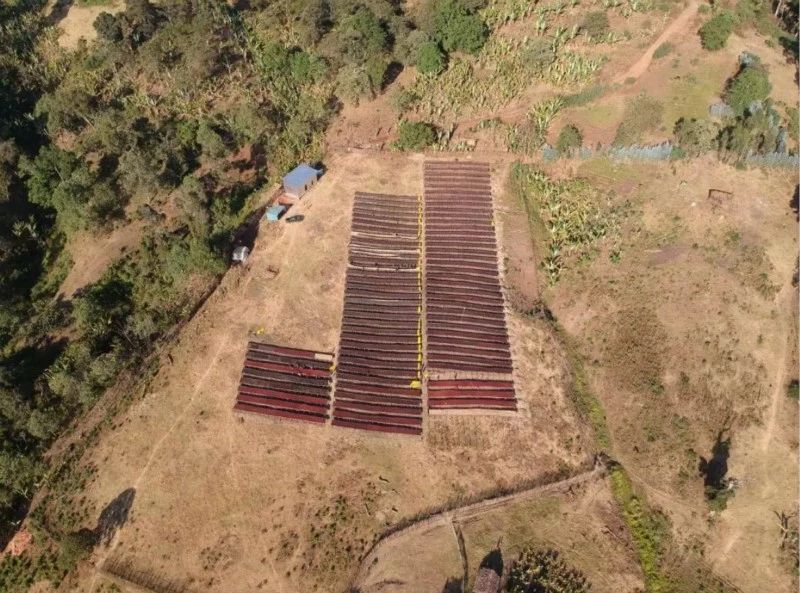
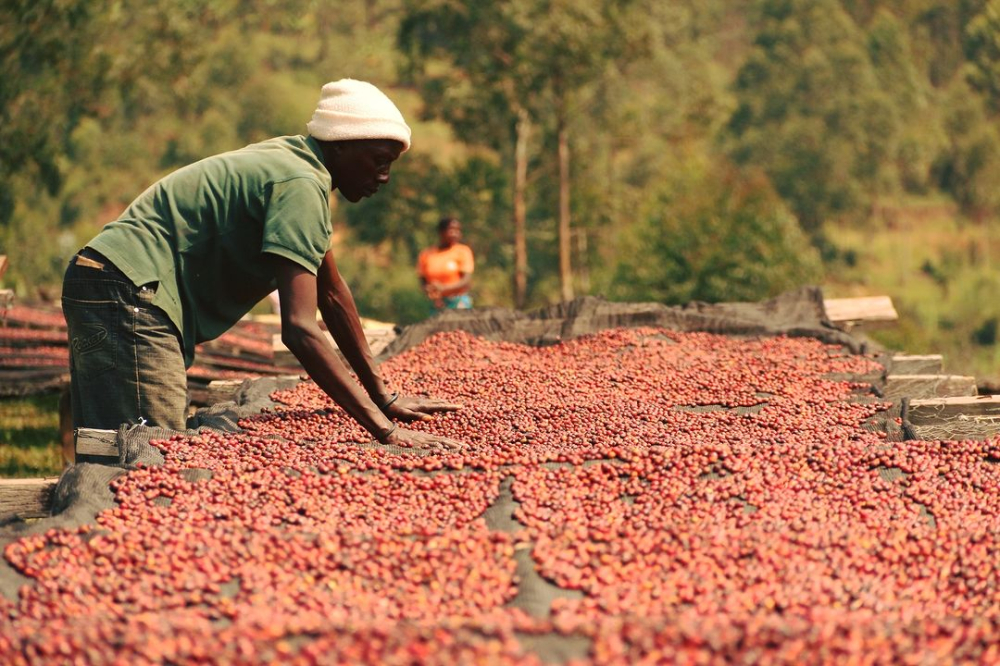
 When discussing this sun-dried Guji coffee, its processing method must be mentioned. The natural (NATURAL) process is a long-established coffee processing technique where coffee cherries are dried with their fruit flesh intact, allowing sugars and flavor compounds to penetrate the seeds (i.e., coffee beans), resulting in richer fruit aromas and sweetness. In the process, harvested coffee cherries are first placed in water tanks for flotation, where unripe or overripe floaters are removed, leaving only dense, healthy cherries. These cherries, still covered with pulp and mucilage, are then evenly spread on drying beds for natural drying over approximately two to four weeks. During this period, weather conditions and turning frequency are closely monitored to ensure moisture content steadily drops to around 12%. Finally, once drying is complete, a hulling machine is used to remove the hard outer skin, pulp, and parchment layer, leaving behind the familiar green coffee beans.
The Guji sun-dried coffee purchased for this article uses the Ethiopian heirloom (Heirloom) variety. Ethiopia is home to one of the world’s richest coffee gene pools, with extremely high varietal diversity. Many varieties remain unidentified or unclassified, and due to the local government’s efforts to protect these precious genetic resources, specific names are generally not disclosed to the public. As a result, the market commonly refers to them as “heirloom” varieties. These heirloom beans, grown in Guji’s high-altitude and unique microclimate, exhibit rich notes of tropical fruits, citrus, and floral tones, with soft acidity and pronounced sweetness—making them an excellent match for the natural processing method.
In terms of roasting, the development curve of this Guji sun-dried bean has been carefully designed to highlight its fruity and sweet characteristics. The initial charge temperature is set at 175°C, with a power setting of 130 and a damper opening of 3. The turnaround point occurs around 1 minute and 32 seconds. When the roaster temperature drops to 140°C, the damper is adjusted to 3.5, while the power remains unchanged. At 155.6°C, the bean surface turns yellow, and grassy notes gradually fade as it enters the drying phase. Later, at 176°C, the power is reduced to 110 while the damper remains the same. Around 7 minutes and 28 seconds, the bean surface shows noticeable wrinkles and dark spots, and the aroma shifts from toasted bread to coffee, marking the critical stage before first crack. By 8 minutes and 35 seconds, the beans enter first crack. The damper is adjusted to 4, and development continues for about 1 minute and 45 seconds, with the roast finishing at 195°C. After roasting, the Agtron bean color value is 63.7, the crema (chaff) value is 76.9, and the Roast Delta value is 13.2, indicating a medium-light to medium roast that perfectly showcases the layers and aromas of the sun-dried beans.
This sun-dried coffee from Ethiopia’s Guji region, according to official data, is grown at altitudes between 1,800 and 2,100 meters, processed using the natural method, and of the local heirloom variety. In terms of flavor, it often presents layers of tropical fruits, lychee, citrus, cream, and caramel, with bright fruitiness and noticeable sweetness. Its acidity is soft yet vibrant, making it highly suitable for coffee lovers who enjoy fruit-forward, rounded profiles.
If you’d like to brew this coffee at home, it’s recommended to use a V60 filter cone, with water temperature controlled at 92–93°C, a coffee dose of about 15 grams, and a coffee-to-water ratio of 1:15. The grind size can be reference to that of granulated sugar (approximately 78% coarseness as screened through a #20 sieve). For specific brewing, a three-pour method is suggested: First, pour hot water equal to twice the coffee dose (about 30 grams) for blooming, lasting around 30 seconds to release aroma. Next, pour water in small streams in a circular motion from the inside out, pausing when the total water reaches 125 grams and letting the coffee drip for about 30 seconds. Finally, continue pouring with the same fine stream until the total reaches 225 grams. Once the coffee has fully drained from the filter, remove it. The entire brewing process takes about 2 minutes. These parameters help balance acidity and sweetness, highlight layers, and showcase its rich, juice-like mouthfeel.
The above content is compiled by CoffeeHunters, a coffee news website.


