







Introduction:Delve into the historical origins, quality characteristics, and market positioning of Yunnan coffee’s two main cultivated varieties—Typica and Catimor—and explore their unique flavor profiles through two representative beans. This article also provides a complete five-step guide to using a French press, covering everything from grind size and water temperature control to optimal extraction timing, helping you master the key techniques for brewing Yunnan beans at home.
As China’s most representative coffee-growing region, Yunnan has gradually made its mark in the specialty coffee scene in recent years, with the evolution of its planted varieties drawing particular industry attention. Using two representative Yunnan-grown coffee beans as examples, this article details the developmental background, disease resistance, and flavor differences of the two major varieties, Typica and Catimor, while also reviewing the profound impact Nestlé’s entry had on the local planting structure.
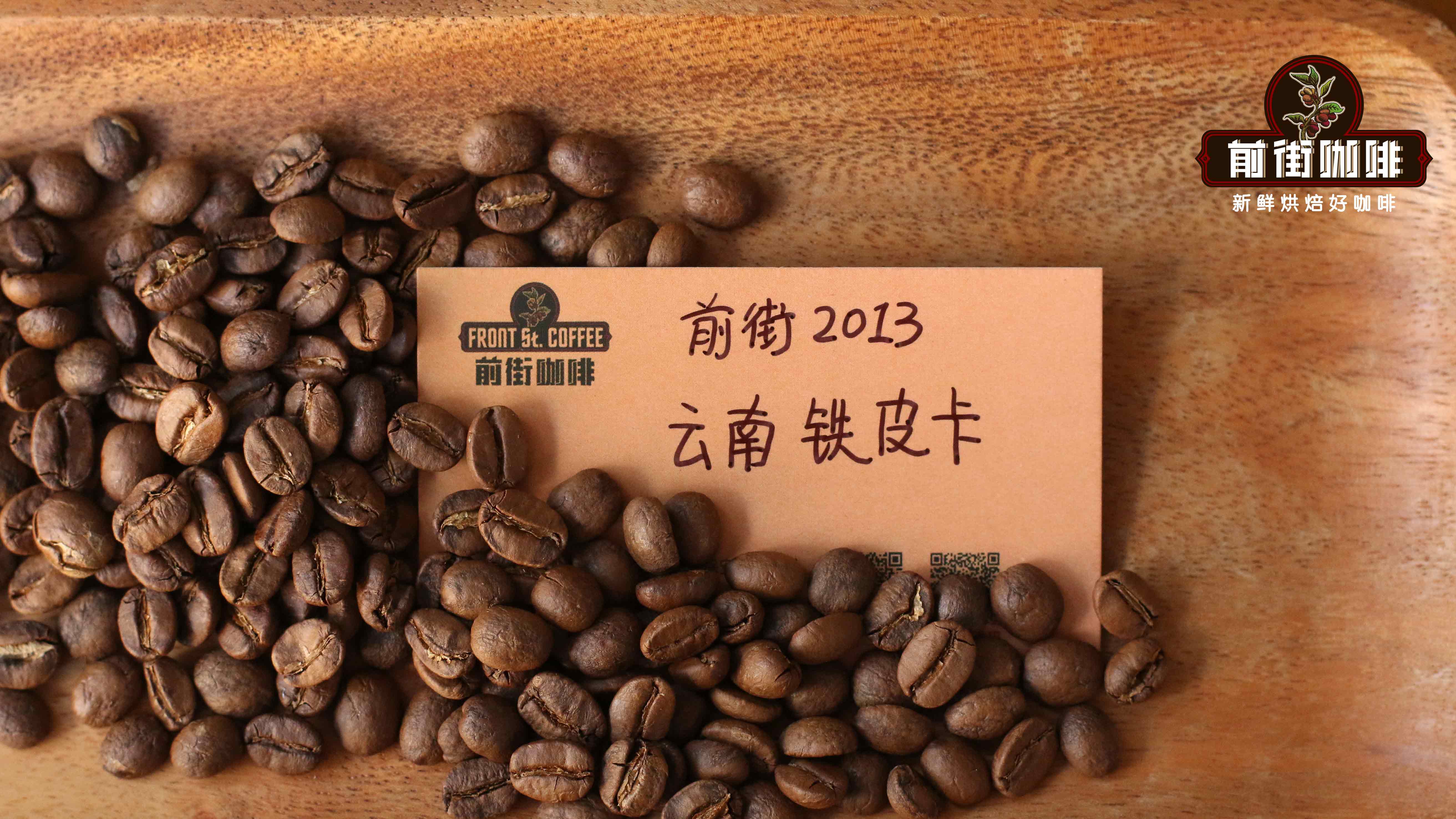
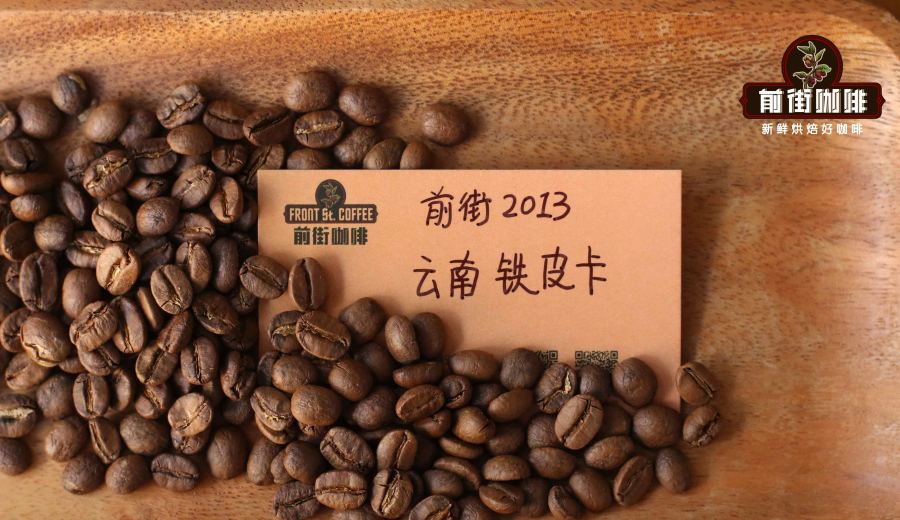
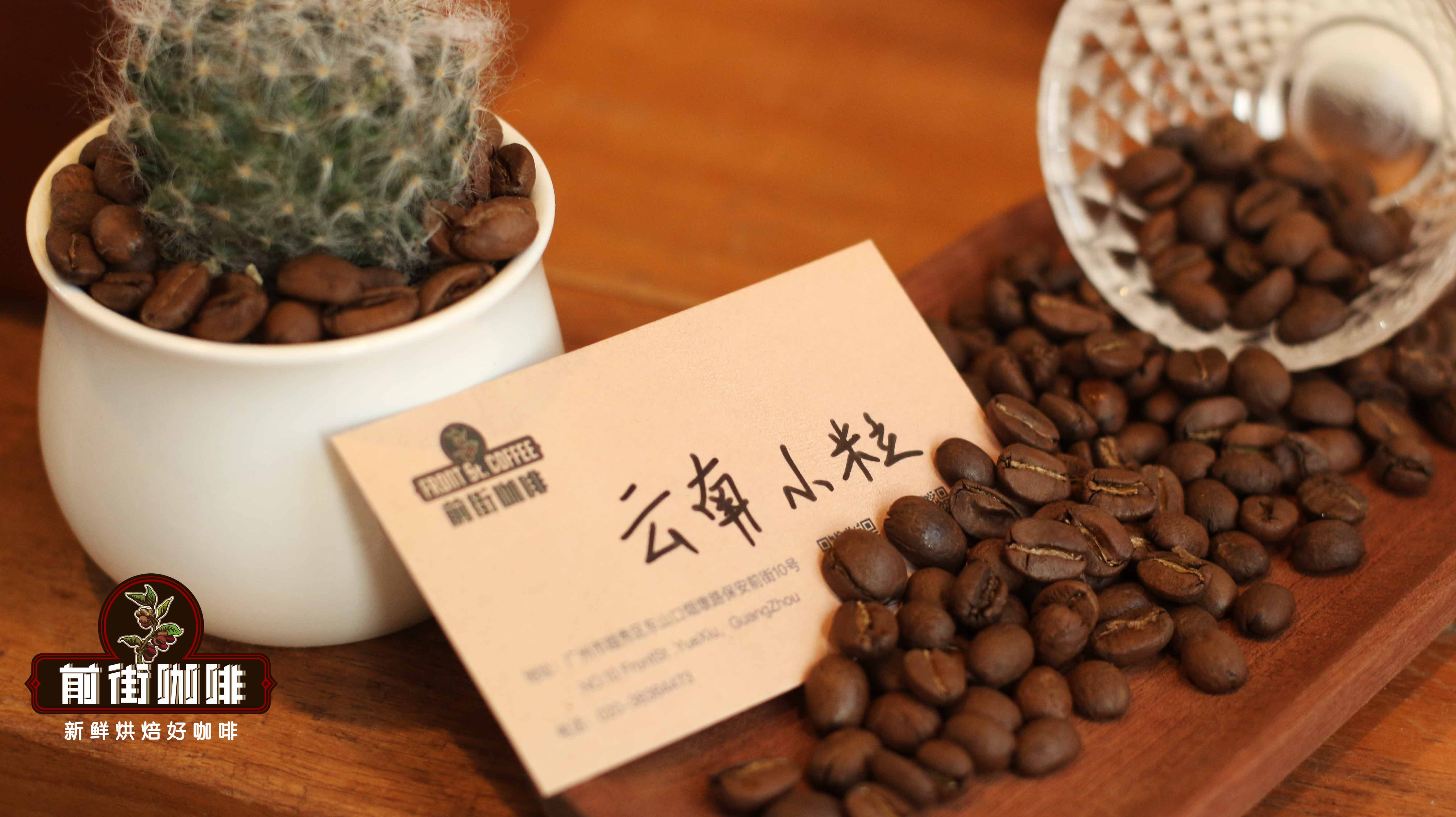
Currently, Yunnan-grown beans commonly found on the market can be roughly divided into two types: entry-level options dominated by Catimor, and specialty-grade choices that continue the traditional Typica lineage. The former, such as a certain brand’s "Yunnan Small Bean," undergoes washed processing and medium roasting, showcasing a harmonious base of nuts, brown sugar, and plums—suitable for consumers trying Yunnan flavors for the first time. The latter is the "2013 Natural Typica," which, through high-altitude cultivation and natural processing, presents layered flavors of dried apricot, cream, chocolate, and berries, earning favor among coffee enthusiasts who pursue delicate taste profiles.
When it comes to Yunnan small-bean coffee, the term originally referred to the early-introduced Typica variety. Typica, one of the oldest Arabica varieties, originated in Ethiopia and was later introduced to Yunnan via Indochina, making it a progenitor of modern Arabica lineages. In addition to Typica, the equally historic Bourbon was another major cultivated variety in the early days. However, although Typica boasts elegant citrus and floral notes, it suffers from fatal flaws such as weak disease resistance and low yield, particularly its susceptibility to leaf rust, which has long made it difficult to meet commercial demands.
Even within the specialty coffee market, Typica still has its loyal followers. For instance, a certain brand’s Jamaican Blue Mountain and Bird of Paradise series both belong to the Typica lineage, showcasing the variety’s characteristic soft acidity and delicate finish. But it is undeniable that, with the global coffee agriculture trend emphasizing efficiency and disease resistance, Typica has gradually been replaced by higher-yielding varieties such as Caturra and Catuaí, with its cultivation area continuing to shrink across Central and South America.
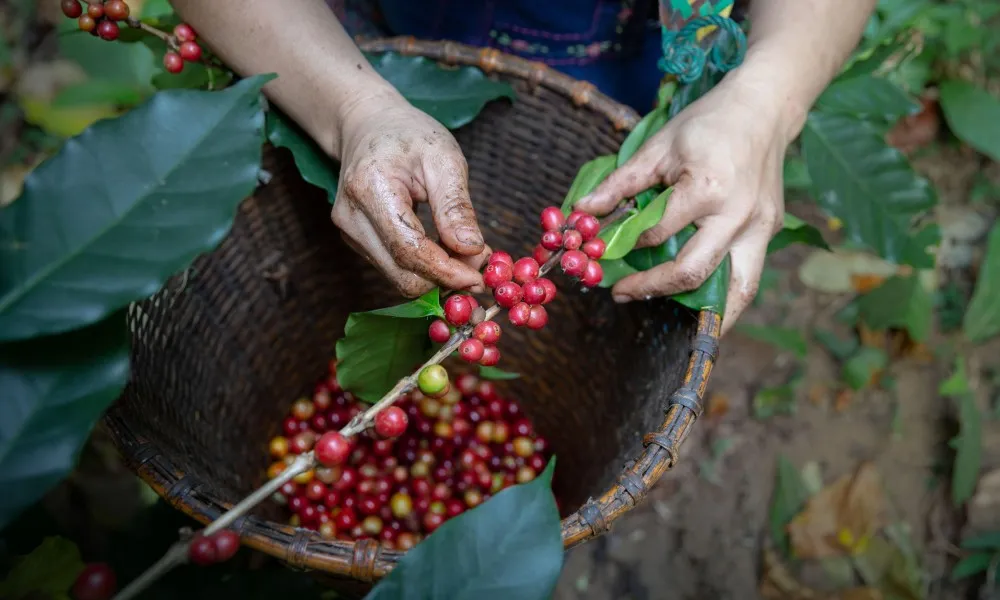
To improve the economic returns and disease resistance of Yunnan’s coffee-growing region, Nestlé promoted a replanting program in the area, encouraging farmers to replace the originally flavorful but delicate Typica with the hybrid variety Catimor. Catimor, developed through the crossbreeding of Arabica and Robusta, not only inherits some of Arabica’s flavor characteristics but also gains excellent resistance to leaf rust and high-yield traits due to its Robusta genes. Additionally, Catimor plants are relatively short and compact, facilitating mechanized operations and dense planting, making it one of the mainstream cultivated varieties in Yunnan today.
However, Catimor’s Robusta lineage also brings noticeable effects, including a relatively intense bitterness and coarse mouthfeel, often putting it at a disadvantage in specialty coffee evaluations. Nevertheless, with appropriate processing methods and roast adjustments, Catimor can still exhibit unique chocolate and nutty notes, often used in blended beans to add a rich base—for example, a certain brand’s Black Cocoa Base Blend leverages Catimor’s characteristics to bring out layers of milk chocolate, caramel, and almond cookie richness.
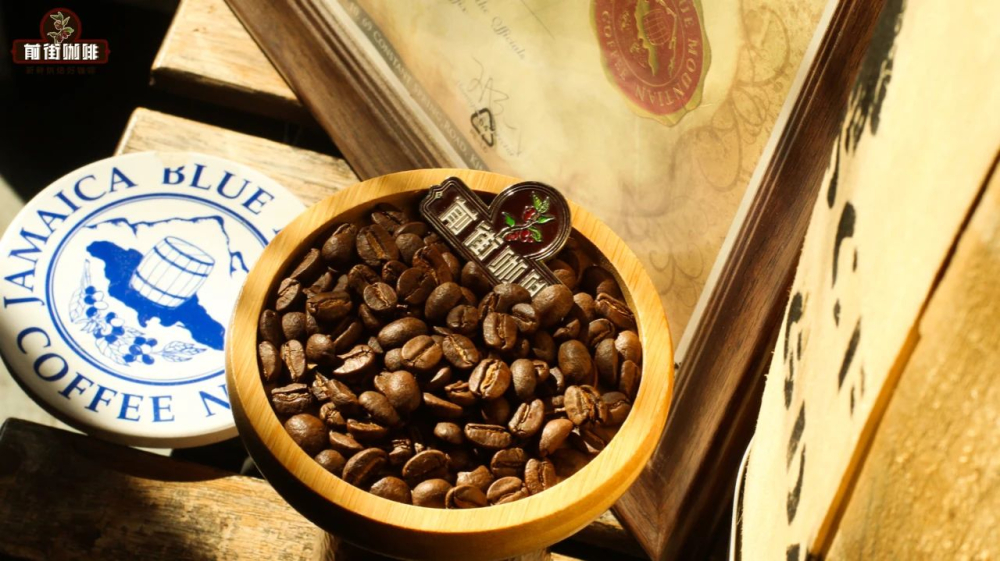
Returning to a certain brand’s two representative beans, the "Yunnan Small Bean" uses washed processing and medium roasting, highlighting the typical flavor profile of the Yunnan growing region: the cup opens with distinct nutty aromas, balanced by herbal, chocolate, and caramel tones, with a slightly fruity acidity in the finish. The overall performance is stable and approachable, making it very suitable for preparation via pour over or drip bags. The "2013 Natural Typica," on the other hand, opts for high-altitude cultivation and natural processing, extending the fruit fermentation time to impart richer fruitiness and sweetness to the coffee. After brewing, it presents the sweet-tart acidity of dried apricots, the smoothness of nuts, the sweetness of brown sugar, and a tea-like aftertaste, suitable for extraction via various methods including pour over, cold brew, siphon, drip bags, and even the French press.

For readers who enjoy brewing with a French press, here is a five-step practical guide to help you fully unlock the potential of Yunnan coffee:
The above content is compiled by CoffeeHunters, a coffee news website.


