







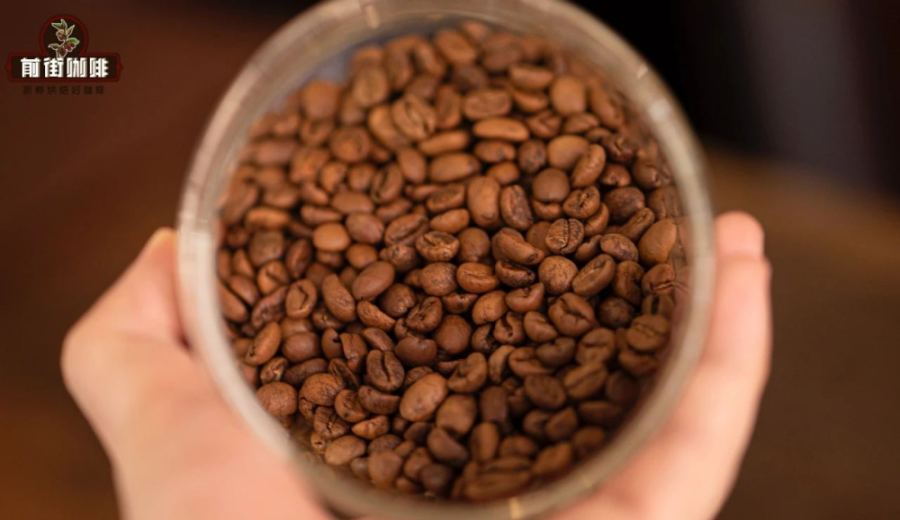
Introduction:Hawaiian Kona coffee, nurtured by volcanic soil and a maritime climate, develops a unique bright sweetness and lively acidity. Though not grown at high altitudes, it exhibits refined flavors comparable to those of Blue Mountain. This article delves into the history, regional distribution, Typica variety characteristics, and washed processing methods of Kona coffee, along with detailed brewing parameters and practical tips for five common pour over devices—V60, siphon, AeroPress, French press, and KONO—to help you fully master this classic coffee bean that excels in both appearance and flavor.
Although Hawaiian Kona coffee is not grown at particularly high elevations, its volcanic terrain and nurturing mild sea breezes produce a uniquely bright acidity, clean sweetness, and distinct layered profile, making it one of the world’s most representative specialty coffees. This type of coffee often carries aromas of cashew, milk peanut, mulberry, and various tropical fruits, with a refreshing yet rich mouthfeel, especially well-suited to medium-light roasts that highlight its delicate traits.
Kona coffee enjoys an exceptionally favorable growing environment, thriving in fertile volcanic soil under intensive manual management, which contributes to its high quality and relatively limited production. Although most plantations are situated at just a few hundred meters above sea sea level, some premium growing regions lie between 800 and 1,100 meters—within the ideal elevation range for Arabica coffee. The area enjoys a mild climate with notable day-night temperature variations, stable annual rainfall, and distinct wet and dry seasons, all of which help concentrate and enhance coffee flavors.
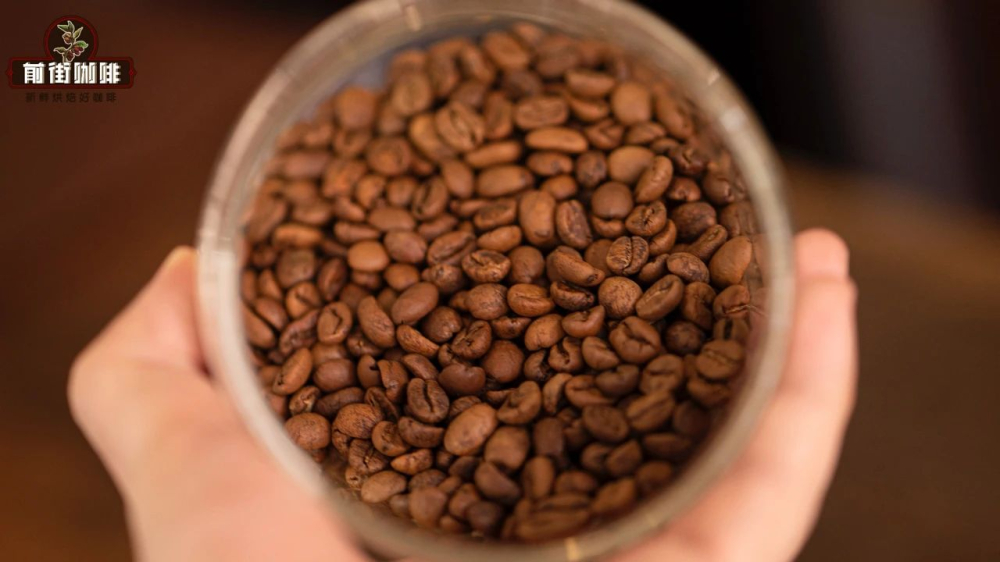
The history of Kona coffee dates back to the early 19th century, when it was first introduced by Spanish advisor Don Francisco de Paula Marin in 1817, though initial planting attempts were unsuccessful. It wasn’t until 1825, when Oahu mayor Chie Boki brought coffee seeds from Brazil and successfully trial-planted them in Manoa Valley, that the development of Hawaiian coffee began. Planting subsequently expanded to major islands including Kauai, Oahu, Maui, Molokai, and the Big Island, and today there are approximately 950 coffee farms, most of them small family-run operations, covering a total area of 7,900 acres.
Hawaii’s coffee-growing regions are quite diverse, but none is more renowned than the Kona region on the Big Island. With elevations between 800 and 1,100 meters and climate conditions and volcanic soil especially suited to coffee cultivation, this area has become the core production zone for Kona coffee. Other regions such as Maui, Kau, Hamakua, and Waikapu also offer varying elevations, varieties, and harvest periods, contributing to a diverse range of flavor profiles.
In terms of variety, Kona coffee primarily uses the Typica cultivar, an ancient Arabica variety originating from Ethiopia, known for its elegant flavors and refined mouthfeel. Typica plants are tall with slender leaves and beans, and while their yield is low, their flavor performance is exceptional. Typica serves as the base variety for many specialty coffees, including the famous Jamaican Blue Mountain and Hawaiian Kona.
Coffee processing in Hawaii mainly employs the washed method, which removes the mucilage layer through fermentation and then thoroughly washes the beans with clean water to ensure the purity of the coffee’s flavor. This method highlights the coffee’s bright acidity and sweetness, and when combined with the area’s pristine mountain spring water, results in Kona coffee’s bright and clear character. Processed beans are typically sun-dried naturally to retain as much of the original flavor as possible.
Kona coffee beans are classified into four main grades based on size and quality, including the top-tier Extra Fancy, Fancy, Prime, and Gr. No.1, and can be divided into standard beans (Type 1) and peaberry beans (Type 2). Only coffee beans grown in the Kona region of the Big Island and meeting strict certification standards can be sold under the Kona name, ensuring consumers enjoy genuinely locally produced premium coffee.
For this uniquely flavored coffee bean, the following provides practical brewing parameters and recommended techniques for five common pour over devices to help you fully showcase the layers and personality of Kona coffee.
V60 Pour Over Recommendation
Dose: 15g | Coffee-to-water ratio: 1:15 | Water temperature: 88°C | Grind size: Medium-fine (approximately 75% through a #20 sieve)
Method: Start with a 28g bloom for 30 seconds, then pour in the center up to 126g. Once the coffee bed drops, continue pouring to 227g. Total brew time is about 1 minute 50 seconds. Yields clean and layered flavors of walnut, berries, caramel, and cream.
Siphon (Sealed Glass Vacuum Pot) Pour Over Recommendation
Dose: 20g | Coffee-to-water ratio: 1:10 | Grind size: Medium-coarse (approximately 80% through a #20 sieve)
Method: Fill the lower chamber with 210g of water. When the water temperature reaches around 90°C, insert the upper chamber, add the coffee grounds, and gently stir. Stir again after 30 seconds to break up the crust. Remove the heat source after about 1 minute and let the remaining heat complete the extraction. The flavor is rounded, featuring chestnut, caramel, and toffee aromas.
AeroPress Pour Over Recommendation
Dose: 10g | Coffee-to-water ratio: 1:15 | Water temperature: 88°C | Grind size: Medium-fine (approximately 78% through a #20 sieve)
Method: Pour water directly up to 147g, let it sit for 50 seconds, then gently stir 3 times. Press down at 1 minute 30 seconds. Total brew time is about 1 minute 41 seconds. Delivers balanced flavors of sandalwood, herbs, nuts, and soft fruit acidity.
French Press Pour Over Recommendation
Dose: 17g | Coffee-to-water ratio: 1:13 | Water temperature: 88°C | Grind size: Medium-coarse (approximately 75% through a #20 sieve)
Method: Pour water up to 223g, gently stir, let it sit for 50 seconds, then stir again. Press down at 1 minute. Total brew time is about 1 minute 31 seconds. Features rich and sweet flavors with a silky mouthfeel of brown sugar, dark chocolate, and nuts.
KONO Pour Over Recommendation
Dose: 17g | Coffee-to-water ratio: 1:13 | Water temperature: 88°C | Grind size: Medium-coarse (approximately 70% through a #20 sieve)
Method: Start with a 31g bloom for 30 seconds, then pour in the center up to 121g, followed by additional pouring to 222g. Total brew time is about 1 minute 53 seconds. Suited for those who enjoy vibrant fruit acidity with notes of berries and fermented aromas.
The above content is compiled by CoffeeHunters, a coffee news website.


