








Introduction:Brazil is the world’s largest coffee producer, known for its rich, low-acid coffee with pronounced nutty and chocolatey notes. This article delves into the unique flavor sources of Brazilian coffee by exploring its topography, climate, planting history, variety structure, mainstream processing techniques, and key producing regions. It also analyzes two classic Brazilian beans—Yellow Bourbon from Fazenda Rainha and Red Bourbon from Cerrado Mineiro—providing regional insights and pour over brewing suggestions to help you better appreciate the allure of Brazilian coffee.
Among the world’s three major beverages—tea, cocoa, and coffee—each holds its own domain, but coffee has long become a core part of global beverage culture due to its wide adaptability and diverse flavor profiles. Among the many coffee-producing countries, Brazil stands out as the market leader thanks to its stable production and distinctive flavor characteristics. Whether at a street corner café or on your home coffee shelf, Brazilian beans are almost always present. What exactly makes Brazilian coffee so irreplaceable? We’ll explore this from multiple angles to fully understand the reasons behind the formation of Brazilian coffee’s flavors.
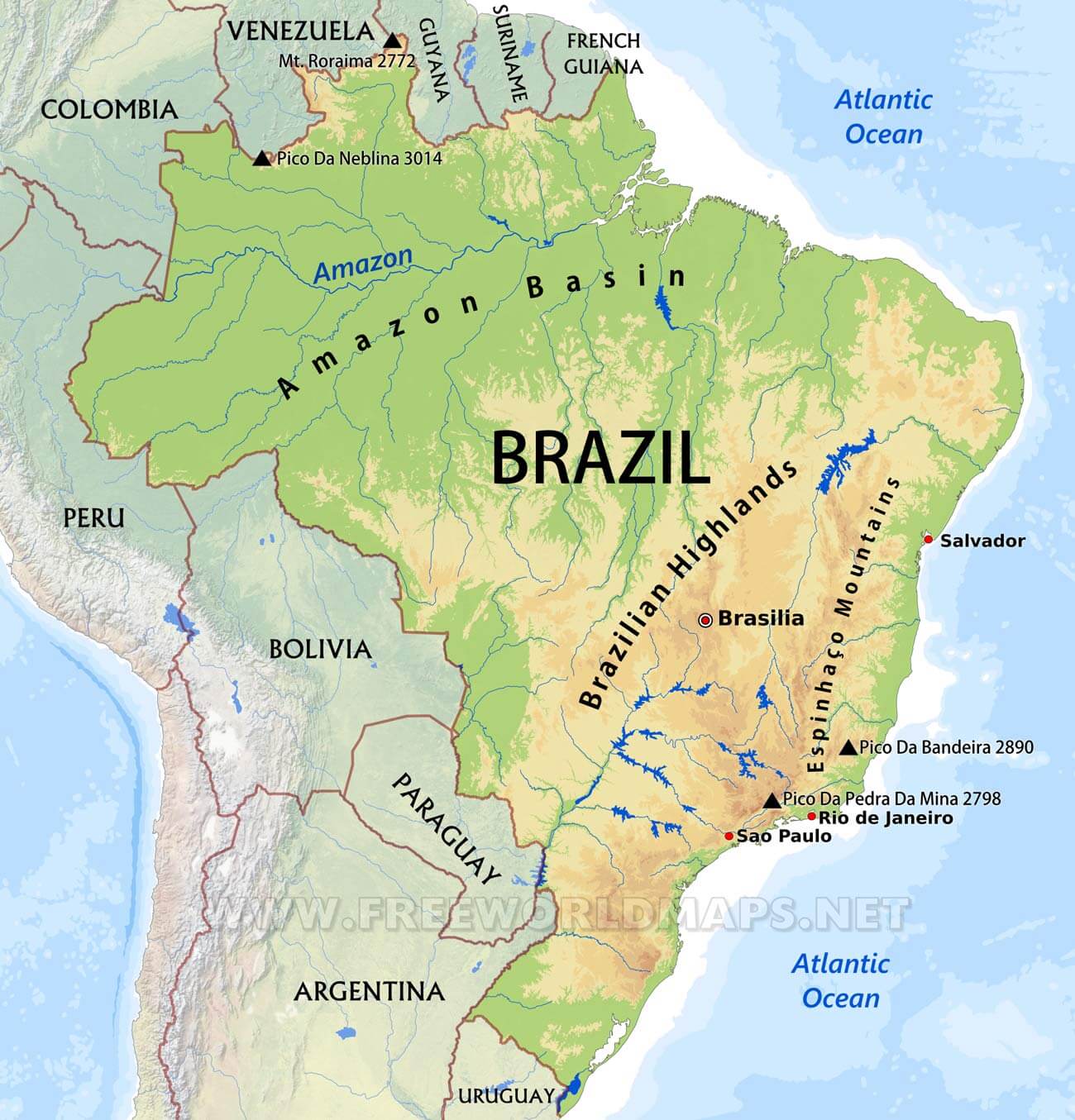
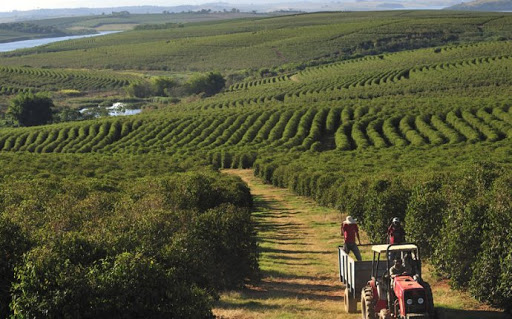
First, Brazil’s geographical conditions have had a decisive impact on the development of its coffee industry. Located in eastern South America, Brazil spans from 5°N to 35°S latitude, with terrain ranging from tropical rainforests to highland mountainous regions. Most areas experience tropical or subtropical climates, with temperatures generally between 16–28°C and abundant sunlight. However, Brazil’s coffee-growing regions are mainly concentrated in highland areas at elevations of 400 to 1600 meters, such as São Paulo, Minas Gerais, and Paraná. Although these altitudes are slightly lower compared to the high-altitude specialty regions of Central America, this geographical environment contributes to the uniquely rich, low-acid, and sweet flavor profile of Brazilian coffee.
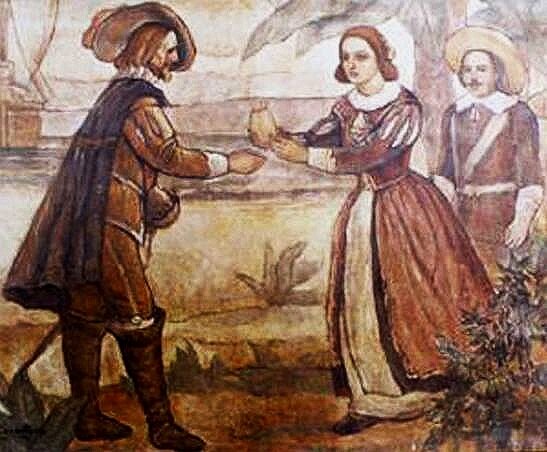
Looking back at the history of Brazilian coffee cultivation, it dates back to the early 18th century. Legend has it that the first coffee tree was introduced to Brazil in a rather dramatic fashion—in 1727, Portuguese officer Francisco de Mello Palheta acquired coffee seedlings while mediating a territorial dispute between French Guiana and the Netherlands. Upon returning to Brazil, he planted them in Pará, sparking a coffee cultivation craze. The plantations gradually expanded to southeastern regions such as São Paulo and Minas Gerais. By the mid-19th century, Brazil’s coffee exports accounted for nearly half of the global total, solidifying its status as the “Coffee Kingdom.”
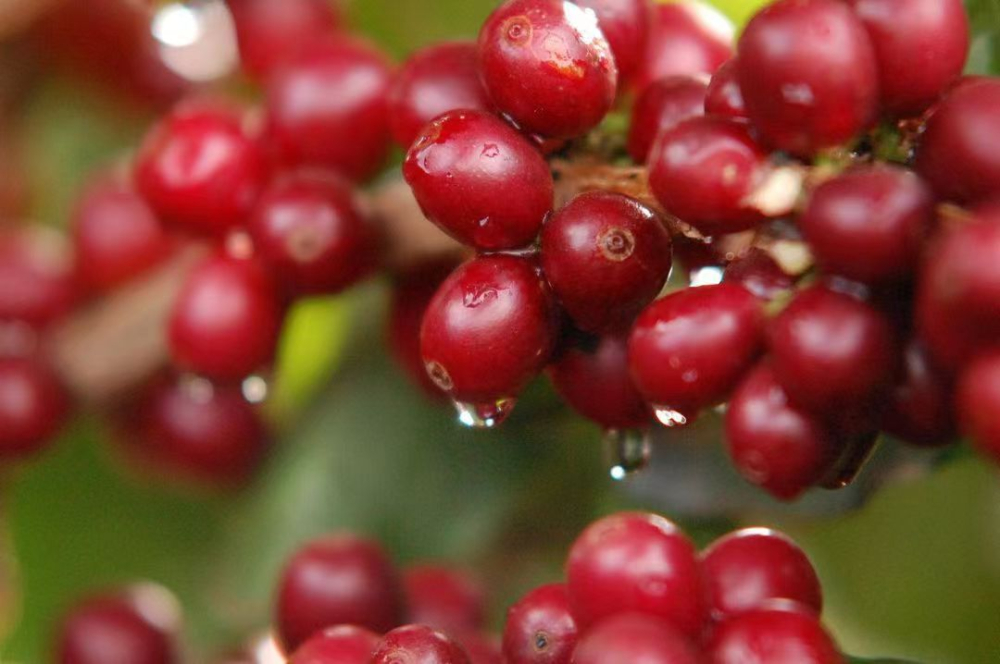
The flavor characteristics of Brazilian coffee are closely tied to its growing environment. Due to the prevalence of flat or low-altitude plateau cultivation and the common use of sun-dried (natural) processing methods, coffee cherries ripen quickly and the beans are relatively low in density, classifying them as so-called “soft beans.” These beans typically exhibit low acidity, intense nutty and chocolatey aromas, and moderate body after roasting, though they may sometimes carry slight woody or earthy notes. Compared to the vibrant fruity and floral profiles commonly found in African beans, Brazilian beans lean toward a more mild and balanced flavor. For this reason, many coffee drinkers who prefer less intense fruit acidity often have a special affinity for Brazilian beans.
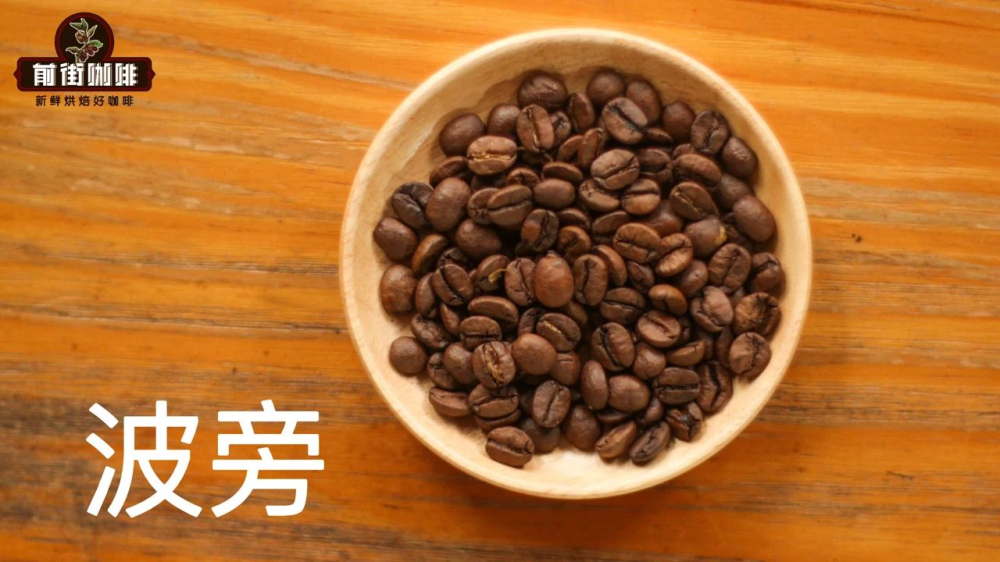
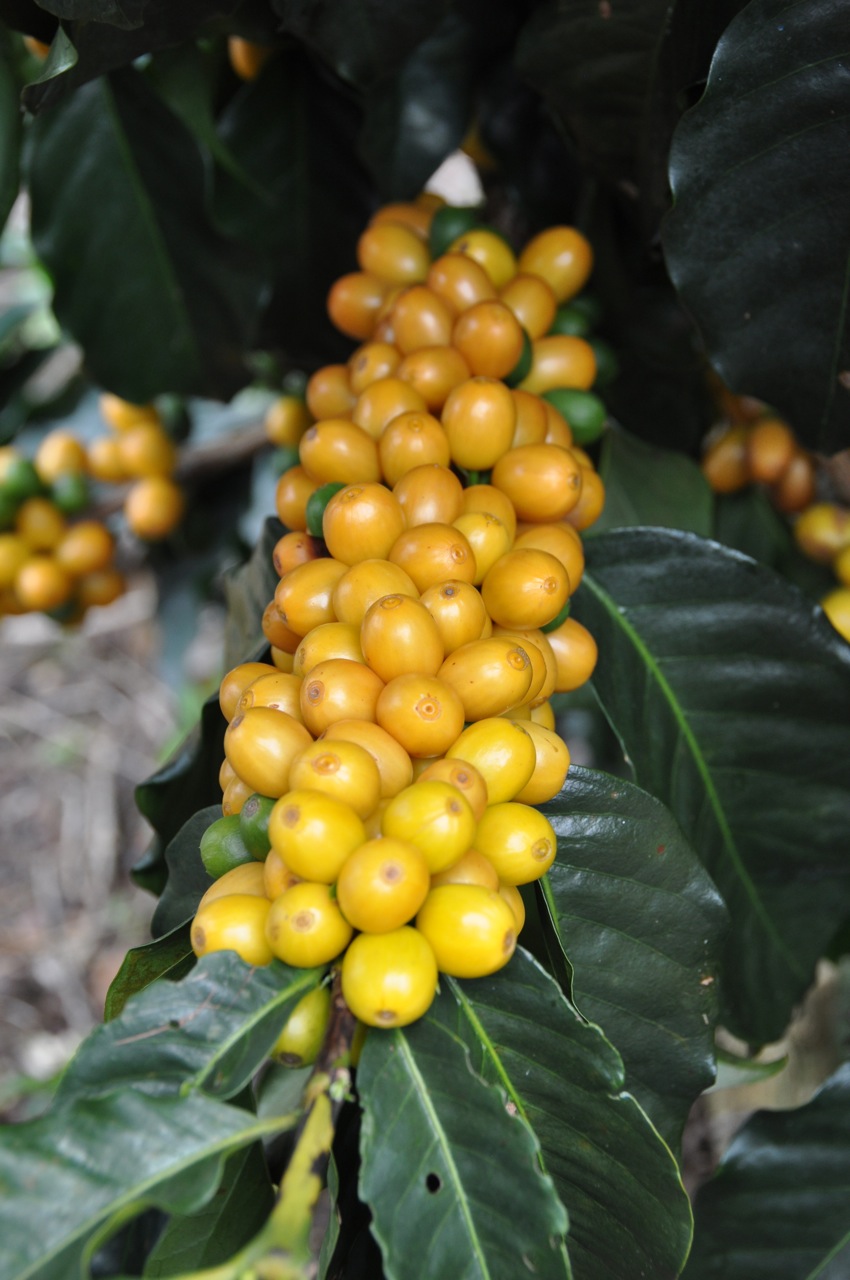
In terms of varieties, Brazil cultivates a diverse range of coffee types, primarily including Yellow Bourbon and Red Bourbon from the Bourbon family, New World, and Catuaí. There are also notable amounts of varieties such as Caturra and Aramaro. These varieties display subtle flavor differences under varying altitude, climate, and soil conditions. It’s worth noting that Brazil is not only a major producer of commercial beans but has also made increasingly remarkable strides in the specialty coffee arena in recent years, especially in innovating and refining processing techniques.
When it comes to processing methods, Brazil also has its own unique approach to post-harvest coffee processing. While traditional sun-drying was the norm in the past, to improve quality and consistency, Brazil developed the “pulped natural” (semi-washed) method in the 1990s. This technique involves removing part of the coffee fruit’s outer layers (such as the skin, pulp, and some mucilage), followed by short fermentation and washing, and then drying the beans with some remaining mucilage. This method saves water, effectively reduces the risks of moldiness and over-fermentation common in traditional sun-drying, and preserves more sweetness and fruity notes, resulting in more layered coffee flavors. Although similar to washed processing, the shorter fermentation time and incomplete mucilage removal give the final cup a rounder profile with Brazil’s signature boldness.
Brazil boasts numerous coffee-producing regions, among which seven states are the most prominent in terms of production volume and quality. These include São Paulo (e.g., Mogiana), Minas Gerais (e.g., Cerrado), Paraná, Bahia, Espírito Santo, Rondônia, and Rio de Janeiro. Together, these regions account for over 90% of the country’s total coffee output, each with its own unique microclimate and growing conditions. For example, Cerrado in Minas Gerais features a highland climate and a reliably dry harvest season, making it highly suitable for sun-dried processing. Meanwhile, Mogiana in São Paulo benefits from its mountainous terrain and diverse ecosystems, helping produce coffee beans with refined flavors.

Taking real-world producing regions and bean offerings as examples, “Fazenda Rainha” hails from the Mogiana region of São Paulo, grown at elevations of 1400 to 1950 meters from the Yellow Bourbon variety, and processed using the natural (sun-dried) method. The region features varied terrain, where farmers often combine traditional and modern farming techniques, resulting in beans with high cleanliness, distinct layers, and notable sweetness, often accompanied by a caramel-like finish. The other bean, “Red Bourbon,” comes from Cerrado Mineiro in Minas Gerais, cultivated at around 1000 meters and processed via the pulped natural method. This area enjoys a stable, dry climate ideal for extended sun-drying, allowing the coffee to showcase intense chocolate notes and a full body, with a smoother, rounder flavor overall.
For brewing recommendations, medium-to-dark roasted Brazilian beans are best brewed using a Kono dripper with a water temperature of 88°C, a coffee-to-water ratio of 1:15, and a medium-fine grind (approximately 80% through a #20 sieve). The Kono dripper, with its rib design and excellent immersion effect, helps suppress over-extraction and enhances body. Start with a 30-second bloom using 30 grams of water, then pour in a slow circular motion up to 125 grams for the first pour, and continue until reaching 225 grams for completion. Total brew time should be around 2 minutes. These parameters help highlight the nutty, chocolatey, and caramel notes of Brazilian beans while avoiding excessive off-flavors.
Overall, Brazilian coffee holds an unshakable position in the global coffee market due to its consistent quality, rich body, and low acidity. Whether you’re a coffee novice or an advanced enthusiast seeking reliable base beans, gaining a deeper understanding of Brazil’s producing regions, varieties, and processing techniques will help you better savor and appreciate the charm of this South American coffee.
The above content is compiled by CoffeeHunters, a coffee news website.


