







Introduction:Learn about Indonesia’s coffee bean grading system, from G1 and G2 to premium Golden Mandheling, and master their flavor profiles and selection essentials. This article delves into the differences between Sumatra’s two renowned regions—Lake Tawar in Aceh and Lake Toba’s Lintong—and details the stringent selection criteria of PWN’s Golden Mandheling, including specifications of beans above 18 mesh and a triple hand-picking process. It also provides practical pour over parameters and flavor descriptions to help you select and brew high-quality Indonesian coffee.
The price and quality of Indonesian coffee beans largely depend on its rigorous green bean grading system. Among them, G1 and G2 are the most common grade designations, with G1 often further differentiated by whether it has undergone multiple rounds of manual hand sorting. This article will explore the grading system and processing characteristics of Indonesian coffee, starting with the flavor profiles of Mandheling from Sumatra’s two classic regions—Lake Tawar in Aceh and Lake Toba’s Lintong—and focusing on PWN’s Golden Mandheling. We’ll analyze its trademark rights, G1 grade, 18-mesh-and-above screening criteria, and high-standard triple hand selection process.
Mandheling coffee is famed for its rich and full-bodied taste, distinctly different from the fruity notes of Ethiopian beans or the floral aromas of Geisha. This type of coffee typically exhibits low acidity, high body, and a slight syrupy sensation, and is regarded as one of the most full-bodied coffees in the world. Its major export markets include Germany and Japan, which indirectly attest to its stable quality and internationally recognized flavor profile.
The unique flavors of Indonesian coffee largely stem from its commonly used “wet hulling” (giling basah) processing method. In this technique, after removing the fruit skin and pulp, the beans undergo only brief fermentation, followed by initial sun drying, then removal of the mucilage and parchment layers, before continuing to dry until the moisture content reaches about 12%. Due to the fast processing pace and the intermediate removal of part of the bean husk, the coffee beans often show compression cracks on the surface, and the bean color tends to be dark green or bluish-green.
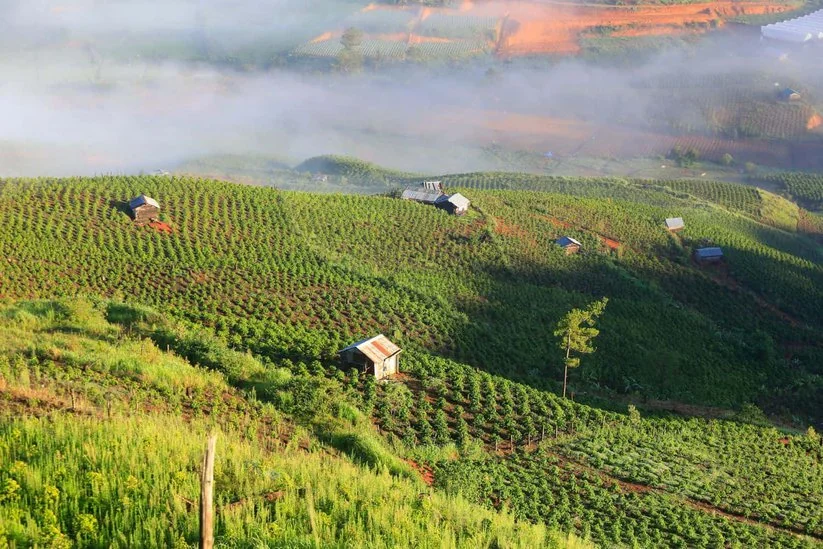
Sumatra’s two well-known regions—Lake Tawar in Aceh and Lake Toba’s Lintong—each produce Mandheling with distinct flavor profiles. The two classic Mandheling offerings are sourced from these two areas: one is “Golden Mandheling” from northern Sumatra, and the other is “Lintong Mandheling” from the south, locally nicknamed the “Two-Lake Dual Mandhelings.” Lintong Mandheling is produced in the mountainous areas around Lake Toba in North Sumatra. With the lake sitting at an elevation of about 900 meters as a high-altitude freshwater lake, the coffee produced there, when processed using the wet hulling method, often carries pronounced herbal and earthy fermented notes, making it an excellent entry point into Indonesian flavors. Since it is mostly produced by smallholders and the soil has relatively low iron content, freshly harvested green beans often display a unique bluish-green hue.
In contrast, Golden Mandheling is a premium-grade product exclusive to PWN. Since PWN has registered the “Golden Mandheling” trademark, only Mandheling produced by this company qualifies to bear this name. The selection criteria for this coffee are extremely strict, using only green beans above 18 mesh, with no more than 3 defective beans per 300-gram sample, placing it in Indonesia’s highest grade, G1. Furthermore, PWN conducts 1 mechanical screening plus 3 rounds of manual hand selection to ensure that each bean is consistent in color, size, and shape, while thoroughly eliminating defects. This rigorous selection process results in Golden Mandheling offering a cleaner cup, richer sweetness, and more pronounced body.
It’s worth noting that the “Golden Mandheling” trademark is owned by Indonesia’s PWN company (Pawani). Many products on the market that claim to be “Golden Mandheling,” although they may also be G1 grade, screened at 18 mesh, and subjected to multiple hand selections, are not actually produced by PWN. When purchasing, consumers can ask sellers to show the green bean sacks and related certifications to confirm whether it is genuine PWN Golden Mandheling. In fact, many specialty coffee shops display the original packaging and certificates for customer verification.
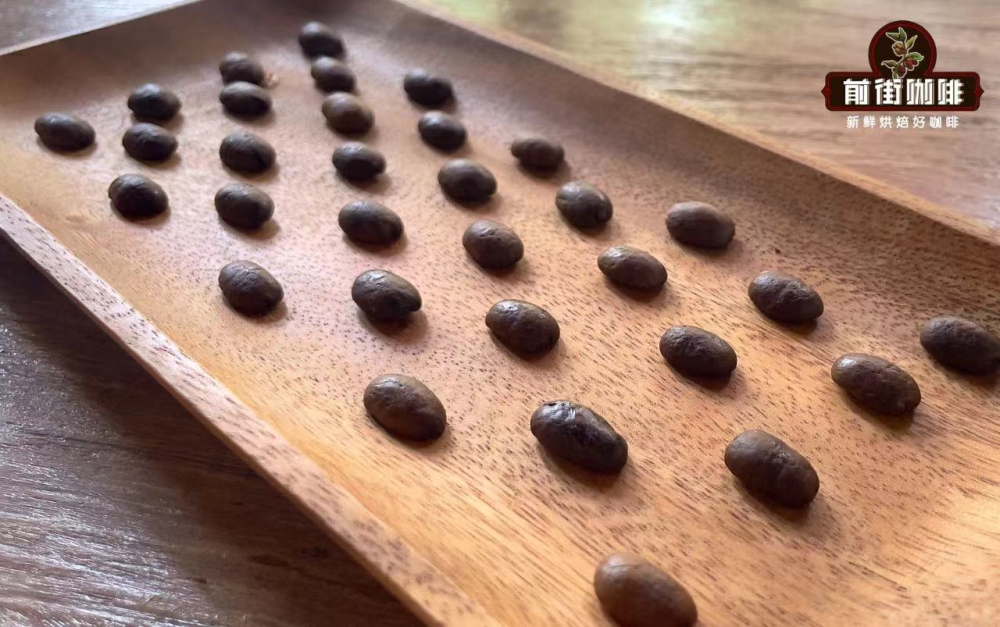
Authentic PWN Golden Mandheling starts with fully manual single-bean selection at harvest to ensure uniform ripeness. It then undergoes semi-washed (semi-washed) processing, natural sun drying, hulling and secondary drying refinement, along with two rounds of green bean cleaning and three rounds of manual hand selection, ultimately selecting top-grade green beans that meet G1 grade, 18 mesh and above, and are entirely free of defects. This processing method results in cupping notes of high-quality herbal aroma, intense caramel sweetness, and chocolate-like body, making it a favorite among many coffee aficionados.
For brewing recommendations, since Golden Mandheling is medium to dark roasted, its full-bodied character is well suited for pour over using the KONO filter. The KONO filter’s conical design helps distribute water evenly and its bottom groove design reduces sediment and improves flow rate, making the coffee flavors more focused. The recommended water temperature is controlled at 88°C to avoid over-extraction that could lead to excessive bitterness. The coffee-to-water ratio can start from 1:15, with grind size suggested at 70% passing through a 20-mesh sieve according to Chinese standards, suitable for drinkers seeking a full-bodied cup.
A specific brewing method can follow this procedure: Start with 30 grams of water for a 30-second bloom, then pour in a slow circular motion up to 125 grams for the first pour. When the water level drops just before exposing the coffee bed, continue pouring to 225 grams, then stop and wait until the water level drops again just before exposing the coffee bed before removing the filter. The total extraction time using the KONO filter is approximately 2 minutes and 10 seconds, which fully highlights its aroma and layered complexity, delivering a full-bodied Indonesian Mandheling coffee with a long-lasting finish.
The above content is compiled by CoffeeHunters, a coffee news website.


