







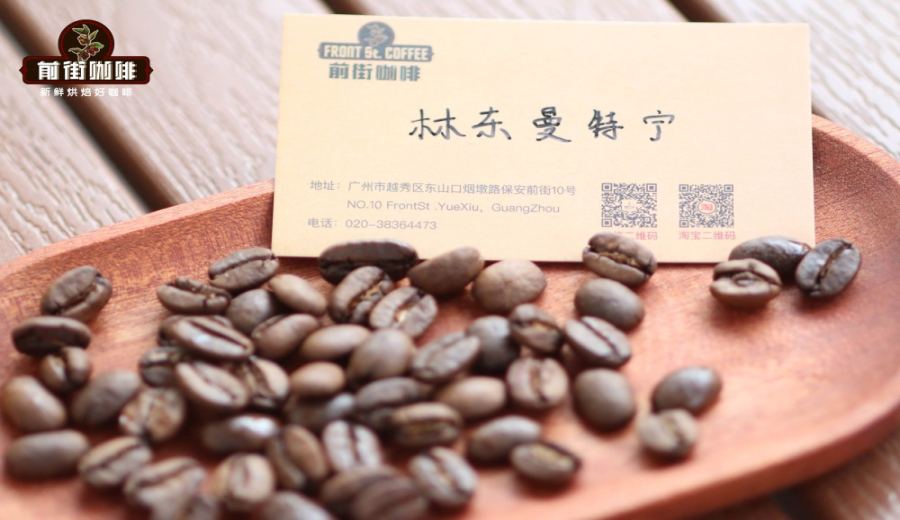
Introduction:Gold Mandheling is one of the most representative specialty coffees from Sumatra, renowned for its rich yet clean flavor profile and its unique wet-hulled processing method. This article delves into its varietal origins, the characteristics of the Aceh Gayo highland growing region, PWN’s quality control standards, and provides expert pour over recommendations along with flavor notes to help coffee enthusiasts fully grasp this Asian classic — from bean selection to brewing.
Celebrated as the pinnacle of Indonesian specialty coffee, Gold Mandheling hails from the island of Sumatra. With its bold yet clean taste and distinctive wet-hulling process, it boasts a uniquely defined flavor profile. This article will take you on a comprehensive journey through its varietal roots, growing environment, the historical background of PWN, the core cultivation area of the Aceh Gayo highlands, as well as practical pour over parameters and detailed flavor descriptions — giving you a full understanding of this iconic Asian coffee.
For those new to Indonesian coffee or those wishing to explore Gold Mandheling in greater depth, this guide not only offers practical insights for selecting and tasting the beans but also provides an understanding of the cultivation and processing philosophies behind them.
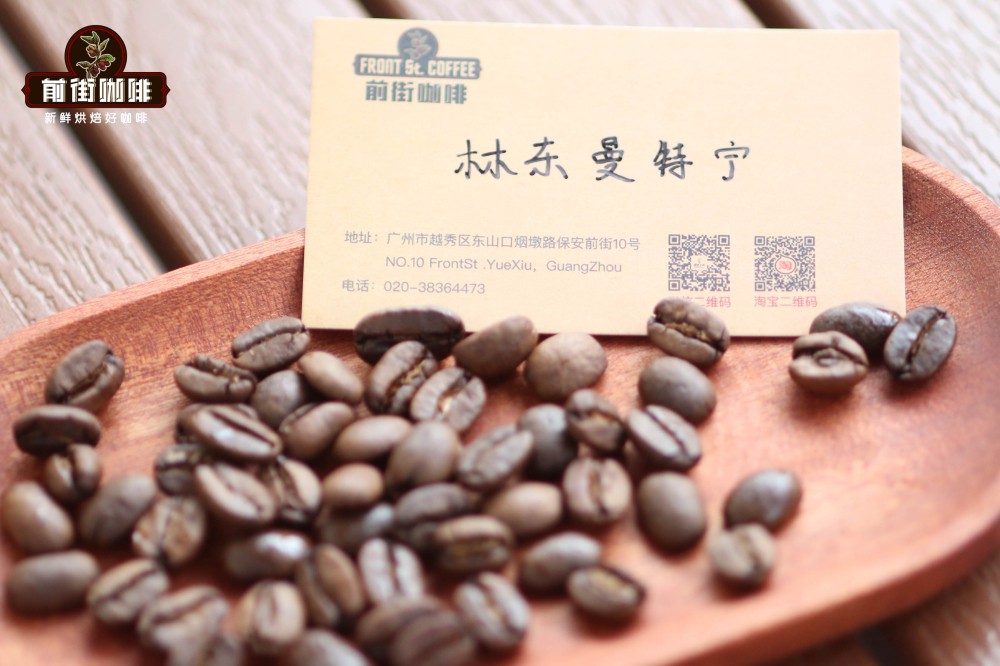
As Indonesia’s largest and the world’s sixth-largest island, Sumatra is located in the northwest of the country and enjoys the earliest coffee harvest season nationwide, typically from November to March each year. The Mandheling coffee grown here was once hailed as "the world’s richest coffee." It features an intense, layered flavor with prominent bitterness and body, yet without astringency or excessive acidity, showcasing the bold character typical of Asian coffees. Although some first-time tasters might find its distinctive herbal aroma unfamiliar, many coffee drinkers are captivated by its deep aftertaste and robust masculinity.
Among the many Indonesian coffee regions, Sumatran Mandheling is especially well-known. Notably, “Sumatra Mandheling DP Grade 1” and “Vintage Sumatra Mandheling” are classic offerings. The former has a long-lasting finish with wild mountain and earthy forest notes, while the latter showcases even more complexity and richness. A well-known brand’s Gold Mandheling is one of the carefully selected high-quality representatives within these.
The reason Gold Mandheling is regarded as a top-tier choice among Indonesian specialty coffees is not merely about grading — it stems from the trademark registered by the Indonesian company PWN (N.V. Pawani Medan). Established in 1957, PWN initially exported Indonesian staples such as coffee and rubber, and was the first company to introduce the name “Mandheling” to the Japanese market. Since 1977, the company has focused on exporting high-end coffee beans, including Grade 1 Sumatra Arabica Mandheling and Grade 2 Robusta AP-I, primarily targeting Japan, Chinese Taipei, and the United States, with over 95% of its sales going to Japan and Taiwanese markets. “PWN” has long been a symbol of quality assurance in those regions.
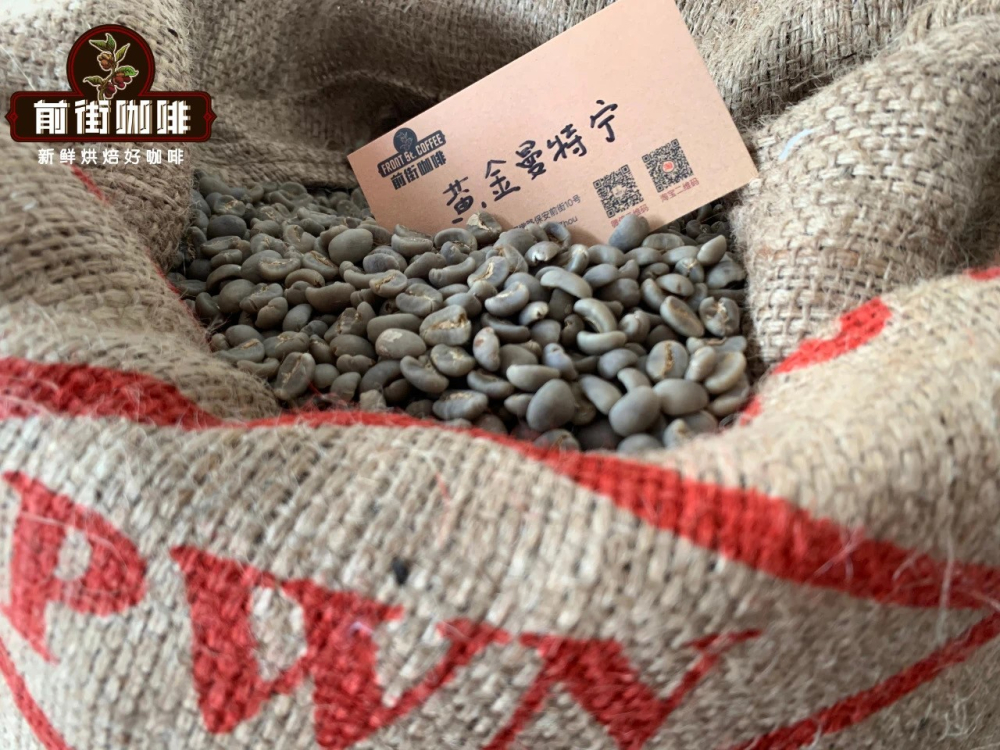
The Gold Mandheling available in the market today is the result of meticulous work by PWN. These coffee beans undergo at least three rounds of hand sorting after harvest to ensure that every bean is 18 mesh or larger, with fewer than 3 defective beans per 300-gram sample — meeting the highest G1 grade standard. These beans are generally dark green in color, uniformly shaped, mostly flat beans, laying a solid foundation for their subsequent flavor expression.
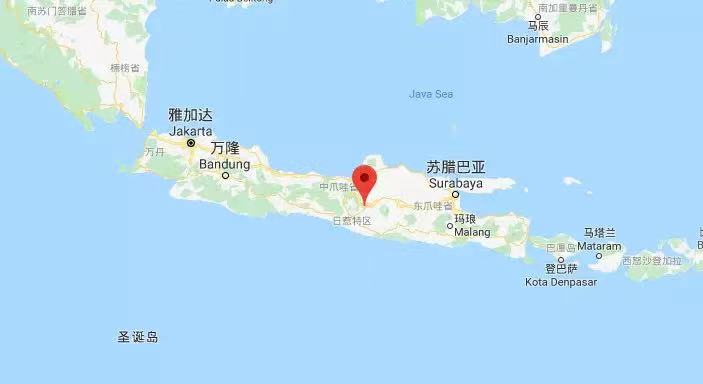
The variety of Gold Mandheling is mainly Ateng, which is actually the local Indonesian term for Catimor. Catimor was created in 1959 when Portuguese experts crossed a Brazilian bourbon mutation called Caturra with Timor, which has Robusta lineage. It is highly resistant to disease and yields several times more than traditional Typica. During the leaf rust outbreak in Indonesia in the 1980s, the government introduced Robusta and also brought in Timor seeds from East Timor. Some of these seeds were mixed with Catimor, and planted in the central part of Aceh in northern Sumatra. Hence, locals refer to it as Ateng, meaning “from Central Aceh (Aceh Tengah).”
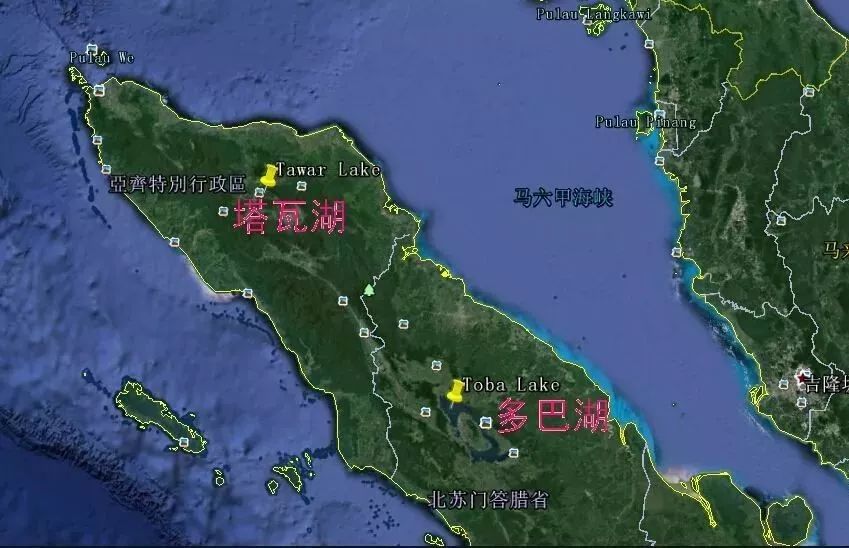
Aceh Gayo Highland is located at the northernmost tip of Sumatra and is one of the key producing regions of Gold Mandheling. The beans are mainly grown around the towns of Takegon and the slopes surrounding Lake Tawar, at elevations of approximately 1100 to 1600 meters. This area previously faced export challenges due to political instability, but in recent years, conditions have gradually stabilized and coffee quality has improved significantly, often considered superior to that of the Lintong region.
Gold Mandheling also employs Indonesia’s unique wet-hulling process (Wet Hulling). Developed to suit the region’s hot, humid climate and limited water resources, this method allows efficient drying while preserving distinct flavors. Its hallmark lies in rapid, staged drying followed by hulling before further processing. This technique results in the Mandheling series’ characteristic low acidity, bold body, and unique earthy aromas. Gold Mandheling inherits these traits while offering a richer, rounder profile with a subtly sweet aftertaste.
For brewing recommendations, Gold Mandheling is a dark roasted bean. It is suggested to use a Kono filter, with water temperature controlled at 88°C, a coffee dose of 15 grams, a brew ratio of 1:15, and a grind size of medium-fine (approximately 75% passing through a #20 sieve). The recommended pour over steps are: begin with a 30-second bloom using double the coffee weight in water (around 30 grams) to release CO₂; then pour in small streams up to 125 grams for the first pour, followed by additional pouring up to 225 grams before stopping. Remove the filter once dripping finishes. The total brew time is around 2 minutes. This setup helps avoid over-extraction while highlighting the rich, nutty, caramel, and chocolatey flavor layers.
In terms of flavor, Gold Mandheling presents a complex, multi-layered profile with a rich, clean taste. It delivers strong notes of nuts and caramel, accompanied by soft chocolate undertones, and a long, balanced finish. It is a highly distinctive classic Indonesian coffee.
Lastly, freshness is key to flavor. It is recommended to choose beans roasted within five days and allow them to degas for 4–7 days before brewing for optimal results. If using pre-ground coffee, grind just before brewing to prevent oxidation from diminishing flavor longevity. Gold Mandheling is ideal for those wanting to explore the unique characteristics of Indonesian coffee, and makes an excellent choice both for beginners and seasoned Mandheling enthusiasts.
The above content is compiled by CoffeeHunters, a coffee news website.


