







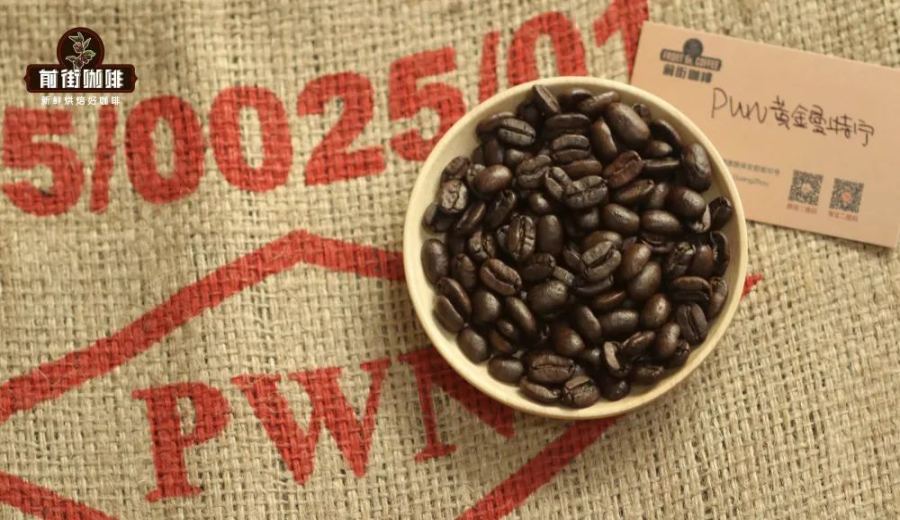
Introduction:Mandheling coffee from Sumatra, Indonesia, is renowned for its bold, full-bodied flavor and distinctive earthy aroma, characteristics that are deeply intertwined with the region’s unique wet-hulling processing method. This article delves into the wet-hulling process, exploring the challenges of high-humidity environments, technical details, and the origins of its flavors—offering insight into how this classic coffee bean refines its captivating regional identity through rugged craftsmanship.
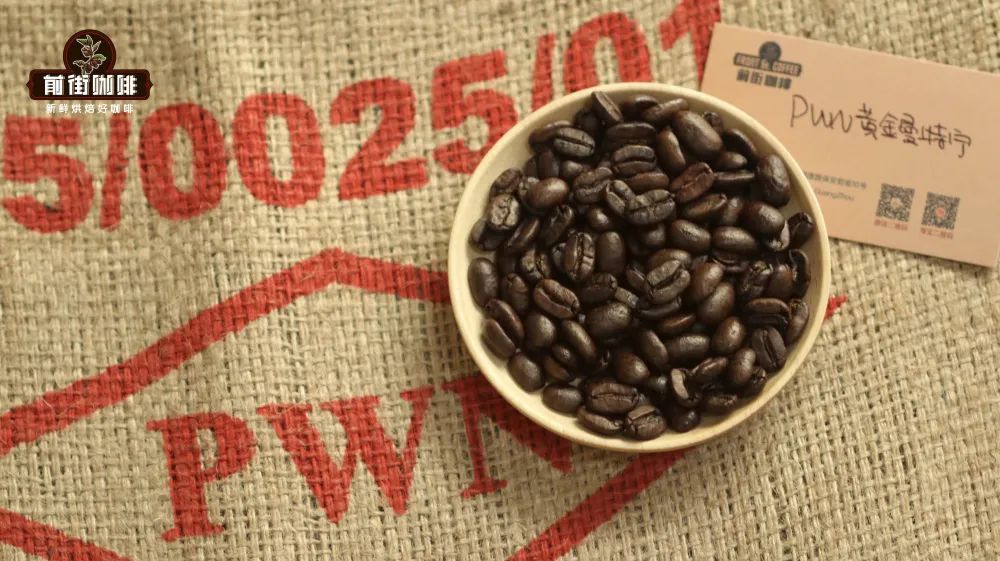
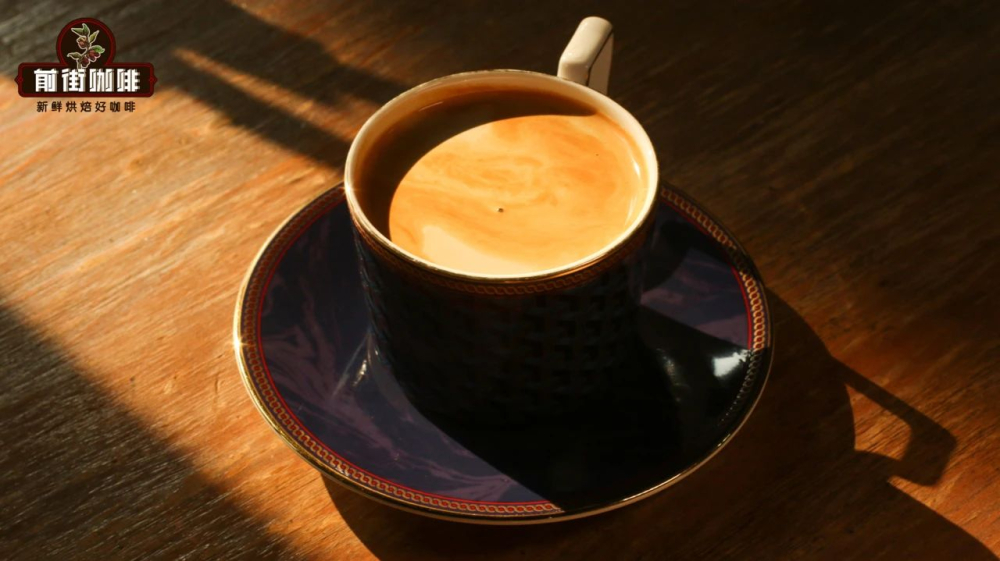
Mandheling coffee is often the darkest roasted option on many coffee enthusiasts’ lists. Originating from Sumatra, Indonesia, it is celebrated for its rich composite aromas of wood, spices, herbs, and soil. It has a heavy, full mouthfeel, extremely low acidity, and after deep roasting, it exhibits a long-lasting bitter finish with a sweet aftertaste. The particularly distinctive earthy aroma leaves a lasting impression. But did you know that the key to these unique flavors lies in the region’s special wet-hulling processing method?
Indonesia has a typical tropical rainforest climate, characterized by high temperatures and frequent rainfall throughout the year. In particular, the Sumatra region maintains air humidity levels between 70% and 90% for extended periods, with frequent alternations of daytime sunshine and afternoon downpours, and annual rainfall exceeding 2000 millimeters. Such an environment is highly unfavorable for traditional sun-drying or washed processing methods, as parchment beans often struggle to reach safe moisture content levels within the required time frame. To address this issue, Indonesian coffee farmers developed wet-hulling (Giling Basah)—a semi-washed processing method that falls between washed and semi-sun-dried techniques, better suited to the region’s humid climate.
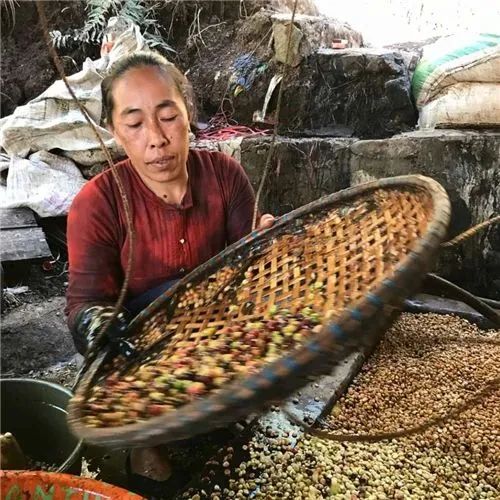
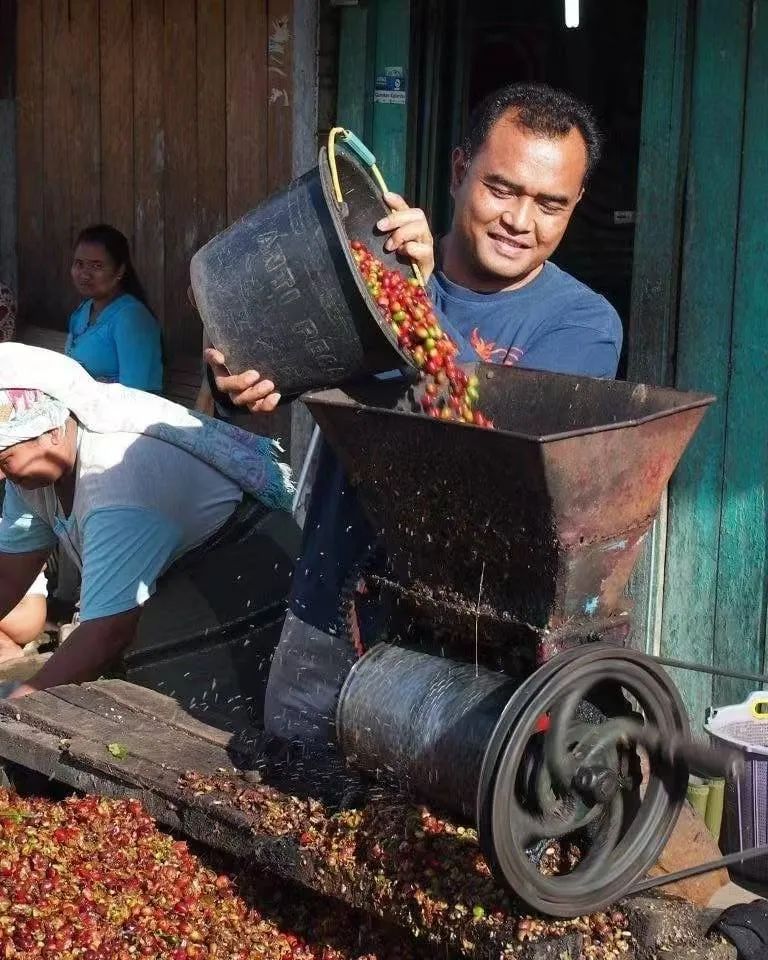
Traditionally, some regions in Indonesia also attempted a semi-sun-dried method similar to Brazil’s: first removing the outer skin of the coffee cherry, soaking the parchment beans in water to remove floaters, fermenting them briefly for several hours, then washing off the remaining mucilage, and finally sun-drying. However, Indonesia’s high temperatures and frequent rainfall made it difficult to dry the parchment beans properly outdoors over several days—they often only dried for one or two days before facing risks of mold. As a result, farmers began sending the parchment beans to processing facilities to have their husks removed early using specialized machinery while the moisture content was still high (around 30%–50%) and the beans were semi-hard and semi-soft, significantly shortening the overall processing time.
The key step in wet-hulling is “husking before full drying.” At this stage, the parchment layer has not yet solidified, and the beans still retain some elasticity. However, delaying the hulling can lead to off-flavors due to continued fermentation. This operation, however, places very high demands on equipment, requiring more powerful hulling machines because wet beans cling tightly to the husks. The friction during hulling releases white or greenish mucilage, softening the bean surface and turning it pale or slightly grayish-green. It also increases the risk of bean damage, especially at the ends, where small indentations resembling “goat hooves” often form—this is one of the main reasons why the so-called “goat hoof beans” are relatively common in Sumatran coffee.
Generally, coffee beans have four natural protective layers: the fruit skin, mucilage, parchment, and silver skin. But wet-hulling removes the parchment and silver skin midway through processing, exposing the inner bean directly to the external environment for subsequent drying. After the parchment is mechanically removed from the parchment beans, they continue to be dried outdoors or in the shade until the moisture content drops to 12%–15%, at which point they are bagged (usually in 40 kg or 80 kg woven sacks) and sent to a mechanical sorting facility for impurity removal and particle grading.
It is worth noting that wet-hulling significantly shortens the overall processing time and effectively reduces labor and time costs by removing the husk early. However, it also brings a higher risk of defects. From natural damage during harvesting, mechanical pressure injuries during hulling, potential moisture exposure during wet parchment transport, to uneven drying caused by alternating sunlight and humidity, each step can affect the final quality. For this reason, high-quality Mandheling often undergoes multiple rounds of manual sorting to remove discolored beans, broken beans, and sources of off-odors.
In addition, beans that remain unprotected for extended periods in humid air are also prone to various microorganisms, some of which are believed to be important contributors to the unique flavors of Sumatran coffee. Research indicates that the “regional character” notes such as woody tones, grass jelly-like aromas, soil, and spices likely stem from the involvement of these microbes during processing. Coupled with subsequent Maillard reactions and caramelization, these processes ultimately give rise to Mandheling’s deep and memorable earthy aroma.
In summary, Indonesia’s wet-hulling method is an adaptive, challenging, and creative coffee processing technique. It not only overcomes the environmental constraints of Sumatra’s high humidity and frequent rainfall but also inadvertently shapes the unique flavor profile of Mandheling. Understanding each step of the wet-hulling process helps us appreciate more deeply the story and craftsmanship behind this classic coffee bean.
The above content is compiled by CoffeeHunters, a coffee news website.


