








Introduction:Espresso, the core of Italian coffee, is renowned for its intense and layered profile, yet its strong flavor often intimidates beginners. This article delves into three classic ways to enjoy it—adding sugar and milk for newcomers, sipping it pure and bold as favored by men, and savoring it slowly and elegantly preferred by women—while detailing the full process from dosing, distributing, to extraction. Using 20 grams of coffee, 9 bar pressure, and extracting 40 ml in 25–30 seconds as standard reference, it helps you master the key to balanced flavor, allowing you to enjoy its essence whether at home or in a café.
Espresso is Italy’s most iconic classic coffee, with a rich and layered flavor. But due to its intense taste, many enthusiasts are confused about how to drink it properly. This article will systematically introduce three ways to enjoy espresso: the sugar-and-milk method for beginners, the pure-bold method favored by men, and the elegant-sip method preferred by women, while also explaining in detail the full preparation process—from dosing, distributing, tamping, to extraction.
The traditional way to drink authentic Italian espresso is to consume it quickly, finishing it in about two to three sips. During this time, the coffee’s flavor is most balanced, and the caffeine intake is lower. However, depending on different preferences, espresso can be enjoyed in three ways—find the one that suits your taste best.
I. The Sugar-and-Milk Method Recommended for Beginners

For those trying espresso for the first time, it’s recommended to take a sip of ice water beforehand to cleanse the palate and enhance taste sensitivity. Then gently stir the coffee with a spoon to mix the thicker liquid at the bottom with the thinner part on top, which helps appreciate the overall flavor; if not stirred, you can experience the distinct layering of flavors. It’s suggested to drink it in 3 to 4 sips, using your tongue to rub against the roof of your mouth to feel the texture, and your tongue sides to detect acidity, combining multiple senses to evaluate the overall performance. After drinking, close your mouth and breathe in to savor the aroma and aftertaste, then rinse your mouth with water to highlight the coffee’s sweetness.
For beginners just getting into espresso, try adding a tiny bit of sugar and a small amount of fresh milk, stir gently, and drink it all in one go. This method allows the semi-melted sugar to release a flavor that transitions from bitter to sweet, while the fresh milk softens the intense taste—it’s an ideal choice for beginners.
II. The Pure-Bold Method Favored by Men
For men who prefer a stronger taste, drinking pure espresso straight is the best way to experience its essence. It’s recommended to drink a sip of ice water first to remove any lingering flavors in the mouth, then take a shot of espresso to feel the dual stimulation of cold water and hot coffee. If you want to add variety, you can try adding lime juice or whisky—but this drinking method requires some level of coffee tasting experience and is not recommended for beginners.
III. The Elegant-Sip Method Preferred by Women
Compared to men’s direct approach, women tend to favor a gentler and more elegant way of sipping. It’s suggested to first take a sip of warm water, then slowly sip the espresso, letting the mouth gradually adapt to the temperature change, thereby unlocking the coffee’s aromatic bloom. Additionally, many women enjoy flavored coffees like lattes, so you can add fresh milk to the espresso without sugar, and gradually reduce the milk ratio to slowly adapt to the essential flavor of espresso.
From a technical perspective, espresso is a beverage made through high-pressure extraction. Under nearly 9 bar pressure (about nine times normal atmospheric pressure), near-boiling water passes through extremely finely ground coffee beans to extract a thick and intensely flavored coffee liquid. Most espresso machines complete the extraction in no more than one minute, making it highly efficient compared to pour over coffee.
Here are the steps to make a standard shot of espresso:
First,Dosingrequires placing the portafilter on the electronic scale and zeroing it, then scooping the coffee grounds and weighing again to ensure consistent dosage each time—for example, using20 grams of coffee.
Next isDistribution, where you can use a distribution tool to evenly spread the coffee grounds, or lightly tapping with your fingers can achieve a similar effect—the key is to ensure the grounds are evenly distributed in the basket.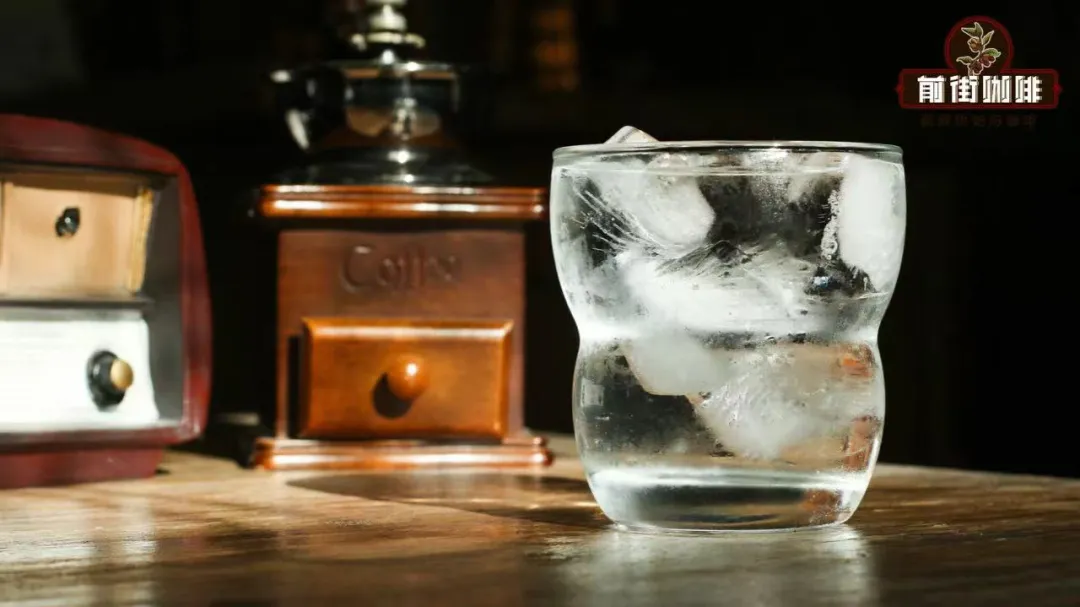
Then comesTamping. The tamping pressure must be moderate: too light results in a loose puck, while too heavy makes it hard for water to pass through, leading to over-extraction. Tamp in a direction perpendicular to the basket to ensure even pressure.
Next isExtraction. After attaching the portafilter to the machine, immediately start the extraction and begin timing. The target yield is40 milliliters, with time controlled between25 to 30 seconds.
Finally, after extraction, clean the basket to maintain equipment hygiene.
Taking a double shot of espresso as an example, common parameters include:Pressure at 9 bar,Temperature at 90.5~96°C,Time at 20~30 seconds,Coffee-to-water ratio at 1:1.7~1:2. A single shot typically uses12 grams of coffee, yielding20 milliliters; a double shot uses20 grams of coffee, yielding40 milliliters.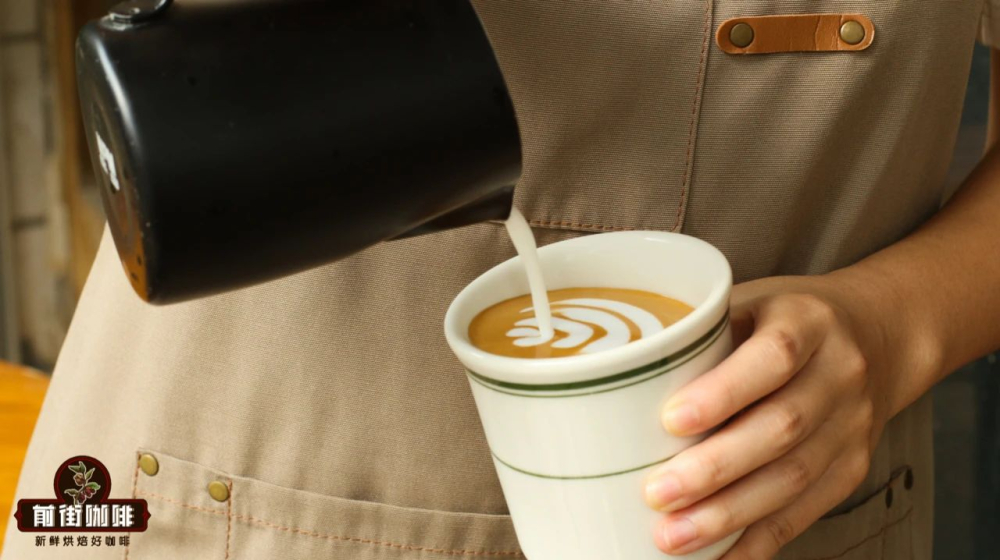
Common blend choices also affect flavor profiles. For instance, a blend combining Ethiopian sun-dried Red Cherry and Honduran Sherry beans can deliver pronounced fruit acidity, berry aromas, wine notes, and chocolate flavors, with a sweet and comfortable aftertaste.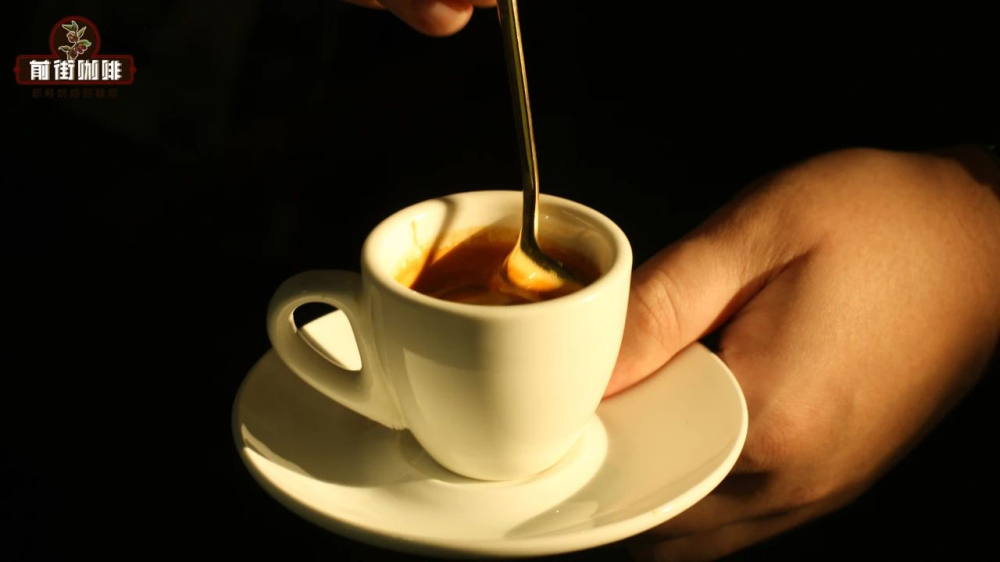
The above content is compiled by CoffeeHunters, a coffee news website.


