







Introduction:Yirgacheffe isn’t just about washed beans!Dive into how the Konga Cooperative crafts bold, juice-forward coffees through the natural sun-dried processing method. This article explores its geographical environment, native variety traits, sun-drying process details, and offers practical pour-over brewing tips and flavor profiles to give you a comprehensive understanding of this high-altitude, iron-rich red soil specialty natural coffee.
When it comes to Yirgacheffe in Ethiopia, many people’s first impression is the clean floral and citrus notes brought by washed processing. However, this terroir also produces sun-dried coffees that deserve attention. This article will introduce you to the Konga Cooperative located in the Yirgacheffe producing area, taking an in-depth look at its geographical location, soil conditions, native variety cultivars, and unique natural sun-drying process. It will also share extraction parameters and flavor characteristics of this coffee, helping coffee enthusiasts fully grasp this bold natural bean from origin to cup.
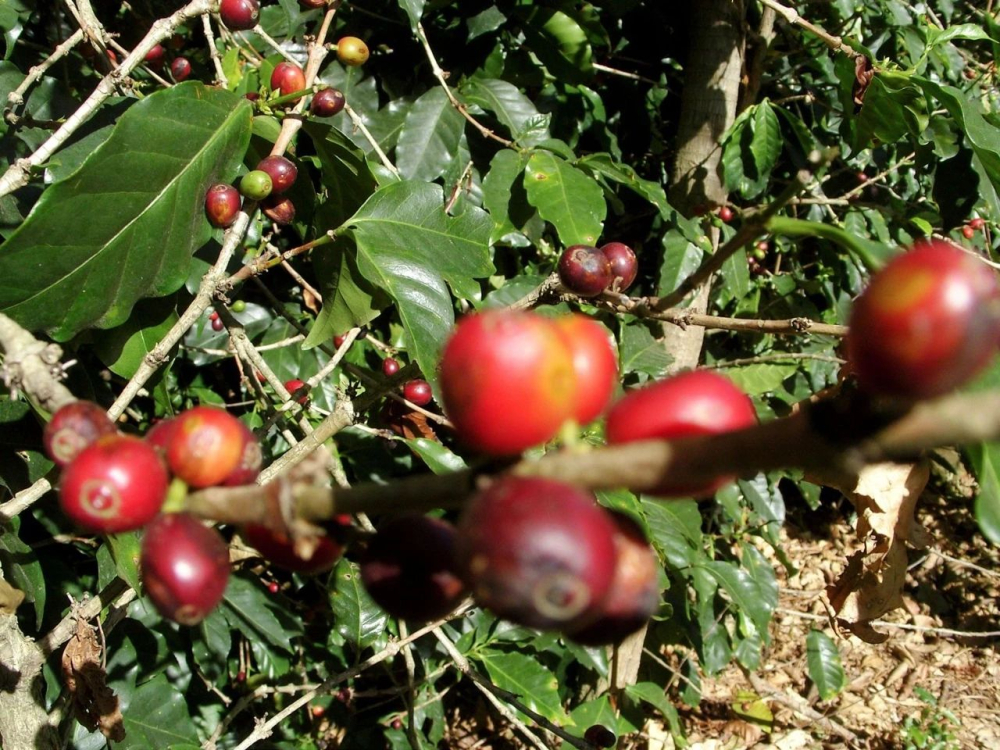
The Konga Cooperative is part of Ethiopia’s YCFCU (Yirgacheffe Coffee Farmers Cooperatives Union), located about 5 kilometers south of Yirgacheffe town. Established in 1994 and officially joining the union in 2002, the cooperative is named after the Konga River basin and local villages. It consists of over 1,500 smallholder coffee farmers, with an average farming area of less than 1.25 hectares per household. The planting altitude ranges between 1800 and 2250 meters, and the main variety grown is the locally unique native Heirloom. The area features deep, iron-rich red soil, with soil layers up to 1.5 meters thick. This type of soil is not only nutrient-rich, but the iron content also aids the coffee plants’ photosynthesis and nutrient absorption, further enhancing the quality and flavor potential of the coffee cherries.
Many newcomers to specialty coffee often associate Yirgacheffe with the light and refreshing profile brought by washed processing. But in fact, the Yirgacheffe producing area can also yield bold, layered natural sun-dried coffees. Originally part of the Sidamo region, Yirgacheffe was eventually designated as a distinct and renowned producing area due to its uniquely high flavor profile. Nearby micro-regions include Wenago, Kochere, and Gelena Abaya, whose coffees share similar flavor profiles with Yirgacheffe, which is why Kochere is also considered part of the Yirgacheffe region. Yirgacheffe is one of the highest-altitude coffee producing areas in the world, ranging from 1700 to 2100 meters above sea level. Its exceptional climate and soil conditions contribute to its highly distinctive flavor.
What makes the coffee from the Konga Cooperative special is its high-iron red soil growing environment. This fertile soil, with its deep layers and high iron content, helps the coffee plants grow vigorously, thereby enhancing the intensity and complexity of the fruit. As a result, the natural sun-dried beans produced in Konga often exhibit pronounced juiciness and fermented fruit aromas, delivering a surprisingly impressive flavor performance.
Speaking of varieties, Ethiopia, as the birthplace of coffee, boasts the richest coffee genetic resources in the world. However, due to the vast number of varieties and the difficulty in identification, the local government typically does not disclose specific variety information in order to protect these precious resources, instead labeling them uniformly as ‘native Heirloom’. The coffee beans grown by the Konga Cooperative are no exception, belonging to native varieties that have long adapted to the local environment. These varieties, shaped by years of natural selection, have developed unique regional flavor characteristics.
Additionally, Ethiopia’s green coffee bean export grading system is mainly based on defect ratios and cupping performance, rather than bean size. As long as there are fewer than 3 defects per 300 grams of green beans, they are classified as the highest grade, G1. This explains why many Ethiopian beans may vary in appearance size but still deliver extremely high flavor quality.
When it comes to natural sun-dried processing, many may wonder: isn’t Yirgacheffe famous for washed coffee? In fact, Yirgacheffe originally used traditional sun-dried processing. It wasn’t until 1972, when Ethiopia introduced washed techniques from Central and South America, that the region’s washed beans became known for their clean floral and citrus notes. However, within the Yirgacheffe producing area, some cooperatives still adhere to sun-dried processing, and the Konga Cooperative is one of them.
In Konga, during the sun-drying process, the cooperative uses uniform raised beds and practices extremely strict sorting of coffee cherries, removing all unripe, damaged, or overripe fruits, keeping only perfectly ripe red cherries. The parchment-covered coffee cherries are then placed on high elevated drying beds for about two weeks of sun-drying. During this period, they are protected from the overly intense midday sun to ensure even drying, until the moisture content is reduced to 12%. Only after drying is completed are the beans graded and packaged. Compared to washed beans, natural sun-dried beans may have slightly lower brightness, but they showcase more intense fermented fruit aromas, along with rich juiciness and layers of sweetness.
For coffee enthusiasts who want to brew Konga natural beans at home, it’s especially important to pay attention to the freshness of the beans. Generally, freshly roasted coffee beans can best showcase their flavor potential. It’s recommended to choose beans roasted within 5 days and to start brewing between 4 to 7 days after roasting, when the beans are in their optimal flavor window — that is, after the so-called ‘resting period’ ends. If you purchase coffee powder, it’s advisable to brew it as soon as possible, as coffee powder oxidizes quickly upon exposure to air, leading to rapid flavor loss.
For the Konga natural coffee, it is recommended to use a V60 filter cone for pour over to fully highlight its sweet and sour layers and aromatic characteristics. The suggested water temperature is 90°C, with a coffee-to-water ratio of 1:15 — about 15 grams of coffee and water volume adjusted accordingly. The grind size can be around 80% passing through a Chinese No. 20 standard sieve, which equates to a medium-light grind. Start brewing by pouring double the coffee’s weight in water (about 30 grams) for a 30-second bloom to release CO₂ from the coffee grounds, ensuring a more stable extraction afterward. Then continue pouring with a slow, circular motion. When the total water volume reaches 125 grams, perform the first pour break, then continue pouring until you reach 225 grams and stop. Once the water has completely dripped through the filter, remove the V60 and finish the brew. The total extraction time should be controlled to around 2 minutes. Finally, it’s recommended to gently swirl the brewed coffee before pouring it into the cup to enjoy a more balanced flavor experience.
This Konga natural coffee delivers a bold profile of berry and citrus acidity, paired with soft cream and honey sweetness. The overall experience is like sipping a fruit-forward blended juice — richly layered and memorable. From aroma to taste, it reflects the unique charm brought by Yirgacheffe’s high altitude and special soil.
The above content is compiled by CoffeeHunters, a coffee news website.


