







Introduction:Although both cold brew and ice drip coffee fall under the category of low-temperature extraction methods, they differ significantly in brewing principles, time control, and flavor profiles. This article delves into the core differences between the two, covering extraction techniques, suitable bean types, flavor characteristics, and practical brewing tips. Whether you're choosing the best low-temperature coffee for your taste preference or mastering key techniques for home brewing, this guide has you covered.
In recent years, low-temperature extracted coffee beverages have gradually gained global attention, among which cold brew coffee is the most well-known. However, many people often confuse cold brew with ice drip coffee. In reality, these two methods differ markedly in extraction logic, time investment, and final flavor expression.
As the name suggests, cold brew involves steeping coffee grounds in cold or icy water for an extended period, with the entire process taking place at room temperature or lower, usually requiring12 to 48 hours. This method reduces the release of acidic compounds in the coffee, resulting in a smoother, sweeter cup with delicate fruity or floral notes. Ice drip coffee, on the other hand, extracts coffee by slowly dripping melted ice water drop by drop through a bed of coffee grounds. The process typically takes5 to 8 hours. Due to the shorter contact time between water and coffee, along with natural oxidation, its flavor profile tends to be more distinct and refreshing.
Historically, the concept of cold brew can be traced back to the Netherlands and Japan. Legend has it that Dutch merchant ships, lacking access to hot water during their voyages, developed a method of brewing coffee with cold water. This technique was later introduced to Japan, where it evolved into various low-temperature extraction methods. Among them, "Kyoto-style coffee" is considered the precursor to ice drip coffee. This slow, low-temperature extraction approach gradually formed a unique coffee culture around the world.
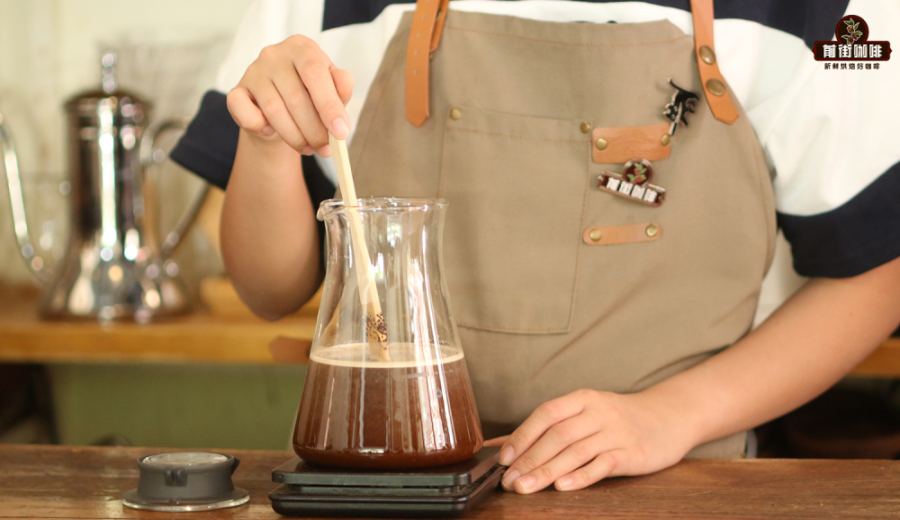
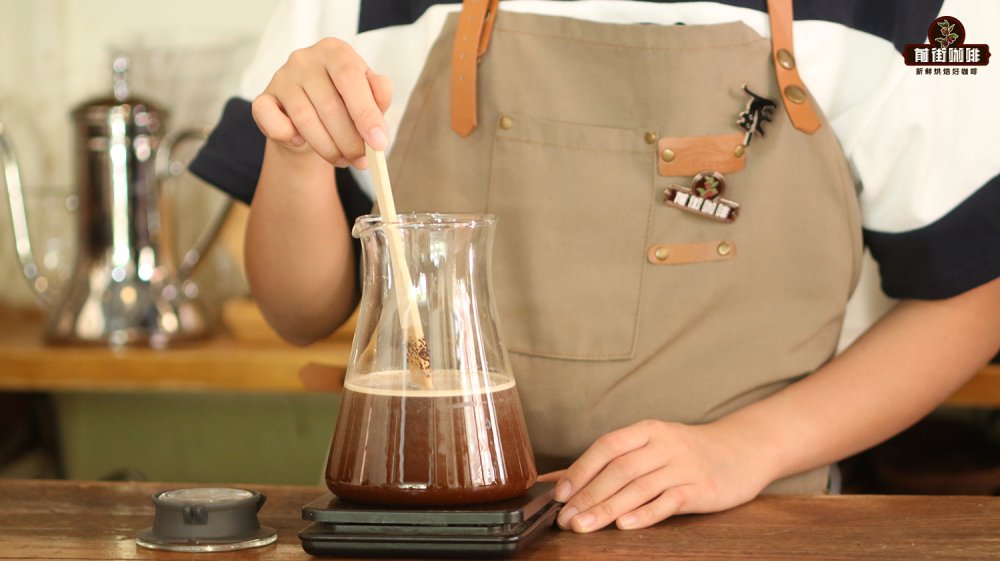
In practical terms, cold brew usually involves mixing coarsely ground coffee with cold water in a certain ratio and letting it steep without additional stirring—just ensuring the coffee grounds are fully saturated. It’s recommended to maintain a water temperature between20 to 22°C, as excessively high temperatures may lead to over-extraction and unwanted bitterness. Ice drip coffee, meanwhile, uses a dripping device to control the rate at which melted ice water drips at about1 to 2 drops per minute, allowing gravity and time to slowly permeate the coffee bed. This method places certain demands on both the design of the equipment and the control of dripping speed.
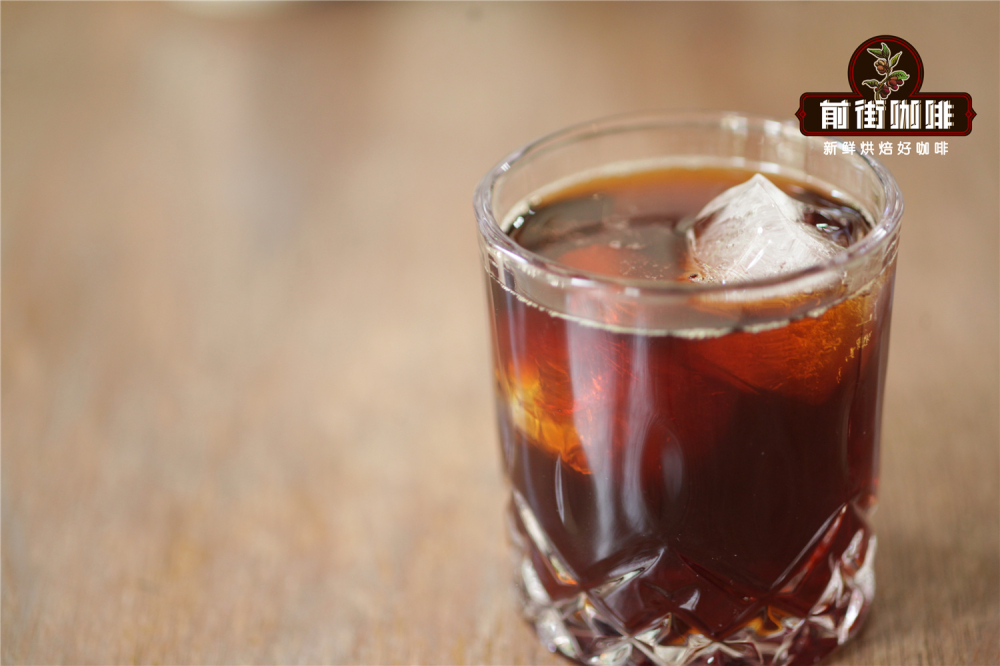
In terms of flavor, cold brew tends to produce amore stable and robustcup due to the longer contact time and fewer variables involved. It’s ideal for those who prefer a full-bodied taste with gentle acidity, and it pairs especially well with milk or a touch of sugar. Ice drip coffee, because each drop of water has a shorter extraction time and is gently oxidized through exposure to air, offers a morelayered and refreshingflavor profile, often showcasing bright citrus, floral, or subtle caramel notes. It’s well-suited for coffee enthusiasts who appreciate nuanced flavors.
When it comes to bean selection, each method has its recommendations. For cold brew, medium to dark roasted beans are preferred, as they enhance sweetness and body—such as blends or single origins with chocolatey or nutty profiles. Ice drip coffee, however, better highlights the intrinsic details of the beans, making medium to light roasted beans with prominent fruit acidity and aroma more suitable. For example, Ethiopian Yirgacheffe or Kenyan AA beans can express vibrant citrus, berry, or floral qualities.
Additionally, regardless of the method chosen, grind size plays a crucial role. Cold brew generally calls fora coarse grind, similar to that used for a French press, to avoid over-extraction and excessive sediment. Ice drip can use a slightly finer grind but should still avoid being too fine to prevent clogging or over-extraction. Both methods also require proper filtration after brewing—using cloth, paper filters, or specialized filters is recommended to ensure a clear, grit-free coffee liquid.
In summary, cold brew and ice drip coffee each have their own charm. The former excels in stability and richness, making it great for everyday enjoyment or batch brewing, while the latter shines with its intricate layers, appealing more to those who seek flavor exploration. If you enjoy bright, fruity, and refreshing coffee, try ice drip. If you prefer a mellow, sweet, and easy-drinking option, cold brew is the more approachable choice. By understanding these differences, you’ll be able to find the low-temperature coffee experience that best suits your personal taste.

The above content is compiled by CoffeeHunters, a coffee news website.


