








Introduction:As the oldest processing method for green coffee beans, the natural (sun-dried) process involves drying the entire fruit to cultivate a rich and layered flavor profile. From the early high-elevation raised-bed drying methods in Africa to today’s refined single-layer slow fermentation techniques, this traditional approach continues to evolve and rejuvenate. This article delves into the complete workflow of the natural process, its flavor characteristics and technical improvements, while also addressing common issues and solutions — helping readers gain a more comprehensive understanding of this intensely flavorful method.
The natural process is one of the most historic coffee processing techniques. Its defining feature lies in allowing the entire coffee fruit to dry naturally, with the beans gradually maturing while still encased in their pulp. This process yields more intense flavors, a pronounced sweetness, and a wealth of fruity notes. While rooted in tradition, this method has been continually optimized — evolving from simple open-air sun exposure to well-controlled elevated drying beds and slow fermentation techniques, significantly enhancing the stability and complexity of the final product.
The first step in executing the natural process usually involves placing freshly harvested coffee cherries into large water tanks for initial sorting. Ripe cherries, being denser, will sink to the bottom, while unripe or overripe ones float — effectively removing defective beans at this early stage. Next, the healthy cherries are evenly spread out on patios or specialized drying racks, exposing them directly to sunlight for drying. The goal at this stage is to steadily reduce the moisture content from around 60% down to 12–15%, a process that typically takes several weeks and requires frequent turning to prevent uneven fermentation or mold growth.
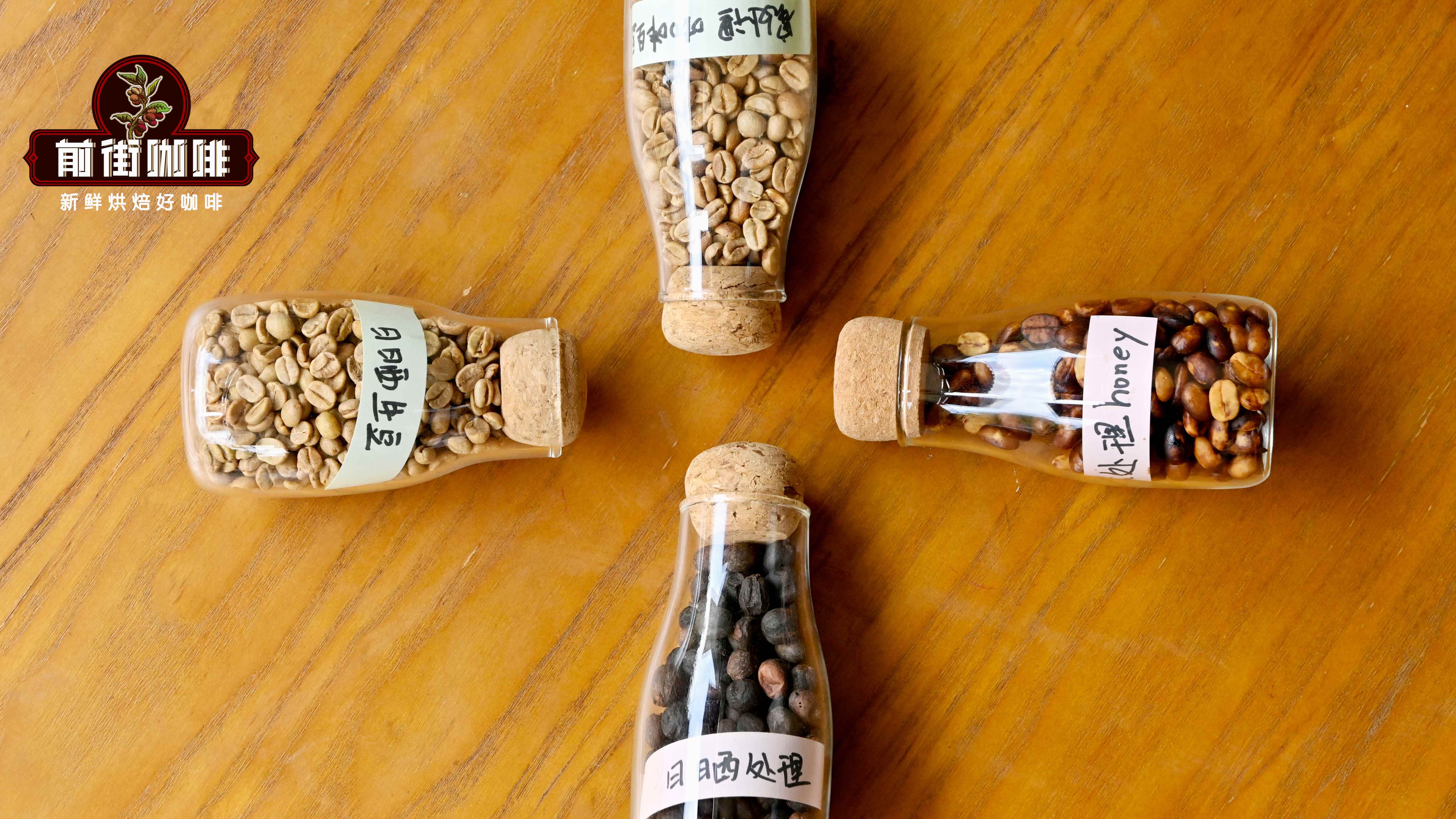
Once the cherries are fully dried, a hulling machine is used to remove the tough outer skin and pulp, leaving only the inner green beans. Traditional natural processing imparts distinct berry and tropical fruit flavors to the coffee, along with relatively mild acidity and pronounced sweetness. However, if not properly controlled, it can also lead to undesirable earthy or overly fermented notes. To overcome these challenges, modern farms often adopt improved elevated drying structures that not only effectively block ground moisture and foreign matter but also promote better air circulation — further stabilizing the drying process.
Among these, the single-layer natural slow fermentation method is a more refined technique, particularly widely applied in regions like the Hambela estate. This method controls the drying period to around 18 days and strictly maintains the coffee cherries in a “single layer” on the drying racks, also referred to as SLD (Single Layer Drying / Slow Drying). By managing the thickness of the cherry layer, each cherry is ensured optimal ventilation and sunlight exposure, which slows down the drying rate and allows more time for the sugars and flavor compounds in the pulp to permeate the bean — ultimately resulting in a richer complexity and longer shelf life.
The advantages of the natural process lie in its extremely low water consumption — aside from the initial floatation step, it requires little to no significant water use, making it especially suitable for regions with limited water resources. Additionally, its equipment requirements are relatively minimal, making it ideal for small-scale or traditional farms. However, the drawbacks are equally evident. Since the entire process takes place outdoors, there’s a risk of contamination from debris such as twigs and fallen leaves, and the drying speed is entirely weather-dependent — with even slight mismanagement potentially leading to overexposure that damages the internal structure of the beans. Moreover, since the pulp isn’t removed promptly, poor environmental control increases the risks of mold and spoilage.
Overall, although the natural process is one of the most traditional, it holds immense potential and versatility. From rustic, old-school drying methods to today’s precision techniques focusing on airflow and fermentation timing, this craft continues to evolve — offering coffee enthusiasts a diverse and captivating range of flavor experiences. Whether you prefer bold fruitiness or unique sweetness, you’re likely to find a preferred taste within well-processed natural coffees.
The above content is compiled by CoffeeHunters, a coffee news website.


