







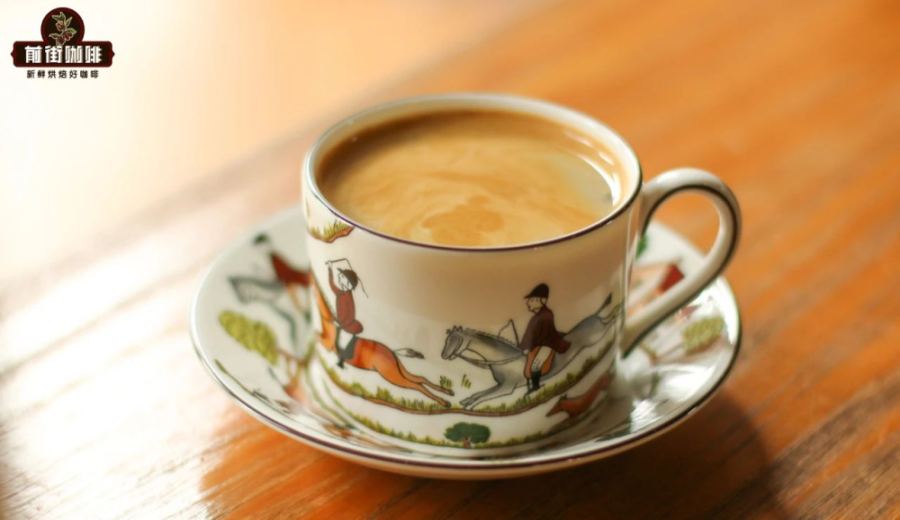
Introduction:Learn how to adjust the coffee-to-water ratio of espresso to brew Americano with your ideal flavor profile. This article dives deep into the Golden Cup extraction standard, suitable grind sizes and blend combinations, and compares the differences in brewing process, flavor, and storage between cold brew and Americano—helping coffee enthusiasts dial in their perfect cup.
Espresso can be enjoyed on its own or used as a base to create a variety of classic drinks, such as lattes, cappuccinos, and even the ever-popular Americano. The flavor direction of an Americano hinges on the control of the coffee-to-water ratio. By adjusting the ratio of coffee grounds to hot water, you can fine-tune strength and highlight different characteristics of blends, crafting a cup that’s bold or bright to suit your personal taste.
The Coffee-to-Water Ratio for AmericanoTypically, it is made by diluting espresso with hot water. Common ratios include 1:4, 1:4.5, and 1:5. If you prefer a strong and intense flavor, opt for a lower ratio, such as 1:4; for a smoother, more layered taste, increase the ratio up to 1:5. Some coffee shops have found through repeated testing that a 1:4.5 ratio strikes a good balance between aroma, body, and drinkability, suiting the preferences of most people.
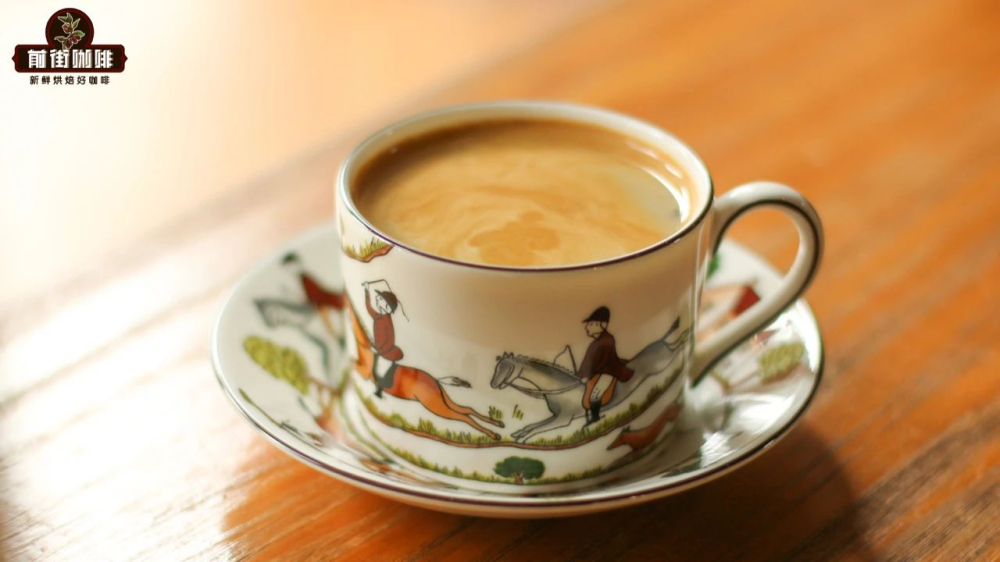
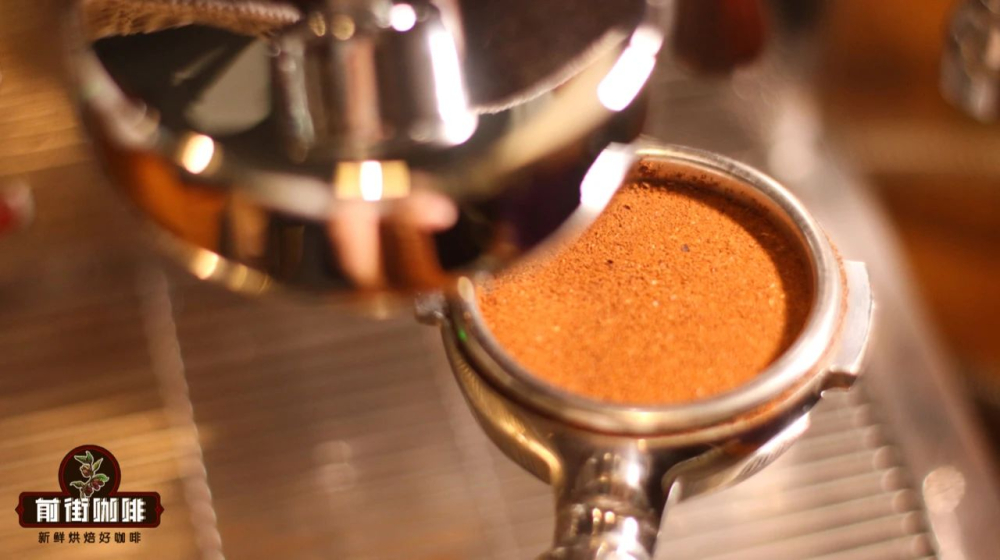
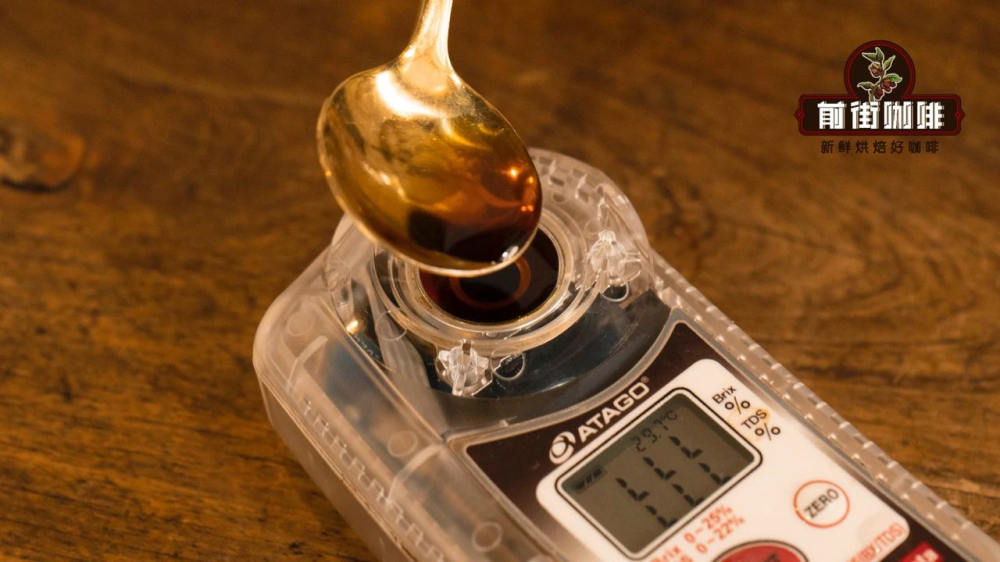
When formulating an extraction plan, the Golden Cup Standard is an important reference. Proposed by the International Coffee Organization, this standard suggests an extraction yield of 18%–22% and a concentration range of 1.15%–1.55%. For example, using 10 grams of coffee grounds to extract approximately 116–191 ml of coffee liquid ensures optimal flavor release without being too thin or bitter. In practice, using 15 grams of coffee beans, a double-shot basket, and a medium grind setting to pull a 60 ml shot of espresso, then diluting it to the desired ratio, is a common approach.
Espresso extraction can be divided into early, middle, and late phases, each with distinct flavor characteristics. The early phase often has intense aroma but may seem slightly sharp depending on roast level or blend composition; the middle phase offers a rounder flavor; the late phase may carry impurities or notes from over-extraction. Tasting each phase after dilution according to the Golden Cup Standard helps you understand the overall performance of the blend and provides a reference for further adjustments.
As for blend selection, it directly influences the final flavor of the Americano. Common blend combinations, such as a 7:3 mix of Honduran Sherry and Ethiopian Yirgacheffe Natural Red Cherry, can deliver winey and cocoa-like finishes. For a balanced flavor profile, consider a blend including Guatemalan, Colombian, Brazilian, and Tanzanian dark-roast beans in a 3:3:2:1 ratio, which combines fruity notes, smokiness, and rich chocolate tones. Those who enjoy pronounced acidity might prefer a mix of Tanzanian and Yirgacheffe with Brazilian and Colombian beans in a 4:2:2:2 ratio, which reduces excessive acidity while preserving bright fruitiness.
Beyond traditional blends, some coffee enthusiasts also experiment with adding a small amount of Robusta beans to enhance crema and intensity. For instance, blending Colombian, Brazilian, and Robusta in a 3:6:1 ratio can produce an espresso base rich in crema and with nutty-chocolate flavors, ideal for those who prefer a bolder cup.
Additionally, for summer or customers who prefer a cooler drink, iced Americano is a popular option. It can be made by mixing espresso with cold water in a 1:1 ratio and stirring well to evenly distribute temperature and integrate flavors. Alternatively, you can dilute the espresso with hot water first and then add ice, adjusting based on individual taste preferences.
Speaking of Americano, many people confuse it with cold brew. In fact, the two differ significantly in both brewing process and flavor. Americano is made by extracting espresso under high pressure and temperature, then diluting it with hot or cold water; whereas cold brew involves steeping coarsely ground coffee in room temperature or cold water for about 12 hours, followed by filtration. The cold brew process is gentle, reducing acidity and bitterness, and highlighting refreshing citrus and berry notes—making it suitable for those who prefer milder flavors. Moreover, since it's not extracted with high heat, cold brew has a relatively longer shelf life and can be kept in the refrigerator for several days, although for optimal flavor, it’s still best consumed sooner.
No matter which method you choose, understanding the coffee-to-water ratio, grind settings, and blend combinations is key to brewing your ideal cup. With continuous experimentation and adjustment, every coffee enthusiast can find the Americano that suits their taste best.
The above content is compiled by CoffeeHunters, a coffee news website.


