







Introduction:The single and double shot versions of espresso not only differ in volume but also in concentration, extraction methods, and suitable usage scenarios. This article delves into the differences in coffee dosage, grind size, extraction ratio, and flavor profiles between the two, and teaches you how to comprehensively evaluate a qualified espresso from visual, olfactory, to taste aspects. In addition, it recommends several professionally roasted blends and provides practical parameters for using these beans for pour over, helping you master the essence of espresso from beginner to advanced levels.
For those who enjoy espresso, the single and double shots are not just about volume—they differ significantly in extraction parameters, coffee dosage, and the final flavor intensity. Understanding these details can help you better appreciate and choose the espresso that suits your taste.
Espresso is a coffee brewed by forcing high-pressure hot water (about 9 bar) through finely ground coffee. It is characterized by its intense flavor, rich crema, and higher content of soluble substances and suspended particles. This form of concentrated coffee is often used as the base for milk-based drinks such as lattes, cappuccinos, and macchiatos, and is also a top choice for many coffee enthusiasts to enjoy on its own.
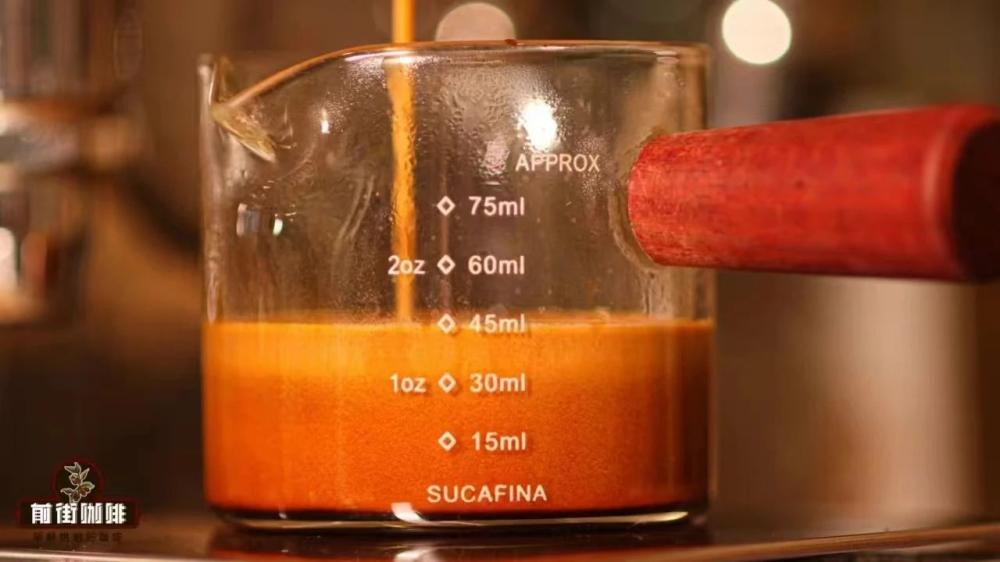
A single shot (Solo) typically uses about10 gramsof coffee grounds, yielding approximately20 gramsof espresso (a 1:2 coffee-to-water ratio). A double shot (Doppio), on the other hand, uses about20 gramsof coffee grounds and produces around40 gramsof espresso. The equipment used also differs: the single shot usually employs a single spout portafilter with a single basket, while the double shot uses a bottomless portafilter or a dedicated double basket to complete the double extraction in one go.
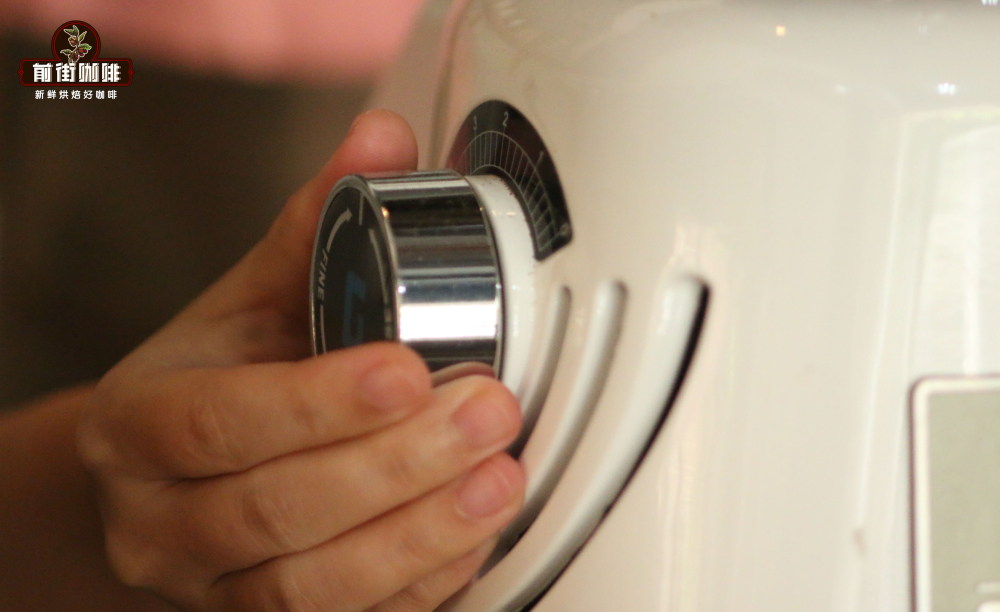
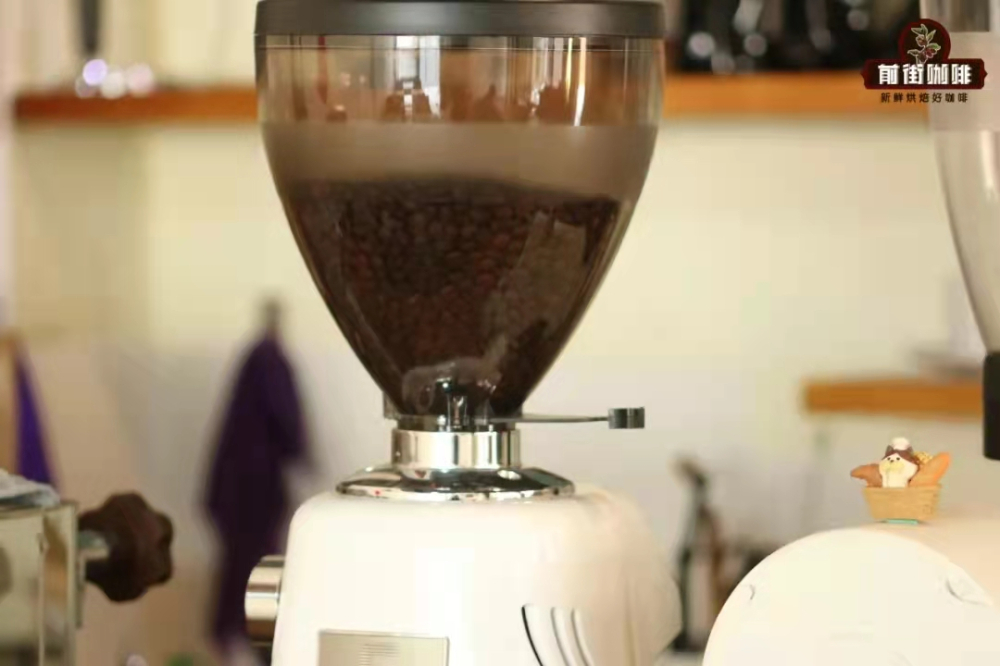
It’s important to note that differences in espresso machines and grinders may lead to varying results even with the same grind settings. Therefore, it’s recommended to fine-tune the grind size daily or before each use based on actual conditions to ensure consistent extraction flavor.
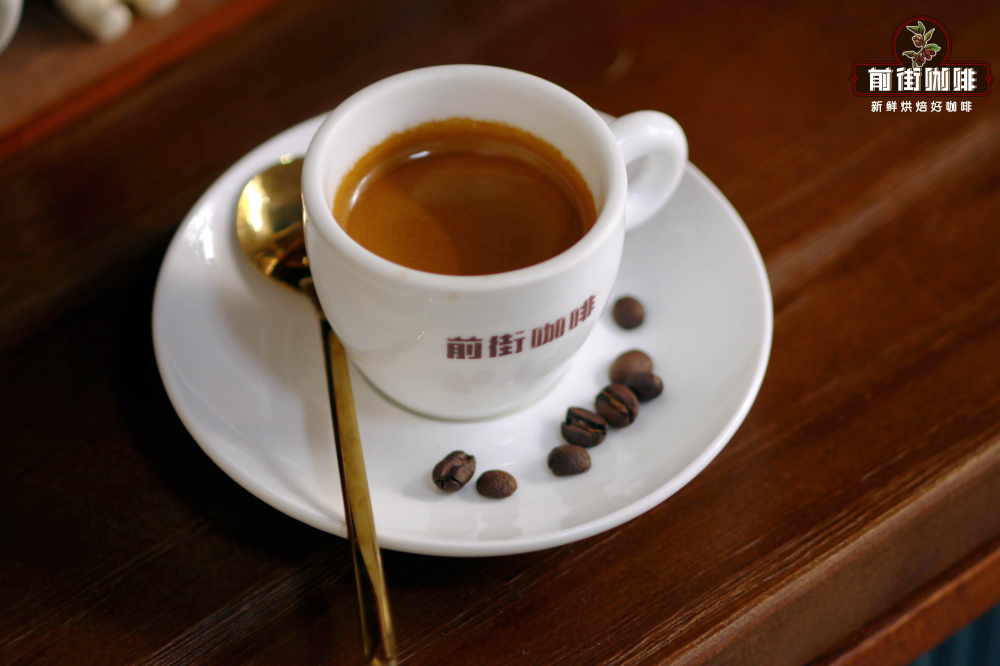
To evaluate whether an espresso has reached an ideal state, it can be judged from the following three sensory aspects:
1. Visual — Observing the color and texture of the crema
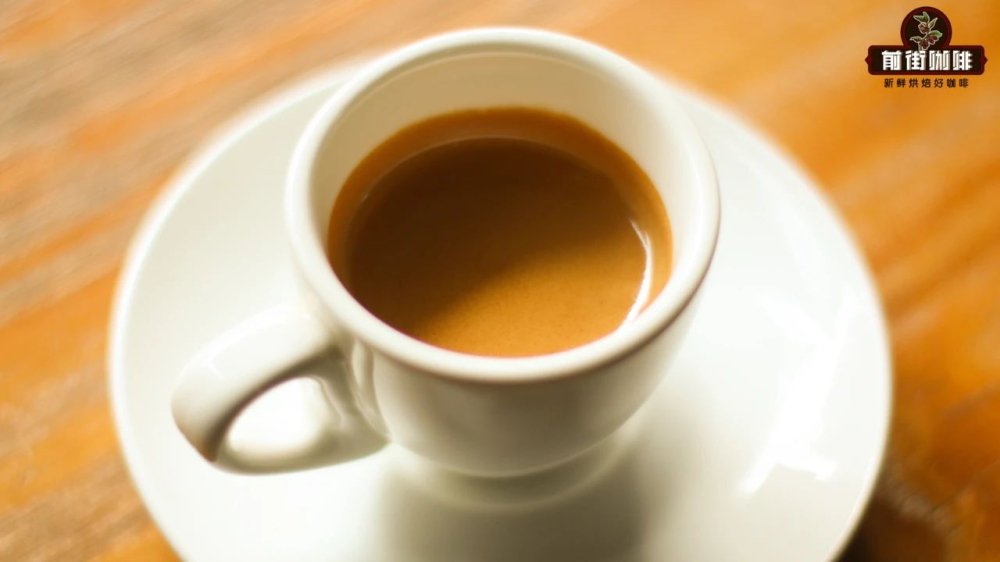
Crema is the dense layer of coffee oils and foam on the surface of the espresso. Ideal crema should range in color from dark brown to light brown, sometimes with a slight reddish tint. The tiger striping (dark streaks) that appear are formed by tiny coffee particles, indicating uniform extraction and stable pressure—an important sign of high-quality extraction. This layer of crema not only affects appearance but also influences the retention and release of aroma.
2. Olfactory — Identifying layers of aroma
After the visual inspection, the next step is to smell the coffee’s aroma. It is recommended to gently stir the surface crema with a spoon to release more volatile aromatic compounds. High-quality espresso often carries complex aromas such as caramel, bread, and honey, occasionally accompanied by citrus or floral notes. If sour, musty, woody, or plastic-like odors are present, it may indicate issues with bean quality or extraction conditions that need improvement.
3. Taste — The key to balance and aftertaste
An ideal espresso should achieve a balance among acidity, bitterness, and sweetness, with a rich and layered mouthfeel. A good espresso glides smoothly down the throat without harsh bitterness, leaving a long-lasting aftertaste with a refreshing acidity or sweet finish that lingers delightfully.
So, which coffee beans are suitable for espresso? Generally speaking, because the high-pressure extraction of espresso machines amplifies the inherent flavor characteristics of the beans, single-origin beans (such as Yirgacheffe) can easily result in overly acidic or extremely unbalanced extractions. Therefore, most professional shops opt forblends,combining beans from different origins and processing methods in specific proportions to achieve balanced and stable flavors.
Of course, trying single-origin espresso (SOE) is not out of the question, but it requires more precise adjustments to grind size and extraction parameters—best left to experienced users.
Below are some practical and flavorful blend recommendations suitable as espresso bases, offering a variety of flavor profiles to choose from:
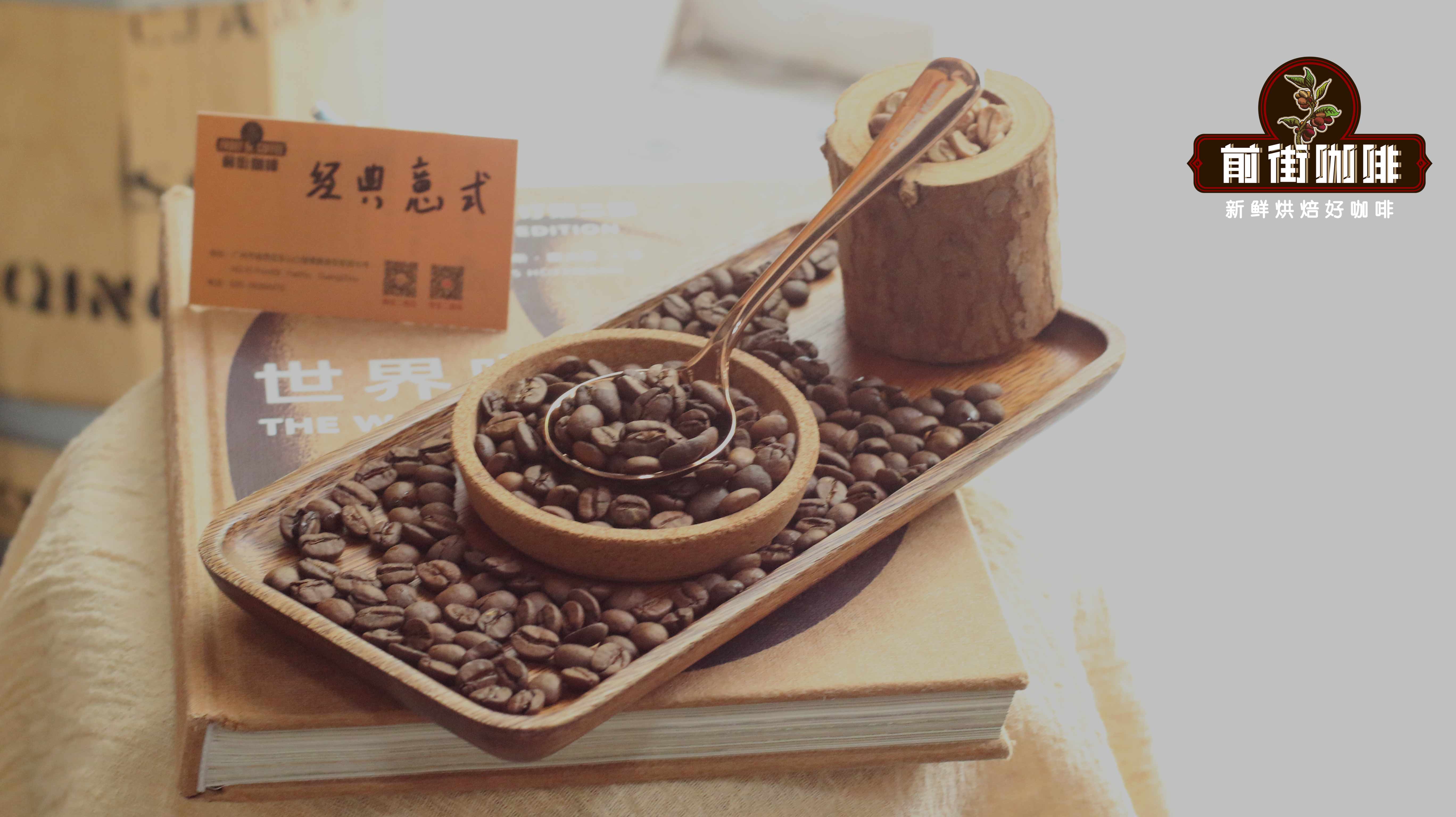
1. Premium Blend
Flavor Profile: Gentle mild acidity, sweet aftertaste, with nutty undertones; medium body crema, overall mild and balanced taste.
Recipe: Colombian Huila + Brazilian Cerrado
Suitable for users who prefer a non-intense, everyday drink with moderate crema performance.
2. Commercial Blend
Flavor Profile: Features caramel sweetness, black chocolate, and nutty aromas, with balanced acidity and sweetness, a rich mouthfeel, and a long-lasting aftertaste.
Recipe: Colombian + Brazilian + 10% Robusta
The addition of Robusta enhances richness and crema performance, making it suitable for consumers who prefer a bold taste.
3. Dark Cocoa Blend
Flavor Profile: Offers gentle fruit acidity, caramel sweetness, along with dark chocolate and nutty notes. Overall flavor is mellow, suitable for beginners or those who enjoy a subtle taste.
Recipe: Yunnan + Brazilian
This blend offers great value, suitable for home or small shop use, especially recommended for those new to espresso.
Each blend has its design philosophy and applicable scenarios. Whether you prefer milk-based coffee or straight espresso, you can find a suitable option based on the flavor descriptions above.
Finally, many wonder: Can espresso blends also be used for pour over? The answer is yes. Although espresso beans are typically designed for high-concentration needs, adjusting the grind size and brewing parameters can still bring out different characteristics. For example, it’s recommended to use a V60 dripper, with15 gramsof coffee, a water temperature of90°C[missing temperature value], a brew ratio of1:15[missing ratio value], and a grind size slightly coarser than espresso (approximately 80% through a 20-mesh sieve). Use a staged extraction method to reduce the risk of over-extraction.
Pour over reference steps: Bloom for 30 seconds (30g water), then pour in a small circular motion to 125g for the first stage. Once the water level drops, pour to 225g. Total brew time should be controlled at around2 minutes.
In summary, whether you choose a single or double shot, understanding its coffee dosage, extraction ratio, and suitable bean types will allow you to more accurately appreciate the charm of espresso. We hope this comprehensive guide helps you make more personalized choices during daily brewing or bean selection.
The above content is compiled by CoffeeHunters, a coffee news website.


